

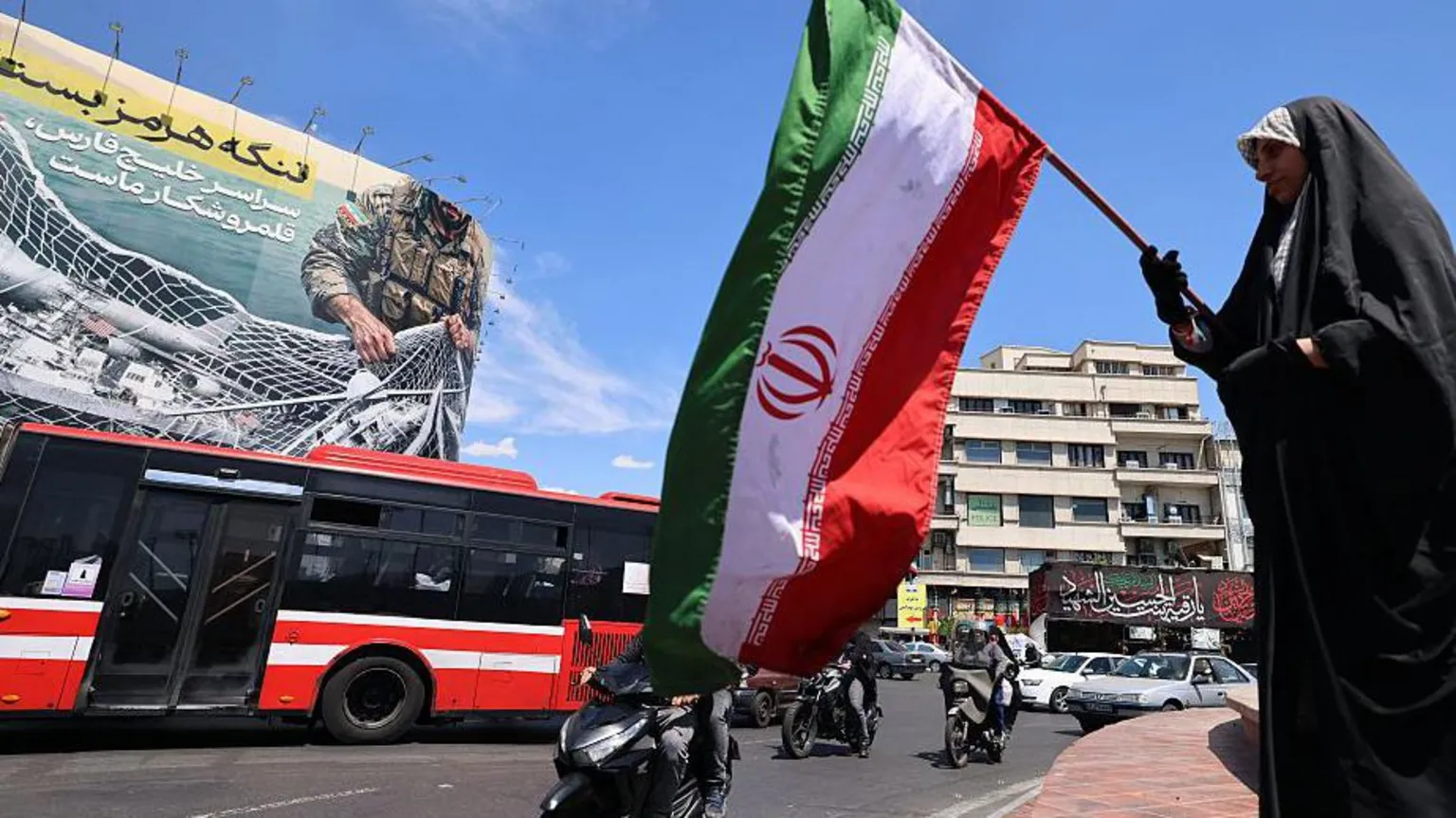
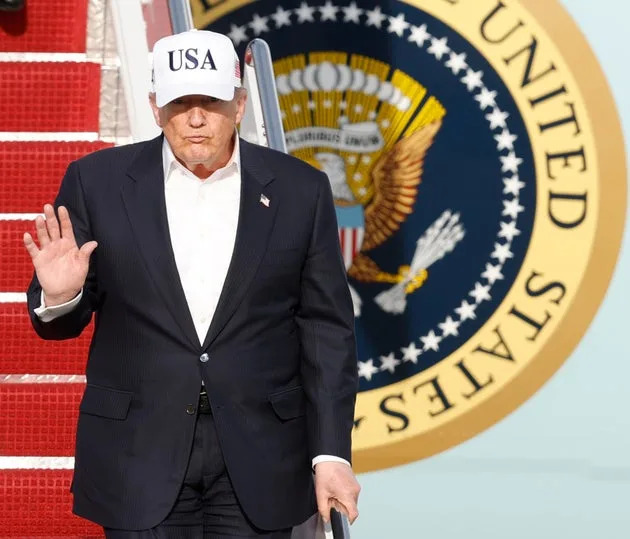
Following the unsuccessful diplomatic efforts led by US Vice-President JD Vance on Saturday to negotiate an end to the conflict with Iran, President Donald Trump announced his next course of action on Sunday morning through a series of Truth Social posts.
The President declared that the United States would impose a naval blockade on Iran, stating that “No one who pays an illegal toll will have safe passage on the high seas.” He also affirmed the US commitment to clearing mines from the Strait of Hormuz to ensure safe passage for allied shipping, adding that the US military was “locked and loaded” and prepared to resume attacks against Iran at an “appropriate moment.”
Trump claimed that while progress was made during 20 hours of negotiations in Islamabad, Iran refused the US demand to abandon its nuclear ambitions. However, a US official familiar with Vance’s discussions presented a broader list of unresolved issues, including Iran’s control of Hormuz and its support for regional proxies like the Houthi rebels in Yemen and Hezbollah in Lebanon.
While less aggressive than previous threats, Trump’s latest pronouncements introduce new challenges and risks for the American side. Questions arise regarding the safety of US naval vessels during mine-clearing operations, the method for identifying ships paying “tolls” to Iran, the potential use of force against foreign-flagged vessels ignoring the blockade, and the response from nations dependent on Iranian oil, such as China. Concerns also exist that the move, intended to cut off Iran’s primary income stream, could drive oil prices even higher.
Later on Sunday, the US military Central Command clarified that the naval blockade would halt all ships traveling to or from Iranian ports, a broader scope than initially suggested by Trump.
Congressional reactions varied, with Senator Mark Warner of Virginia expressing skepticism, stating, “I don’t understand how blockading the strait is going to somehow push the Iranians into opening it.” Conversely, Republican Congressman Mike Turner of Ohio supported the blockade as a means to force a resolution in Hormuz, asserting that it would bring allies and other nations to the negotiating table.
Prior to the two-week ceasefire and face-to-face negotiations, Trump faced a difficult choice: escalate US attacks, risking long-term damage to Iran’s infrastructure, exacerbating a humanitarian crisis, and destabilizing the global economy; or withdraw from a war unpopular with the American public and increasingly frustrating even some of his supporters who favored avoiding prolonged foreign conflicts.
A recent CBS poll indicates that 59% of Americans believe the war is going “somewhat or very badly” for the US. Many feel key US objectives—such as keeping the Strait of Hormuz open, securing greater freedom for the Iranian people, and permanently ending Iran’s nuclear program—remain unmet, despite strong bipartisan support for these goals.
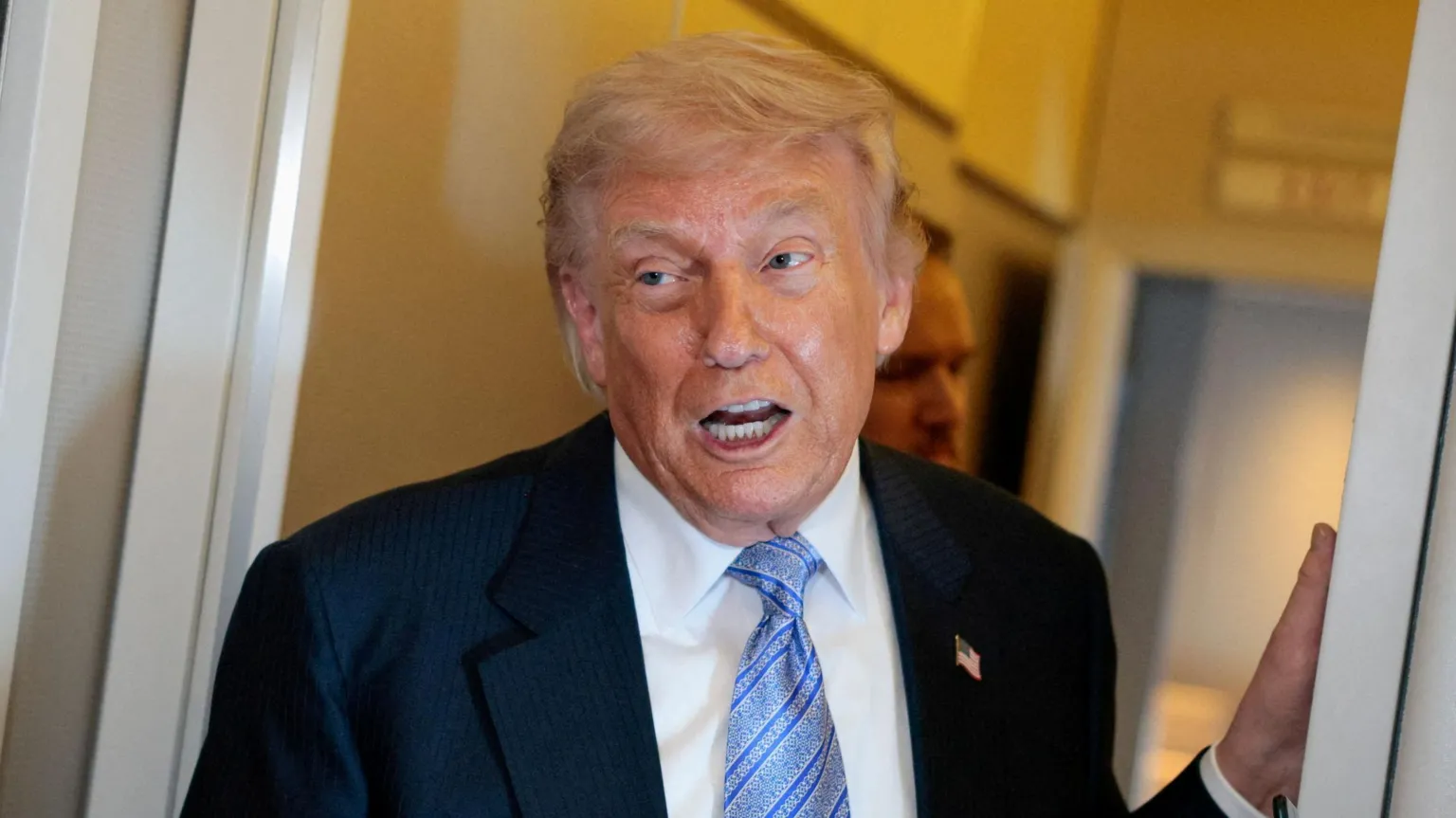
Nearly a week later, and despite American claims of victory, the fundamental predicaments facing the president remain unchanged. Trump told Fox News on Sunday morning that Iran would ultimately concede “everything” the US desires, and expressed confidence that the US economy would withstand potential oil price increases. This stance represents a significant gamble, particularly with the looming November midterm elections, where a miscalculation could prove costly for the Republican Party.
Adding to the unusual backdrop, while his Vice-President was engaged in critical negotiations in Pakistan on Saturday night, President Trump attended UFC cage matches in Miami. Described by the press pool as a “bizarre spectacle,” the President was observed watching violent contests, interacting with celebrities, and engaging in intense discussions with Secretary of State Marco Rubio and other advisors amidst thousands of attendees.
Unlike the clear rules and definitive outcomes of ultimate fighting, the Iran conflict, now entering its second month with the current ceasefire on the verge of collapse, offers no such clarity. The situation has evolved into a test of wills: Iran’s capacity to endure sustained US and Israeli attacks against Trump’s tolerance for the economic and political repercussions of the war. Ultimately, all parties involved in this protracted struggle risk being diminished.
#IranCrisis #USForeignPolicy #TrumpAdministration #NavalBlockade #StraitOfHormuz #MiddleEastConflict #Geopolitics #OilPrices #Diplomacy #WarAndPeace



Leave a Reply