


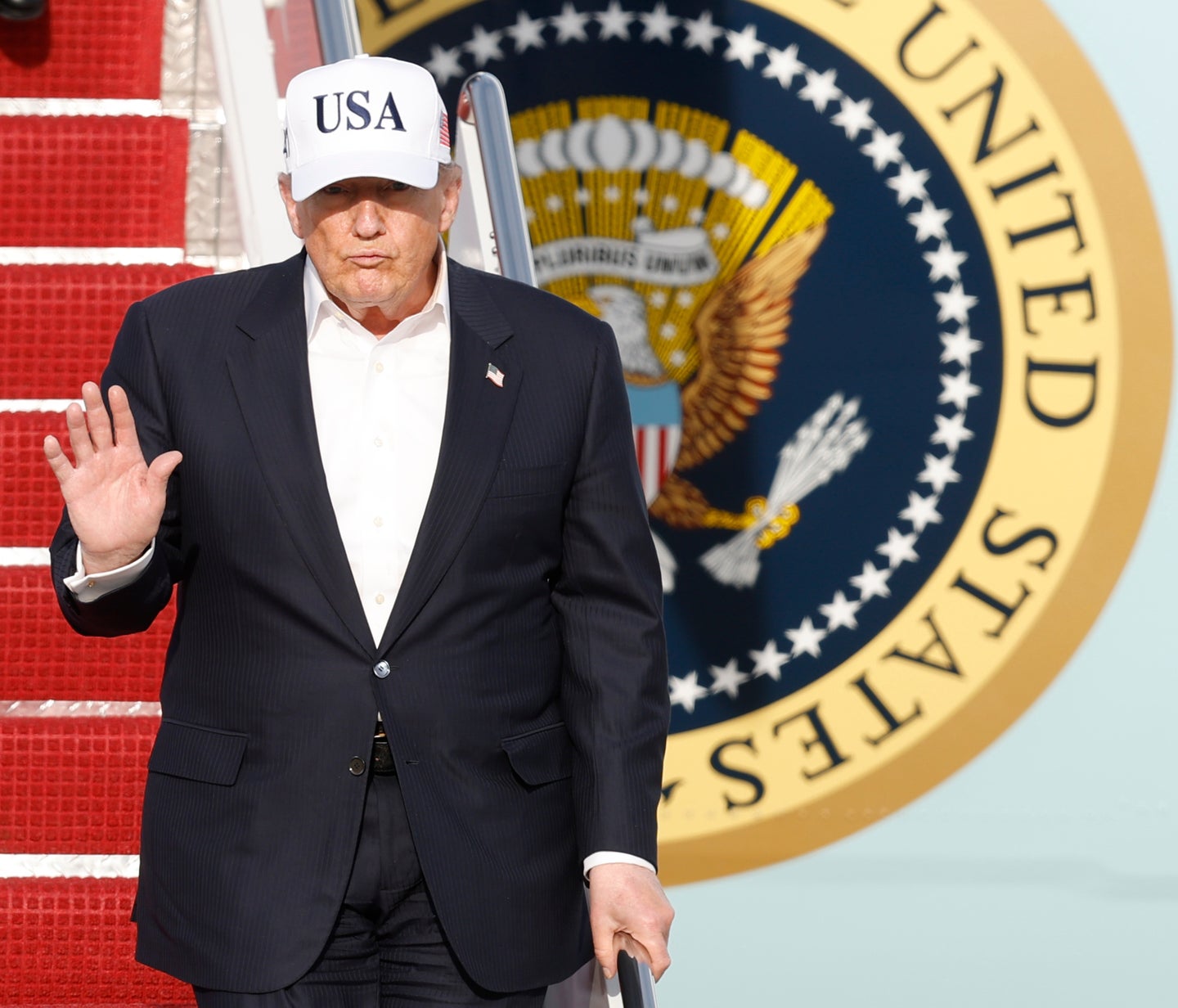
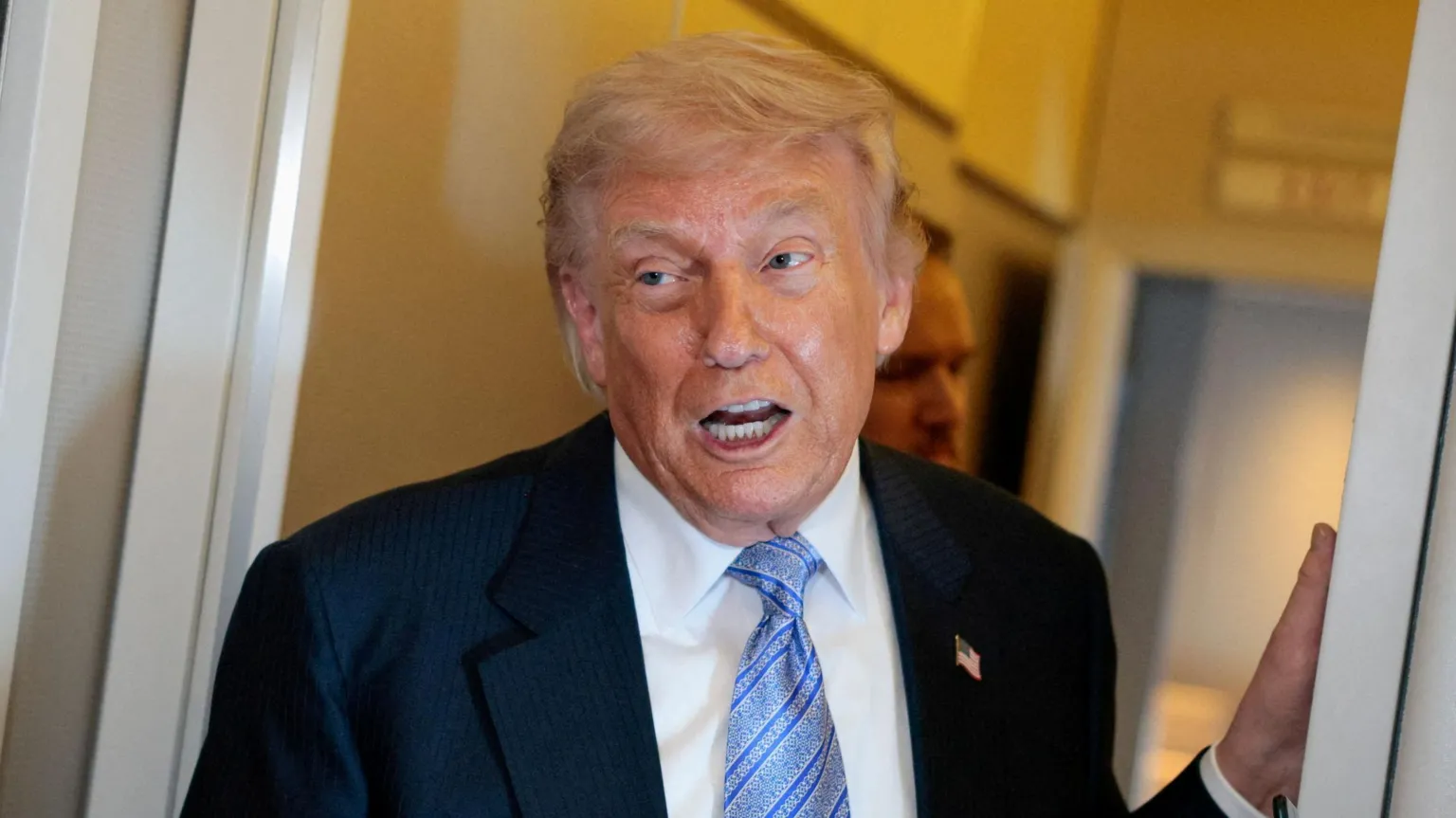
British Prime Minister Keir Starmer has stated that the United Kingdom will not participate in the blockade of the Strait of Hormuz, a measure announced by United States President Donald Trump that has also drawn criticism from other US allies. “We are not supporting the blockade,” Starmer told BBC radio on Monday, emphasizing that the UK “is not getting dragged in” to the ongoing US-Israel conflict with Iran. Starmer underscored the critical importance of reopening the strait. This strategic waterway, connecting the Gulf to the Indian Ocean, typically facilitates the passage of approximately 20 percent of the world’s oil supplies during peacetime. “It is in my view vital that we get the strait open and fully open, and that’s where we’ve put all of our efforts in the last few weeks, and we’ll continue to do so,” he affirmed. Rory Challands of Al Jazeera, reporting from London, noted that Starmer is maintaining a “delicate balancing act,” asserting that the UK will not join the conflict while carefully avoiding direct criticism of President Trump’s actions in the war. Since the war began, traffic through the strait has been severely restricted, with Iran permitting passage only for certain vessels serving allied nations like China. Starmer’s statement coincided with an announcement from the US military that it would block all maritime traffic entering and exiting Iranian ports starting at 14:00 GMT. However, the exact method for enforcing this blockade remained unclear. “The blockade will be enforced impartially against vessels of all nations entering or departing Iranian ports and coastal areas, including all Iranian ports on the Arabian Gulf and Gulf of Oman,” stated the US military’s Central Command. It further clarified that US forces would not obstruct vessels transiting the Strait of Hormuz to and from non-Iranian ports. In a lengthy social media post on Sunday, Trump articulated his objective: to clear the strait of mines and reopen it to all shipping, asserting that Iran should not be permitted to profit from controlling the waterway. Meanwhile, French President Emmanuel Macron announced that France and the UK plan to host a conference in the coming days, with the goal of restoring freedom of navigation in the strait. Macron reiterated the importance of exhausting all diplomatic efforts to achieve a lasting resolution to the US-Israel conflict with Iran. Nicole Grajewski, an assistant professor at the Center for International Research at the Paris Institute of Political Studies, commented that a US blockade is “not a minor coercive signal” but could essentially be viewed as a resumption of the war. Other US allies also voiced criticism of Trump’s initiative, including Spanish Defence Minister Margarita Robles, who deemed the planned naval blockade as “making no sense.” “It’s one more episode in this whole downward spiral into which we’ve been dragged,” she remarked. Fellow NATO ally Turkiye urged that the Strait of Hormuz should be opened “as soon as possible.” “Negotiations with Iran should be conducted, persuasion methods should be used and the strait should be opened as soon as possible,” Turkish Foreign Minister Hakan Fidan told the state-run Anadolu news agency. China, a major importer of Iranian oil and a significant rival to Washington, also criticized the plan. “The Strait of Hormuz is an important international trade route for goods and energy, and maintaining its security, stability and unimpeded flow is in the common interest of the international community,” stated Ministry of Foreign Affairs spokesman Guo Jiakun, urging both Iran and the US not to reignite the conflict.
#StraitOfHormuz #UKPolitics #USForeignPolicy #IranConflict #MiddleEast #GlobalOil #Diplomacy #InternationalRelations #KeirStarmer #NavalBlockade


Leave a Reply