

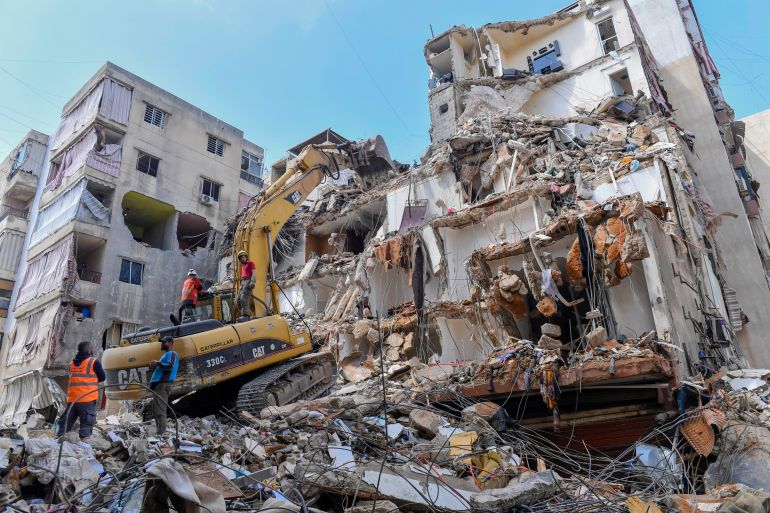
Israel has stated it will not engage in ceasefire discussions with Hezbollah during its upcoming talks with Lebanese officials in Washington next week, even as Israeli forces continue to launch deadly attacks on southern Lebanon.
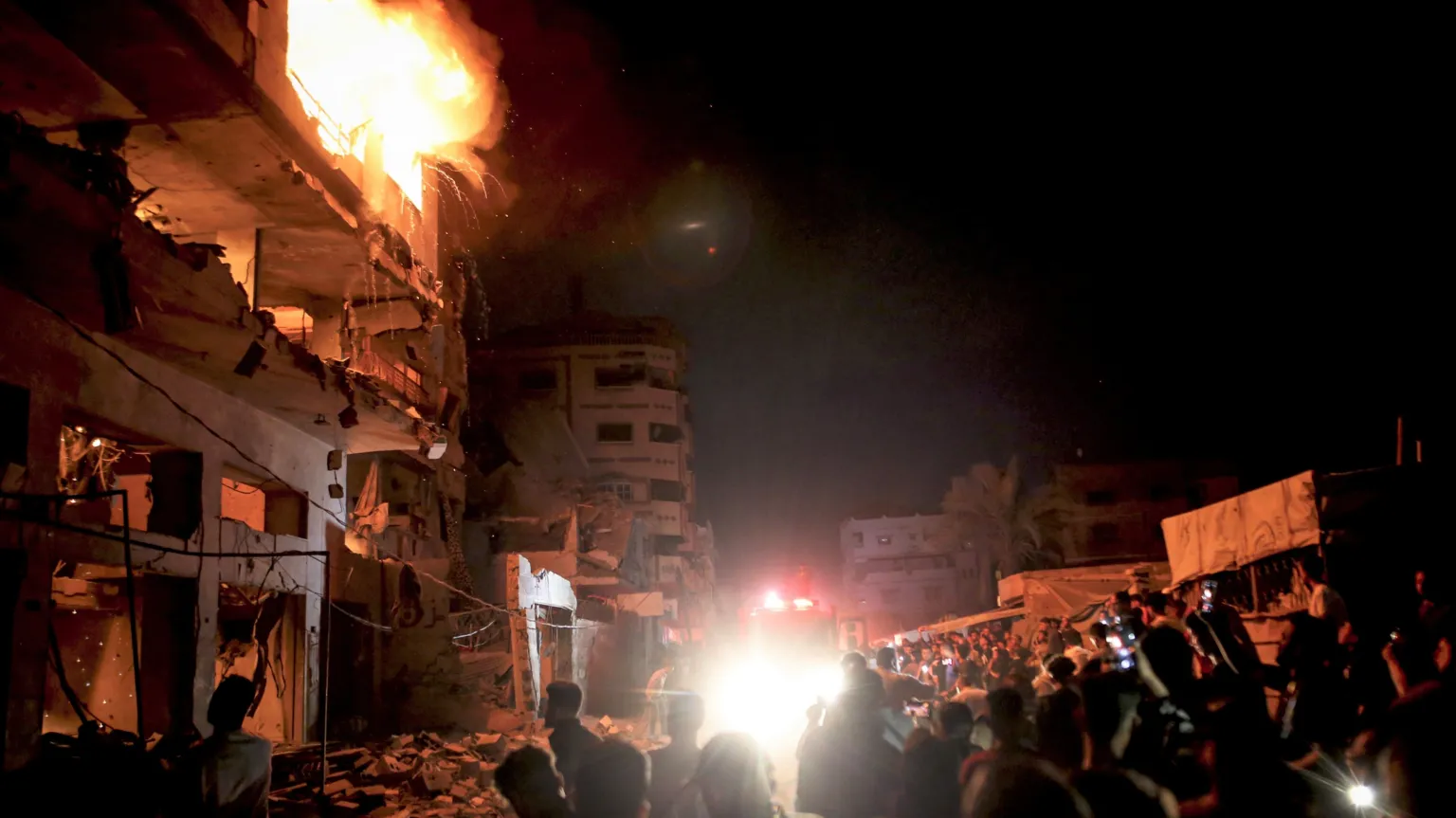
Lebanon’s Ministry of Public Health reported that at least 10 individuals, including three emergency workers, were killed in Israeli attacks on Saturday. Concurrently, state media documented raids on over a dozen sites in the southern region.
These developments follow late-night discussions held on Friday between Israeli and Lebanese ambassadors, aimed at finalizing arrangements for a meeting scheduled at the Department of State on Tuesday to explore avenues for peace.
Yechiel Leiter, Israel’s ambassador to the United States, indicated that these talks would initiate formal negotiations with the Lebanese government, notwithstanding the lack of diplomatic ties between the two nations.
“Israel has agreed to commence formal peace negotiations” with Lebanon, Leiter stated. However, he explicitly excluded any discussions involving Hezbollah, asserting, “Israel refused to discuss a ceasefire with the Hezbollah terrorist organization, which persistently attacks Israel and serves as the primary impediment to peace between the two countries.”
Hassan Fadlallah, a Lebanese lawmaker affiliated with Hezbollah, declared on Saturday that the group rejects direct negotiations between Lebanon and Israel.
Fadlallah, in a statement, characterized the move as “a blatant violation of the [national] pact, the constitution, and Lebanese laws… It exacerbates domestic divisions precisely when Lebanon most requires solidarity and internal unity to confront Israel’s aggression and safeguard civil peace.”
He further added, “What the enemy has been unable to achieve on the ground… it will not secure through negotiations with an authority that lacks decision-making power, has forsaken its most fundamental duties, has failed to protect its populace, and cannot be relied upon to uphold national sovereignty.”
Despite ongoing diplomatic efforts amidst heightened tensions, Israel’s attacks persist. Lebanon’s National News Agency reported that air strikes demolished a residential building in Mayfadoun, located in the Nabatieh district. The Lebanese Health Ministry corroborated three fatal attacks in Nabatieh and condemned what it described as Israel’s “systematic” targeting of emergency personnel.
Media reports indicate that both Washington and Beirut have pressed Israel to halt its attacks prior to the scheduled talks. Reuters, citing Axios, stated that both the Lebanese government and the Trump administration had requested a temporary cessation of hostilities, although the White House has not publicly confirmed this report.
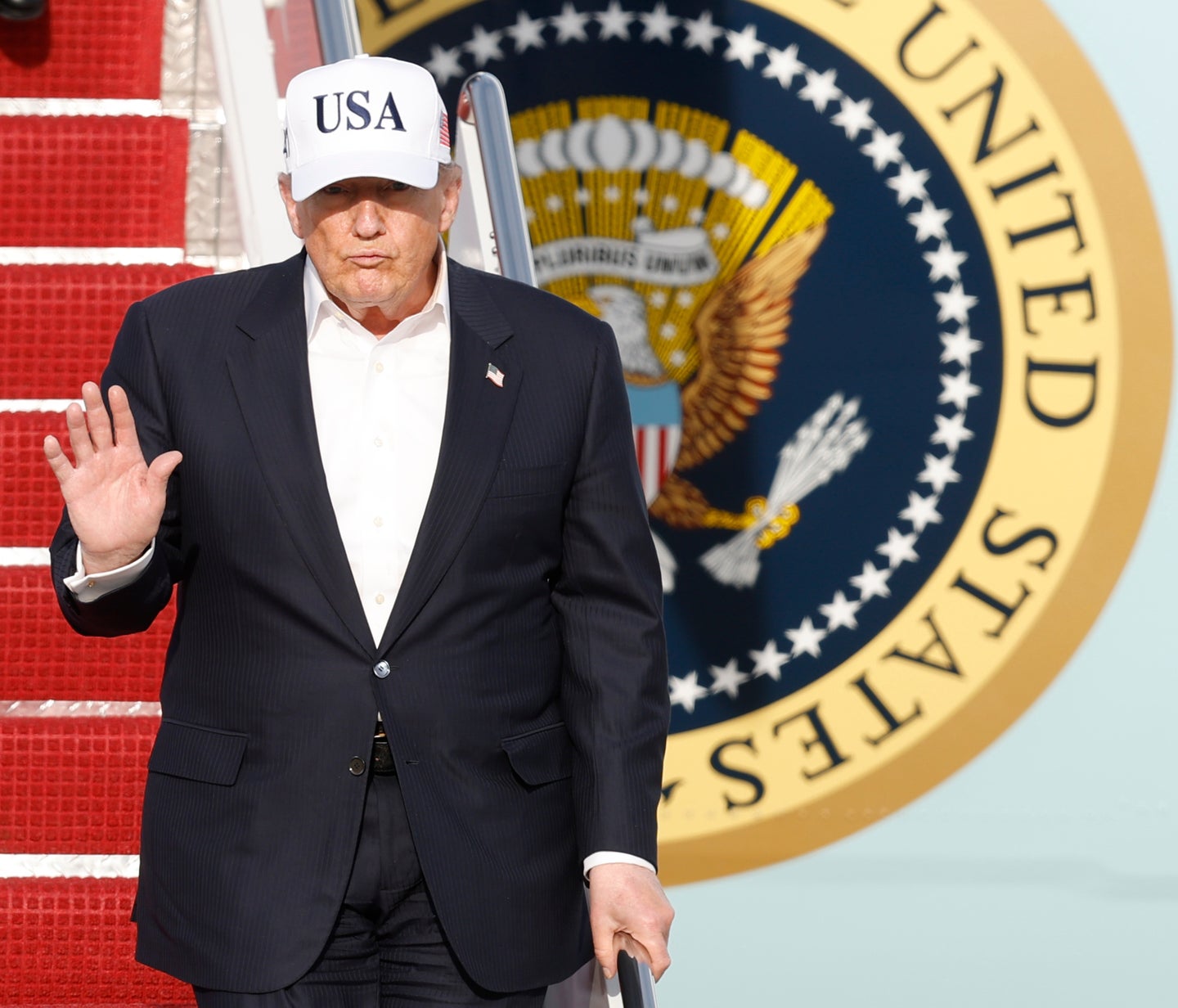
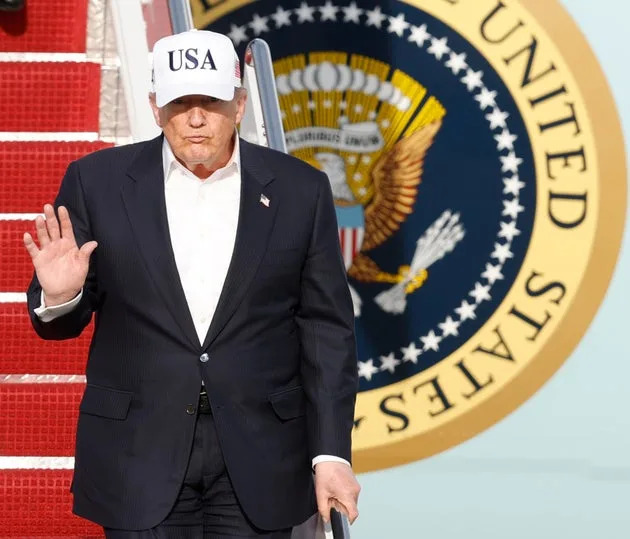
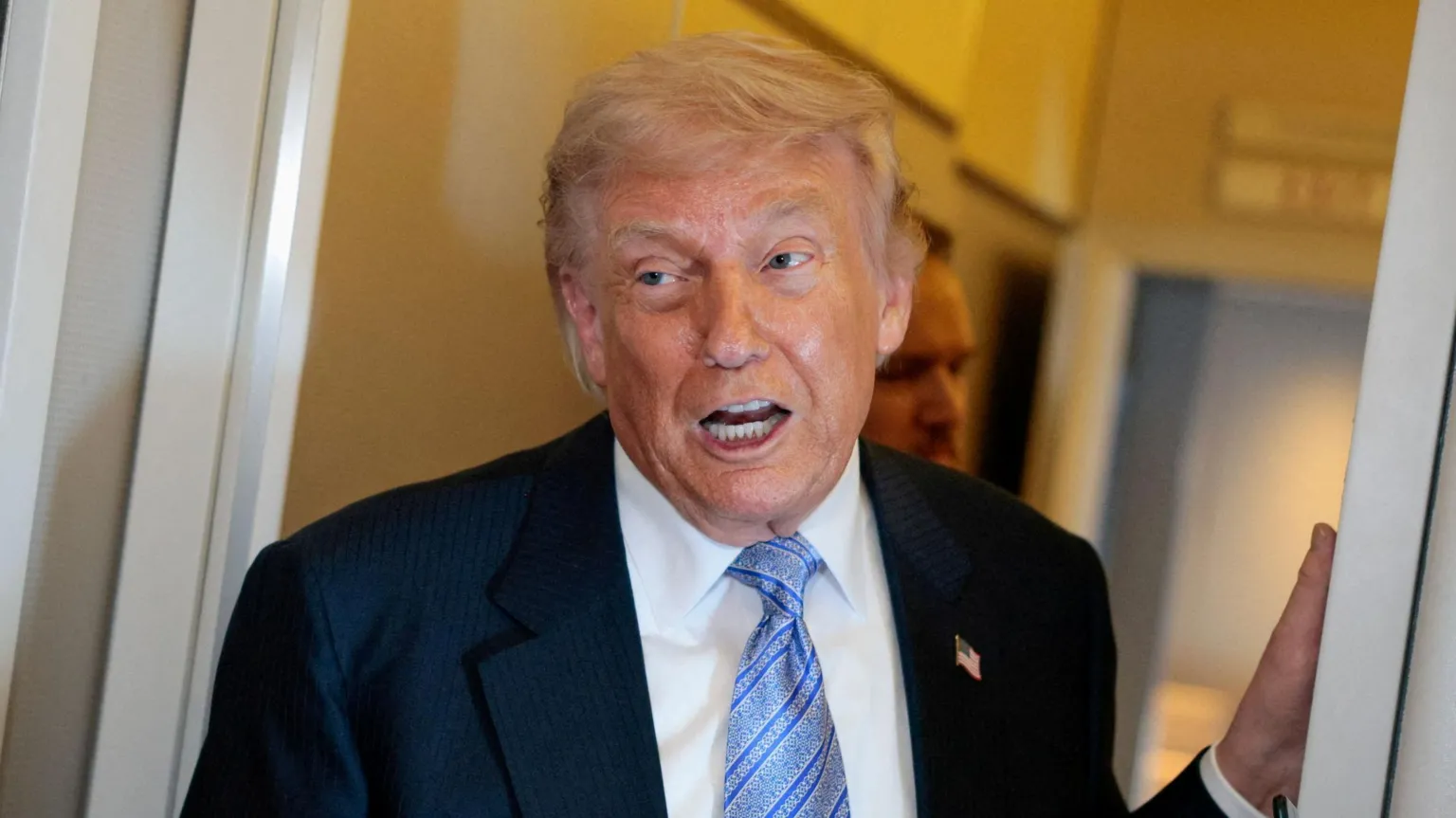
Trump reportedly asked Israeli Prime Minister Benjamin Netanyahu to reduce the ongoing bombardment, cautioning that continued attacks could jeopardize the delicate ceasefire between the US and Iran. Talks between these parties were slated to commence in Pakistan on Saturday.
Iran: No Talks Without Lebanon
Tehran has asserted that the two-week pause in hostilities, agreed upon earlier this week with Washington, encompasses an end to fighting between Israel and Hezbollah. Israel, however, has rejected this interpretation and proceeded with its military campaign, including a major assault on Wednesday that resulted in over 1,000 casualties, both killed and wounded.
In response, Iran maintained the closure of the Strait of Hormuz.
Trump subsequently stated that Lebanon was not included in the ceasefire arrangement, contradicting assertions made by Iran and the mediator, Pakistan.
Mohammad Bagher Ghalibaf, the speaker of Iran’s parliament, declared that Tehran would not participate in negotiations unless a ceasefire in Lebanon was established and frozen Iranian assets were released.
The American delegation, including US Vice President JD Vance, envoy Steve Witkoff, and adviser Jared Kushner, arrived in Islamabad for discussions with Iranian representatives.
Despite diplomatic endeavors, the conflict in Lebanon shows no indications of abating. Israel has conducted numerous attacks since a ceasefire began in November 2024, violating it hundreds of times.
Following the commencement of the US and Israel’s war on Iran on February 28, Hezbollah initiated a cross-border retaliatory attack on March 2. Israel subsequently escalated its campaign, launching extensive bombardments and a ground offensive in southern Lebanon.
Lebanese authorities report that the recent weeks of fighting have claimed nearly 2,000 lives, with over 350 fatalities recorded on Wednesday alone.
Given Israel’s refusal to incorporate Hezbollah into ceasefire discussions, next week’s talks are anticipated to concentrate on demands directed at the Lebanese state, which has historically faced challenges in containing the armed group.
#Israel #Hezbollah #Lebanon #CeasefireTalks #MiddleEast #Diplomacy #Washington #Iran #RegionalConflict #PeaceEfforts




Leave a Reply