


The International Energy Agency (IEA) has significantly revised its projections for global oil supply and demand growth, indicating a decline from last year’s levels. This downturn is attributed to the ongoing United States-Israel war on Iran, which is disrupting oil flows and exerting pressure on the global economy.
In its latest report, released on Tuesday, the IEA now anticipates a global oil demand reduction of 80,000 barrels per day (bpd) this year. This marks a sharp contrast to its previous monthly report, which had forecast a year-on-year increase of 640,000 bpd.
The updated forecast follows a joint appeal on Monday from the International Monetary Fund, World Bank, and IEA, urging nations to refrain from hoarding energy supplies and imposing export controls that could exacerbate the current shock.
IEA chief Fatih Birol informed reporters on Monday that several countries were accumulating stocks and implementing export restrictions. He called on all nations to ensure the free flow of energy stocks to markets, though he did not specify which countries.
“Demand destruction will spread as scarcity and higher prices persist,” the IEA report stated on Tuesday. It highlighted that the most significant cuts in oil consumption have so far been observed in the Middle East and Asia Pacific regions, particularly for naphtha, LPG, and jet fuel.
The Paris-based watchdog projected a 1.5 million bpd drop in demand during the second quarter of this year, which would represent the deepest contraction since the COVID-19 pandemic.
Concurrently, on Monday, the Organization of the Petroleum Exporting Countries (OPEC) also lowered its prediction for world oil demand in the second quarter, although it maintained its full-year outlook unchanged.
**Hormuz Disruptions**
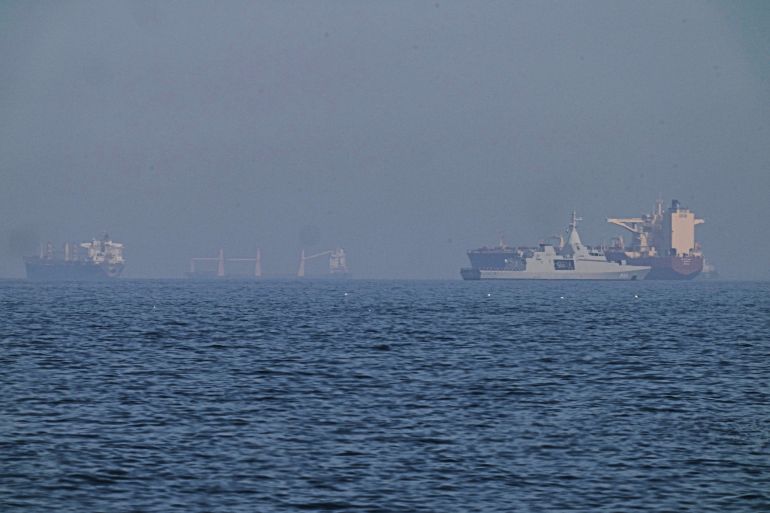
The IEA reported that attacks on energy infrastructure in the Middle East and Iran’s closure of the Strait of Hormuz have triggered the largest oil supply disruption in history, with 10.1 million bpd lost in March alone.
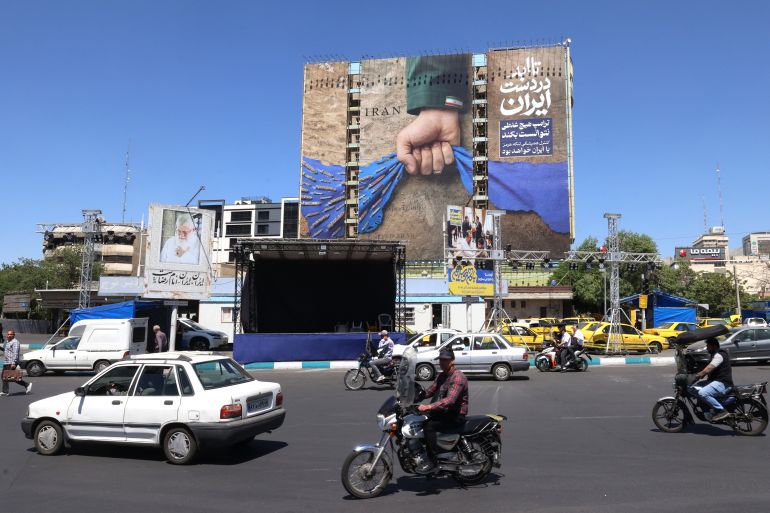
Iran had brought traffic through the strait—a critical artery for global energy shipments—to a near-total halt in response to US-Israel attacks on its territory since February 28.
This de facto Iranian control over the vital chokepoint led to a worldwide surge in gas and petrol prices.
Washington is now reportedly aiming to seize control of the strait from Tehran, intending to prevent Iranian tankers, which have continued to transit daily, from passing through.
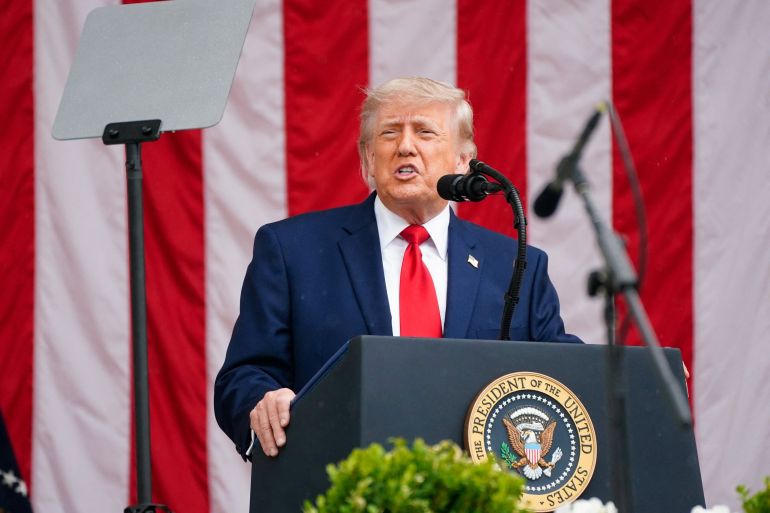
To this end, US President Donald Trump announced a blockade on Iranian ports on Sunday, following the failure of weekend peace talks between the US and Iran in Islamabad, Pakistan.
The IEA report indicated that the US blockade has further clouded the outlook for global energy security and the supply of numerous goods reliant on petroleum.
Oil demand could plummet even further if the strait remains closed, the IEA warned.
“In this case, energy markets and economies around the world need to brace for significant disruptions in the months to come,” the agency cautioned.
“Resuming flows through the Strait of Hormuz remains the single most important variable in easing the pressure on energy supplies, prices and the global economy,” the IEA added.
**Russia’s Gains**
Notably, Russia has emerged as a primary beneficiary of these disruptions. Thanks to the surge in prices, Moscow’s revenues from crude oil and refined products increased in March, rebounding from February when they had fallen to their lowest level since the onset of the full-scale war on Ukraine in 2022.
Russia’s commodity revenues are a crucial component of its state budget, essential for supporting its escalating military spending.
The IEA stated that Russia’s crude oil exports rose by 270,000 bpd last month from February, reaching 4.6 million bpd. This increase was primarily driven by higher seaborne shipments, as the Druzhba pipeline remained offline.
Flows via the Druzhba pipeline to Hungary and Slovakia, which traverse Ukrainian territory, have remained shut following attacks on the pipeline infrastructure at the end of January.
#OilMarket #EnergyCrisis #GlobalEconomy #IEA #StraitOfHormuz #IranWar #OilPrices #Geopolitics #EnergySecurity #OPEC



Leave a Reply