

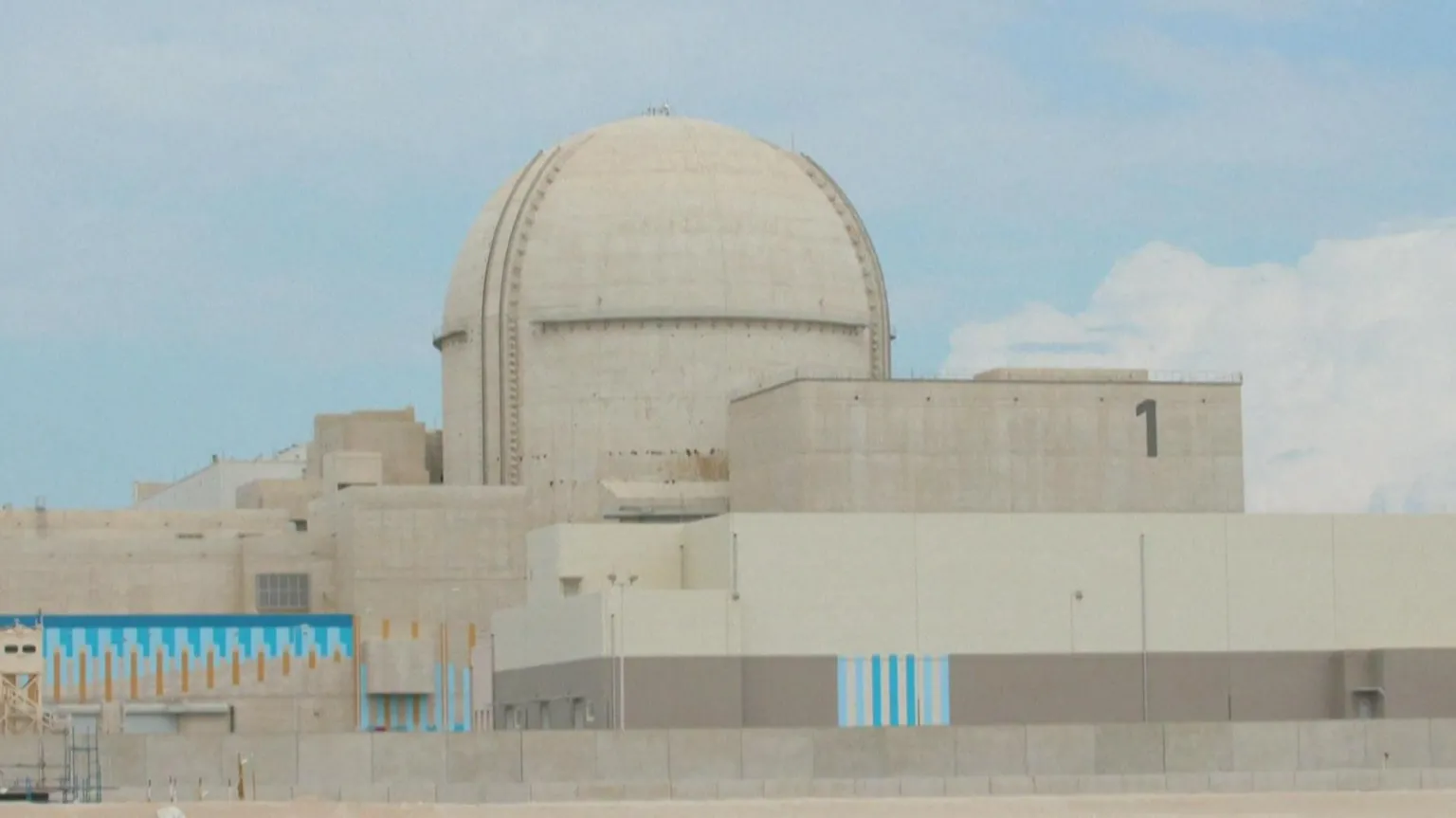
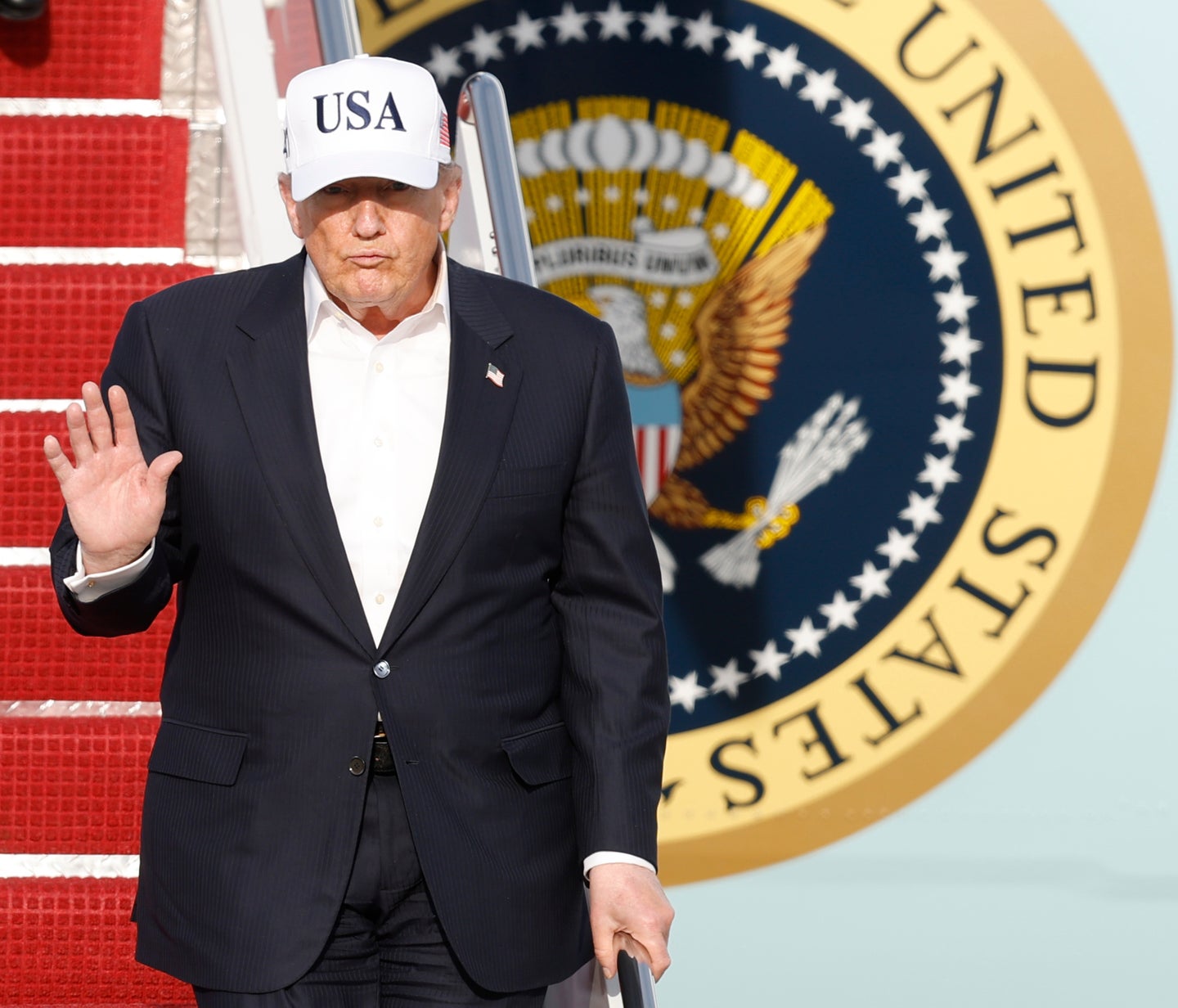
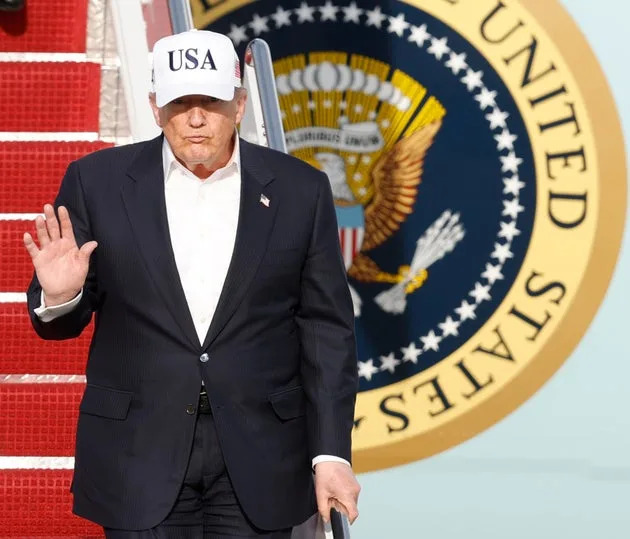
The US-Israeli conflict with Iran has kept the world on edge for nearly seven weeks, with a fragile ceasefire offering a tense pause over the past 10 days. US and Israeli attacks on the 90-million-strong, oil-rich nation have resulted in over 2,000 deaths, displaced millions, and damaged vital infrastructure, including areas near Iran’s nuclear sites. US President Donald Trump also threatened to wipe out Iran’s “whole civilisation” if it did not accede to Washington’s demands.
In retaliation, Iran has attacked Israeli targets and launched missiles at Gulf countries and the wider region. The ongoing Pakistan-brokered ceasefire between Washington and Tehran is currently threatened by Israel’s air strikes on Lebanon, which have killed more than 1,300 people, and its invasion of southern Lebanon.
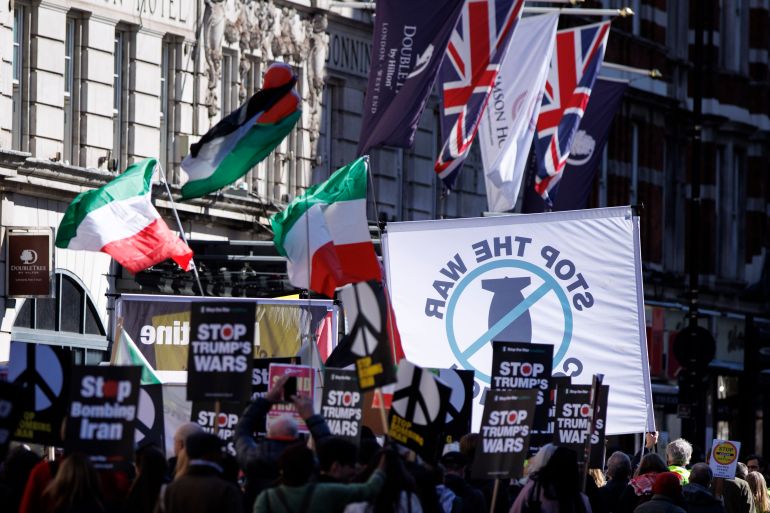
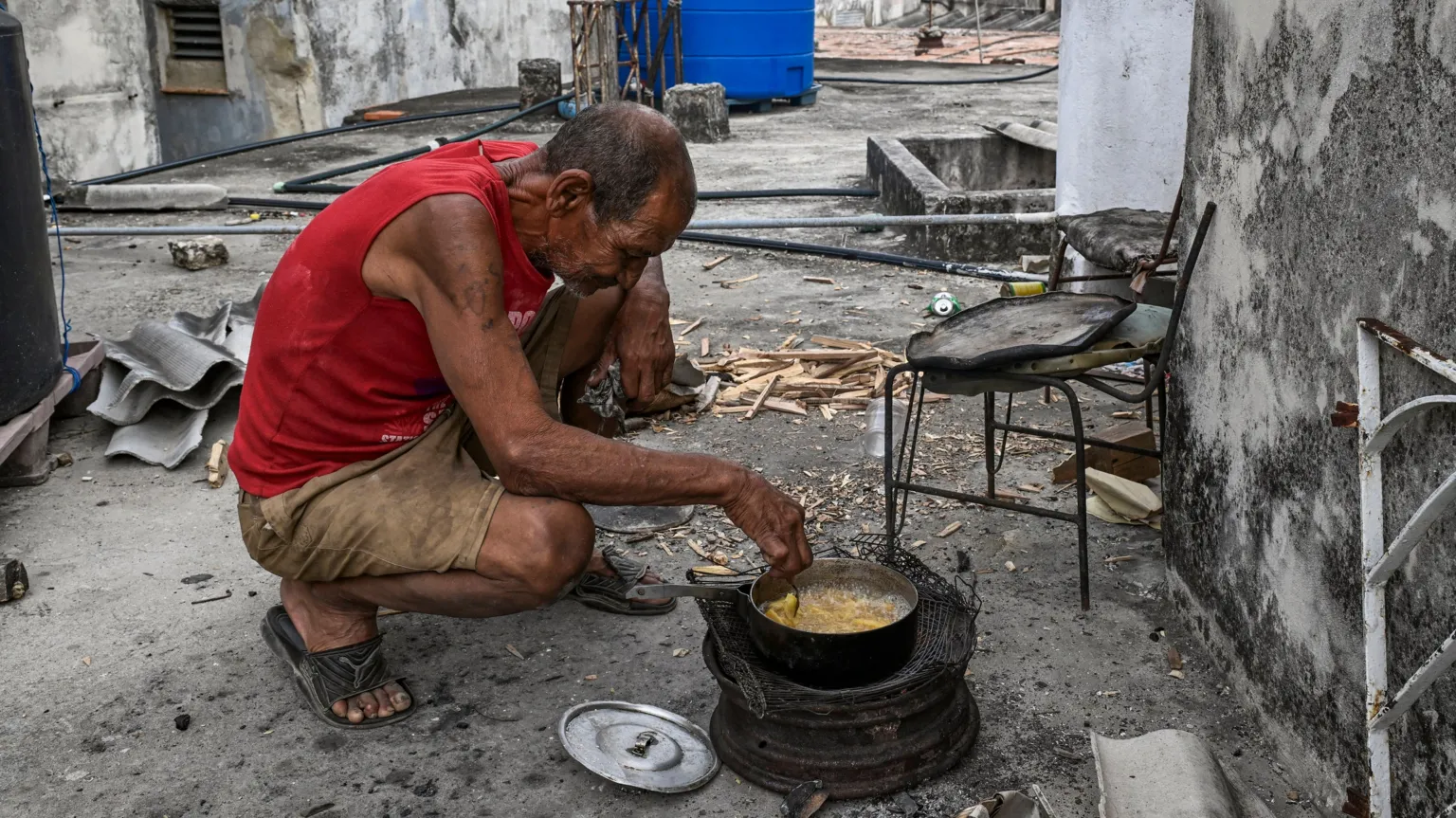
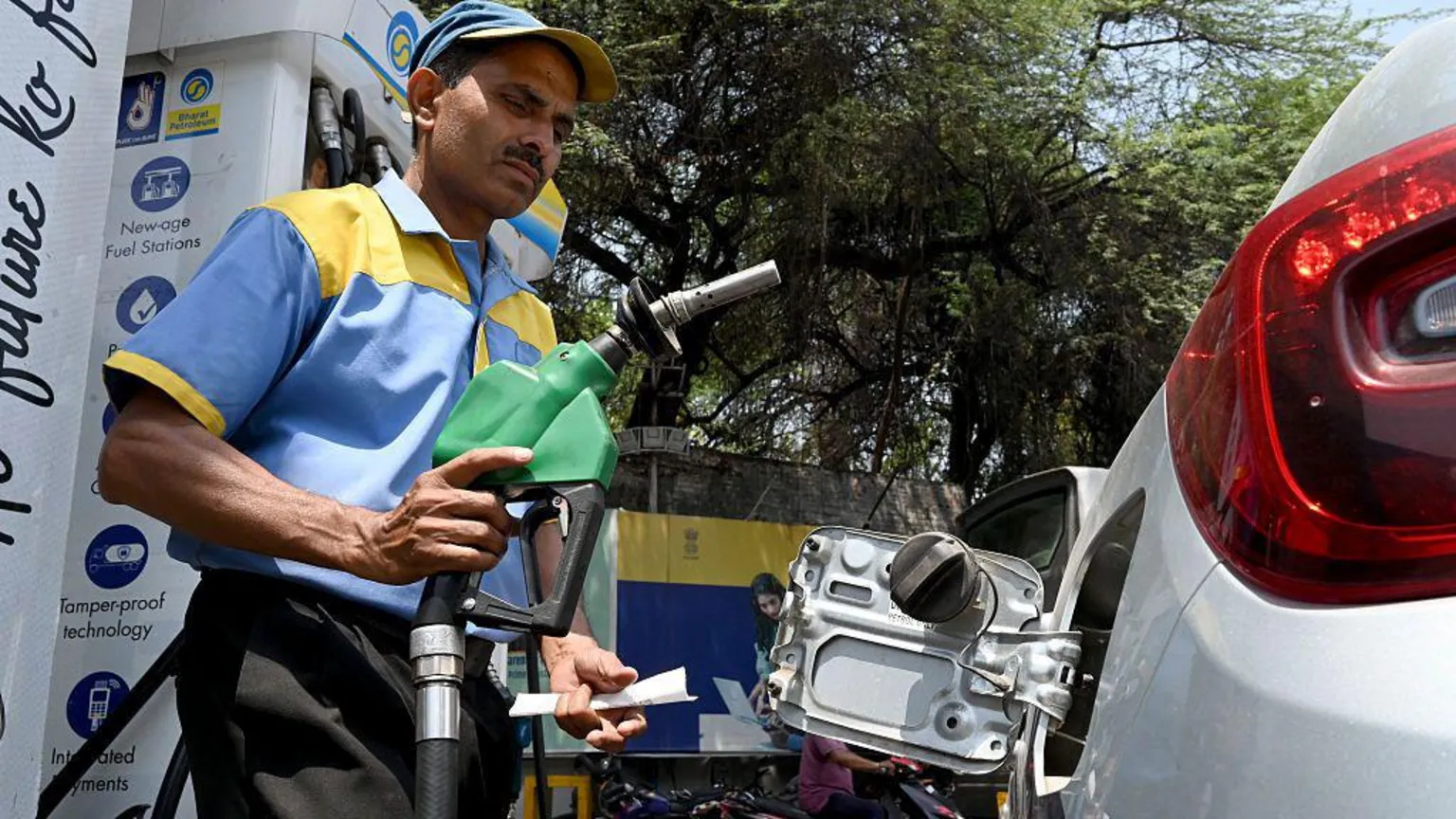
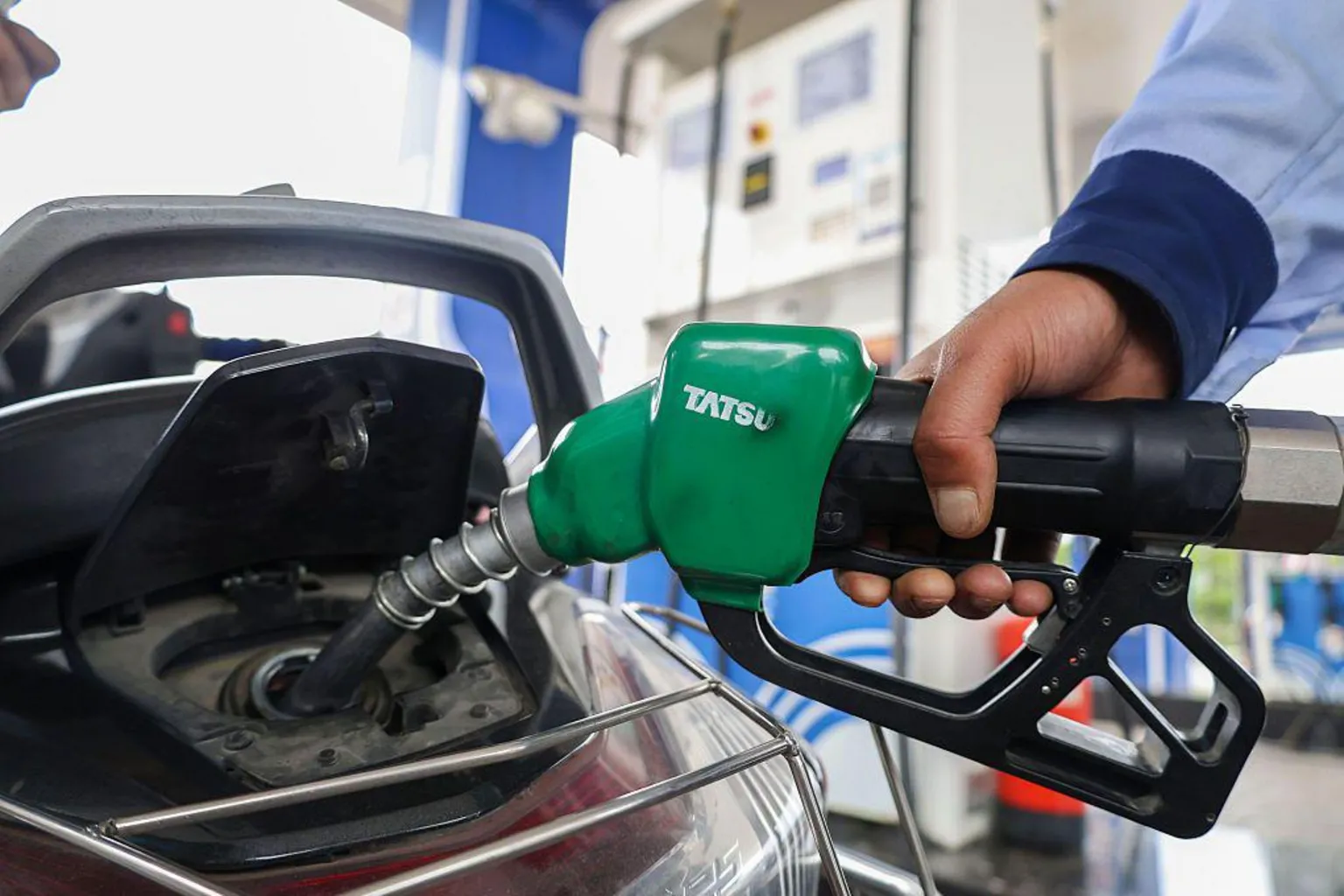
Opinion polls in the US and Europe indicate that the conflict is deeply unpopular. However, widespread anger against the Iran conflict has not translated into mass street protests, unlike during Israel’s war on Gaza and Russia’s war on Ukraine. Although the reverberations from the conflict with Iran have been felt globally—with increases in oil and gas prices, fertiliser shortages, and stock market volatility—the effects have been felt faster than in most previous conflicts.
Why this muted response? There are few clear answers, but analysts suggest several factors might explain why this conflict has triggered fewer protests than other recent conflicts in its early days.
What the numbers show
According to Armed Conflict Location and Event Data, a US-based nonprofit organisation that tracks violent events, armed conflict, and protests, there were approximately 3,200 Iran-related demonstrations worldwide in the first month since the US-Israeli attacks began on February 28. In contrast, 3,700 demonstrations occurred in the first month after Russia’s 2022 invasion of Ukraine, and as many as 6,100 demonstrations took place in the first month against Israel’s war on Gaza.
“The absence of major anti-war protests in the US is somewhat puzzling, especially given that the US entered the [Iran] conflict with only 21 percent of the public supporting it,” Shibley Telhami, a professor at Maryland University, told Al Jazeera, citing a pre-war poll conducted by his team. By mid-April, almost two-thirds of Americans polled continued to oppose the conflict, according to various surveys. “Unlike in other conflicts, there was no “rally round the flag effect,” Telhami added.
The conflict has also triggered an unprecedented energy crisis, with Iran effectively shutting down the Strait of Hormuz soon after the conflict started, except for ships belonging to countries that negotiated separate deals. On Monday, the US began a naval blockade of all Iran-linked ships attempting to pass through the strait, further compounding the traffic jam around the waterway through which a fifth of global oil and gas passes during peacetime.
Low impact conflict, for now
Still, some analysts point out that US casualties have been minimal so far. Since the conflict began, 14 US troops have been killed. Trita Parsi, an Iran expert and founder of the Quincy Institute, noted there hasn’t been a “mass mobilisation of ground troops, a ground invasion or measures of much higher risk.” “Trump has engaged in this conflict in a manner that minimises American casualties,” he told Al Jazeera.
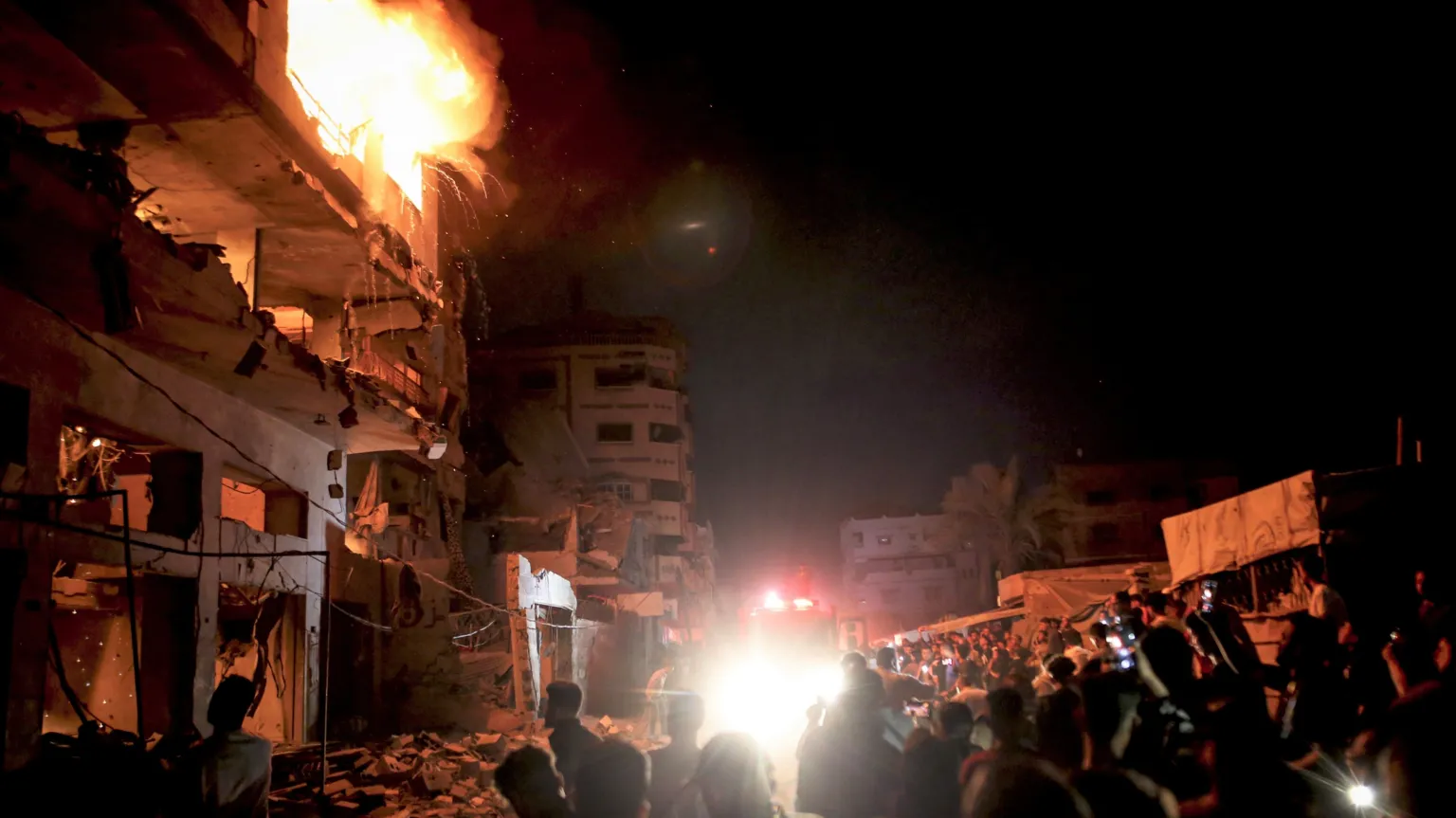
US academic Jeremy Varon, whose research area includes social movements, stated that people often turn out when their “conscience is shocked” or they perceive some grave injustice. In the conflict with Iran, Varon observed that the Trump White House was waging what he called a “videogame war” by means of drones and missiles, rather than ground troops. “All we see from the Pentagon are ‘smart bombs’ obliterating physical targets,” said the professor at The New School. “The human cost of conflict is almost invisible. This goes for Iranian suffering as well.”
‘Exhausted, disillusioned’
In contrast, Israel’s actions in Gaza saw major protests in the West, as Israel significantly damaged the Palestinian territory. The sight of mass casualties, displacement, and visible starvation mobilised protesters for weeks and months until a so-called “ceasefire” was announced last October, which Israel has repeatedly breached. While the solidarity movement undoubtedly succeeded in shifting public opinion, most notably in the US, its inability to stop the suffering has left many activists “disillusioned, others exhausted,” Salar Mohandesi, a professor of history at Bowdoin College, told Al Jazeera.
The US-based academic said Trump has been able to ignite political storms on a range of issues—from immigration to the impact of tariffs—thereby fragmenting opposition against him. “People have limited time and bandwidth, so they are probably making decisions about which cause to support. In their calculus, other outrages—such as ICE—may be taking precedence over the conflict,” Mohandesi added, referring to Immigration and Customs Enforcement (ICE), the Department of Homeland Security arm that has been leading Trump’s crackdown on immigrant communities in US cities.
The New School’s Varon said that while there are undoubtedly protests against the US-Israeli conflict with Iran, there is no distinct movement, much of it incorporated into a larger protest movement against the US president, citing the anti-Trump No Kings protests, where many also denounced the conflict. “Any anti-Trump dissent is, to a degree, anti-conflict,” Varon said. He also pointed to a growing sense of powerlessness, as Trump remained seemingly “unconstrained” by domestic or international law. “People generally turn out in the streets when they think their protest will make a difference,” he observed, adding that many Americans are “losing that faith, while quietly hoping that Trump’s policies self-destruct.”
Iran’s image
Another key reason, say analysts, lies in Iran’s global image—shaped by Western narratives. Unlike Gaza, where protests are driven by a clearer sense that Palestinians are an occupied people, Iran presents a more complicated case for many in the West. “With Palestine, you are dealing with a colonised people… With Iran, you are dealing with a sovereign state that has also repressed its own population,” said Salar Mohandesi. That distinction, he argued, has made some opponents of the conflict wary of appearing to defend the Islamic Republic.
Moreover, the Iranian diaspora plays a key role in framing the country’s image abroad and is deeply divided. A Zogby Analytics survey conducted in the first week of the conflict, and commissioned by the National Iranian American Council, found Iranian Americans almost evenly split, with almost 50 percent expressing support for the conflict. However, a second poll by Zogby Analytics showed support for the conflict plummeting, with nearly two-thirds opposing it as civilian casualties increased. “Some of the most visible Iranian protests in the United States are for the conflict,” Mohandesi said.
The diaspora in the UK has also been divided. “The Iranian community in the UK is quite split… there is no single Iranian solidarity organisation leading the anti-conflict movement,” said Jennie Walsh, spokeswoman for Stop the War UK. It is often accused of being “pro-regime” simply for opposing the US-Israeli conflict with Iran, a charge she strongly rejected. “But I think that sort of messaging may result in ordinary people being reluctant to join demonstrations against the bombing,” Walsh added.
Higher education’s muted response
University campuses, historically central to anti-conflict protests, have also seen a muted response. In the case of Gaza, the outpouring of support in Western colleges contributed massively to pushing the Palestinian issue to the forefront of the global political landscape but also prompted a strong backlash from authorities. Analysts and activists argue that sit-ins coming under attack from local police, student expulsions, the firing of department staff, and threats of lawsuits have contributed to unease on campuses.
Under the Trump administration, hundreds of student visas were revoked, student protesters were apprehended by ICE, and universities were threatened with funding cuts if they did not crack down on demonstrations. “It’s simply not possible to organise in the same way that one did just a few years ago,” said US-based academic Mohandesi, noting that administrators have passed “draconian” rules limiting political activities on campus. “They have de-chartered student groups, banned students from booking rooms, cancelled events at the last minute, and restricted the right to free speech,” he added. In addition to a “fear of retaliation,” individuals and groups who would be in a position to lead the effort to resist the conflict are still trying to “find their footing in this radically changed terrain.”
Anti-conflict campaigners say they have seen a similar pattern in the UK. “Authorities in most UK universities have effectively intimidated students into silence with expulsions, etc.,” STW’s Walsh said. A report in August by activist group Social Innovators for Justice (SI4J) accused the leading universities in the country, including Oxford and Cambridge, of “widespread systemic repression” against Gaza-related sit-ins and protests.
Can anti-conflict opposition shift?
For now, the fragile truce between Iran, Israel, and the US has lowered tensions, dampening urgency on the streets. But without a lasting political resolution, any renewed escalation could quickly test whether public opposition remains subdued or spills into a sustained protest movement, especially if the costs are more directly felt, analysts say. “If [the US] goes in with ground troops and hundreds of Americans get killed, then things can change very quickly,” said the Quincy Institute’s Parsi. The US has deployed thousands of marines near Iran, and reports suggest it is planning to move more soldiers to the region—suggesting that it is keeping the option of a ground assault open even amid peace negotiations.
New School’s Varon said “images of death and sorrow” could raise the American people’s “moral concern.” Economic pressure, however, may be the most immediate catalyst for a burgeoning anti-conflict movement, especially in the US. “The pain… is not high enough yet,” Iran expert Parsi said. “If rising fuel costs and inflation begin to hit households more sharply, opposition to the conflict may no longer remain abstract.”
#AntiWarProtests #IranConflict #USIsraelRelations #Geopolitics #PublicOpinion #MiddleEastSecurity #Ceasefire #StudentActivism #EnergyCrisis #GlobalAffairs


Leave a Reply