


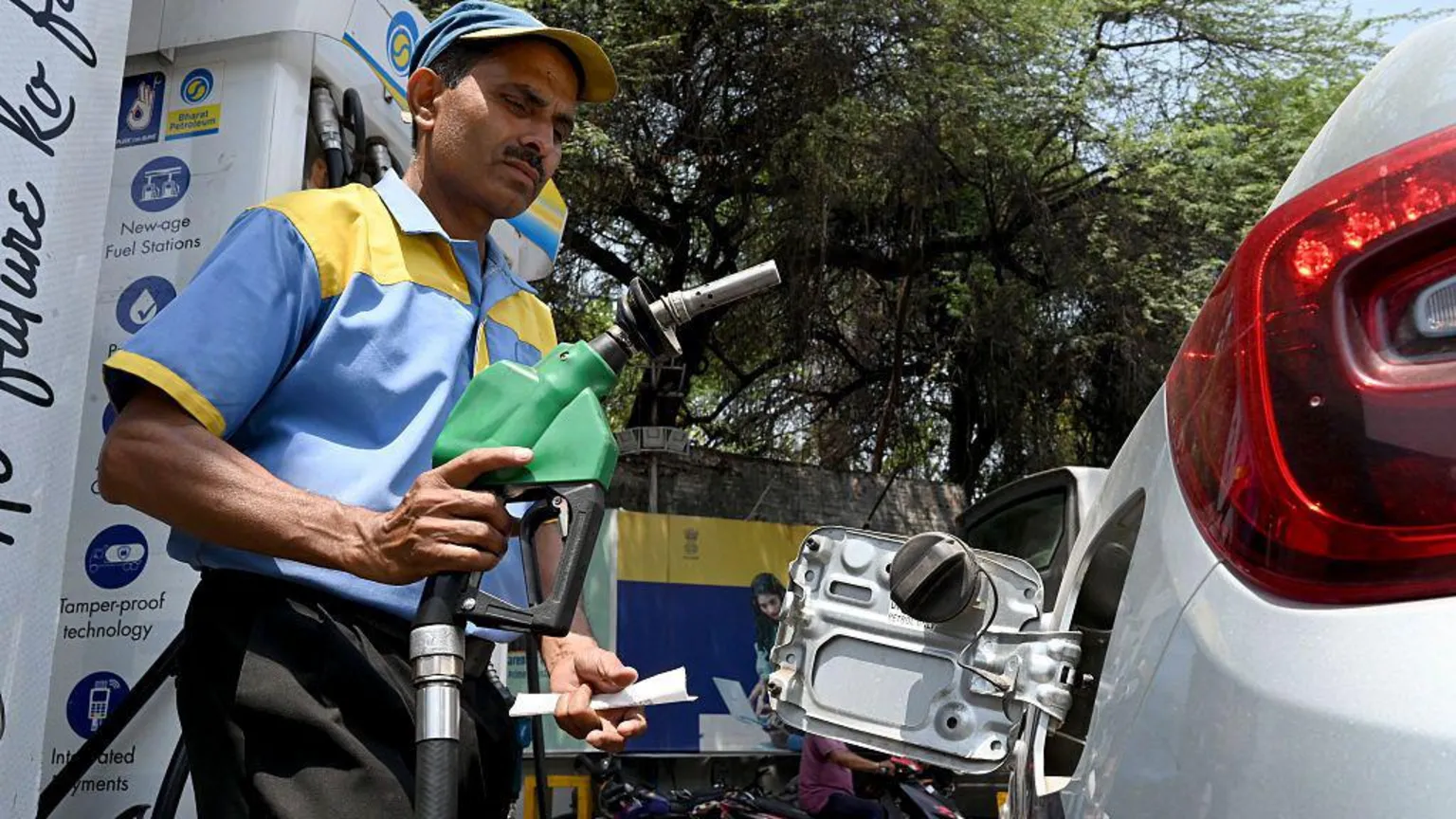
Despite extensive talks in Islamabad that concluded on Sunday, the United States and Iran have failed to secure a permanent agreement to end their conflict, leaving a fragile ceasefire in jeopardy. Both nations attributed the breakdown of the 21-hour negotiations to the other side. The conflict, which began over six weeks ago, has claimed thousands of lives, predominantly in Iran, and has significantly driven up global oil and gas prices.
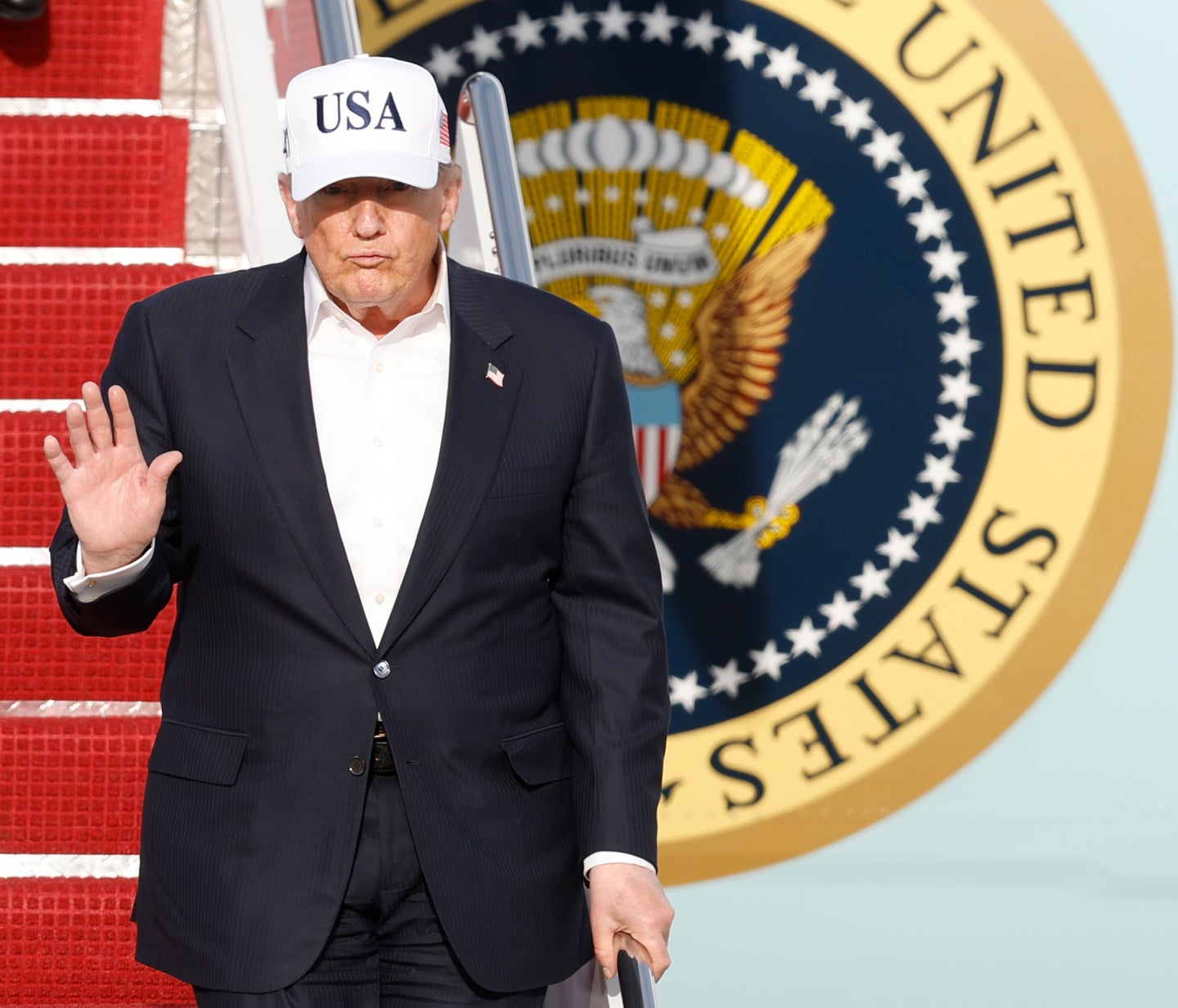
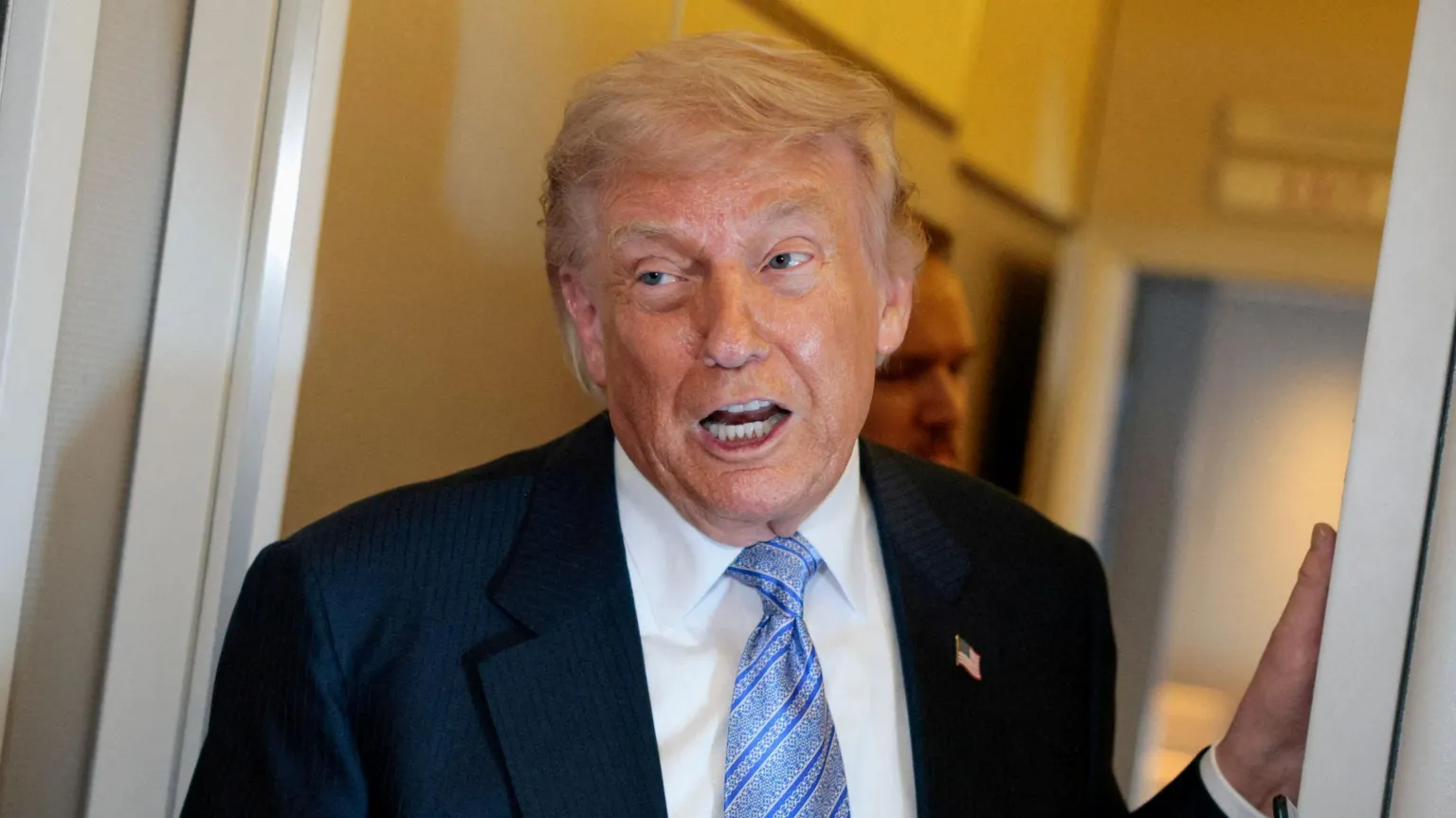
Vice President JD Vance, leading the US delegation, informed reporters before departing Islamabad, “The bad news is that we have not reached an agreement, and I think that’s bad news for Iran much more than it’s bad news for the United States of America.” He stated that the US presented “a very simple proposal, a method of understanding that is our final and best offer,” and awaits Iran’s response. Vance confirmed multiple discussions with President Donald Trump, as well as Secretary of State Marco Rubio, Treasury Secretary Scott Bessent, and US Central Command head Brad Cooper, emphasizing that the US negotiated “in good faith.” President Trump, however, asserted during the talks that Washington had already achieved victory on the battlefield by eliminating Iranian leaders and destroying critical military infrastructure, stating, “Whether we make a deal or not makes no difference to me… because we’ve won.”
Pakistan’s Foreign Minister Ishaq Dar affirmed that Islamabad remains committed to facilitating peace talks between the two long-standing adversaries.
**In Iran**
Iran’s Ministry of Foreign Affairs indicated that reaching an agreement in a single session was not expected, especially after negotiations in Islamabad stalled. Ministry spokesperson Esmaeil Baghaei told state broadcaster IRIB, “Naturally, from the beginning, we should not have expected to reach an agreement in a single session. No one had such an expectation.” In Tehran, residents conveyed to The Associated Press a mix of skepticism and hope, following weeks of air attacks that have caused widespread destruction across their nation of approximately 93 million people. Reports indicate over 2,000 Iranians have been killed in the US-Israel war on Iran.
The US military announced that two destroyers transited the Strait of Hormuz ahead of mine-clearing operations, marking a first since the conflict began, though Iran’s state media denied this report from its joint military command. David Des Roches, a professor at the Thayer Marshall Institute in the US, told Al Jazeera that while Washington clarified its position to Iran during the Islamabad talks, its fundamental stance remained unchanged. He highlighted President Trump’s clear objective: “Iran cannot be allowed to develop a nuclear weapon as an American war aim, and they can’t do it.”
**In Lebanon**
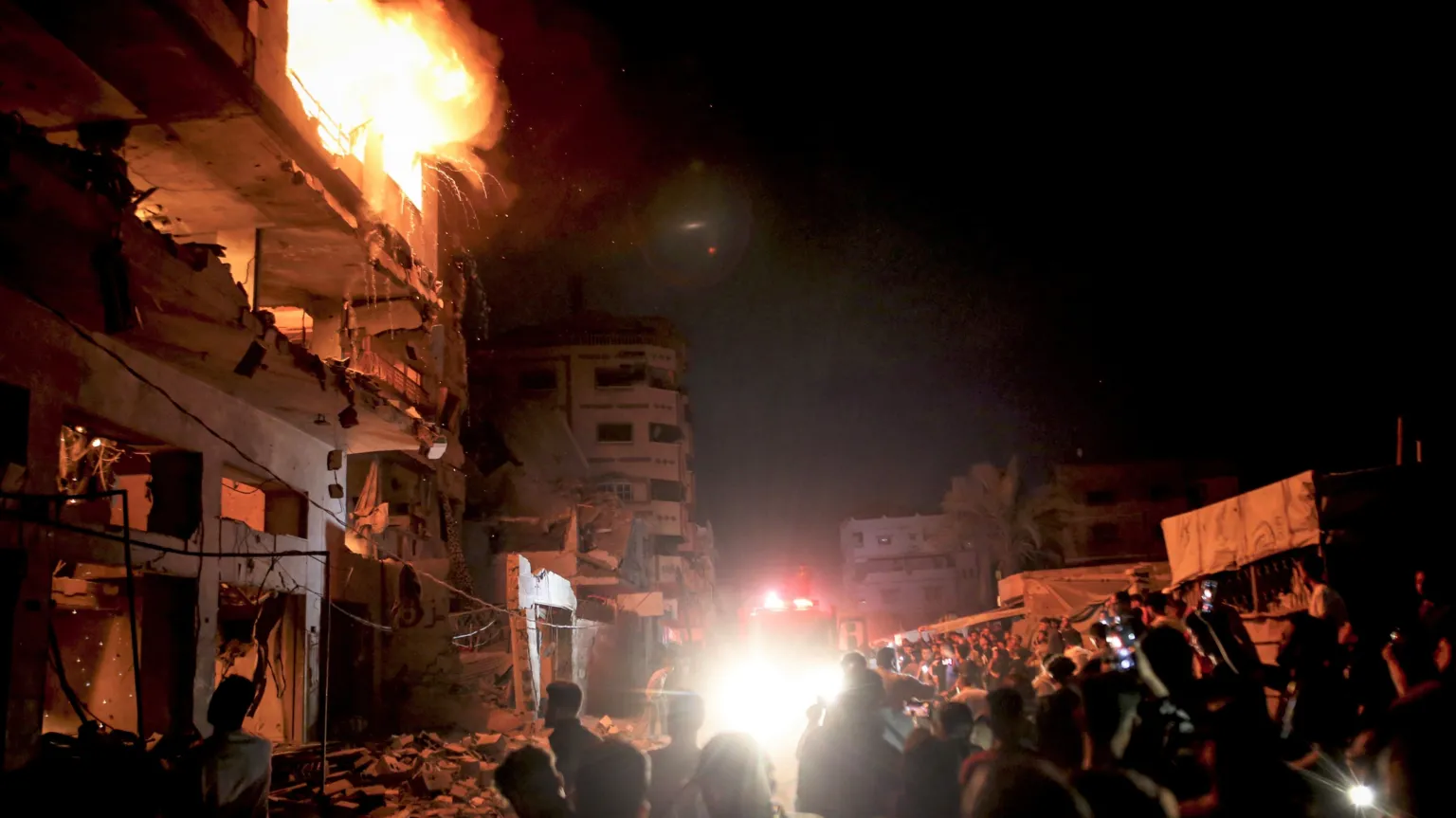
Israel continued its strikes in Lebanon, with its military claiming to have attacked a “loaded and ready-to-launch rocket launcher” overnight in Jouaiya, southern Lebanon. Recent days have seen a wave of protests across Lebanon, including in Beirut, opposing the prospect of direct negotiations between Israel and Lebanon. Al Jazeera’s Heidi Pett reported that while US pressure on Israel might have led to a temporary pause in Beirut, strikes in the south of the country have continued with significant intensity, meaning “the experience for residents living in the south has really not changed that much.” The Lebanese Ministry of Public Health reported at least 2,020 people killed and 6,436 wounded in Israeli attacks since March 2.
**In Israel**
Israel’s Channel 12 broadcaster reported that a drone launched from Lebanon triggered sirens in the Upper Galilee region before being intercepted.
#USIranConflict #IranWar #IslamabadTalks #Ceasefire #MiddleEastCrisis #Geopolitics #OilPrices #HumanitarianCrisis #LebanonStrikes #IsraelSecurity



Leave a Reply