


China has labelled the US naval blockade of Iranian ports “irresponsible and dangerous,” stating that the move would “undermine the already fragile ceasefire agreement” and further endanger the safety of ships navigating the Strait of Hormuz. This critical waterway was previously closed by Iran in response to US-Israeli strikes.
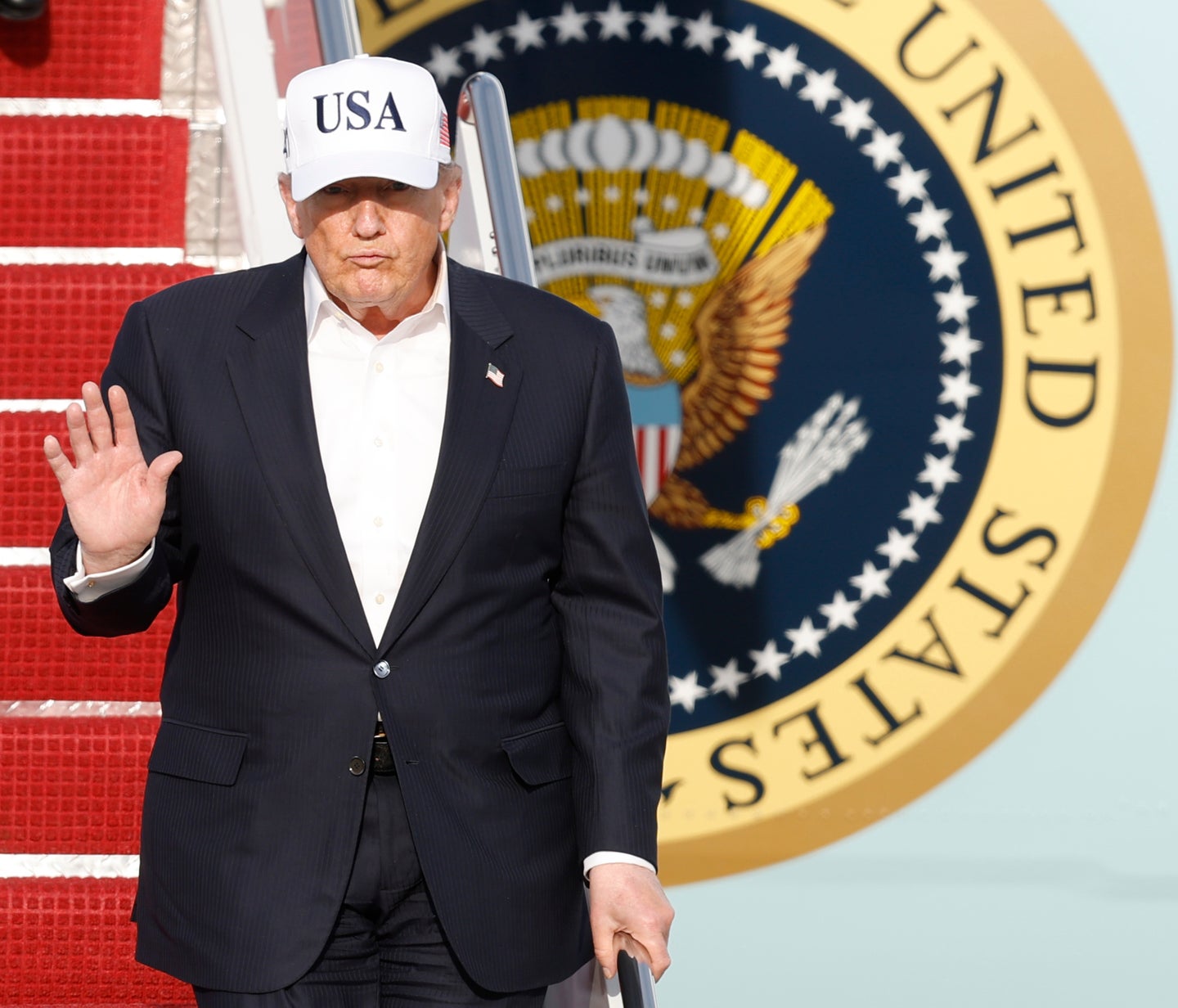
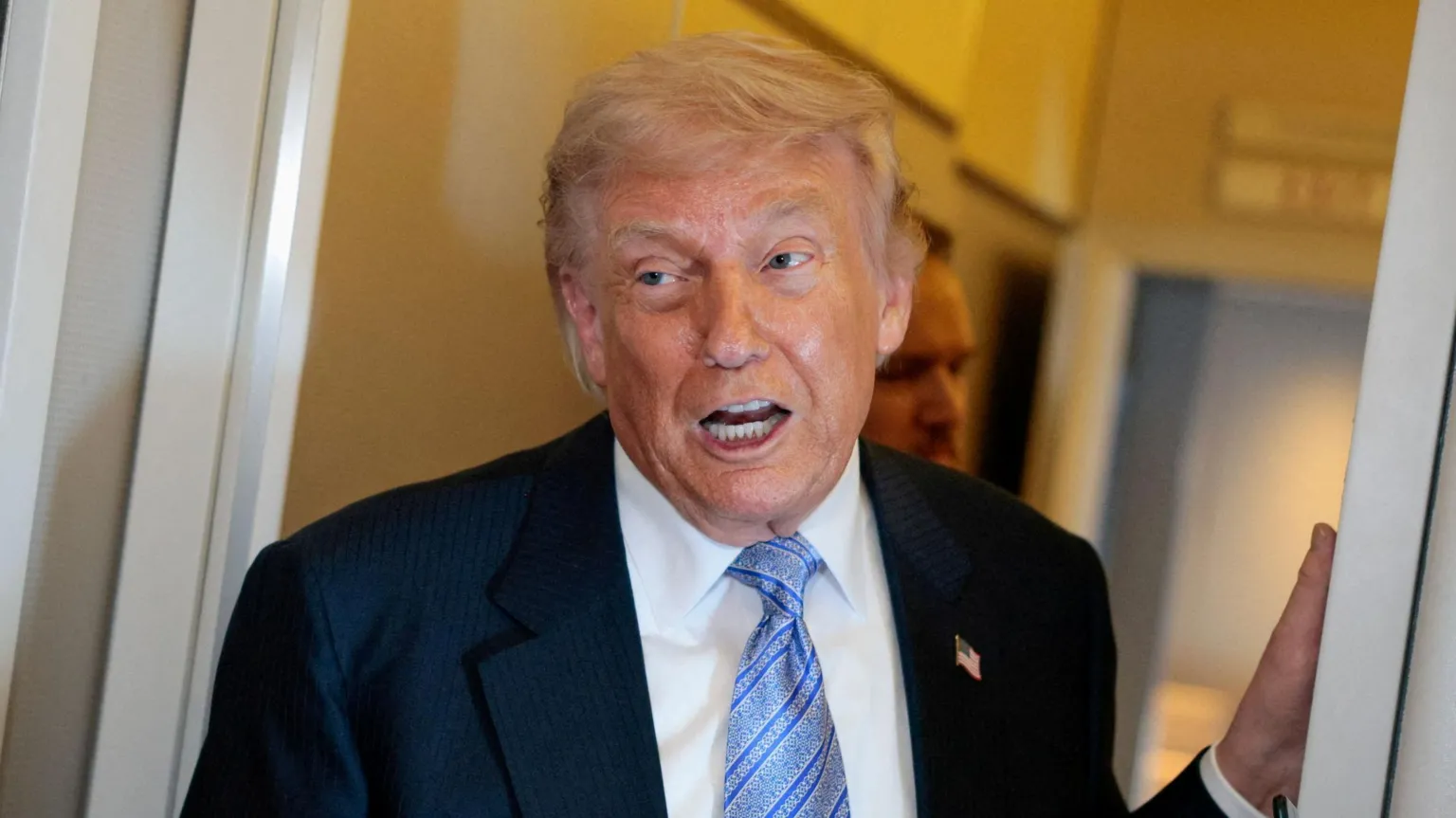
The blockade commenced on Monday, following the collapse of peace talks between the US and Iran in Pakistan. US President Donald Trump indicated the measure aims to compel Iran to abandon its nuclear ambitions. Analysts also suggest the blockade is intended to pressure China, Iran’s largest oil buyer, to encourage Tehran to reopen the strait.
Chinese vessels have, until now, been among the few able to traverse the strait, though it remains unclear if they paid a toll to Iran. The US blockade poses a potential threat to China’s oil supply, with significant economic repercussions.
China’s foreign ministry spokesman, Guo Jiakun, emphasized that “only by achieving a comprehensive ceasefire and ending the war can we fundamentally create conditions for easing the situation in the strait.” He urged all parties to adhere to ceasefire arrangements, prioritize dialogue and peace talks, and take practical steps to de-escalate regional tensions and restore normal traffic in the strait.
Guo also dismissed reports of China preparing to supply new air defence systems to Iran as “completely fabricated,” during a Tuesday news conference. Trump had previously threatened a 50% tariff on Chinese goods if military aid was provided to Tehran. Guo warned that if the US used this as a pretext for additional tariffs, China would “definitely take resolute countermeasures.”
This development follows US Vice-President JD Vance’s accusation of “economic terrorism” against Iran for its own blockade of the Strait of Hormuz, citing attacks and threats against vessels since last month. Vance stated, “If the Iranians are going to try to engage in economic terrorism, we’re going to abide by the simple principle that no Iranian ships are getting out, either.”
The US has clarified that its military will not obstruct ships using the strait for non-Iranian ports. Instead, it aims to blockade Iran’s Gulf ports by operating its navy in the Gulf of Oman and the Indian Ocean, avoiding close proximity to Iran’s coast. However, BBC Verify’s shipping data revealed at least four Iran-linked ships crossed the strait on Tuesday.
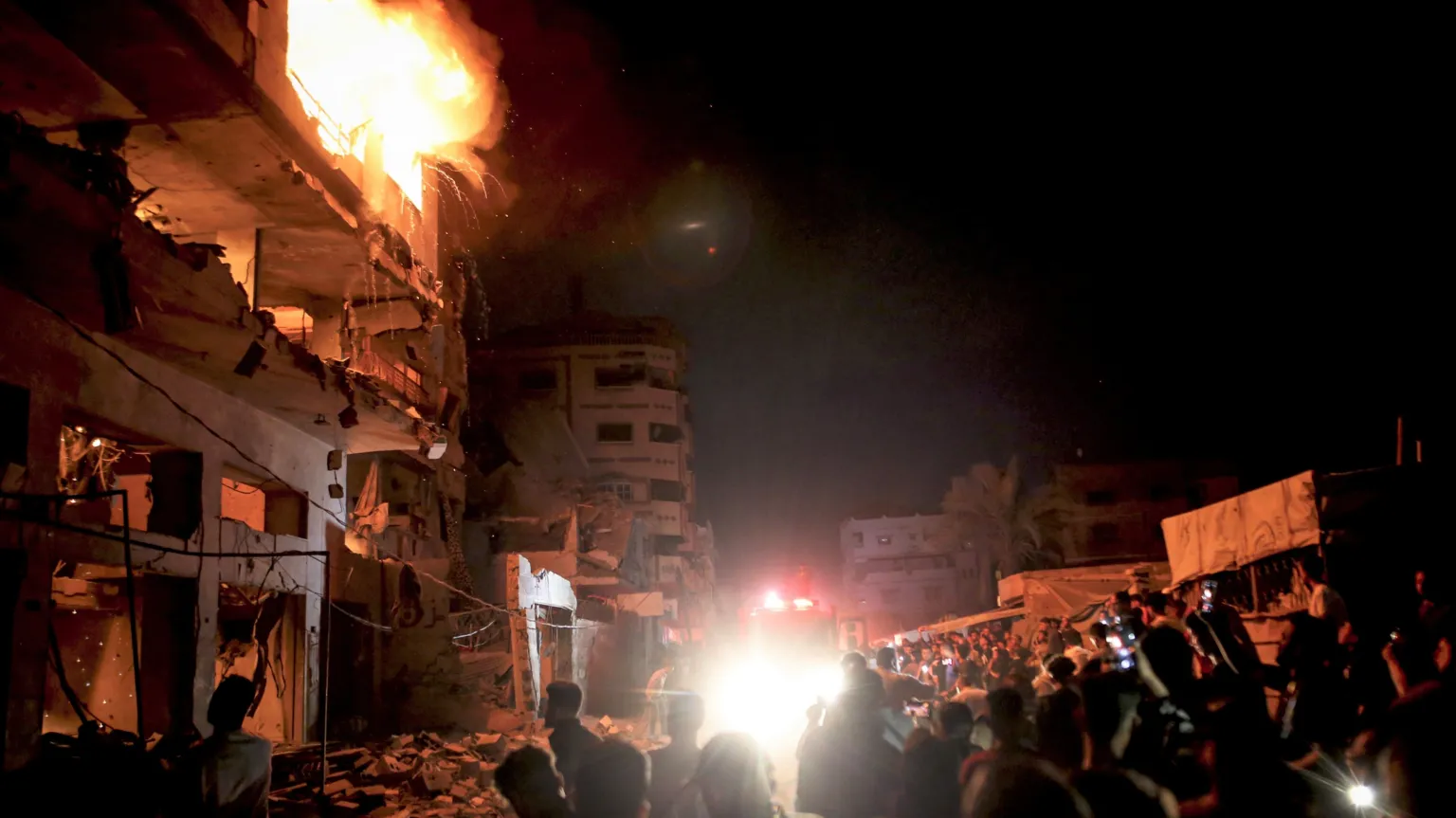
Meanwhile, oil prices dipped below $100 per barrel on Tuesday. A fragile ceasefire between the US and Iran, implemented on April 8, remains in effect. Key points of contention include the status of the Strait of Hormuz and Lebanon’s inclusion in the agreement. Israel maintains the truce applies only to Iran and has continued heavy strikes against Hezbollah, resulting in hundreds of casualties. Direct talks between Lebanese and Israeli officials are scheduled to take place in the US, marking the first such negotiations in decades.
#USIranTensions #StraitOfHormuz #ChinaDiplomacy #OilBlockade #Geopolitics #MiddleEastConflict #CeasefireAgreement #GlobalEconomy #NavalBlockade #InternationalRelations



Leave a Reply