


When UK Prime Minister Keir Starmer visited the Gulf this week, the message he aimed to convey was unambiguous: Britain was back, poised to assume a stabilising diplomatic role in a region teetering on the brink. Meetings were conducted, statements issued, and alliances seemingly reaffirmed. The entire diplomatic spectacle was meticulously choreographed.
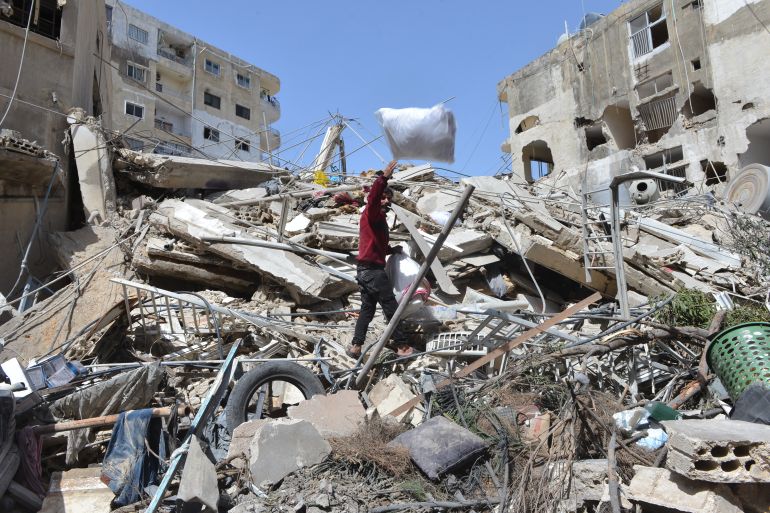
However, the unfolding reality painted a starkly different picture. As Starmer traversed Saudi Arabia, the UAE, Bahrain, and Qatar, the truly impactful decisions were being made elsewhere. The delicate ceasefire negotiations between the United States and Iran were taking shape in Washington and Tehran. Meanwhile, Israel continued its strikes on Lebanon, threatening to unravel the entire peace process. Regional powers were actively recalibrating their stances. Despite its physical presence, Britain was not orchestrating any of these critical developments.
This isn’t merely a temporary lapse; it’s the clearest indication yet of a protracted decline. The United Kingdom is no longer a decisive player in the Middle East. At best, it serves as a secondary voice in discussions primarily led by others. The British government maintains that this period calls for diplomacy, not military escalation. Starmer has carefully sought to distance the UK from direct involvement in the conflict, emphasizing adherence to legality, restraint, and the pursuit of long-term stability. On the surface, this approach appears measured, perhaps even prudent.
Yet, diplomacy devoid of influence is nothing more than a performance. The uncomfortable truth is that Britain isn’t being ignored by chance; it’s being bypassed because it no longer commands the authority it once did. The geopolitical centre of gravity has shifted. Washington, despite its inconsistencies, still largely dictates Western engagement. Regional powers, from Iran to the Gulf states, are increasingly assertive, shaping outcomes on their own terms. Even within Europe, other nations occasionally demonstrate greater clarity and purpose. Britain, in contrast, appears uncertain of its own role.
This erosion of influence wasn’t sudden. It has been a gradual, yet deliberate, process. The Iraq war severely damaged trust across the region, cementing a perception of Britain as a follower rather than a leader. Brexit further curtailed its diplomatic reach, diminishing its influence without a cohesive global strategy to compensate.
However, if there’s one issue that has unequivocally highlighted this decline, it is Gaza. Since the commencement of Israel’s war on Gaza—a conflict widely characterized by legal scholars, human rights organizations, and a growing segment of the international community as genocide—Britain has closely aligned itself with Israeli policy. Simultaneously, it has struggled to offer a meaningful response to the immense scale of destruction. It hesitated to advocate for a ceasefire even as civilian casualties soared. It maintained political and military support at crucial junctures when international pressure might have altered the conflict’s trajectory. As a humanitarian catastrophe unfolded, Britain’s voice remained cautious, conditional, and, to many in the region, complicit.
Credibility in the Middle East is not an abstract concept; it is earned—and lost—through concrete actions. A nation perceived as selectively applying international law cannot credibly position itself as a mediator. A government that preaches restraint while enabling excessive actions cannot expect to be trusted to de-escalate conflict.
This forms the backdrop against which Starmer’s visit took place. Critics had already warned that his trip risked appearing as diplomacy without substance—words without action. Amnesty International cautioned that without significant policy shifts, particularly concerning Israel, Britain’s calls for stability would carry little weight. Across the region, the UK is increasingly viewed not as an independent actor, but as a partisan one. These are not ideological criticisms; they reflect the current perception of Britain. And in diplomacy, perception often becomes reality.
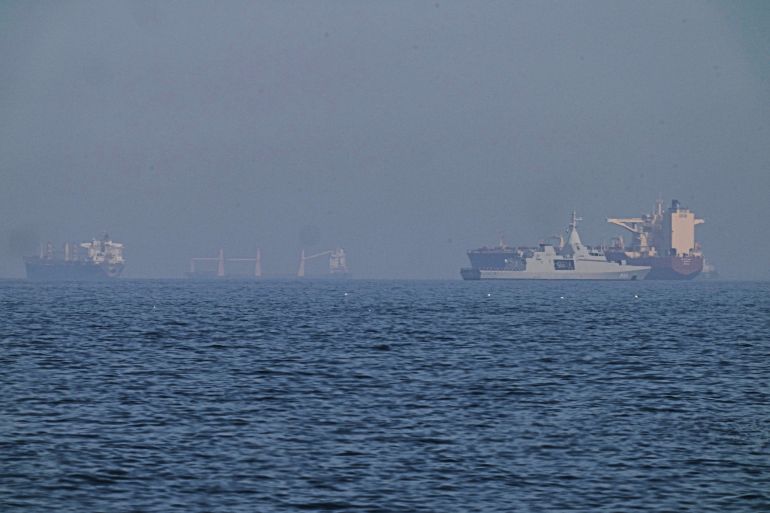
The events of the past week have underscored this reality with undeniable clarity. While Britain discusses securing shipping routes and supporting ceasefires, others are determining whether those ceasefires will actually hold. While Starmer advocates for de-escalation, Israel escalates. While the UK attempts to position itself as a bridge, it is increasingly absent from the vital conversations occurring on both sides.
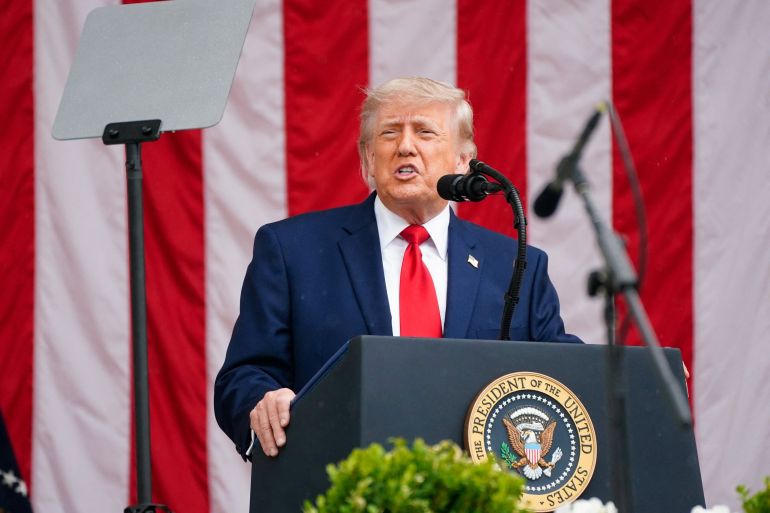
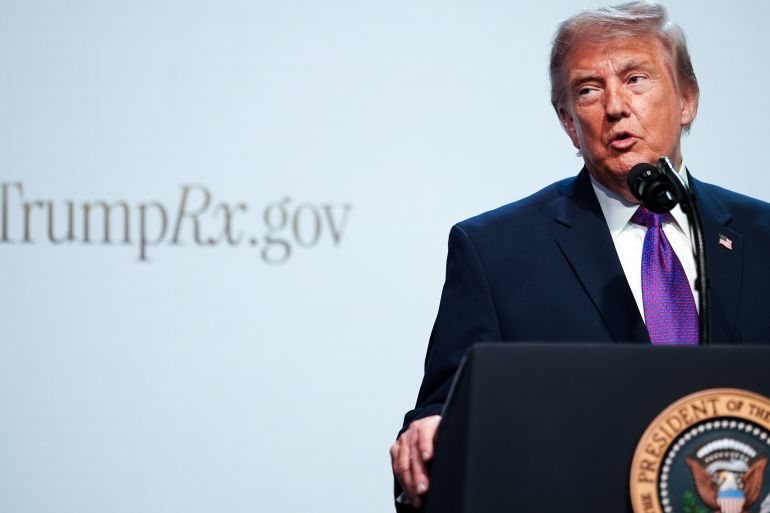
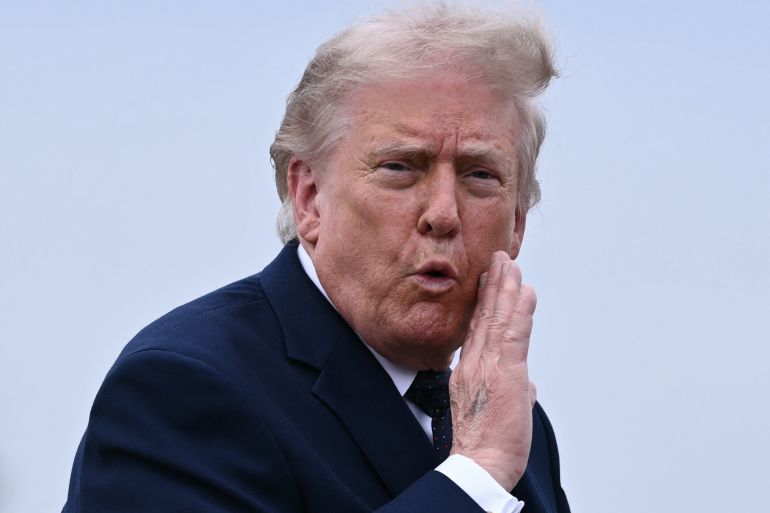
Even its closest ally seems to view it differently. The United States, particularly under Donald Trump, has not only sidelined Britain but openly derided its hesitation. Such public dismissal, once inconceivable, now passes almost without surprise.
Starmer’s strategy appears to hinge on the belief that a more serious, professional tone can restore Britain’s standing, suggesting that competence can compensate for a lack of influence. But diplomacy is not merely about branding or image. It cannot be rebuilt through posturing alone. It demands consistency, independence, and a willingness to take principled positions that carry real consequences. Britain has failed to do this. Instead, it has attempted to balance alignment with relevance, ultimately achieving neither.
A profound shift is underway. The Middle East is no longer a region where Western powers can assume a central role. Regional actors are asserting their autonomy, forging new alliances, and increasingly bypassing traditional intermediaries. In this evolving landscape, relevance is not inherited; it must be earned. Britain has yet to adapt to this new reality. For now, Starmer’s visit serves as a revealing moment—not for what it accomplished, but for what it exposed. A country that once claimed a pivotal role now finds itself navigating the periphery, speaking into a conversation no longer shaped by its voice.
Britain did not lose its place in the Middle East overnight. It gradually, deliberately, traded it for alignment, silence, and convenience. And now, when it attempts to speak, it discovers that no one is listening.
#UKDiplomacy #MiddleEast #KeirStarmer #BritishInfluence #Geopolitics #GazaConflict #InternationalRelations #ForeignPolicy #DeclineOfBritain #RegionalPowers


Leave a Reply