


The International Monetary Fund (IMF) has projected that the United Kingdom will experience the most significant economic impact among advanced economies due to the energy shock stemming from the Iran war.
In its latest World Economic Outlook, the IMF revised down its forecast for UK growth this year to 0.8%, a notable drop from the 1.3% prediction made in January before the conflict escalated. The Fund attributed this downgrade to the ongoing war, fewer anticipated interest rate cuts, and the expectation that elevated energy prices will persist into the next year.
The IMF also issued a warning that the conflict threatens to derail the global economy, with a prolonged war risking a worldwide recession. It advised central banks to exercise caution regarding interest rate increases aimed at countering higher inflation.
The UK’s half-percentage-point downgrade is the largest among advanced economies, positioning the UK for middling growth compared to its peers this year. This assessment aligns with the Organisation for Economic Co-operation and Development (OECD), which similarly predicted last month that the UK would face the biggest hit to economic growth among G20 major economies from the Iran war. The IMF highlighted the UK’s vulnerability as a net energy importer to rapid increases in energy prices.
Despite the immediate challenges, the IMF anticipates the UK will recover next year, potentially becoming the fastest-growing European economy within the G7 group, albeit at a slightly slower rate of 1.3%. The government has set a key target to achieve the fastest growth in the G7 by the end of the current parliamentary term.
Furthermore, the UK is projected to have the joint-highest inflation in the G7 this year at 3.2%, and next year at 2.4%. The IMF expects UK inflation to temporarily climb towards 4% this year before returning to the Bank of England’s 2% target by the end of 2027, as the effects of higher energy prices diminish and a weakening job market moderates wage growth.
Responding to the IMF’s forecast, Chancellor Rachel Reeves acknowledged the costs of the Iran war for the UK, stating the government entered the conflict from a stronger economic position. However, US Treasury Secretary Scott Bessent suggested that a “small bit of economic pain” was a worthwhile trade-off for the security of eliminating the risk of Iran deploying nuclear weapons, prioritizing long-term security over short-term forecasts.
The BBC has previously reported that the threat of Iranian ballistic missiles to London is remote. A government spokesperson affirmed that there was “no assessment” of Iran targeting Europe with missiles and reiterated the UK’s military capability to defend against any attacks.
Shadow Chancellor Sir Mel Stride criticized Reeves, attributing the IMF’s downgrade to her policies, including increases to employers’ National Insurance and business rates. He claimed her economic plan had resulted in the highest G7 inflation, business closures, and a soaring cost of living.
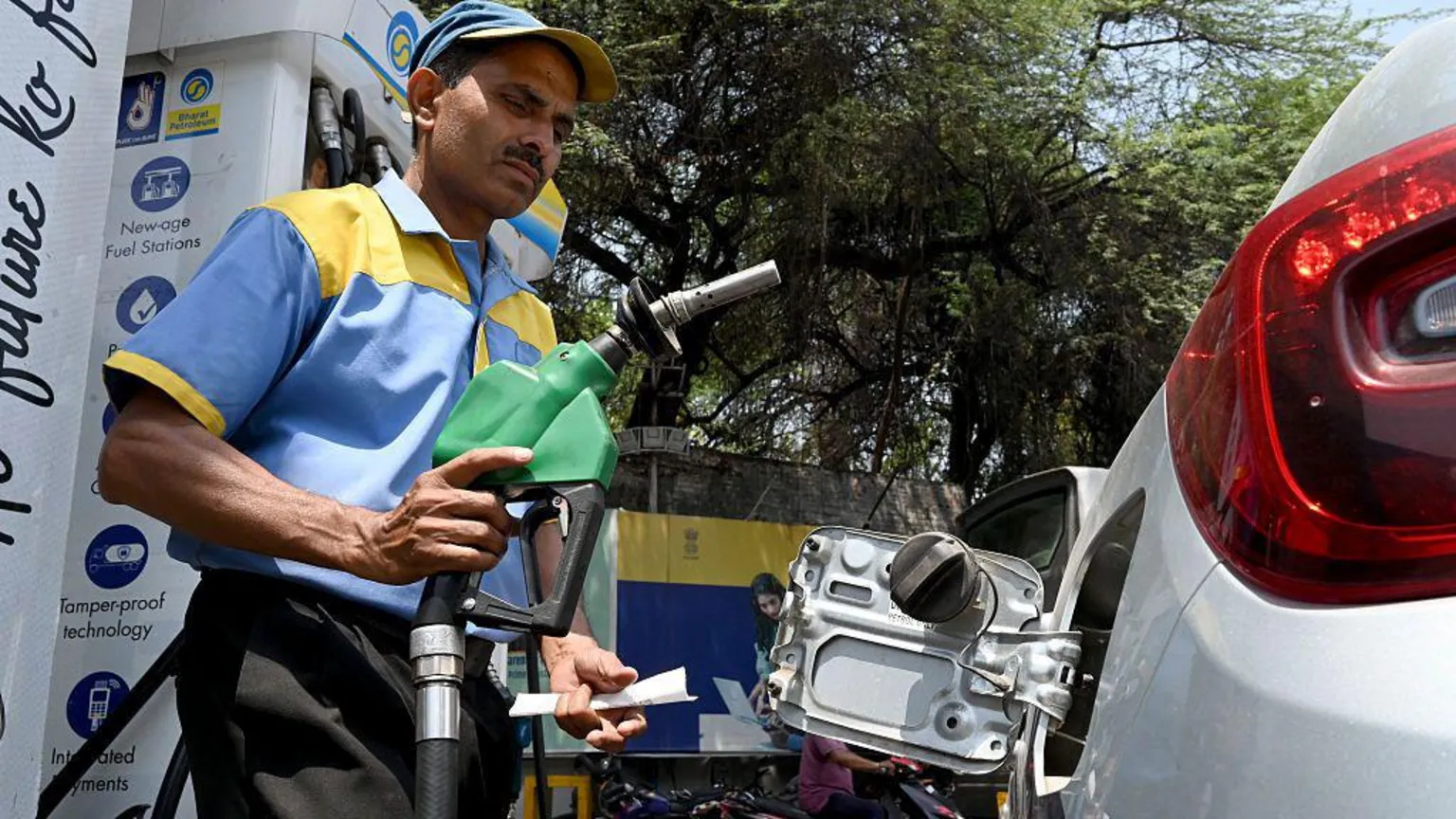
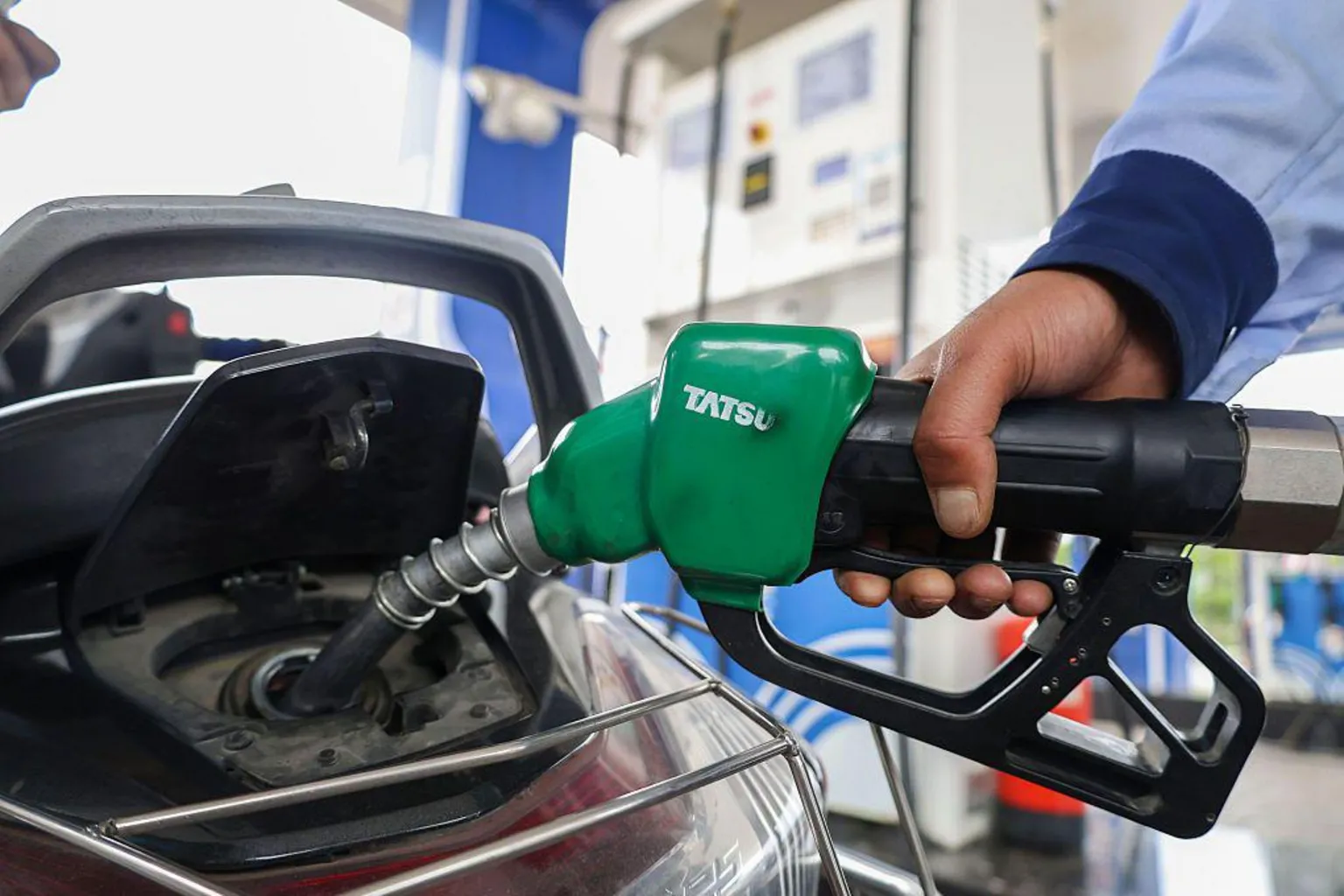
Calls have been made for the UK government to intervene with measures like cutting fuel duty to alleviate pump prices. However, IMF chief economist Pierre-Olivier Gourinchas cautioned countries, including the UK, against introducing extensive assistance programs, citing the UK’s reduced fiscal flexibility due to the war. He advised that any support measures should remain within existing government spending limits.
UK inflation stood at 3% in February, exceeding the Bank of England’s target, leading some analysts to believe the Bank might raise interest rates later this year. Conversely, the IMF’s outlook warned central banks against premature rate hikes, suggesting such actions could lead to a recession.
The IMF’s forecast carries a significant degree of caution, contingent on a relatively swift resolution to the conflict by the second half of the year. Prior to the war, the Fund had expected to upgrade global economic prospects due to factors like lower US trade tariffs and increased international trade among other nations. Now, the IMF states, “the global economy is threatened with being thrown off course.”
Economies in several Gulf nations, including Iran, Iraq, Qatar, and Bahrain, are anticipated to contract this year. In more severe scenarios, with oil prices averaging $110-$125 a barrel next year and continued rises in energy prices and interest rates, a global recession would be a “close call.”
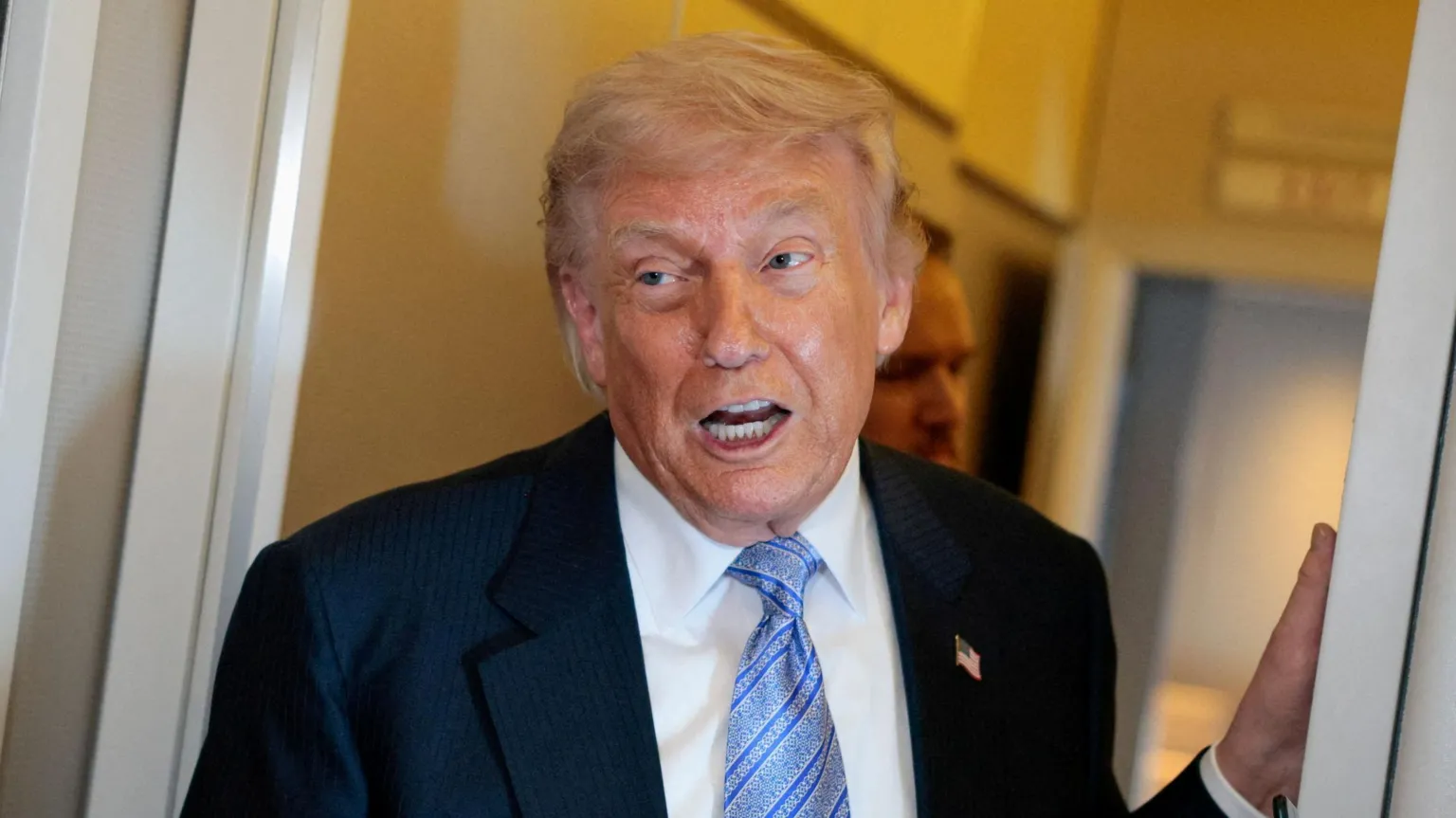
Political figures also weighed in, with Liberal Democrat Treasury spokesperson Daisy Cooper calling the downgrade an “indictment of Trump’s idiotic war” and criticizing the lack of a plan to protect people. SNP Westminster leader Stephen Flynn argued that Scottish families were paying the price for Labour’s economic failures, while a Plaid Cymru spokesperson emphasized the need for more investment in renewables and a diversified energy mix.
#UKEconomy #IMFForecast #IranWarImpact #GlobalEconomy #EnergyShock #Inflation #InterestRates #EconomicGrowth #G7 #UKPolitics



Leave a Reply