


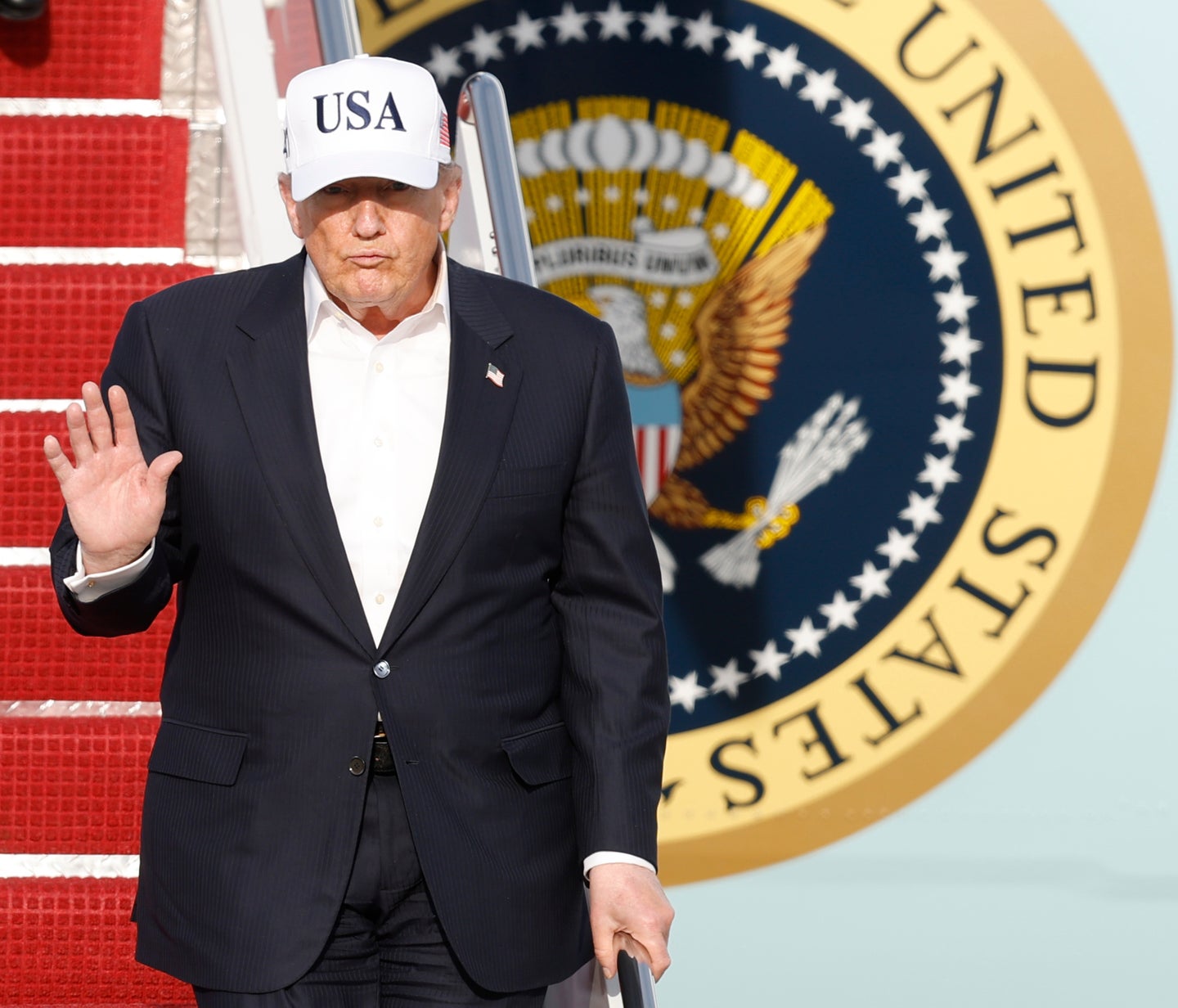
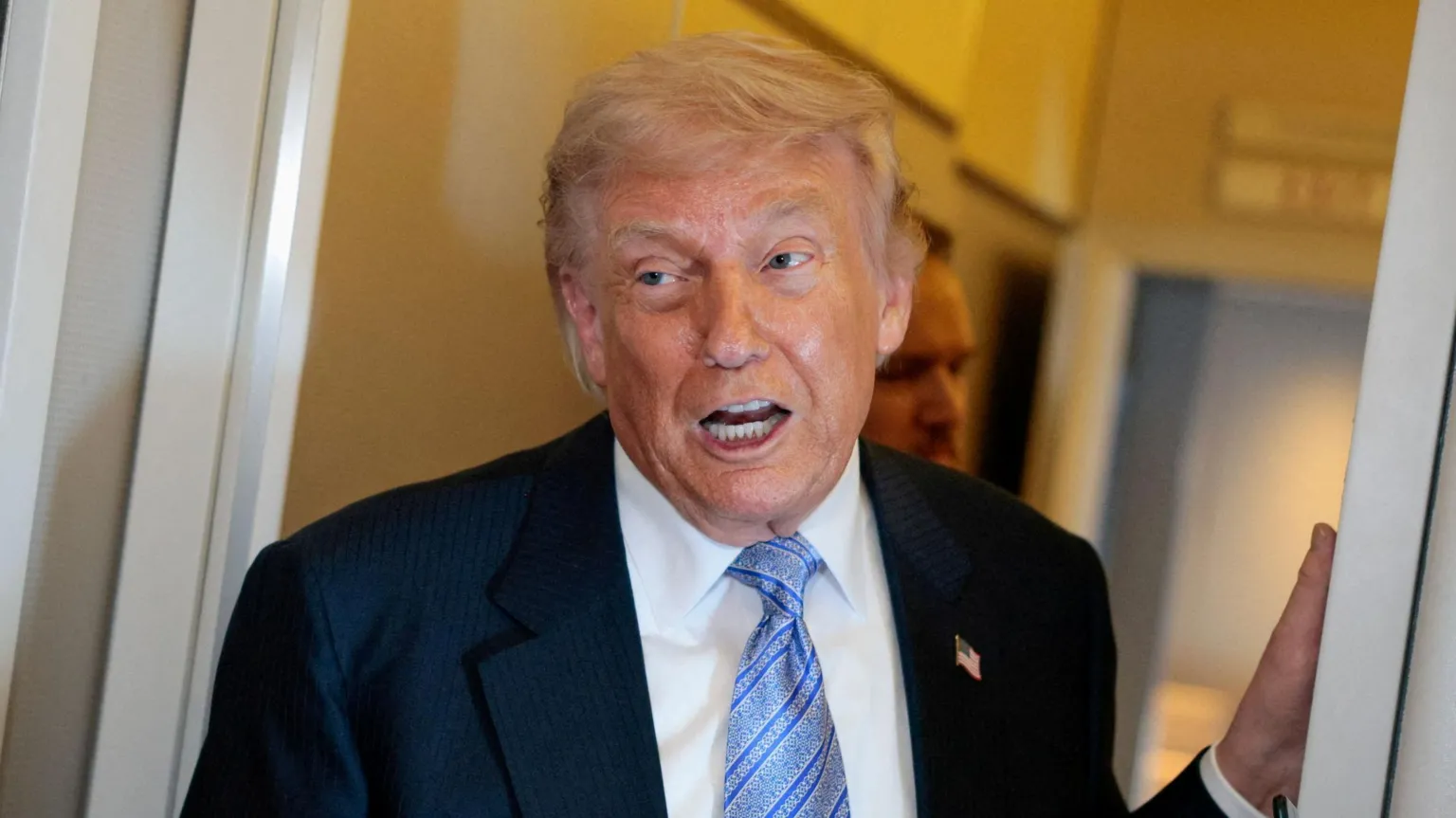
Global oil prices surged in Monday morning trade in Asia after President Donald Trump announced the US had intercepted and seized an Iran-flagged cargo ship. This development followed Iran’s statement on Saturday that it was re-closing the Strait of Hormuz waterway to commercial vessels, warning that any approaching ship would be targeted. Brent crude futures saw a 4.74% increase, reaching $94.66 (£70.11) a barrel, while West Texas Intermediate climbed 5.6% to $88.55.
Market Volatility Amid Geopolitical Tensions
Energy markets have experienced significant volatility since the US and Israel engaged Iran on February 28, prompting Tehran to threaten shipping in the Strait of Hormuz. Approximately 20% of the world’s oil and liquefied natural gas (LNG) transits through this vital waterway. Amidst these tensions, President Trump announced that US representatives would be in Pakistan on Monday for negotiations, with Vice-President JD Vance leading the delegation. However, Iran’s state media indicated Tehran had “no plans for now to participate” in these talks, though official clarification from Iranian authorities is still pending. Saul Kavonic, an analyst from MST Marquee, noted to the BBC that “Oil markets continue to gyrate in response to oscillating social media posts by the US and Iran, rather than the realities on the ground which remain challenging for oil flows to resume in a rapid fashion,” adding that this situation is “all part of negotiations, physically playing out in real time on the Strait of Hormuz.” The Strait of Hormuz remained closed on Sunday, following the Islamic Revolution Guard Corps (IRGC)’s declaration that it was ending a temporary reopening due to the US blockade, which it deemed a violation of their ceasefire agreement. Iran affirmed its stance that the Strait would remain closed until the US lifts its naval blockade, a measure President Trump had stated would continue until a deal between the two countries was reached.
The Strategic Significance of the Strait of Hormuz
The Strait of Hormuz, a narrow waterway situated between Iran, the United Arab Emirates (UAE), and Oman, is a critical global shipping route. At its narrowest, it spans approximately 21 miles (33 km), connecting the Persian Gulf to the Gulf of Oman. This conduit is essential, as it typically facilitates the passage of about 20% of the world’s oil and liquefied natural gas. The oil transported through this strait originates not only from Iran but also from major Gulf states including Iraq, Kuwait, Qatar, Saudi Arabia, and the UAE. In 2025, an estimated 20 million barrels of oil per day traversed this waterway, representing nearly $600 billion (£447 billion) in annual energy trade, according to the US Energy Information Administration (EIA). Since the conflict began, sea traffic has seen a notable reduction.
Global Energy Crisis and Regional Impact
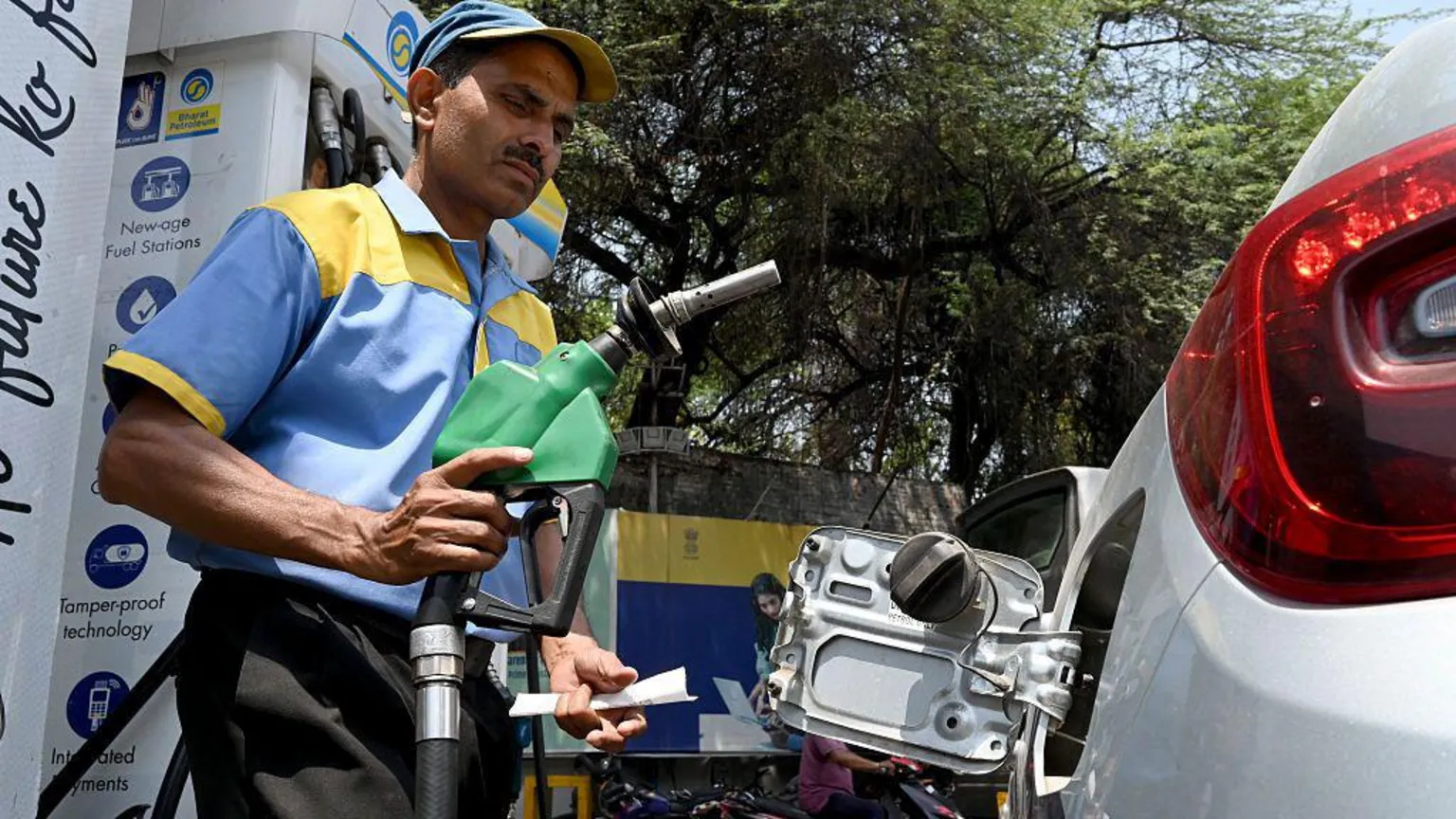
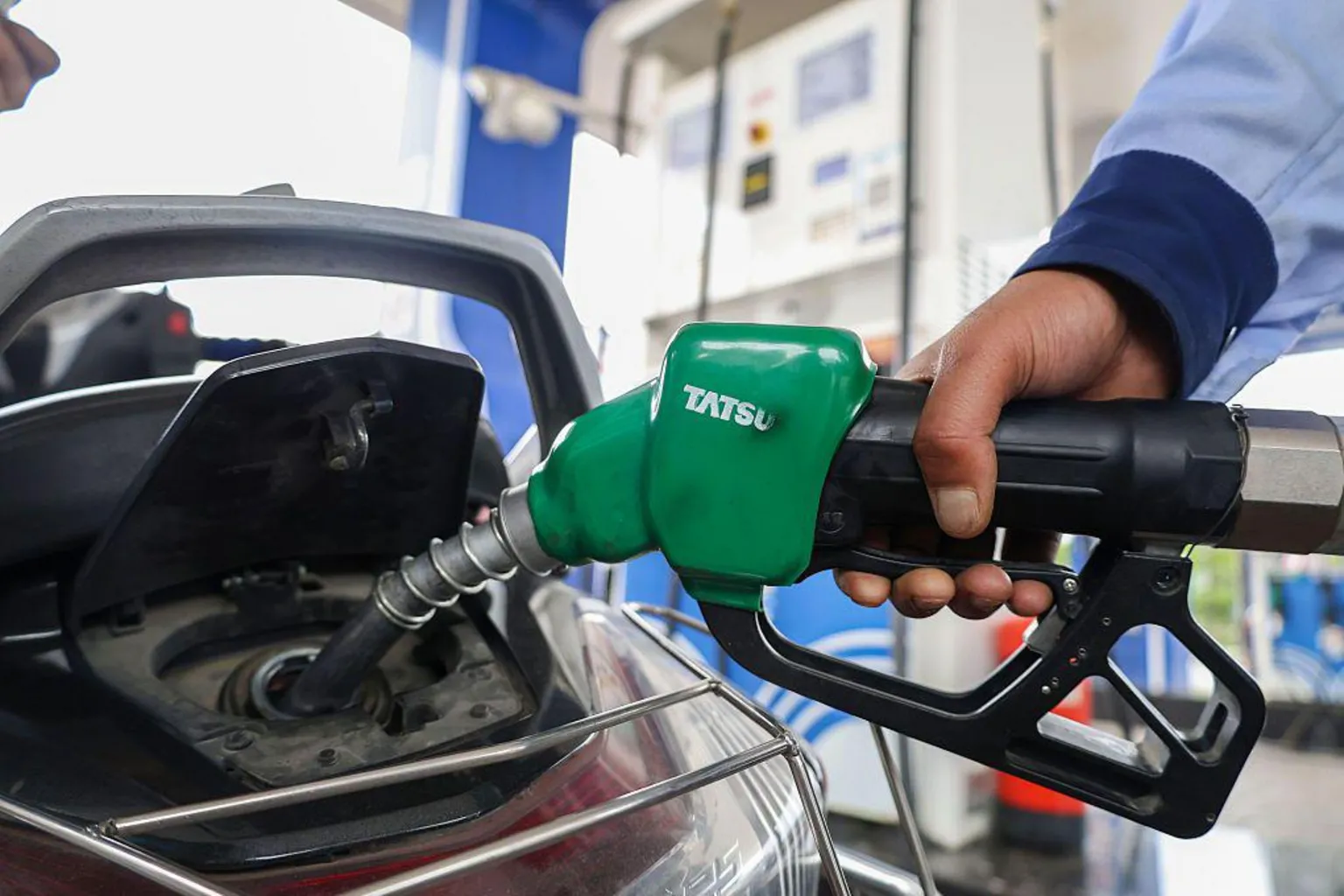
The ongoing conflict has led to volatile energy trading and a global energy crisis. Brent crude, which traded under $70 per barrel before the conflict, surged to almost $120 on March 9. Futures contracts, which are agreements to buy or sell assets at a set price on a future date, indicate June delivery for crude oil. This crisis has resulted in sharply rising prices and fuel shortages in several nations. Asia has been particularly affected, as approximately 90% of its energy needs depend on shipments through the Strait of Hormuz. In response, governments have implemented various conservation measures, including mandating remote work, shortening workweeks, declaring national holidays, and closing universities early. Countries like Singapore and Thailand have urged citizens to reduce air conditioning use. Even China, with reserves estimated to cover three months of imports, is adjusting by limiting fuel price hikes despite a 20% increase for consumers. Airlines regionally are implementing measures to cope with escalating jet fuel costs. Last week, Fatih Birol, head of the International Energy Agency (IEA), warned that Europe might have “maybe six weeks of jet fuel left,” suggesting potential flight cancellations if supply blockades persist. In contrast, the UK saw a slight easing in petrol and diesel prices late last week after previous increases.
#OilPrices #StraitOfHormuz #EnergyCrisis #Geopolitics #Iran #USRelations #CrudeOil #GlobalEconomy #Shipping #MiddleEast



Leave a Reply