

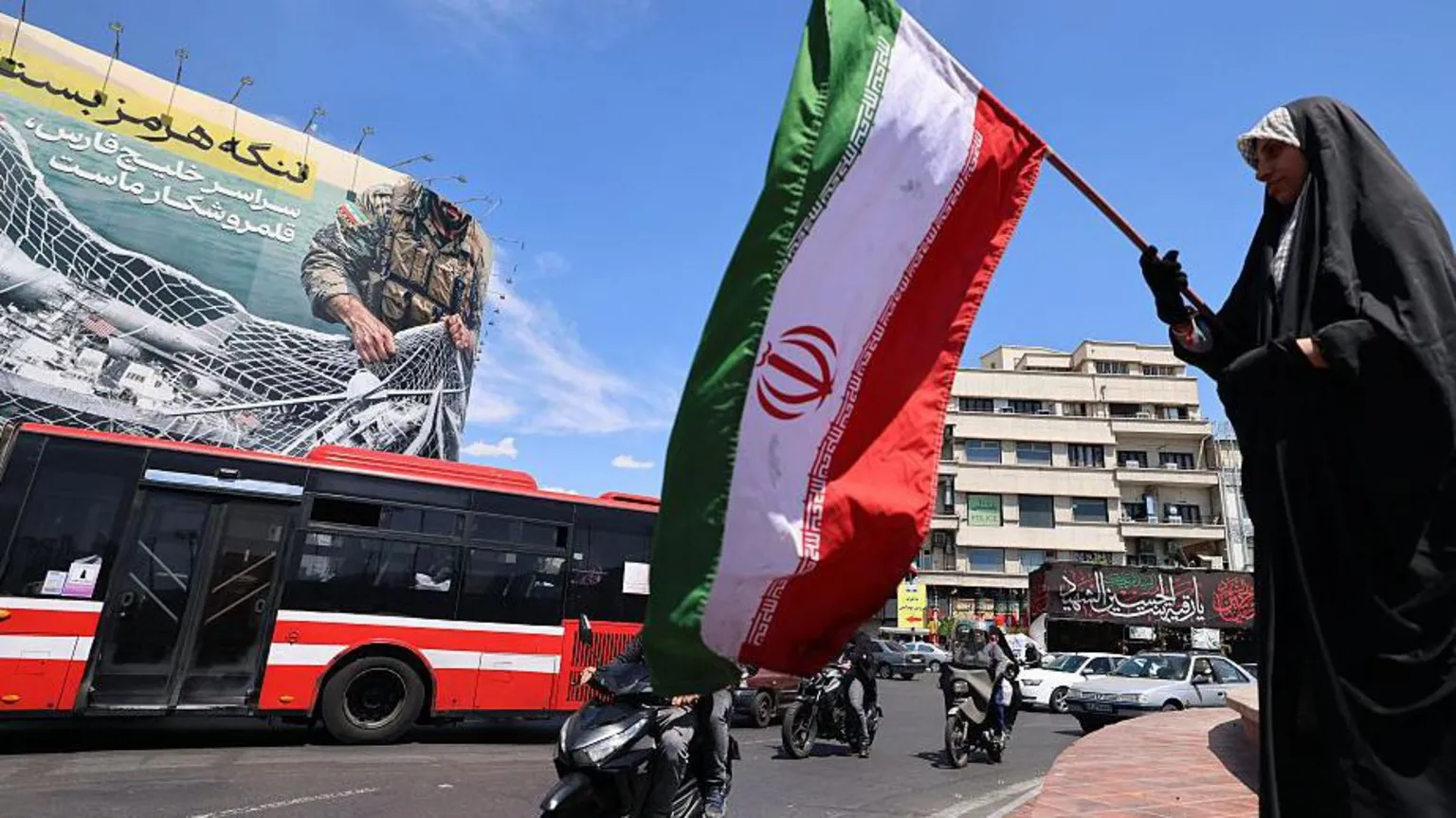
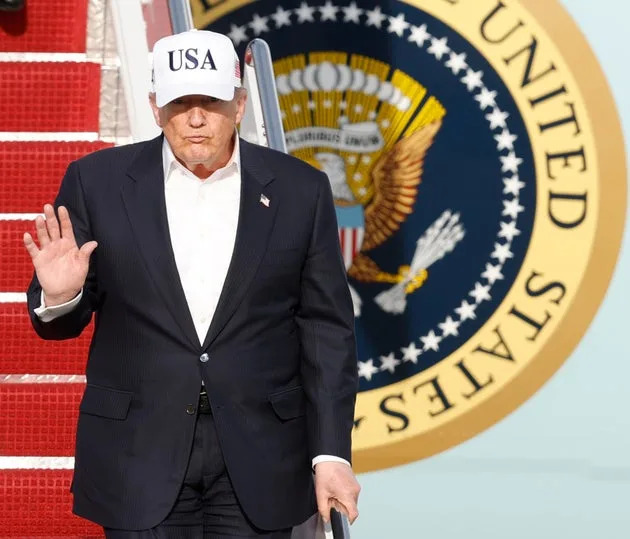
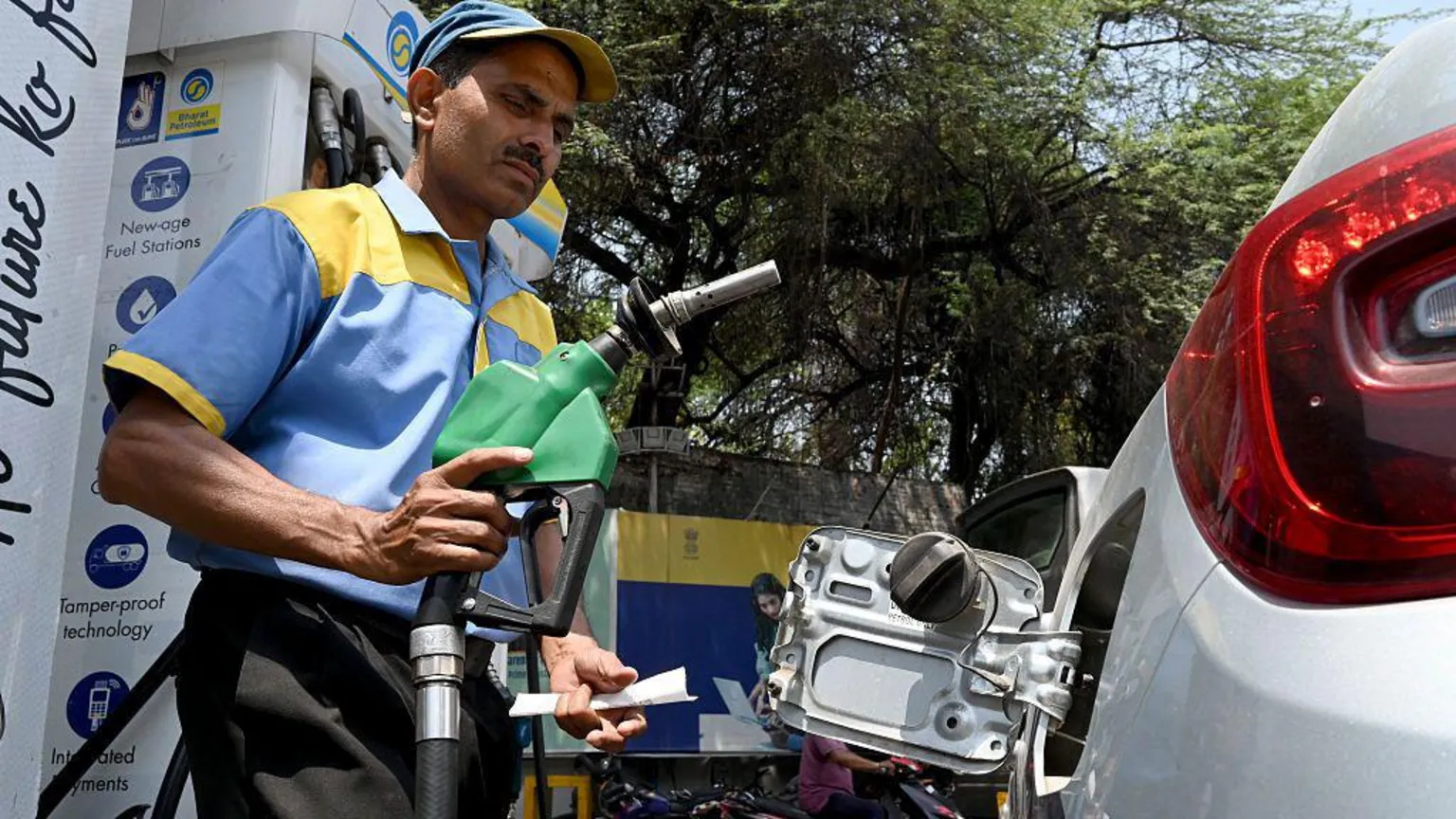
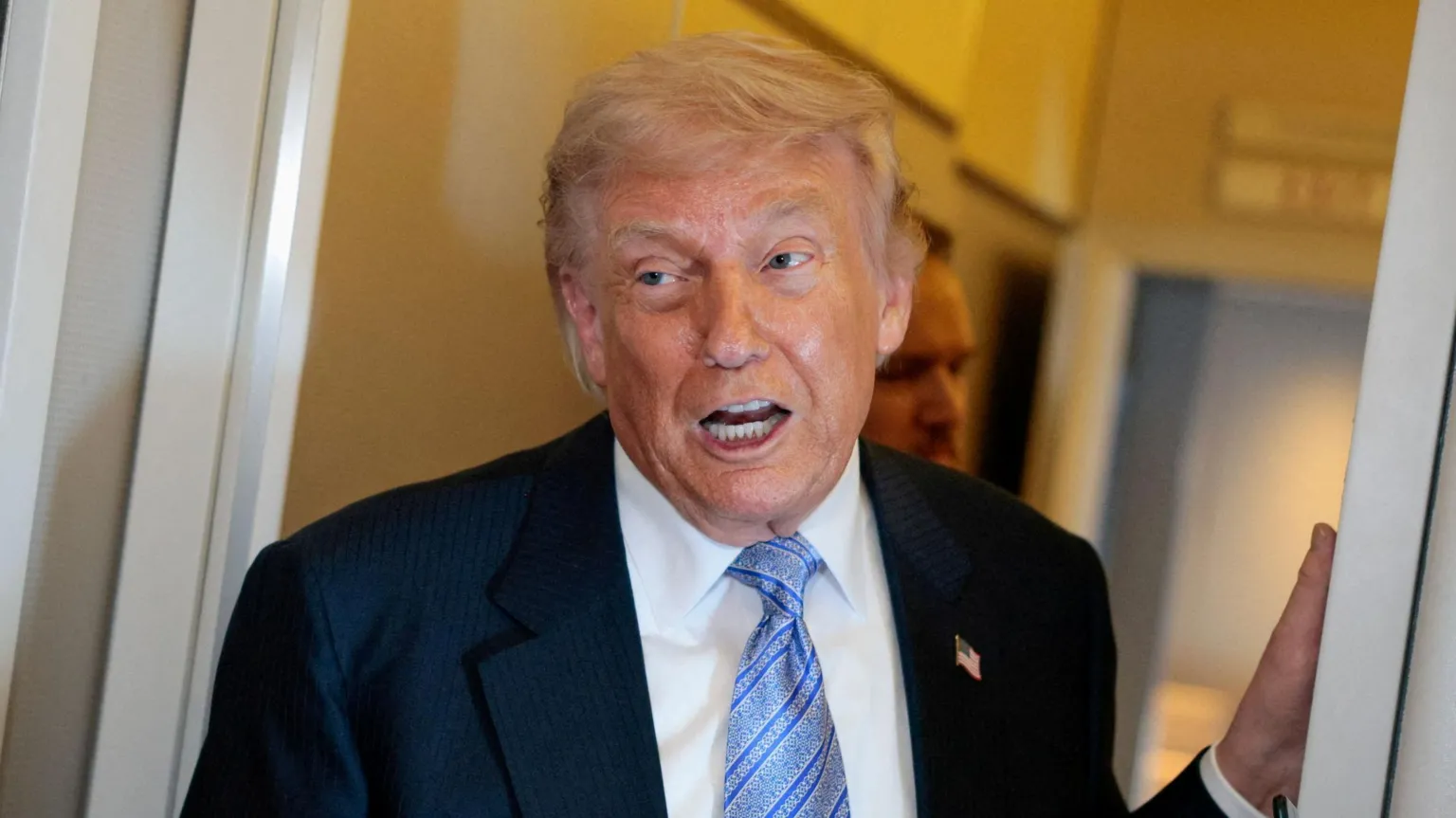
Following the failure of a diplomatic team, led by US Vice-President JD Vance, to secure a negotiated agreement to end the conflict with Iran on Saturday, President Donald Trump was compelled to determine his subsequent course of action. This decision manifested on Sunday morning through a series of posts on Truth Social. Trump announced that the US would implement a naval blockade against Iran, stating, “No one who pays an illegal toll will have safe passage on the high seas.” He further indicated that the US would persist in clearing mines from the Strait of Hormuz to guarantee safe passage for allied vessels. Trump added that the US military was “locked and loaded” and ready to recommence attacks against Iran at an “appropriate moment.” Despite acknowledging progress in the 20-hour negotiations held in Islamabad, he asserted that Iran refused to meet the US demand to abandon its nuclear ambitions. This perspective was somewhat contradicted by a US official familiar with Vance’s negotiations, who detailed a considerably longer list of unresolved issues, including Iran’s control over Hormuz and its backing of regional proxies such as the Houthi rebels in Yemen and Hezbollah in Lebanon. While Trump’s recent posts lacked the apocalyptic rhetoric of last week’s threat to end Iranian civilization, they introduce several new challenges and risks for the American side. Questions arise: Will mine-clearing operations expose American naval vessels to increased risk of Iranian attacks? How will the US identify ships that have paid Iran a toll? Will force be used against foreign-flagged vessels that disregard the blockade? How will nations reliant on Iranian oil, such as China, react? And will this measure, aimed at cutting off Iran’s main revenue source, push oil prices even higher? Clear answers to these questions remain elusive. Later on Sunday, the US military’s Central Command announced that the naval blockade would halt all ships traveling to or from Iranian ports, a condition differing from Trump’s initial proposal. Senator Mark Warner of Virginia, the ranking Democrat on the Senate Intelligence Committee, expressed his confusion to CNN on Sunday, stating, “I don’t understand how blockading the strait is going to somehow push the Iranians into opening it.” Conversely, on CBS’ “Face the Nation,” Republican Congressman Mike Turner of Ohio, former chair of the House Intelligence Committee, argued that the blockade served as a means to compel a resolution to the situation in Hormuz. “The president, by saying we’re not just going to let them decide who gets through, is certainly calling all of our allies and everyone to the table,” he remarked, adding, “This needs to be addressed.” The previous week, prior to Iran and the US agreeing to a two-week ceasefire and direct negotiations, Trump had found himself in a precarious position. He faced the choice of escalating US attacks on Iran, potentially causing long-term damage to the nation’s civilian infrastructure, exacerbating a humanitarian crisis, and further destabilizing the global economy. Alternatively, he could withdraw from a conflict that has consistently been unpopular with the American public and was beginning to alienate some of his own supporters, who had believed his pledges to avoid prolonged foreign conflicts and Middle East entanglements. A recent CBS poll indicates that a majority of Americans (59%) perceive the war as progressing somewhat or very poorly for the US. Many believe that key US objectives—such as maintaining open access to the Strait of Hormuz, ensuring greater freedom for the Iranian people, and permanently ending Iran’s nuclear program—remain unfulfilled. Overwhelming bipartisan majorities consider the achievement of these goals crucial for the US. Nearly a week later, despite American claims of victory, the fundamental predicaments confronting the president remain unaltered. On Sunday morning, Trump informed Fox News that Iran would eventually concede “everything” the US desires. He also asserted that while oil prices might remain stable or increase in the coming months, he was confident the US economy would endure. This, to say the least, represents a significant gamble. With November’s midterm elections approaching, the President’s Republican Party could face severe repercussions at the polls if his predictions prove incorrect. On Saturday night, while his Vice-President engaged in negotiations with the Iranians in Pakistan, Trump traveled to Miami to observe prize fighters competing in UFC cage matches. According to members of the attending press pool, it was a bizarre spectacle. The President of the United States witnessed violent contests in a blood-spattered ring, conversed with celebrities, and at times engaged in intense discussions with Secretary of State Marco Rubio and other advisors, all in full view of thousands of attendees. Ultimate fighting cage matches, despite their ferocity, adhere to established rules and time limits, concluding with a clear winner and loser. This stands in stark contrast to the Iran conflict, which may never offer such clarity as it extends into its second month, with the current two-week ceasefire seemingly on the brink of collapse. The conflict has evolved into a test of wills: Iran’s capacity to withstand ongoing US and Israeli attacks against Trump’s tolerance for the economic and political fallout generated by the war. Ultimately, all parties involved in this struggle may find themselves diminished.
#Trump #Iran #NavalBlockade #StraitOfHormuz #MiddleEastConflict #USDiplomacy #OilPrices #Geopolitics #InternationalRelations #WarAndPeace



Leave a Reply