

Iran has still not decided whether it will attend a new round of peace talks with the US later this week, its foreign ministry has told the BBC.
Iran’s Stance on Negotiations
Spokesman Esmail Baghaei, who was part of Iran’s delegation to the first round of Islamabad talks, stated that they had entered the negotiations “with good faith and sense of seriousness.” However, he criticized the negotiating party, saying it “has shown its lack of seriousness, lack of good faith.” He added that the US was “changing their position frequently.”
Baghaei pointed to “flip flops, threats of war crimes,” referencing President Trump’s recent social media posts and interviews where he again threatened to “knock out every single power plant, and every single bridge” if Iran did not accept what he called the US’s offer of a “very fair and reasonable deal.”
The two-week ceasefire, which includes Israel, is set to expire on Wednesday.
Mediation Efforts Underway
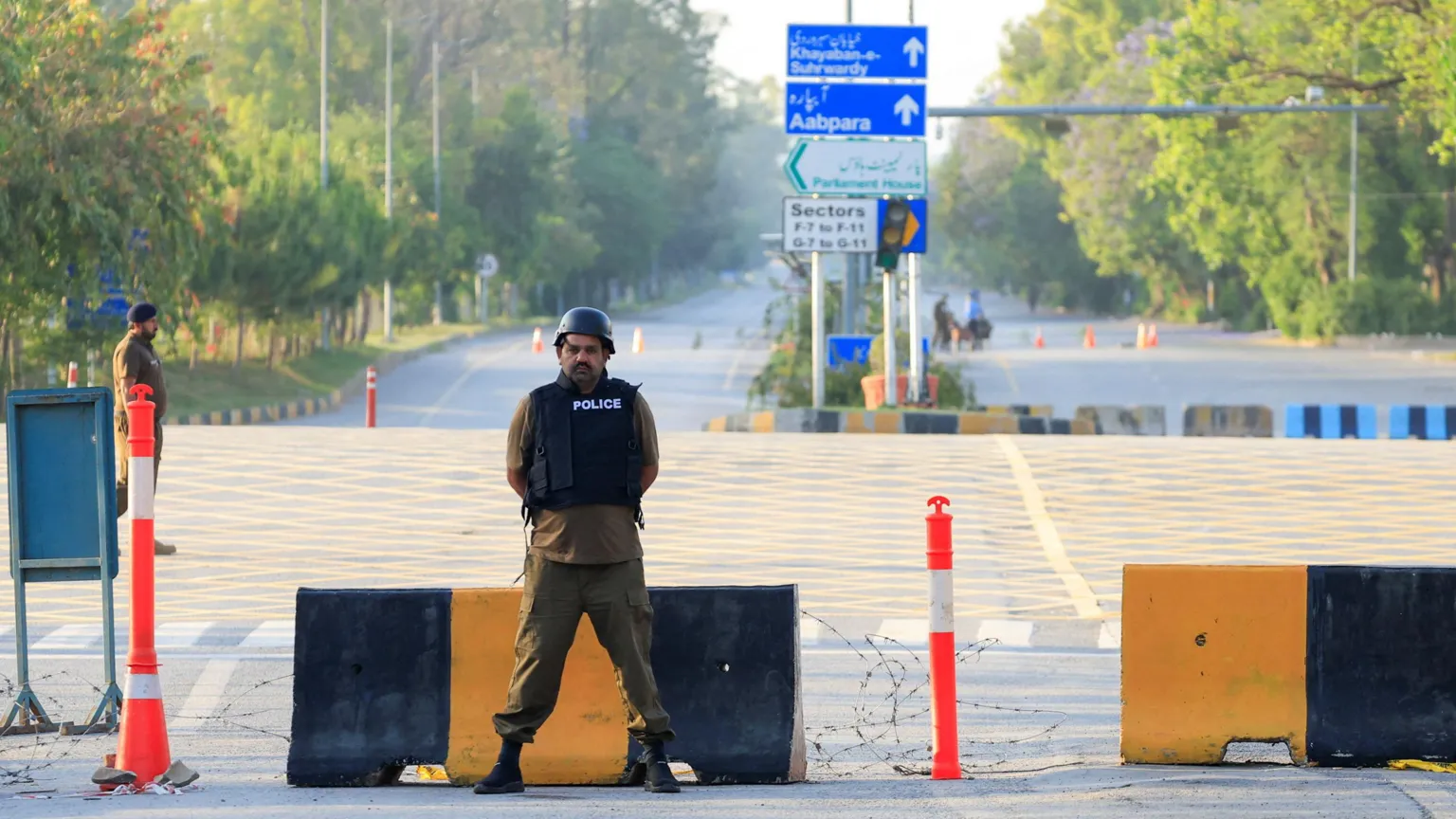
The BBC understands that meetings and urgent exchanges of messages via mediators are under way to try to create conditions for the resumption of talks before the temporary truce ends. Pakistan had already made all the necessary preparations to host a possible second round of negotiations at the start of this week.
On Sunday, President Trump had confirmed the US’s participation and said his delegation would again be headed by Vice-President JD Vance.
When asked if Iran had agreed to attend and then changed its decision, Baghaei responded, “We never said we were going and then reneged our commitments – as is the habit of the United States.”
US Actions and Accusations
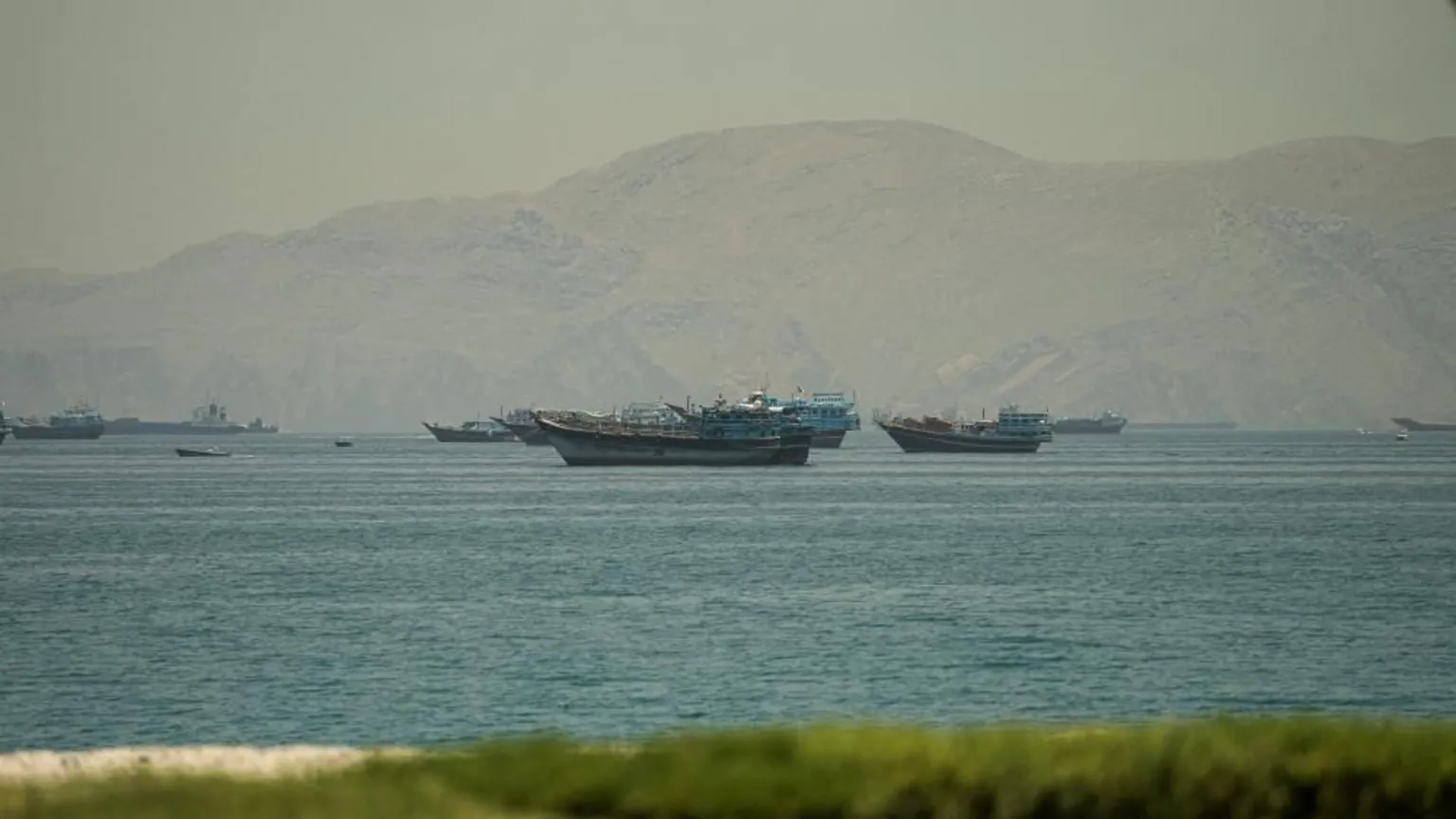
In his interview, Baghaei also underlined that the US naval blockade of its ports in the Strait of Hormuz – what he called “an act of aggression” – was still in force. He noted that on Sunday, for the first time, the US Navy had fired on an Iranian vessel, boarded it, and taken it and the crew into custody. Iran condemned this as an act of piracy and a ceasefire violation. Baghaei asserted, “This is not the behaviour of a country that is really serious about a diplomatic process.”
He refuted President Trump’s accusation that Iran was violating the truce by not opening this strategic waterway. Under the terms of the ceasefire announced by Pakistan on April 8, Iran had agreed to open this strait. Its closure is causing economic shocks worldwide.
Baghaei recalled an incident after Iran’s foreign minister posted on social media on Friday that the maritime corridor would “completely open” on routes designated by Iran. He stated, “President Trump immediately said ‘thank you Iran’, and then an hour later he said that he would keep his blockade.”
Conditions for Resumption of Talks
However, the spokesman would not be drawn on what specific conditions Iran required to return to the negotiating table. He reiterated, “We have made it clear that if we come to the conclusion that going to Islamabad is in our national interest, we would go there. But for the time being, the decision has not yet been made.”
On Tuesday evening, Pakistan confirmed that Iran was yet to give a formal response as to whether it would attend the talks. Pakistan’s Information Minister Attaullah Tarar stated on X, “Pakistan as the mediator is in constant touch with Iranians and pursuing the path of diplomacy and dialogue.” He added, “Pakistan has made sincere efforts to convince the Iranian leadership to participate in the second round of talks and these efforts continue.” He emphasized that it was “critical” that Iran decides to attend the talks before the end of the two-week truce.
Trump’s Pressure and Threats
President Trump also attempted to pile pressure on the Iranians to attend, telling CNBC earlier that Iran had “no choice but to send” delegates. Trump stated, “We’re going to end up with a great deal,” adding, “We’re in a very, very strong negotiating position.”
Asked if he would extend the ceasefire to allow time for progress in peace talks, the US president said, “I don’t want to do that” and that he was prepared to resume attacks. He further commented, “I expect to be bombing because I think that’s a better attitude to go in with.” When asked if he would carry out his previous threats to bomb Iran’s bridges and power stations, Trump replied, “It’s not my choice but it will also hurt them.”
Experts on international law have previously suggested that targeting civilian infrastructure could constitute a war crime.
Distrust and Past Disruptions
Iran’s delay also reflects its deep distrust of this process. The last two periods of talks, in June last year and February this year, were both disrupted by the onset of US-Israeli military actions.
A few days after the ceasefire came into force, Islamabad hosted a first round of direct talks at the highest level between Tehran and Washington since the 1979 Islamic revolution. Stretching over 21 hours, they ended without agreement but both sides reported progress. Trump has repeatedly declared a deal could be done within days.
Iran’s chief negotiator, parliamentary speaker Mohammad Bagher Ghalibaf, in a post on social media, stated that “many gaps remained, and some fundamental points.”
#IranUSATalks #PeaceDiplomacy #StraitOfHormuz #Ceasefire #InternationalRelations #MiddleEastPeace #PakistanMediation #DiplomaticEfforts #GlobalSecurity #IranUSAConflict




Leave a Reply