

Frantic Day of Diplomacy Leads to Ceasefire Extension
Tuesday commenced with a flurry of diplomatic activity in Washington, as Air Force Two was prepared to transport Vice President JD Vance to Islamabad for another round of peace talks between the United States and Iran. However, several hours later, the aircraft remained grounded, and the negotiations were postponed.
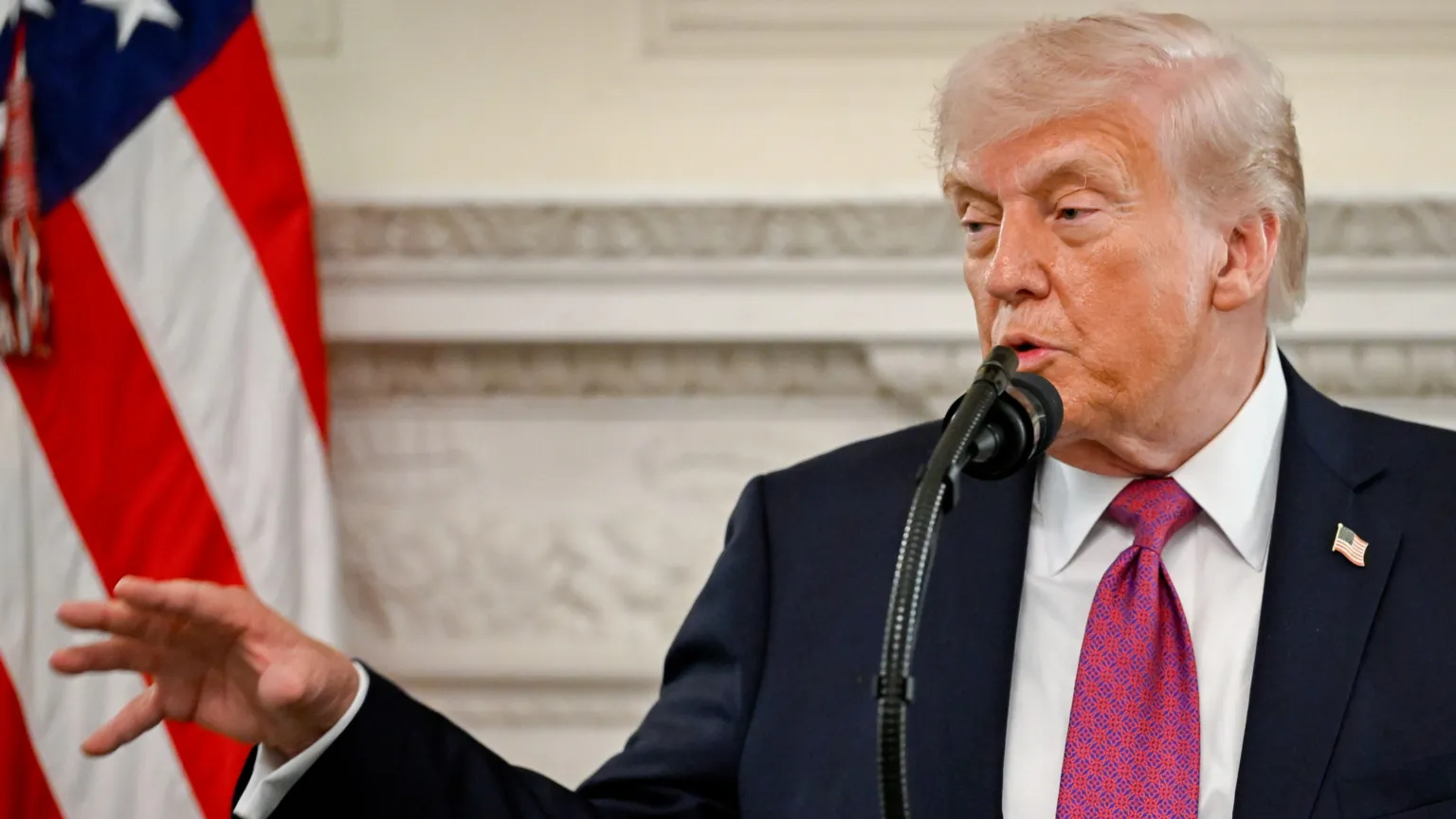
President Donald Trump subsequently announced an extension of the ceasefire with Iran, which was scheduled to conclude on Wednesday evening. This decision aims to provide the Iranian government with additional time to formulate a “unified proposal” to end the ongoing conflict.
Trump Weighs Options Amidst Global Scrutiny
Throughout the day, President Trump deliberated on his options as the international community awaited developments on the prospects for peace. This marks the second instance in as many weeks that Trump has stepped back from threats of escalating the conflict, affording more time to de-escalate a situation nearing its two-month mark.
Vice President Vance’s potential trip to Islamabad was never officially confirmed, leading to speculation in Washington. Similarly, Iran had not formally committed to attending the talks, placing the White House in a challenging position regarding whether to dispatch Vance without assurances of Tehran’s participation.
Signs of a postponement emerged as the day progressed. Special envoy Steve Witkoff and Jared Kushner, senior members of the US negotiating team, rerouted to Washington from Miami instead of proceeding directly to Islamabad. Shortly thereafter, Vance headed to the White House for “policy meetings” as the President and his senior advisors discussed the next steps.
Ceasefire Announced on Truth Social
Ultimately, Trump communicated the ceasefire extension via Truth Social, his preferred platform for war updates since the conflict began in late February. The President stated that the decision was made at the request of Pakistan, which has been mediating discussions between Tehran and Washington.
“We have been asked to hold our Attack on the Country of Iran until such time as their leaders and representatives can come up with a unified proposal,” Trump declared.
Notably, Trump did not specify the duration of this latest ceasefire. Earlier in the month, he had imposed a two-week deadline for the initial ceasefire. This followed contradictory remarks in press interviews, where he expressed optimism about the talks but also cautioned about resuming military action if Iran declined to negotiate.
James Jeffrey, a former US ambassador to Iraq and Turkey, commented to the BBC that “There is no clear formula” for ending wars. Jeffrey added that Trump is not the first US president to “threaten significant military escalation, while also putting a good deal on the table.”
Trump’s more measured statement on Tuesday, compared to previous social media posts concerning Iran, may indicate a desire to conclude a conflict that has impacted the global economy and is unpopular among anti-interventionist supporters within his political base.
Brian Katulis, a senior fellow at the Middle East Institute, observed, “This is a pragmatic decision based on what are quite obvious fractures in the current leadership of the Iranian government.” However, Katulis also noted that Trump’s decision introduces further uncertainty regarding the conflict’s duration.
“This move begs the question though for Trump about how he can deal with the economic pain that Americans are experiencing and the political pain he’s experiencing from his base,” Katulis stated. “He hasn’t answered the questions that are still driving this crisis.”
Lingering Questions and Future Prospects
With the ceasefire extension, the US and Iran now have additional time to pursue a lasting peace agreement. Nevertheless, significant challenges persist.
Iran has characterized the US blockade of the Strait of Hormuz as an act of war. While Trump opted against an immediate resumption of hostilities, he provided no indication of ending the blockade, which the US had hoped would pressure Tehran into a resolution. This approach has yet to yield the desired outcome, leaving Trump with limited alternatives beyond intensifying military operations.
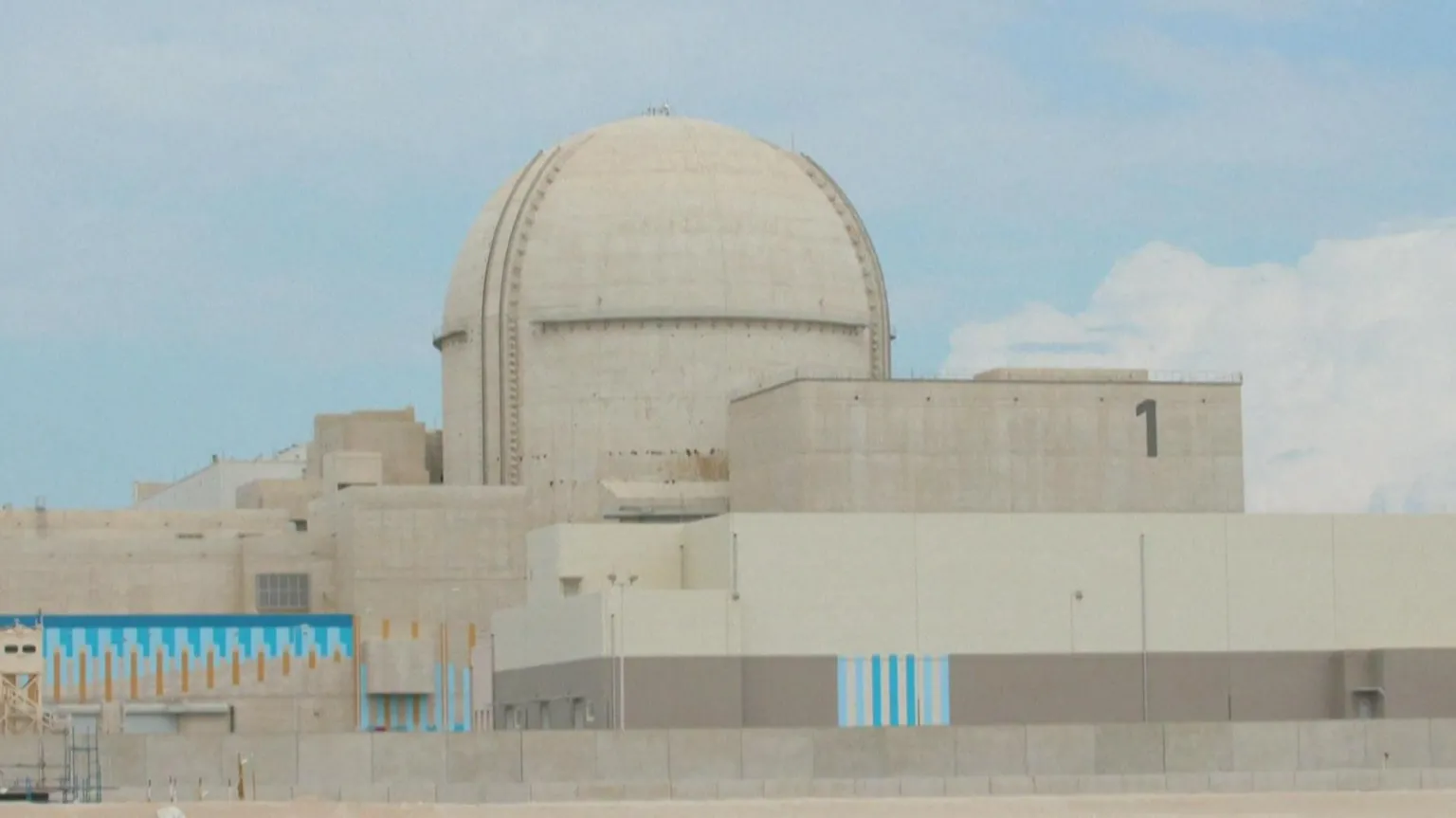
Meanwhile, Iran has not signaled an interest in halting its nuclear program or its support for groups in the Middle East – two key demands, or “red lines,” that Trump has insisted be addressed in any final peace accord.
Trump has secured more time, but a swift resolution to the conflict appears as elusive as ever.
#USIranTalks #Ceasefire #Diplomacy #DonaldTrump #PeaceNegotiations #MiddleEast #StraitOfHormuz #InternationalRelations #Geopolitics #WarAndPeace





Leave a Reply