

China’s Measured Approach Amidst Middle East Tensions
As global attention focuses on the ongoing conflict in the Middle East, Chinese President Xi Jinping’s recent call for the reopening of the Strait of Hormuz has highlighted Beijing’s pragmatic and distinct foreign policy approach. Speaking with Saudi Arabia’s Crown Prince Mohammed bin Salman (MBS) on Monday, President Xi reiterated China’s unwavering support for “all efforts conducive to restoring peace” and emphasized resolving disputes through political and diplomatic means.
The President underscored the critical importance of maintaining normal passage through the Strait of Hormuz, stating it “serves the common interests of regional countries and the international community.” This strategic waterway has faced significant disruptions over the past seven weeks, with reports indicating Iran’s move to restrict marine traffic and the US imposing a blockade on Iranian ports.
A Contrast in Diplomatic Styles
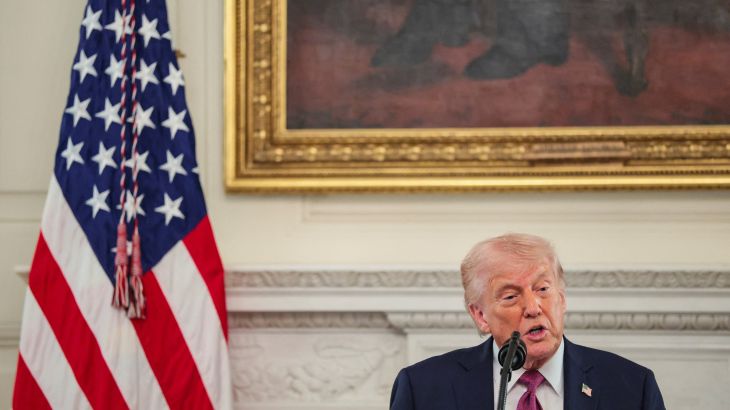
Xi’s carefully measured statements stand in stark contrast to the more assertive declarations from US President Donald Trump, who, on the same day, used social media to assert his perceived success in the conflict and commitment to the naval blockade until a “DEAL” with Tehran was reached.
Analysts suggest that China has adeptly utilized the current situation to present itself as the more responsible of the world’s two major powers. Beijing often prefers a behind-the-scenes role, allowing other nations to manage immediate crises while it positions itself strategically. Gedaliah Afterman, head of the Asia-Israel policy programme, noted that China gains by “waiting and seeing and using opportunities as they come to position, and letting the Americans deal with the mess.”
Non-Interference and Economic Priorities
China’s long-standing policy of “noninterference” in the internal affairs of other countries, coupled with its working relationships with all parties involved in the regional tensions, has allowed it to emerge as a voice of reason. China is Iran’s largest trade partner, purchasing a significant portion of its oil, and solidified its ties with a 25-year “comprehensive strategic partnership agreement” in 2021. Concurrently, Beijing has spent the last decade strengthening relationships with Gulf nations like Saudi Arabia, Qatar, and the UAE, while also maintaining top trade partnerships with both the US and Israel.
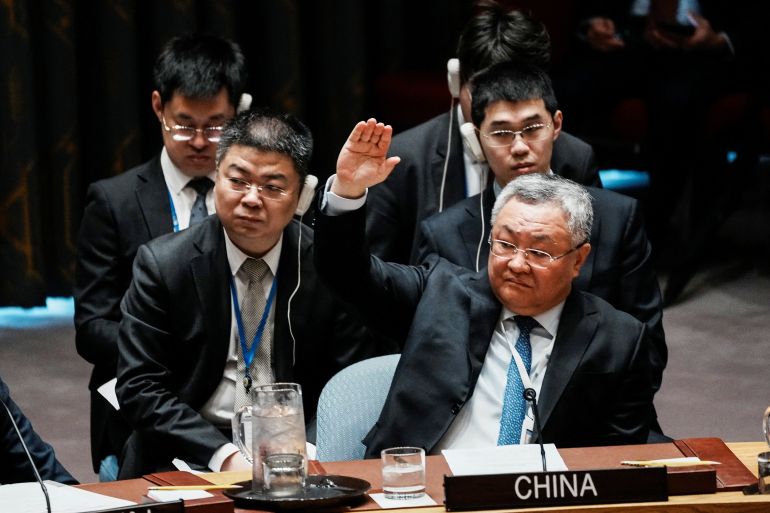
Ma Xiaolin, dean of the Mediterranean Rim Institute, encapsulated this approach: “China keeps good relations with the US, Israel, Iran and the Gulf Arab states. All those countries are our friends, even if they are enemies.” This commitment to nonintervention was likely a key factor in China’s recent veto of a UN Security Council resolution aimed at coordinating efforts to reopen the Strait of Hormuz, aligning with its past actions in conflicts like Syria and Myanmar.
Unlike the US, whose strategic focus in the Middle East has sometimes included regime change efforts, Beijing’s primary interests in the region remain economic. Chang Ching, a senior research fellow, highlighted that peace and stability are crucial for business, whereas conflict is detrimental. “They expect peace and stability. They are not really concerned with who wins the conflict. Their wish is to try to restore the peaceful environment in the Middle East,” he explained.
Balancing Act and Future Ambitions
Further escalation in the conflict could significantly threaten China’s economic and energy security, given that over 40 percent of its crude oil imports originate from the Middle East. Such entanglement, according to Feng Chucheng of Hutong Research, “would risk derailing its effort to maintain a delicate balance between Iran and the Gulf states.”
Beijing has actively leveraged its “friend to all” status to facilitate a peaceful resolution. China’s top diplomat, Wang Yi, made numerous phone calls leading up to the Iran-US ceasefire, and special envoy Zhai Jun held multiple meetings with key actors. Despite this flurry of diplomatic activity, Beijing has notably downplayed its role in brokering the recent two-week ceasefire, a contrast to its more prominent role in the 2023 Saudi Arabia-Iran normalization. Observers suggest this is to avoid becoming overly entangled in complex peace processes, as the Middle East, while important, is not a core interest for China, and it has limited political capital to expend.
Nevertheless, China’s efforts have not gone unnoticed. Ma from Zhejiang International Studies University remarked, “I think the world knows who provides stability, who provides security and who dismantled the international law and governance system.”
Allegations and Strategic Considerations
Western media outlets have reported on alleged Chinese military support to Iran. CNN, citing Western intelligence officials, reported earlier this month that China was preparing to deliver Man-Portable Air-Defense Systems (MANPADS) to Iran. This was followed by a Financial Times investigation alleging Iran acquired a Chinese spy satellite in 2024, purportedly used to target US military bases. However, Jodie Wen of Tsinghua University expressed skepticism, suggesting Beijing would not be “careless” before a planned meeting between President Xi and President Trump in May, emphasizing the importance of both China-Iran and China-US relationships.
As China prepares for the second China-Arab Summit and works towards a free-trade agreement with the Gulf Cooperation Council (GCC), it is carefully weighing all factors in the ongoing Middle East situation. China is “walking a tightrope when it comes to balancing its relationships,” said Afterman, with an eye on post-war reconstruction, renewed economic activities, and investment, aiming to be well-positioned on both sides of the Gulf.
#ChinaDiplomacy #MiddleEastPeace #StraitOfHormuz #Geopolitics #IranUSRelations #EconomicSecurity #NonInterference #GlobalPowerShift #InternationalRelations #ChinaForeignPolicy


Leave a Reply