

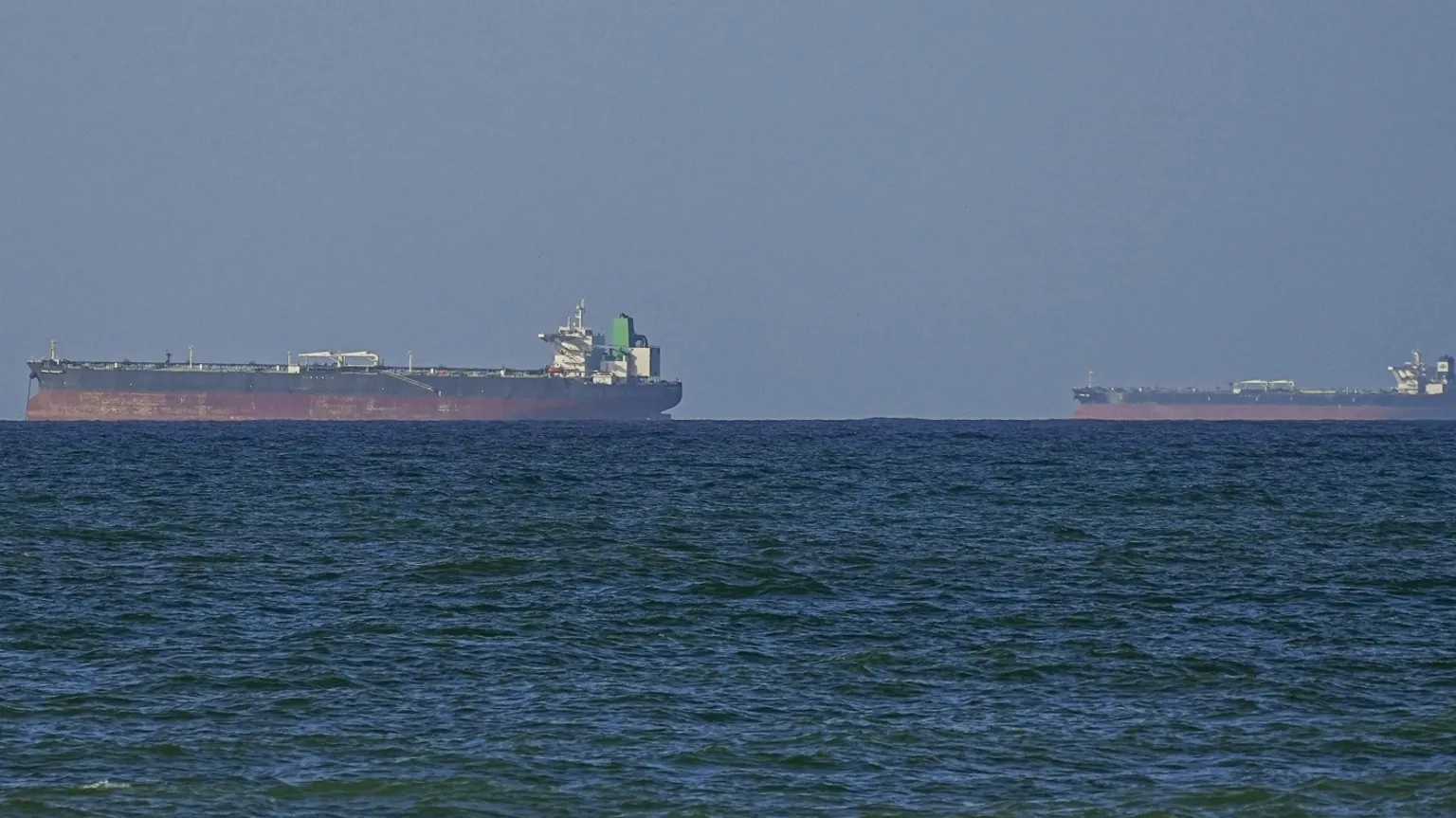
Reports indicate that **two cargo ships were attacked in the Strait of Hormuz**, according to the British maritime agency. The UK Maritime Trade Operations (UKMTO) stated that the first vessel was “attacked by an Iranian Revolutionary Guard Corps (IRGC) gunboat.” Nour News, a platform linked to Iran’s Supreme National Security Council, reported that the IRGC engaged the ship after it had “ignored the warnings of the Iranian armed forces.”
A second ship was halted in the strait after being “fired upon,” UKMTO noted, without specifying the responsible party. **All crews from both vessels are reported safe.**
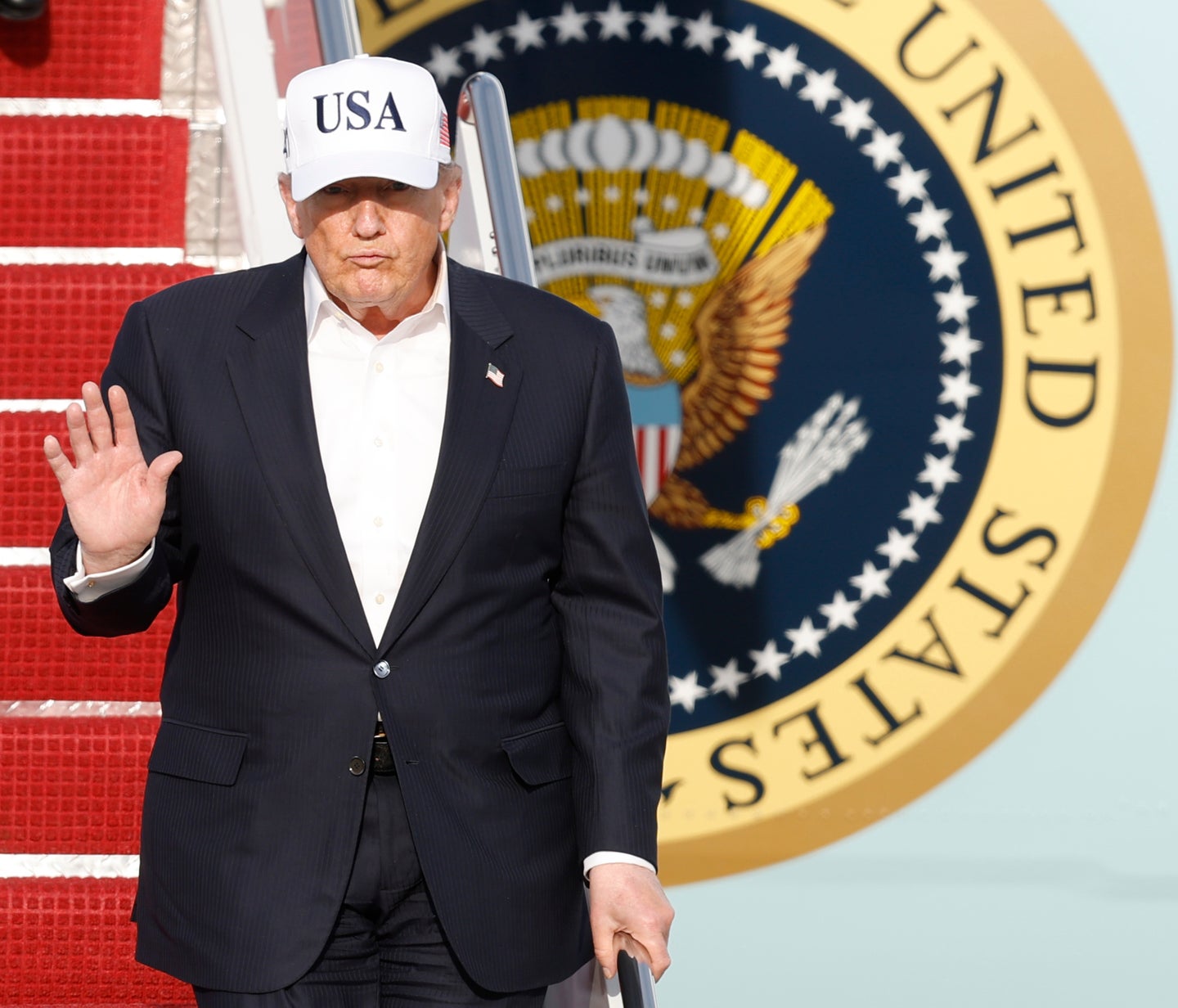
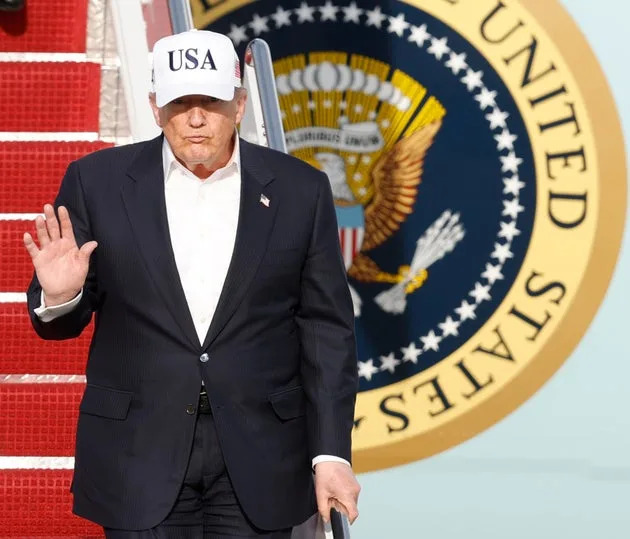
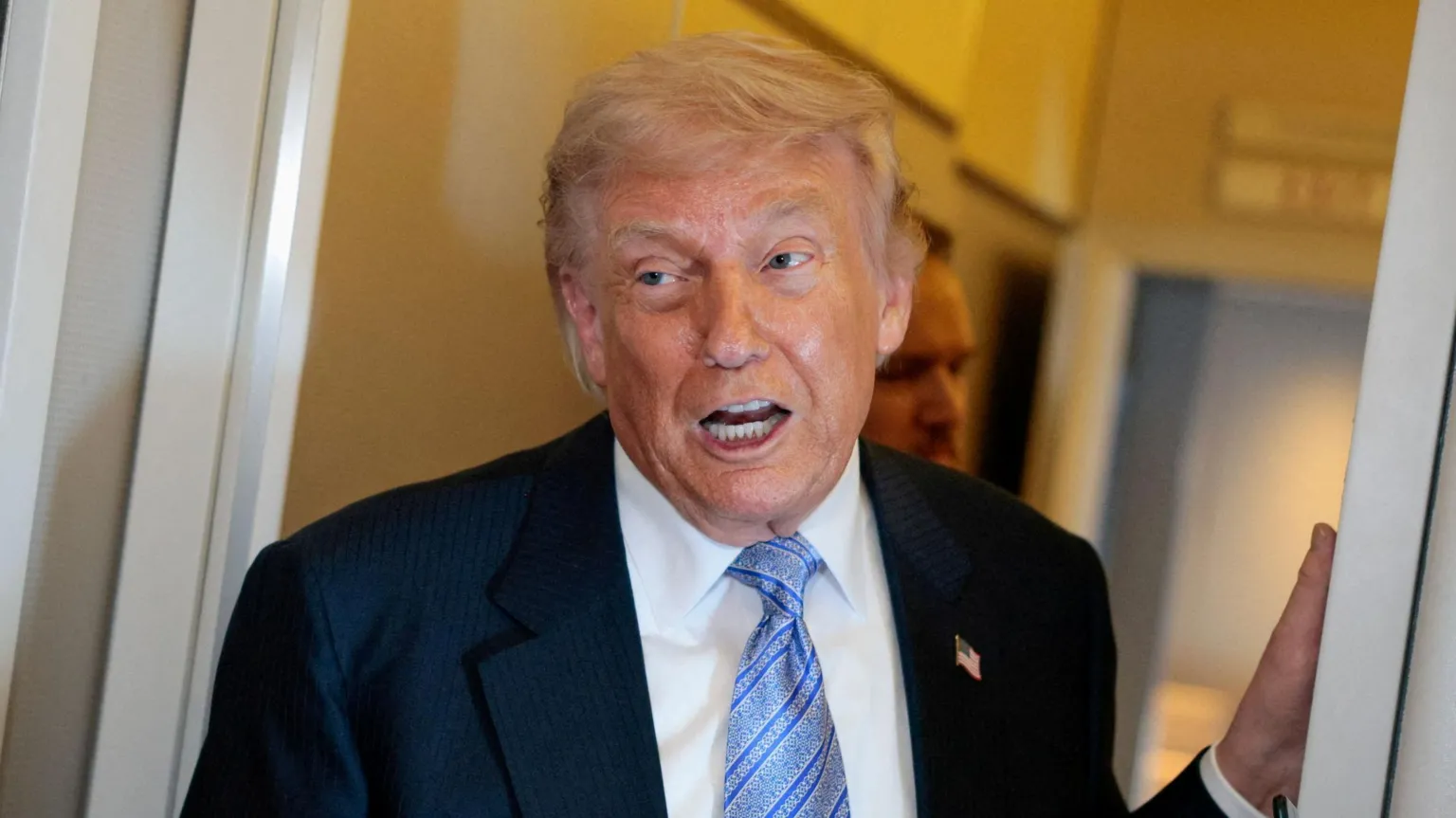
These incidents occurred hours after US President Donald Trump declared an **extension of the ceasefire with Iran**, pending the conclusion of ongoing talks. The initial two-week truce between the US and Iran was set to end on Wednesday. President Trump mentioned that Pakistan, acting as a mediator, had requested a delay in any military action against Iran.
Trump also affirmed that the **US blockade of Iran’s ports would persist**, asserting that the Islamic Republic was “collapsing financially” due to the Strait of Hormuz blockade. While Iran has not yet responded to Trump’s announcement, its foreign ministry previously informed the BBC that Tehran had not decided on participating in a new round of peace talks with the US.
The Strategic Importance of the Strait of Hormuz
The Strait of Hormuz is a crucial narrow waterway situated between Iran, the United Arab Emirates (UAE), and Oman. This waterway, approximately **21 miles (33 km) at its narrowest point**, connects the Persian Gulf to the Gulf of Oman, establishing it as a **vital global shipping route**. **Approximately 20% of the world’s oil and liquefied natural gas** typically transits through the Strait of Hormuz. This includes oil from Iran and other Gulf states like Iraq, Kuwait, Qatar, Saudi Arabia, and the UAE.
In 2025, an estimated **20 million barrels of oil passed through the waterway daily**, according to the US Energy Information Administration (EIA), representing nearly **$600 billion (£447 billion) in annual energy trade**. Since the onset of the conflict, **sea traffic has seen a significant reduction**.
BBC Verify reports that the first ship targeted by the IRGC on Wednesday morning was identified as the **Epaminondas**. Owned by a Greek company, AIS data from Marine Traffic indicates the vessel was **not transmitting a detectable signal** during its transit through the strait. Both UKMTO and Vanguard reports suggest the ship’s master had been informed that the vessel had permission to transit the strait. Nevertheless, it was approached by an IRGC gunboat, which opened fire, causing **significant damage to the bridge**.
BBC Verify also understands the second cargo ship targeted was the Panama-flagged **Euphoria**, owned by a UAE-based company, with Jeddah, Saudi Arabia, listed as its destination. The party responsible for targeting the second vessel remains unclear. In a statement, UKMTO noted it “is aware of high levels of activity in the SoH [Strait of Hormuz] area and encourages vessels to report any suspicious activity.”
Regional Impact and Ceasefire
The ceasefire had offered some relief to the Middle East, a region embroiled in conflict for weeks since the US and Israel attacked Iran on February 28. On April 8, Iran and the US had agreed to a conditional two-week ceasefire, which was set to expire on Wednesday. Initially, Trump stated the agreement was contingent on Iran reopening the Strait of Hormuz, a critical shipping route for oil and other exports from the Gulf. Iran had agreed to permit vessels through the strait for two weeks, with their passage coordinated by the Iranian military.
With no concrete agreement finalized, **uncertainty persists**, offering little relief to global markets.
#StraitOfHormuz #CargoShipAttack #Iran #USCeasefire #MaritimeSecurity #GlobalShipping #OilTrade #MiddleEastConflict #Geopolitics #UKMTO



Leave a Reply