

Iran’s Stance on Strait of Hormuz
Iran’s chief negotiator has declared that the Strait of Hormuz cannot be opened, attributing this to “the blatant violations of the ceasefire” by the United States and Israel. In a post on X, Mohammad Bagher Ghalibaf specified these violations to include the **US naval blockade of Iranian ports**, which he stated amounts to taking the global economy “hostage,” and “warmongering” by Israel “on all fronts.”
Iranian President Masoud Pezeshkian reiterated Iran’s openness to negotiations but emphasized that “breach of commitments, blockade and threats are main obstacles to genuine negotiations.”
Diplomatic Developments and Ceasefire Extension
New peace talks between the US and Iran, initially anticipated to begin in Pakistan this week, have yet to commence. Vice-President JD Vance, who was expected to lead the US delegation, remains in the US.
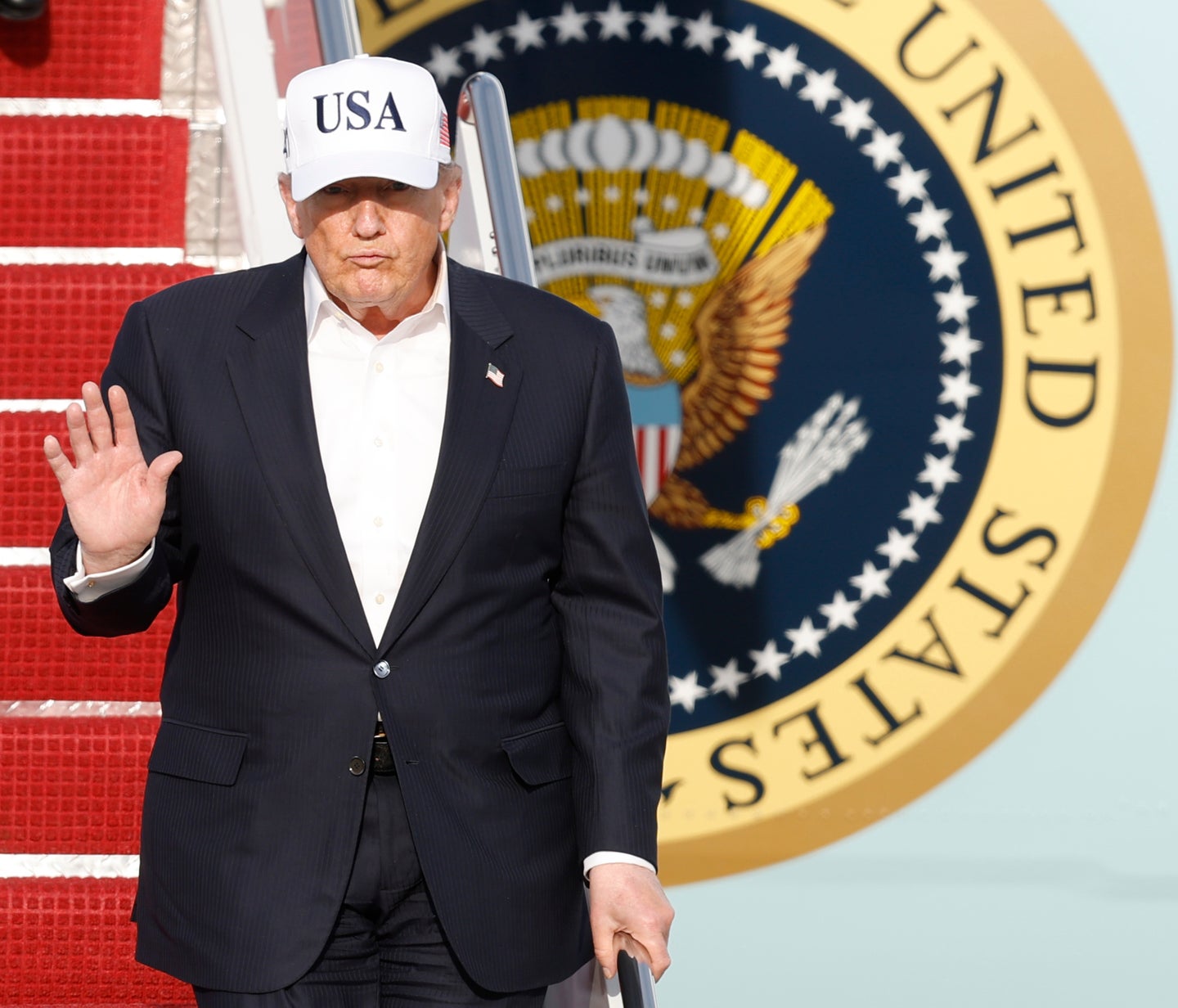
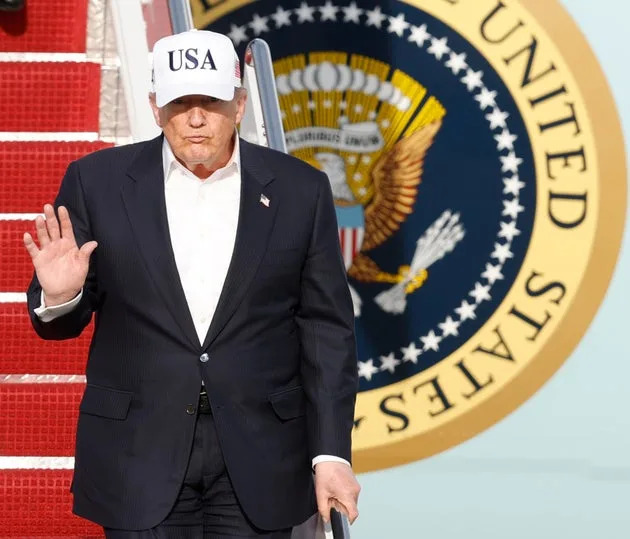
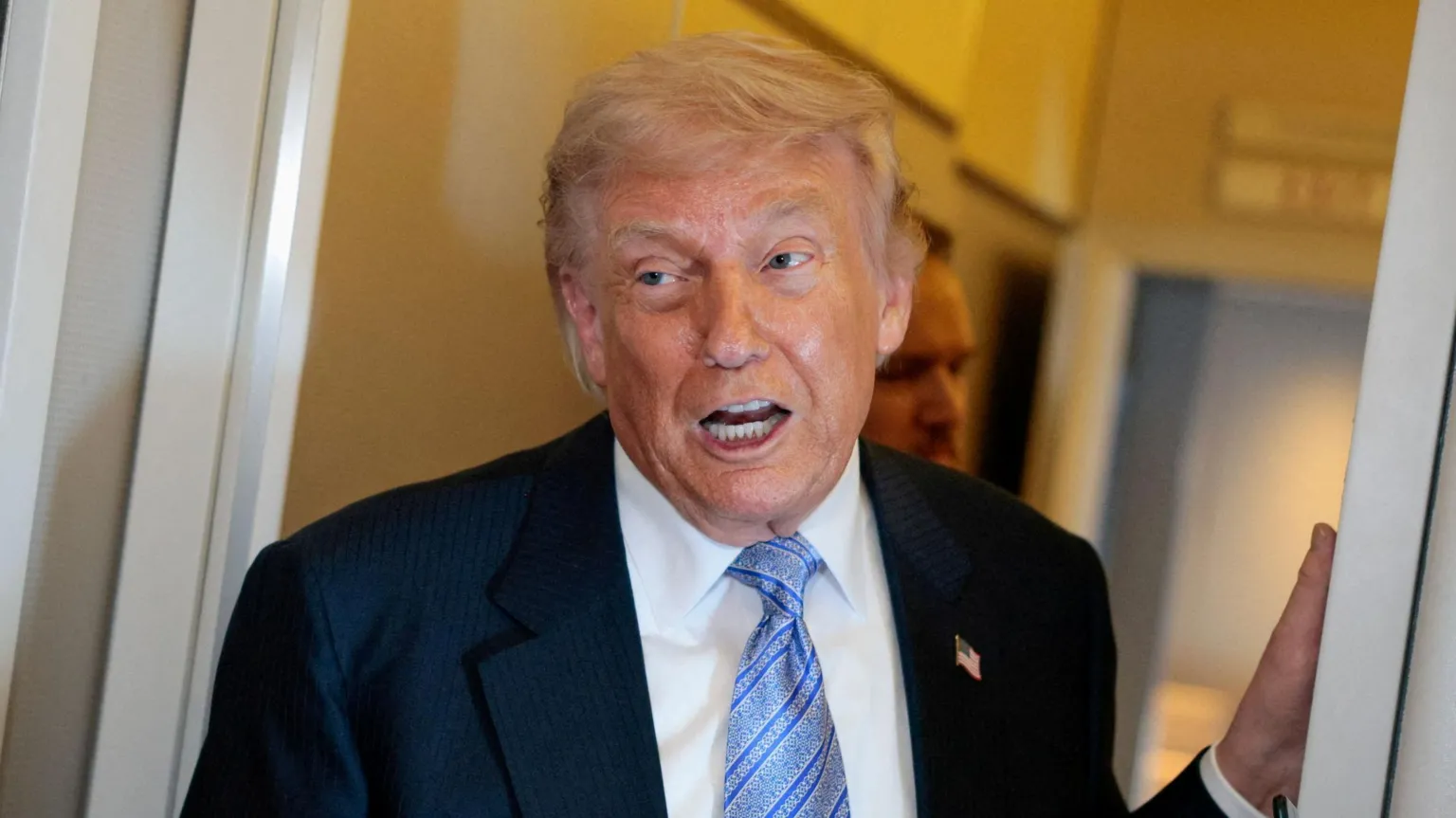
On Tuesday night, US President Donald Trump announced an **open-ended extension to the US-Iran ceasefire**, which was originally set to expire on Wednesday. White House Press Secretary Karoline Leavitt clarified that this extension has no new deadline. Leavitt also stated that President Trump is “satisfied” with the ongoing US naval blockade against Iran and “understands Iran is in a very weak position,” adding, “The cards are in President Trump’s hands right now.”
Regarding the war’s conclusion, Leavitt indicated it is up to Trump to decide when he feels it’s “in the best interests of the United States and the American people.”
Incidents in the Strait of Hormuz
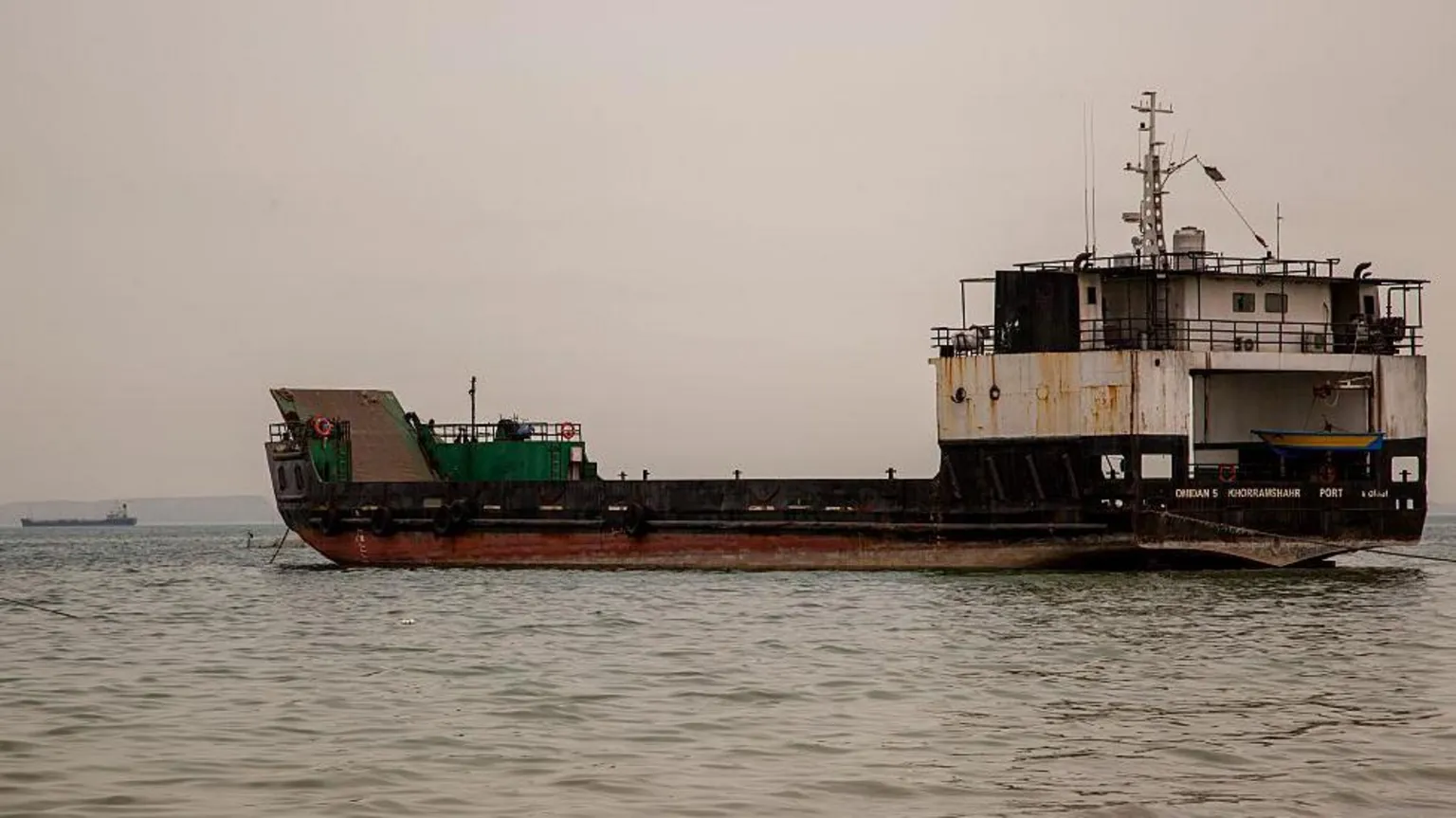
The Iranian negotiator’s comments come amidst continued clashes in the vital global shipping route. Iran announced it had “seized” two ships in the strait for “inspection” on Wednesday morning, following reports of attacks on three cargo ships.
One of the attacked vessels, **Euphoria**, an UAE-owned container ship, reportedly dropped anchor near a port in the United Arab Emirates after being attacked eight nautical miles west of Iran. No damage or injuries were reported for Euphoria.
Iran has not commented on Euphoria but confirmed seizing the other two vessels, **MSC Francesca** and **Epaminondas**, both of which reported damage. The Iranian Revolutionary Guard Corp (IRGC) Navy stated these ships were “operating without authorisation,” committed “repeated violations,” and attempted to leave the Strait “in secret” while tampering with navigation systems. The IRGC Navy warned of “firm” action against “violators” and posted footage of Iranian commandos raiding the ships.
Greek Foreign Minister Giorgos Gerapetritis confirmed an attack on the Greek-owned Epaminondas but could not confirm its seizure by Iranians.
US Defense Department Changes and Strategic Flexibility
In related news, the US Defense Department announced the **immediate departure of US Secretary of the Navy John Phelan**, with Navy Undersecretary Hung Cao serving as acting secretary. This follows the recent stepping down of Army Chief of Staff Randy George.
Leavitt indicated that the White House’s lack of a timeline for negotiations or kinetic strikes is strategic, aiming to allow the blockade and economic pressure to encourage “pragmatists” in Iran to propose a peace deal without hardliner pushback. This approach also allows Trump to avoid full-scale military action, which many Americans are weary of and could destabilize global markets.
Notably, Leavitt stated that the US does not consider Iran’s seizure of two ships in the Strait of Hormuz a violation of the ceasefire, as “These were not US ships, these were not Israeli ships.”
#StraitOfHormuz #Iran #US #Ceasefire #Shipping #Geopolitics #OilTrade #NavalBlockade #MiddleEastTensions #Diplomacy





Leave a Reply