

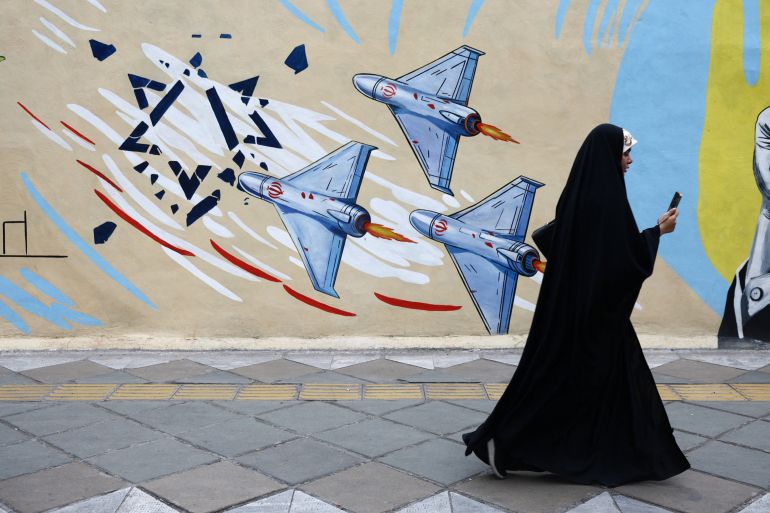
Analysts are closely watching the evolving situation between Iran and the United States, noting that a spectrum of possibilities exists for the conflict’s future, ranging from a fragile ceasefire to a potential comprehensive deal.
Vice President JD Vance is set to lead a U.S. negotiating team to Islamabad on Tuesday for crucial talks with Iran. These discussions aim to de-escalate the ongoing conflict, though Tehran has yet to officially confirm its attendance for this round. Adding to the urgency, a fragile two-week ceasefire is scheduled to end on Wednesday. Its extension remains uncertain, especially following a recent surge in tensions over the last 48 hours.
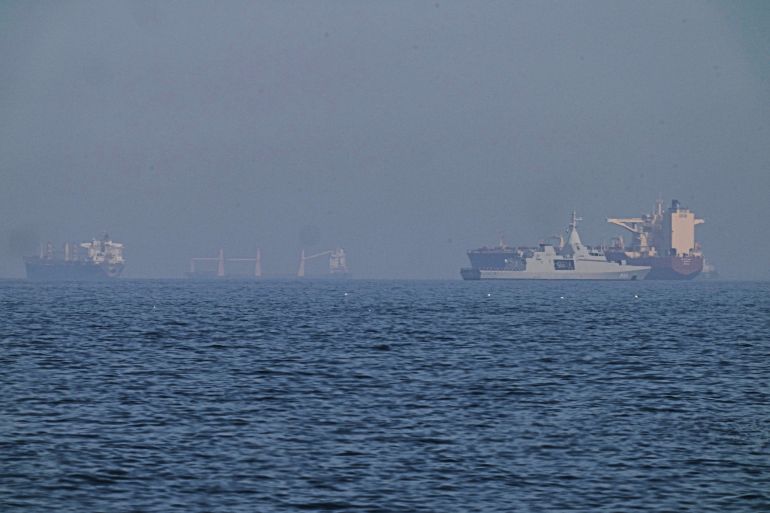
The initial round of U.S.-Iran talks in Islamabad on April 11 concluded without significant progress. Subsequently, the U.S. implemented a naval blockade on all vessels with Iranian ties attempting to navigate the Strait of Hormuz. In response, Iran has reportedly fired upon ships transiting this critical shipping lane. Early Monday, U.S. forces engaged and then seized an Iranian vessel attempting passage through the narrow waterway.
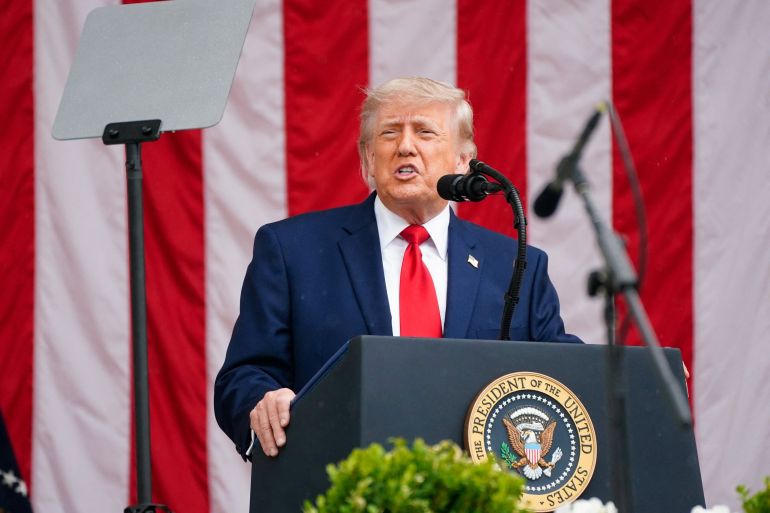
Tehran has vehemently condemned the vessel’s seizure as an act of “piracy” and has vowed retaliation. The Iranian side has also stated its refusal to participate in negotiations while under perceived threats. President Trump has reiterated his warning, indicating he would authorize the U.S. military to target all bridges and power plants in Iran should a deal on U.S. terms not be accepted.
Amidst this backdrop of uncertainty surrounding both the talks and the ceasefire, we delve into the latest developments from both sides and explore four potential scenarios that could unfold in the coming days.
Latest Developments from Both Sides
Both the U.S. and Iran have engaged in a series of exchanges of threats as the ceasefire deadline rapidly approaches. The two-week ceasefire, initially announced by U.S. President Donald Trump on April 7, was set to expire on Tuesday at 8 PM Washington, D.C. time. However, recent statements from President Trump suggest the deadline may have been extended by a day.
Islamabad continues its preparations to host multi-day discussions, but Iranian officials have not yet confirmed their attendance. President Trump expressed confidence that Iran would negotiate, warning that otherwise, they would “see problems like they’ve never seen before.”
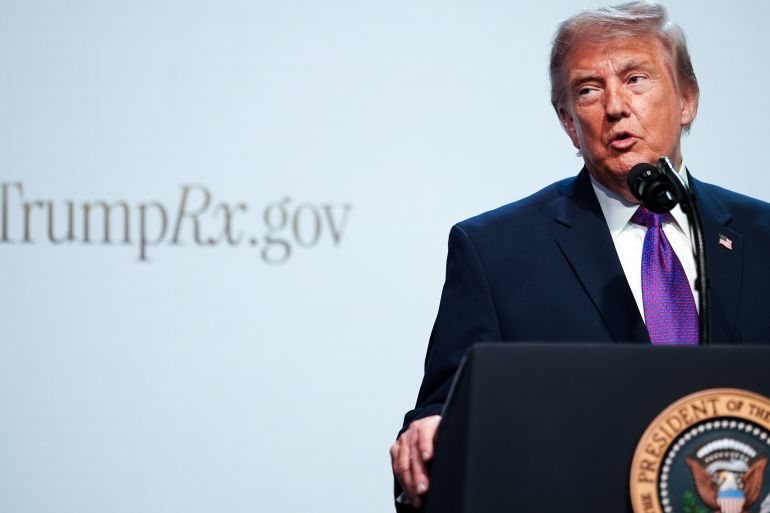
In a post on Truth Social, Trump confirmed the U.S. delegation’s planned visit to Islamabad on Tuesday. While accusing Iran of ceasefire violations by firing at vessels in the Strait of Hormuz, he stated: “We’re offering a very fair and reasonable DEAL, and I hope they take it because, if they don’t, the United States is going to knock out every single Power Plant, and every single Bridge, in Iran. NO MORE MR. NICE GUY!“
Conversely, Iran has maintained its stance that negotiations will not proceed under the shadow of threats. Mohammad Reza Mohseni Sani, a member of the Iranian parliament’s National Security Commission, expressed skepticism regarding the likelihood of talks with the U.S. Speaking to Iran’s Mehr news agency, he stated that “negotiations are not acceptable” given the “current situation,” accusing the U.S. of being “overly demanding” and pursuing hidden agendas for its own domestic interests. He concluded, “Given the current conditions, recent aggressions, and our history with the United States in previous negotiations, the next round of talks is, God willing, off the table.”
Ali Vaez, Iran project director for the International Crisis Group, highlighted to Al Jazeera that the primary obstacle for any second round of talks is “whether the US is willing to ease pressure enough to make diplomacy credible and whether Iran is willing to curb its leverage enough to keep talks alive.”
Scenario 1: Talks Proceed, Leading to a Temporary Deal
Sources close to the mediation efforts informed Al Jazeera that Pakistan is actively working to facilitate multi-day negotiations between the U.S. and Iran. The U.S. delegation, led by Vice President Vance, is anticipated to include President Trump’s envoy Steve Witkoff and son-in-law Jared Kushner, mirroring the team from the first round. Should Iran attend, Parliament Speaker Mohammad Bagher Ghalibaf is expected to lead their delegation, joined by Foreign Minister Abbas Araghchi.
Mediators in Islamabad are reportedly striving for a “memorandum of understanding” between the two nations, aiming to create space for a final agreement and extend the current ceasefire. Vaez clarified that “Success would not be a final deal. It would be an interim understanding that extends talks, stabilises the ceasefire and creates a framework for trading nuclear steps for sanctions relief.”
Nevertheless, substantial differences persist in the demands and expectations of both parties, particularly concerning Tehran’s nuclear program, control of the Strait of Hormuz, sanctions against Iran, and its frozen assets. Aniseh Bassiri Tabrizi, an associate fellow at Chatham House, cautioned that “If the two sides do not change their stances, there cannot be a deal in Islamabad.”
Scenario 2: Talks Conclude Without Breakthrough, But Ceasefire Extended
Tabrizi emphasized to Al Jazeera that for any significant progress, “there needs to be compromises on both sides because at the moment there is too much of a gap to reach an agreement.” “Unless that changes,” she added, “it’s unlikely that we will see a deal.”
President Trump has recently reiterated his firm demand that Iran cease all uranium enrichment and surrender its existing stockpile of enriched uranium. Iran has categorically rejected these demands. Esmaeil Baghaei, spokesman for the Iranian Ministry of Foreign Affairs, stated on Monday, “The US is not learning its lessons from experience. And this will never lead to good results.”
Despite the potential for no breakthrough, Tabrizi suggested that both sides might still agree to “some sort of temporary extension of the ceasefire,” thereby offering diplomacy another opportunity.
Scenario 3: No Talks, Yet Ceasefire is Extended
On Monday, President Trump informed Bloomberg News that he would consider the ceasefire concluded by “Wednesday evening Washington time,” deeming an extension “highly unlikely” without a deal. However, analysts noted that a last-minute announcement on his Truth Social platform extending the ceasefire would not be entirely unexpected, even if Iran opts not to attend the Islamabad talks.
Vaez described such an extension as “a fragile pause, not a durable ceasefire.” He added, “As long as maritime pressure and mutual accusations continue, the risk of miscalculation remains very high.” “Without a diplomatic framework,” he concluded, “it would be buying time, not building stability.”
Tabrizi concurred, observing that the conflict has already fundamentally altered the U.S.-Iran dynamic. “President Trump is arguing that regime change has happened because the figures that they are dealing with are different,” Tabrizi explained. “Iran probably doesn’t seem to see the US as an existential threat like before the fighting started.”
Scenario 4: Talks Fail, Ceasefire Expires
President Trump’s repeated threats to resume bombing Iran if no deal is reached present a fourth, grim scenario: should Iranian negotiators not attend the Islamabad talks, this threat could be put to the test. When questioned by PBS News on Monday about the consequences of a ceasefire expiration, Trump stated, “Then lots of bombs start going off.” He emphasized that Iran was “supposed to be there” for the negotiations, adding, “We’ll see whether or not it’s there. If they’re not there, that’s fine too.”
On Tuesday, Ghalibaf asserted that Trump “seeks to turn this negotiating table, in his own imagination, into a table of surrender or to justify renewed warmongering.” He further added, “We have prepared to reveal new cards on the battlefield,” indicating Tehran’s military readiness for a potential resumption of hostilities.
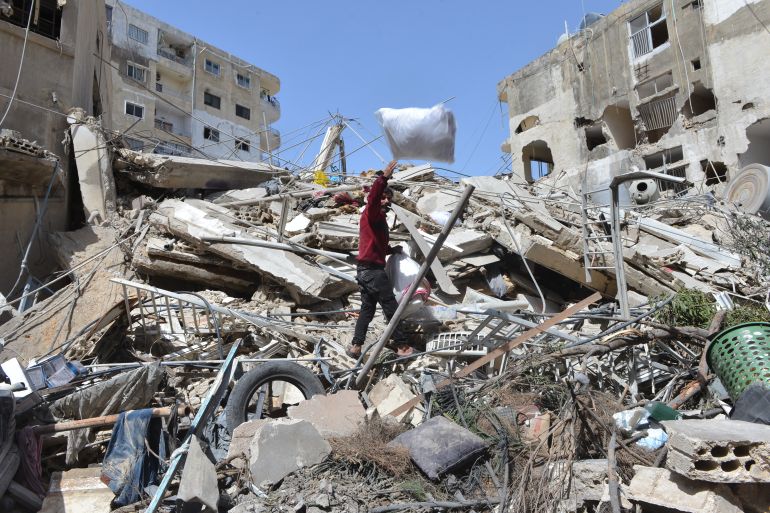
However, Vaez warned that if the ceasefire collapses, “the next round is likely to get very ugly very quickly.” He elaborated, “The US will likely target critical infrastructure in Iran, which in turn will torch the rest of the region.”
#IranUSConflict #MiddleEastTensions #DiplomacyEfforts #CeasefireTalks #StraitOfHormuz #Geopolitics #InternationalRelations #PeaceNegotiations #IranNuclearDeal #GlobalSecurity


Leave a Reply