

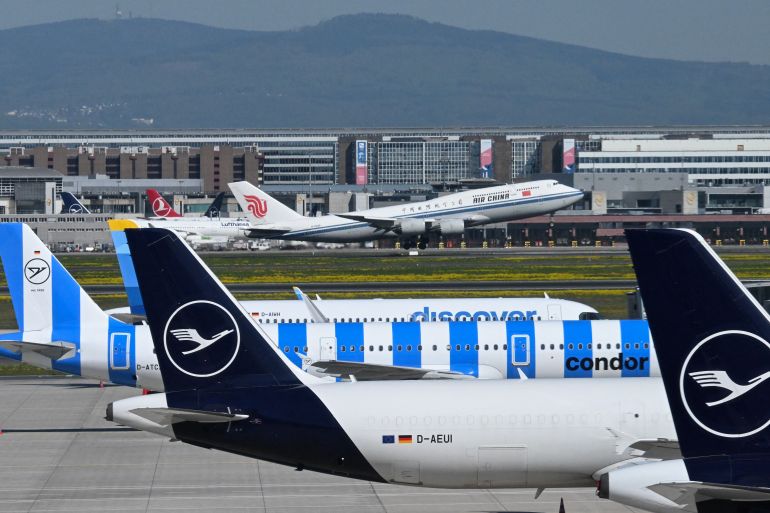
Lufthansa Group, the German aviation giant, has announced a significant reduction of 20,000 short-haul flights scheduled until October. This decision comes as the ongoing conflict involving Iran has led to soaring oil prices and heightened concerns about potential jet fuel shortages in various nations.
The airline confirmed on Thursday its strategy to cancel less profitable routes and prioritize operations to and from its primary hubs in Frankfurt and Munich. This strategic shift is expected to conserve around 40,000 tonnes of jet fuel. Earlier, Lufthansa had also revealed plans to ground 27 aircraft belonging to its short-haul subsidiary, CityLine, ahead of schedule.
The Root of the Fuel Crisis
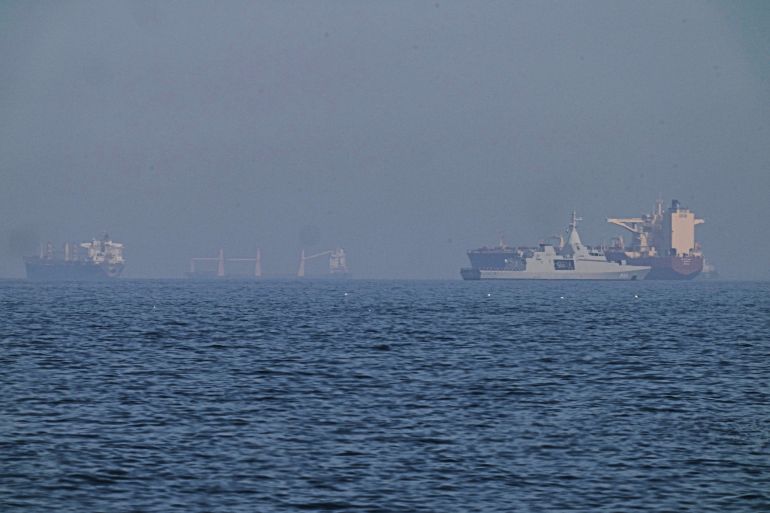
The root cause of this fuel crisis is attributed to the persistent standoff between the United States and Iran in the Strait of Hormuz. This crucial waterway is responsible for transporting approximately one-fifth of the world’s oil and liquefied natural gas supplies. Since the commencement of the US-Israeli conflict with Iran in late February, jet fuel prices have more than doubled in several markets.
European aviation companies are particularly vulnerable to these price hikes, given that jet fuel constitutes one of their largest operational expenses. Their heavy reliance on imports from the Middle East, which supplies roughly 75% of Europe’s jet fuel, makes any extended disruption exceptionally difficult to manage.
Lufthansa stated it has secured sufficient jet fuel “for the coming weeks” and is “pursuing a range of measures” to maintain a stable fuel supply throughout the summer, including the “physical procurement of jet fuel.” According to the Associated Press, the global price of jet fuel surged from approximately $99 per barrel at the end of February to a peak of $209 a barrel by early April.
Impact on Travelers and Broader Concerns
For travelers, the implications are already evident: fewer flight options and increased costs as the peak summer season approaches. Many airlines have responded by raising checked bag fees or implementing fuel surcharges.
Last week, Fatih Birol, head of the International Energy Agency (IEA), informed the AP that Europe might have “maybe six weeks or so [of] jet fuel left.” He cautioned about potential flight cancellations “soon” if oil supplies remain disrupted, despite a temporary ceasefire between Iran and the US.
The European Union’s leading energy official has also issued a warning that the energy crisis, ignited by the conflict, could affect prices for “months, or maybe even years” into the future. EU Energy Commissioner Dan Jørgensen stated on Wednesday that the conflict is imposing a daily cost of approximately 500 million euros ($600 million) on Europe. He remarked that “even in a best-case scenario, it’s still bad,” emphasizing that EU governments are “very worried” about persistent jet fuel shortages.
#Lufthansa #FlightCancellations #JetFuelShortage #OilPrices #EnergyCrisis #StraitOfHormuz #AviationNews #TravelAlert #EuropeEnergy #GlobalEconomy


Leave a Reply