


NATO Clarifies Membership Rules Amidst US-Spain Tensions
NATO has affirmed that its founding treaty contains no provision for the suspension or expulsion of member states from the military alliance. This statement comes in response to a report suggesting that the United States might seek to suspend Spain due to its stance on the Iran conflict.
According to Reuters, a US official revealed an internal Pentagon email that outlined potential measures for the US to penalize allies perceived as not adequately supporting its campaigns. The email reportedly also suggested reviewing the US position on the UK’s claim to the Falkland Islands, which are also claimed by Argentina.
A NATO official informed the BBC that the organization’s foundational document “does not foresee any provision for suspension of Nato membership, or expulsion.”
Spain’s Leader Dismisses Report, Upholds International Law
Spain’s leader, Pedro Sánchez, has dismissed the report, stating, “We do not work based on emails. We work with official documents and official positions taken, in this case, by the government of the United States.” Sánchez emphasized Spain’s commitment to “full cooperation with its allies, but always within the framework of international law.” Spain has notably refused to allow the use of air bases on its territory for attacks on Iran, despite the US having two military bases there: Naval Station Rota and Morón Air Base.
Context: US-Iran Tensions and Allied Support
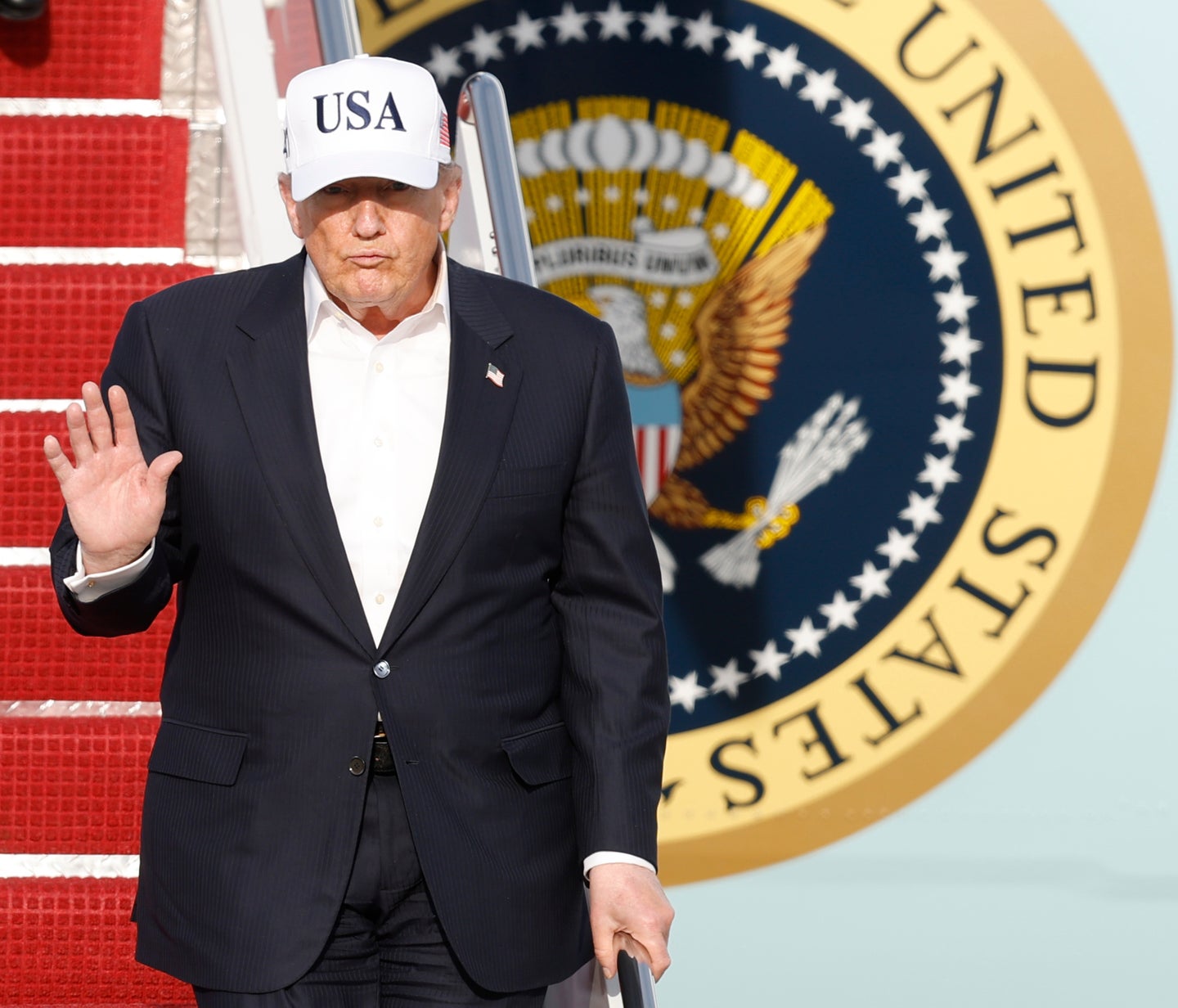
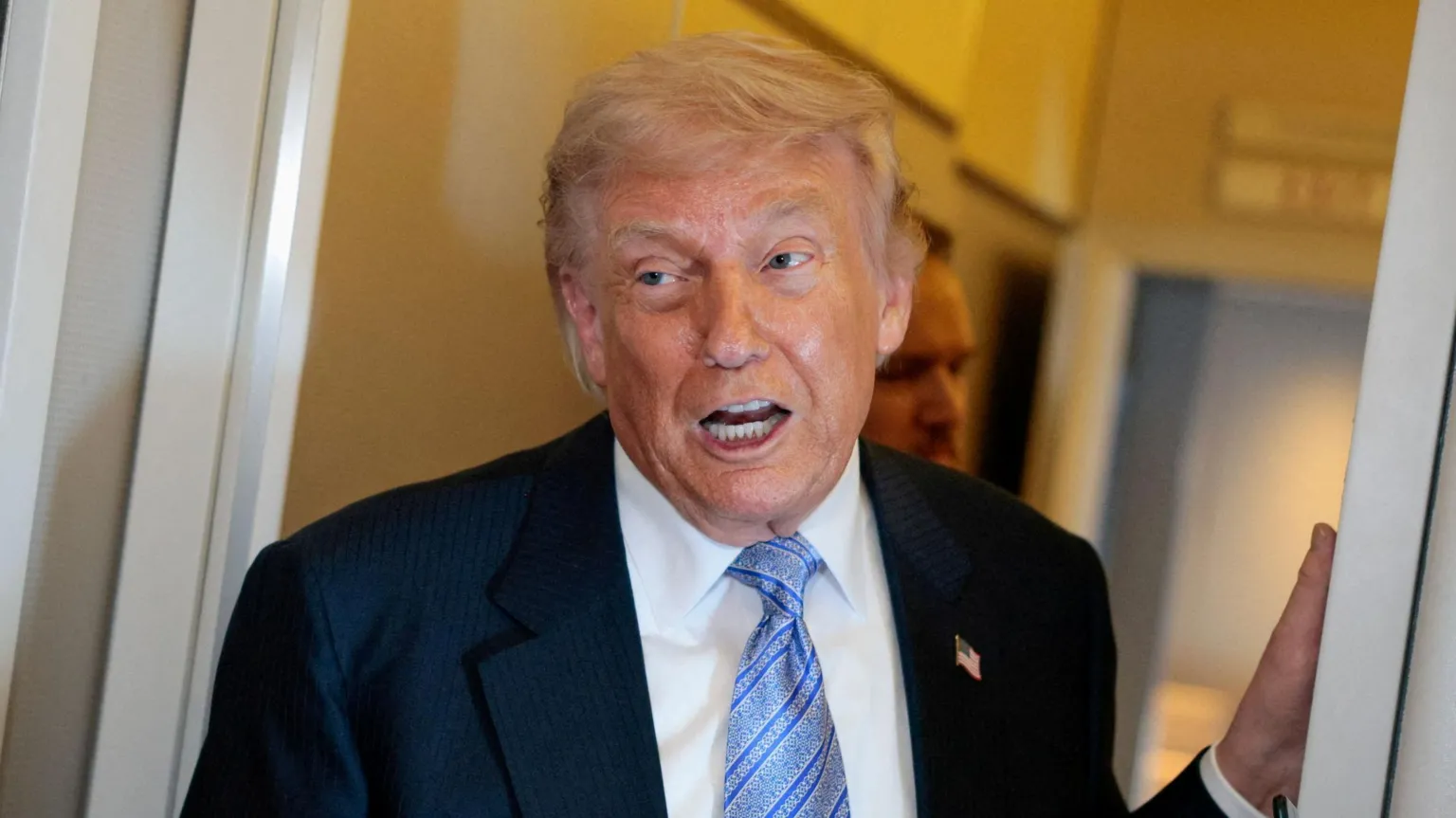
This development unfolds against a backdrop of heightened tensions following the US and Israel’s actions against Iran in late February, which led to Iran restricting shipping through the vital Strait of Hormuz. Former US President Donald Trump has repeatedly criticized NATO allies for their perceived reluctance to play a more significant role.
Meanwhile, UK Prime Minister Keir Starmer has asserted that greater involvement in the conflict or the current US blockade of Iran’s ports is not in the UK’s interest. However, the UK has permitted the US to use British bases for strikes on Iranian sites targeting the Strait of Hormuz, and RAF planes have participated in missions to intercept Iranian drones. The UK, France, and other nations have expressed willingness to ensure the Strait of Hormuz remains open following a lasting ceasefire or the cessation of hostilities.
NATO’s Purpose and Defense Spending
NATO, founded by countries including Belgium, Canada, Denmark, France, Iceland, Italy, Luxembourg, the Netherlands, Norway, Portugal, the UK, and the US, was primarily established to counter Soviet expansion in Europe. While the alliance does not possess its own army, member states collaborate to deploy forces in response to international crises, as seen in interventions in the former Yugoslavia and Afghanistan.
Member states are currently expected to allocate at least 2% of their national income to defense, a target that was agreed to be increased to 5% last June under pressure from Donald Trump. This spending is typically split between defense and infrastructure projects. The US and countries geographically close to Russia, such as Poland and the Baltic states, have historically been among the highest spenders.
Pentagon Email Details and Potential Retaliation
The internal Pentagon email, as reported by the unnamed US official to Reuters, indicated that access, basing, and overflight rights (ABO) were considered the “absolute baseline for Nato.” As potential retaliation for perceived lack of cooperation, the email suggested reassessing American diplomatic support for longstanding European “imperial possessions” like the Falkland Islands. Argentina, which refers to them as the Malvinas, has long claimed sovereignty over these British overseas territories and fought a war over them in 1982.
Another option outlined in the email involved suspending “difficult” countries from important positions within the alliance. The official clarified that the memo does not propose US withdrawal from NATO or the closure of European bases.
Responding to the Reuters story, Pentagon Press Secretary Kingsley Wilson stated that despite US efforts for its NATO allies, “they were not there for us.” She added, “The War Department will ensure that the president has credible options to ensure that our allies are no longer a paper tiger and instead do their part. We have no further comment on any internal deliberations to that effect.”
#NATO #Spain #USForeignPolicy #MilitaryAlliance #InternationalRelations #Falklands #StraitOfHormuz #DefenseSpending #Geopolitics #Diplomacy






Leave a Reply