

Israeli Prime Minister Benjamin Netanyahu has directed officials to initiate direct negotiations with Lebanon “as soon as possible,” citing requests from Beirut. This comes amidst ongoing high tensions, even with a broader regional ceasefire in place.
Lebanon observed a day of mourning on Thursday after Israeli attacks resulted in at least 200 deaths and over 1,000 injuries in a single day. Iranian President Masoud Pezeshkian stated that these strikes violated the US-Iran ceasefire and warned they could jeopardize ongoing negotiations, reaffirming Tehran’s commitment not to abandon Lebanon.
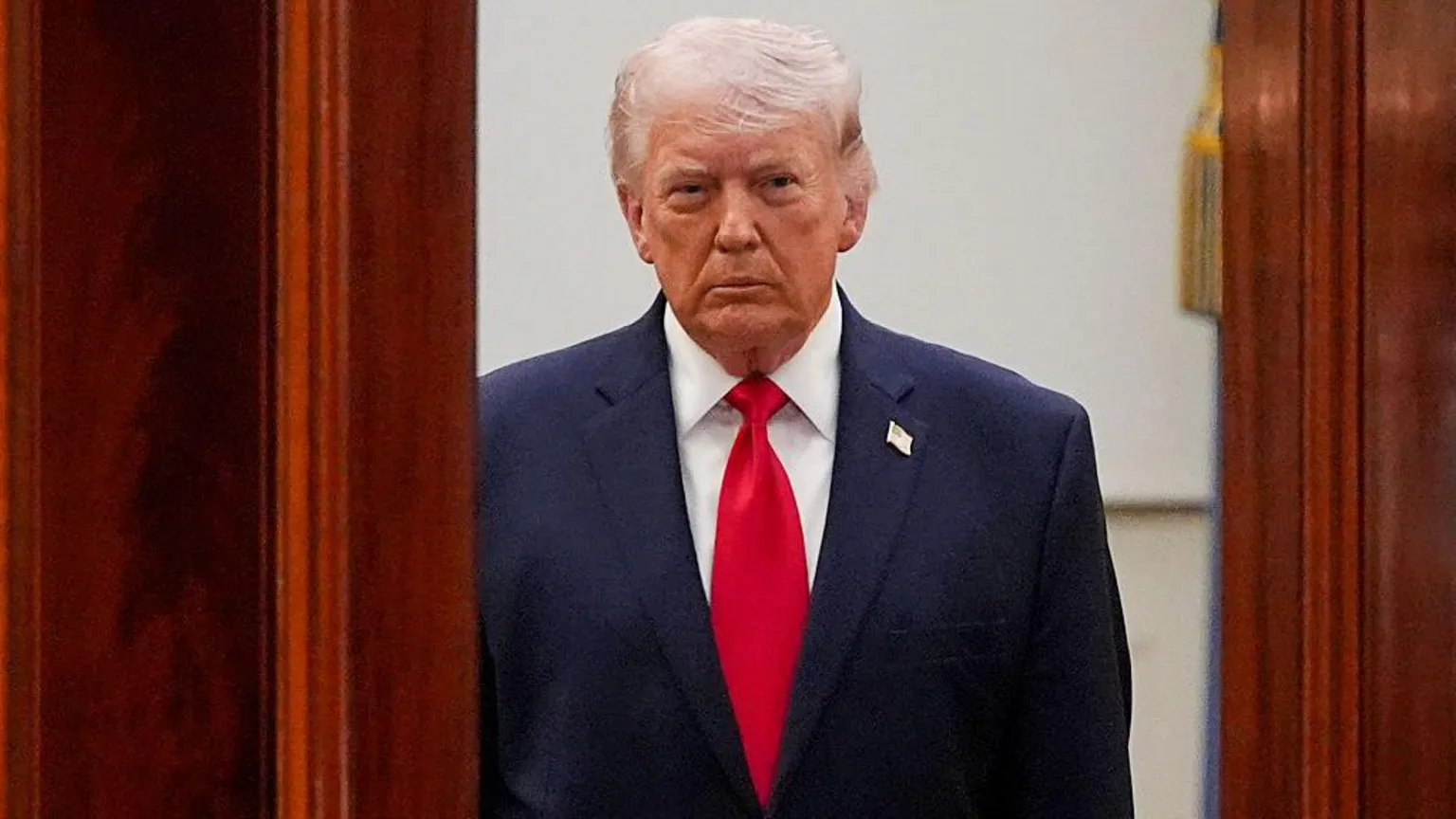
US President Donald Trump announced that American forces would remain stationed around Iran until a “real agreement” is fully implemented, cautioning against further conflict if this condition is not met.
Here is what we know:
In Iran
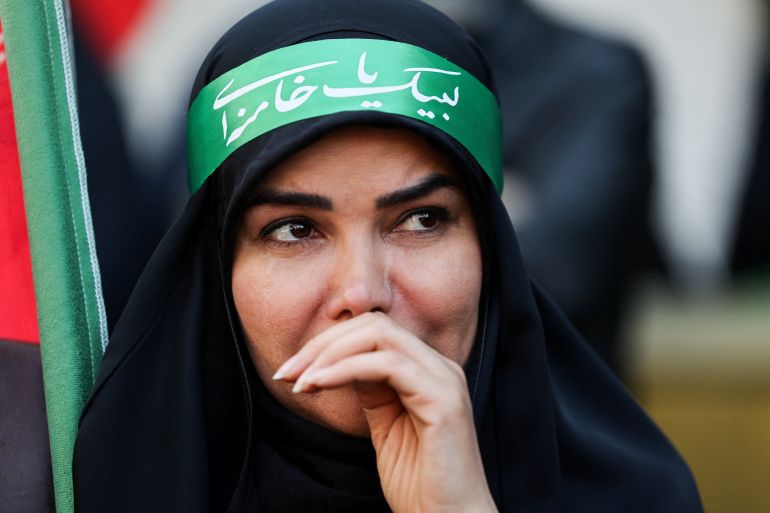
Major leadership casualties: In Iran, nationwide rallies are being held to honor the assassinated leader, Ali Khamenei. Additionally, Kamal Kharrazi, the former foreign minister and head of Iran’s Council on Foreign Relations, has passed away.
Iran pushes for sanctions relief: Analysts suggest that Tehran might be leveraging its influence over the Strait of Hormuz to push for sanctions relief and reintegration into the global economy. Alex Vatanka of the Middle East Institute noted that Iran’s strategy involves lifting both primary and secondary sanctions to facilitate foreign investment and trade, aiming to become “a normal country.” He added that while Hormuz could generate revenue, it is not a sustainable long-term solution.
Iran leader issues new message: Iran’s new supreme leader, Mojtaba Khamenei, conveyed in his latest written message that the Islamic Republic does not seek war with the US and Israel but will safeguard its national rights, state television reported. Khamenei has not appeared in public since the assassination of his father, Ali Khamenei, on February 28.
Turkiye aid to Iran: The Red Cross and Turkiye’s Red Crescent have dispatched an aid convoy to Iran, highlighting a “desperate” humanitarian situation in the country.
War diplomacy
Status of the US-Iran ceasefire: A Pakistani-negotiated ceasefire between the US and Iran is currently in effect, though its precise scope is contributing to regional tensions.
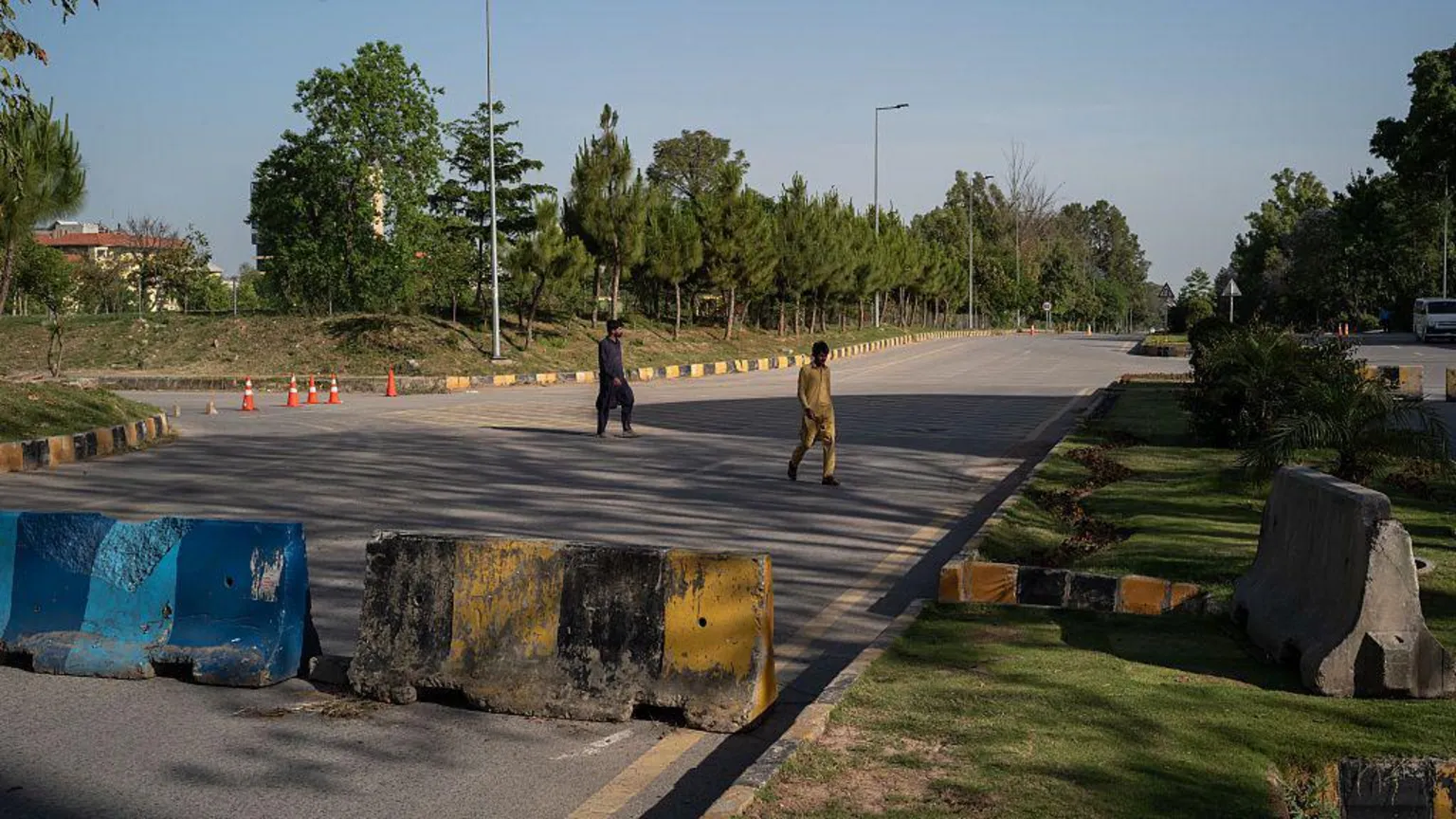
JD Vance departs Washington for talks in Pakistan: US Vice President JD Vance is leading the American delegation to Islamabad for negotiations, amidst mutual accusations of ceasefire violations, stating their intention for “a positive negotiation.”
US-Iran trust ‘completely negligible’: Analyst Omar Rahman described the ceasefire as rushed and not fully endorsed by all parties, with tensions already surfacing regarding Lebanon and the Strait of Hormuz. He noted that Iran’s 10-point plan and the US’s 15-point proposal remain significantly divergent, labeling the outcome an “unmitigated failure” for Trump.
Ongoing diplomatic efforts: The UN chief’s envoy, Jean Arnault, met with Iran’s Deputy Foreign Minister Kazem Gharibabadi in Tehran and inspected sites damaged by recent strikes. He is expected to continue discussions in Pakistan.
Israel-Lebanon talks planned in Washington: Israel and Lebanon are scheduled to hold talks next week in Washington, according to a US official.
In the Gulf
Saudi refinery shut: French energy giant TotalEnergies has announced the shutdown of a major refinery on Saudi Arabia’s eastern Gulf coast, a joint venture with state-owned Aramco (SATORP), following damage sustained during the war. The Saudi Energy Ministry confirmed “multiple attacks” on oil and gas facilities.
Diplomatic push to stabilise region: Diplomatic efforts are underway across the Gulf to contain the war’s repercussions. The UK’s prime minister visited Qatar, Bahrain, and Saudi Arabia, and met with UAE President Mohamed bin Zayed Al Nahyan. He emphasized the necessity of fully reopening the Strait of Hormuz and expressed support for regional partners.
In the US
Trump urges de-escalation: President Trump is reportedly urging Israel to de-escalate its operations in Lebanon, advising Prime Minister Benjamin Netanyahu to “low-key it.”
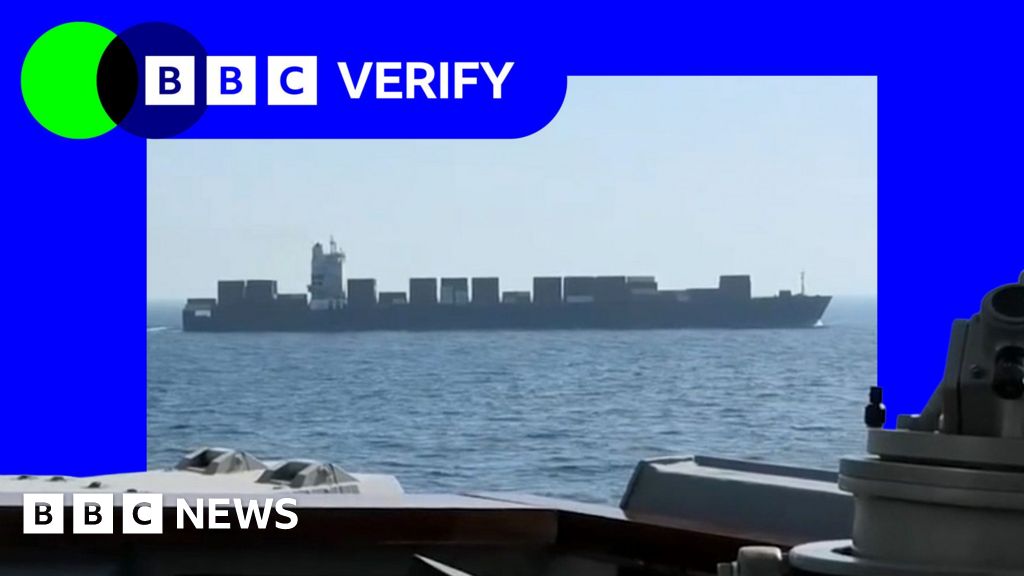
Trump warns Iran against Hormuz tolls: Trump has also warned Iran against imposing tolls on ship owners for passage through the Strait of Hormuz, stating such a move would be unacceptable.
In Israel
Backlash grows in northern Israel: Prime Minister Netanyahu is facing increasing criticism from communities in northern Israel, whose local leaders feel neglected. Opponents contend that he launched the Lebanon offensive without a clear strategic objective. Security concerns remain elevated, with air raid sirens sounding in Haifa and nearby towns after a rocket launch from Lebanon.
International pressure mounts: International pressure for restraint is mounting. The World Health Organization chief urged Israel to withdraw evacuation threats impacting hospitals in Beirut that are caring for hundreds of patients. Canada’s foreign minister called on Israel to “respect Lebanon’s territorial integrity.”
Israel air raid sirens: Air raid alerts were activated across Israel, including in the commercial hub of Tel Aviv and the southern coastal city of Ashdod, following rocket fire from Lebanon.
West Bank and Gaza:
Spain expelled from Gaza coordination hub: Netanyahu has removed Spain from a civil-military coordination center linked to the Gaza “ceasefire,” citing the country’s “hostility” and criticism of Israel’s military operations in Gaza, the occupied West Bank, and Lebanon.
OIC condemns new Israeli settlements: The Organisation of Islamic Cooperation (OIC) strongly condemned Israel’s recent approval of 34 new settlements in the occupied West Bank, warning that this action aims to undermine the two-state solution and constitutes a flagrant violation of international law.
In Lebanon and Iraq
Israel issues evacuation order for Beirut: Israel’s military warned residents of Beirut’s southern suburbs, a long-standing stronghold of the Lebanese group Hezbollah, of imminent strikes and issued a leave-or-die threat to those remaining in their homes.
Strikes continue as ground offensive expands: Air raids persist, with drones flying low over Beirut. Israeli forces are advancing to encircle Bint Jbeil, a town of 30,000 people in southern Lebanon.
Humanitarian concerns grow: Humanitarian concerns are growing, as medical facilities in Lebanon are treating hundreds of patients and sheltering thousands of displaced people.
Netanyahu threatens Hezbollah: Netanyahu stated that Israel would continue to strike Hezbollah “wherever necessary,” adding on his personal X account, “We are continuing to strike Hezbollah with force, precision and determination.”
Hezbollah warns Lebanon government: Hezbollah leader Naim Qassem urged the Lebanese government to cease making “free concessions” to Israel in anticipation of upcoming talks between the two governments.
Drone strike hits US facility in Iraq: The US deputy secretary of state summoned Iraq’s ambassador after a drone strike hit a major US diplomatic site in Baghdad.
#IranWar #USIsraelAttacks #MiddleEastConflict #LebanonCrisis #Gaza #WestBank #StraitOfHormuz #DiplomacyEfforts #HumanitarianCrisis #RegionalTensions




Leave a Reply