

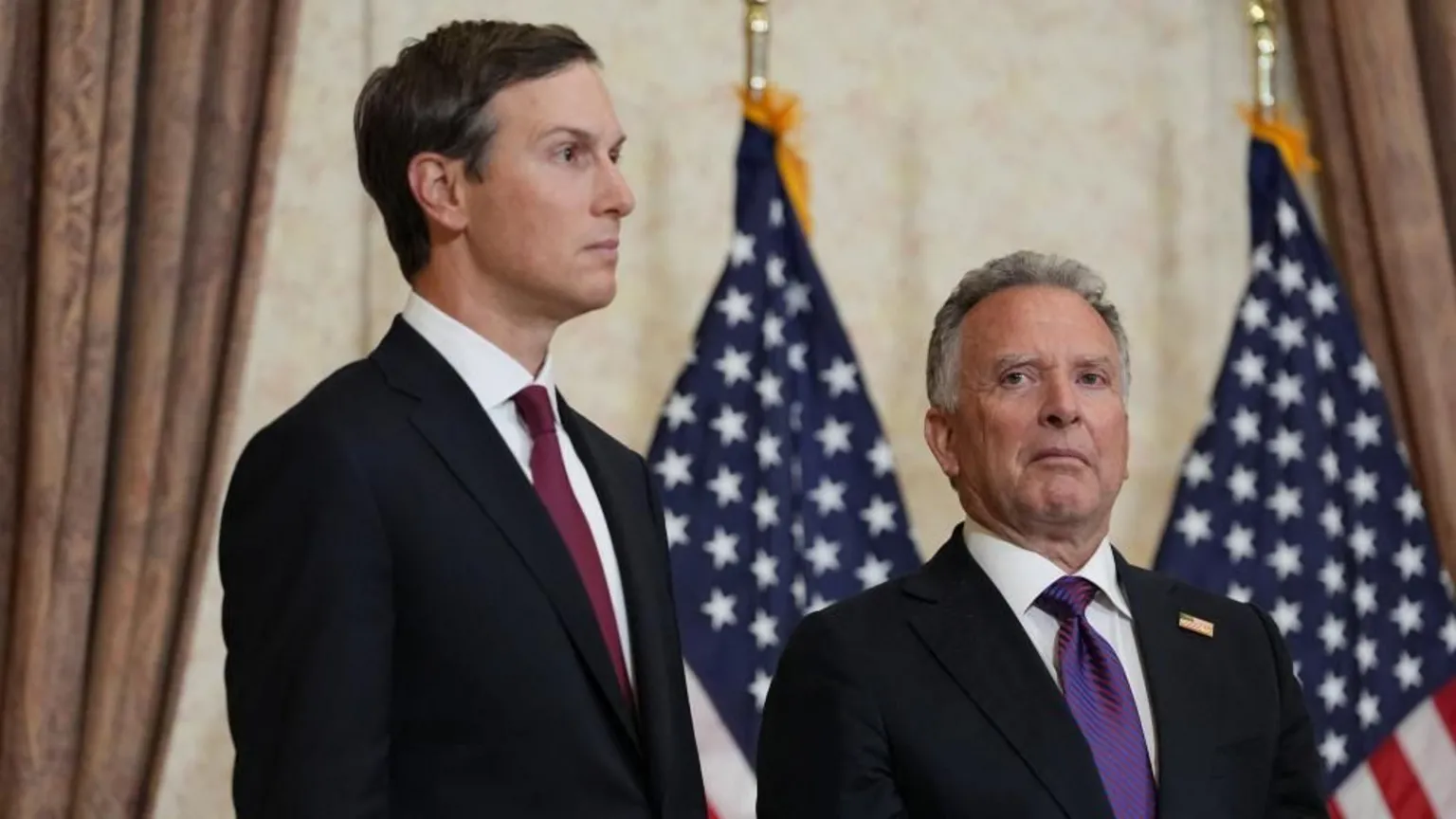
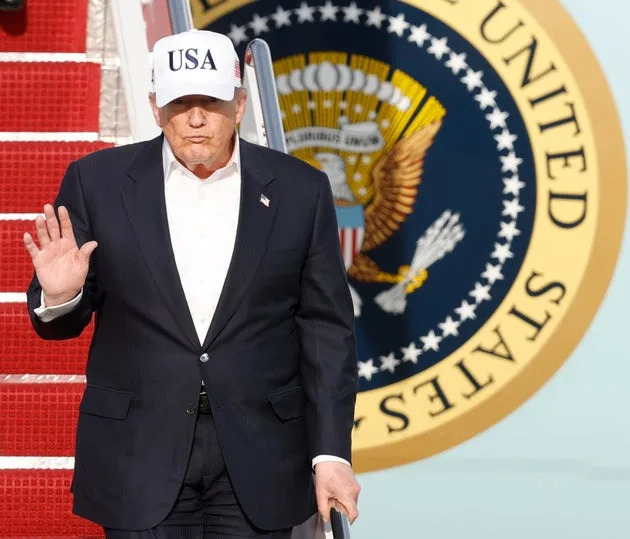
The White House has announced that Donald Trump’s special envoy, Steve Witkoff, and the U.S. President’s son-in-law, Jared Kushner, are traveling to Pakistan on Saturday morning for peace talks with Iran.
White House press secretary Karoline Leavitt stated, “The Iranians want to talk,” adding that U.S. Vice-President JD Vance was “on standby” to travel should the discussions prove successful.
Iranian Officials Arrive in Islamabad
Iran’s foreign ministry spokesman, Esmail Baqaei, confirmed that he and Foreign Minister Abbas Araghchi arrived in Islamabad early Saturday. Araghchi is scheduled to meet with “Pakistani high-level officials.” Baqaei clarified that “No meeting is planned to take place between Iran and the US. Iran’s observations would be conveyed to Pakistan.”
Ahead of these comments, U.S. Defence Secretary Pete Hegseth remarked that Tehran had an opportunity to secure a “good deal,” emphasizing that “all they have to do is abandon a nuclear weapon and in meaningful and verifiable ways.” Hegseth also warned on Friday that Washington’s ongoing blockade of the Strait of Hormuz, a crucial oil shipping route, was “growing and going global.”
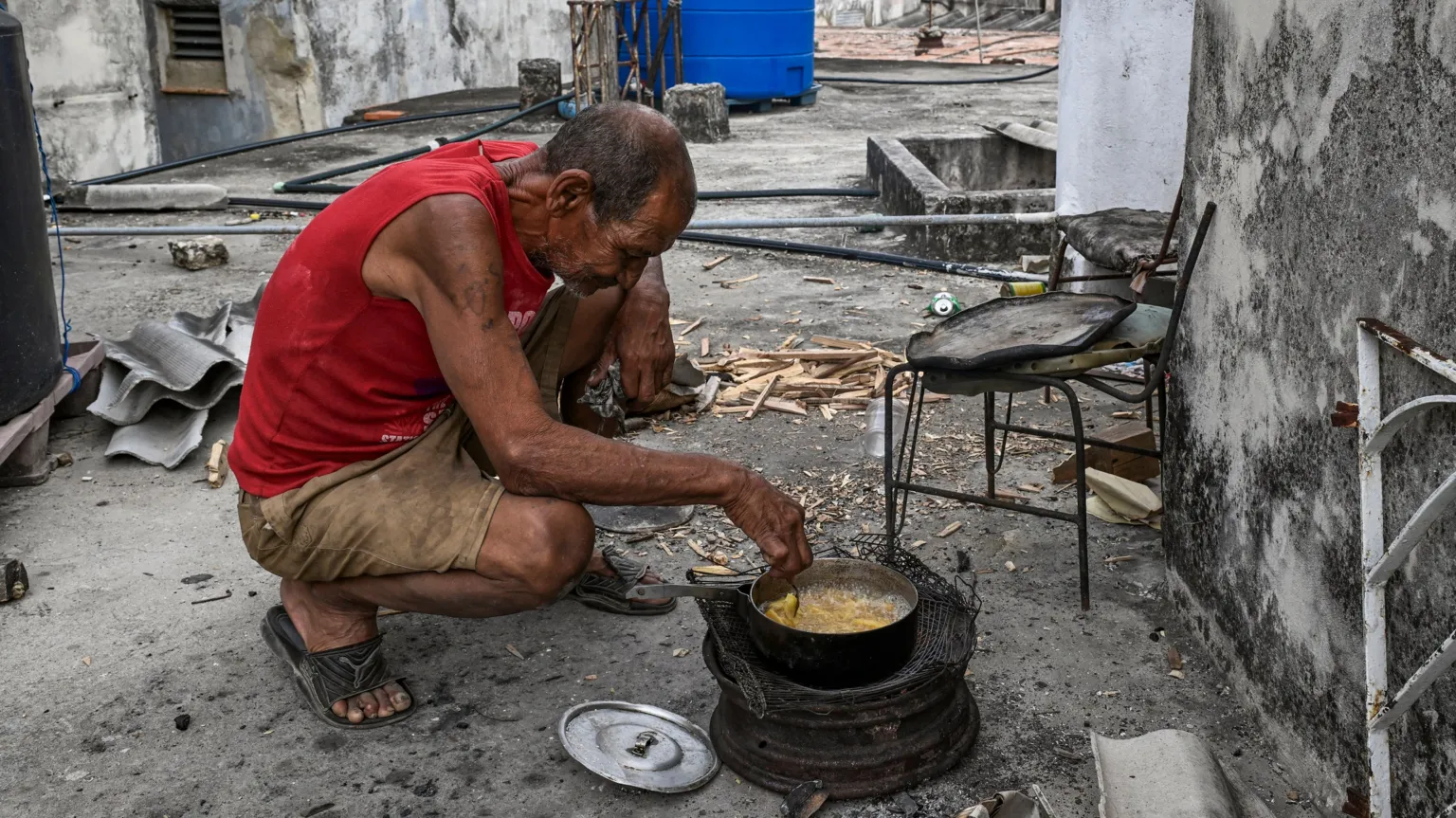
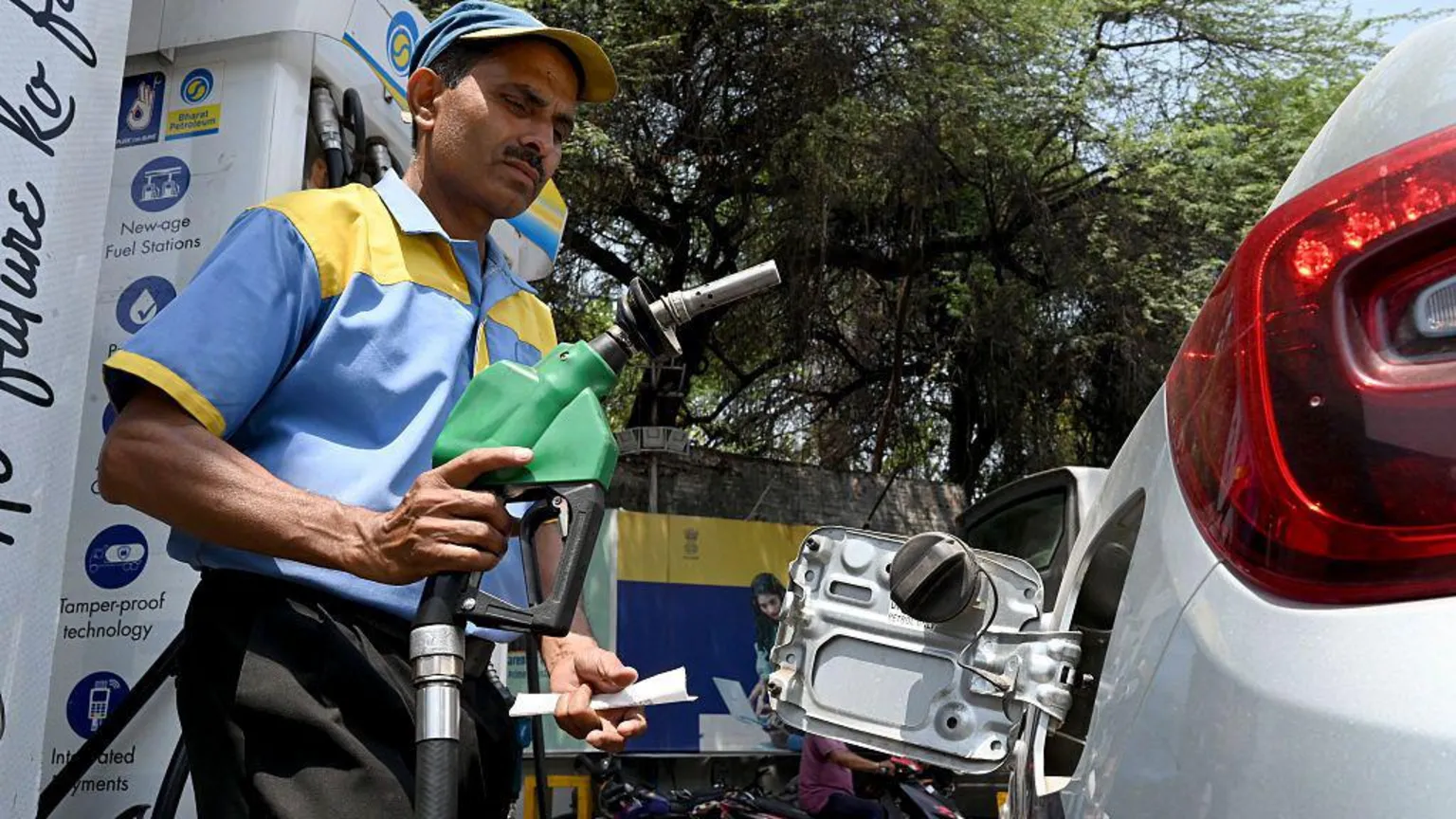
The U.S. and Israel initiated attacks on Iran on February 28, prompting Tehran to subsequently restrict shipping through the Strait of Hormuz. These actions by the involved parties have led to a skyrocketing of global oil prices.
Diplomacy Amidst Tensions
Leavitt told reporters on Friday that President Trump decided to send Witkoff and Kushner to Islamabad “to hear the Iranians out,” underscoring that the U.S. president is “always willing to give diplomacy a chance.” She also noted, “we’ve certainly seen some progress from the Iranian side in the last couple of days.”
The Iranian embassy in Islamabad confirmed that Foreign Minister Araghchi plans to “review bilateral matters” and discuss regional developments during his visit.
Despite the White House’s diplomatic push, Trump and Hegseth have maintained this week that the U.S. is not under pressure to conclude the conflict with Iran. However, the continuation of U.S.-Iran talks this weekend highlights a clear divergence between the administration’s public statements and its behind-the-scenes efforts to find a resolution to the war. This suggests that both sides are actively seeking a path forward, even with mixed messages from Trump and assertive posturing from Tehran. The extent of progress achievable in Pakistan remains an open question.
JD Vance led the U.S. delegation in the initial round of talks earlier this month, but his participation in this weekend’s negotiations is not yet confirmed. Vance’s potential absence might suggest that a major breakthrough is not anticipated, yet the ongoing nature of the talks indicates both the U.S. and Iran are interested in reaching a deal.
Strait of Hormuz: A Point of Contention
On Wednesday, Iran’s parliamentary speaker, Mohammad Bagher Ghalibaf, asserted that it was “not possible” for the Strait of Hormuz to be reopened due to “the blatant violations of the ceasefire” by the U.S. and Israel. He specifically cited the U.S. naval blockade of Iranian ports as a violation, which he claimed amounted to taking the global economy “hostage,” alongside “warmongering” by Israel “on all fronts.”
Iranian President Masoud Pezeshkian reiterated Tehran’s openness to negotiations with the U.S. but emphasized that “breach of commitments, blockade and threats are main obstacles to genuine negotiations.” Earlier this week, Trump announced an indefinite extension to the ceasefire with Iran, which was set to expire on Wednesday, to facilitate ongoing negotiations.
The Strait of Hormuz is a narrow waterway situated between Iran, the United Arab Emirates (UAE), and Oman. At its narrowest point, it is approximately 21 miles (33 km) wide, connecting the Persian Gulf to the Gulf of Oman, making it a critical global shipping route. Roughly 20% of the world’s oil and liquefied natural gas typically transits through the Strait of Hormuz. This includes oil from Iran, as well as Gulf states like Iraq, Kuwait, Qatar, Saudi Arabia, and the UAE. In 2025, an estimated 20 million barrels of oil passed through the waterway daily, representing nearly $600 billion (£447 billion) in energy trade annually, according to the U.S. Energy Information Administration (EIA). Sea traffic has been significantly reduced since the conflict began.
In related developments, the U.S. Treasury imposed sanctions on a major Chinese refinery and 40 other entities, including vessels and their owners, stating this was aimed at disrupting “Iran’s illicit oil trade.” Separately, Israel and the Iran-backed Hezbollah military group in Lebanon exchanged accusations of ceasefire violations, following Trump’s announcement of a three-week extension to the Israel-Lebanon truce.
#USIranTalks #PakistanDiplomacy #StraitOfHormuz #OilPrices #MiddleEastPeace #TrumpAdministration #IranNuclearDeal #Geopolitics #Ceasefire #GlobalEnergy


Leave a Reply