


UK Families Face Financial Strain as Iran War Drives Up Costs
“I don’t want the children to see how worried we are”: This sentiment echoes among UK families whose finances have been significantly impacted by the conflict involving Iran. Before the recent escalation, Naomi, a mother, never hesitated to fill her family van for her young daughter’s regular hospital visits. Now, it’s a different story.
Fuel prices have surged since the conflict began, dramatically increasing the cost of transporting 10-year-old Riziah, who has complex medical conditions, to Liverpool for vital care, a journey of over 30 miles. What was once a routine expense now forces the family to make cuts elsewhere just to manage.
“I don’t want the children to see how worried we are,” Naomi states. BBC Panorama has highlighted the plight of families experiencing the sudden financial burden of a distant conflict, as daily living costs continue to climb.
Naomi, residing in Chorley, Lancashire, with her husband, daughter, and teenage son, exemplifies many families facing this challenge. Rising fuel costs have become a significant financial strain for those who, like them, have no alternative but to travel.
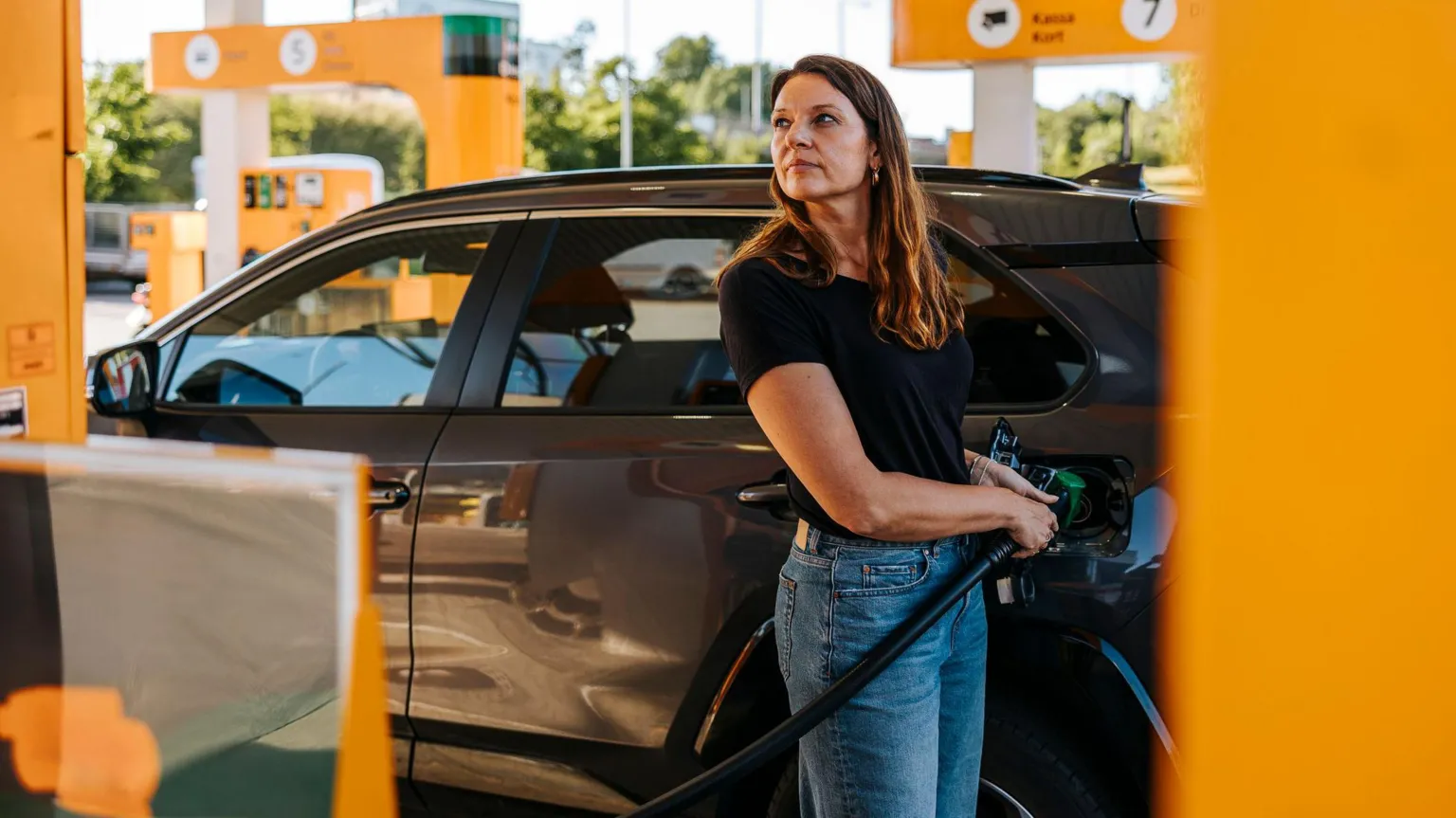
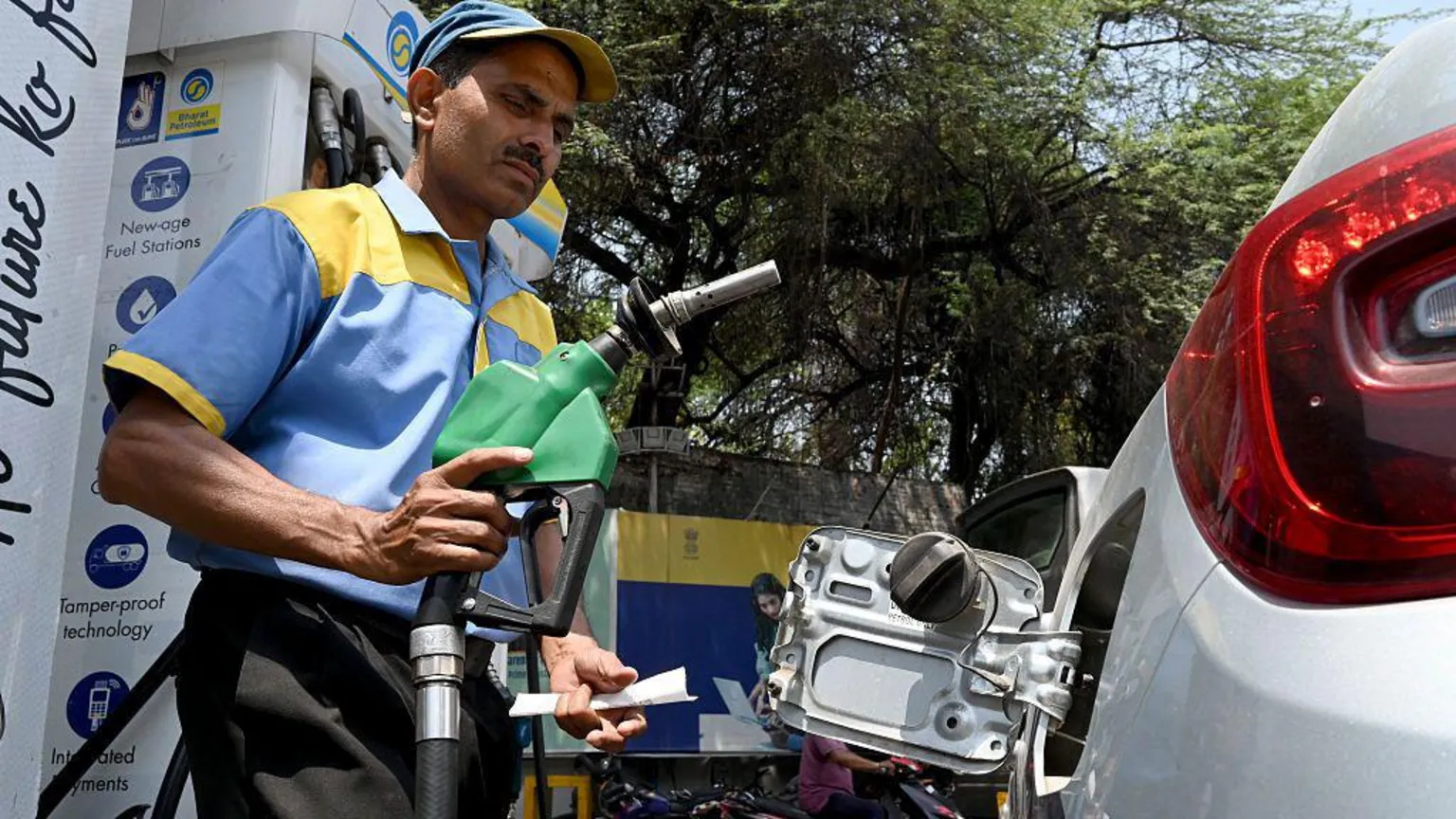
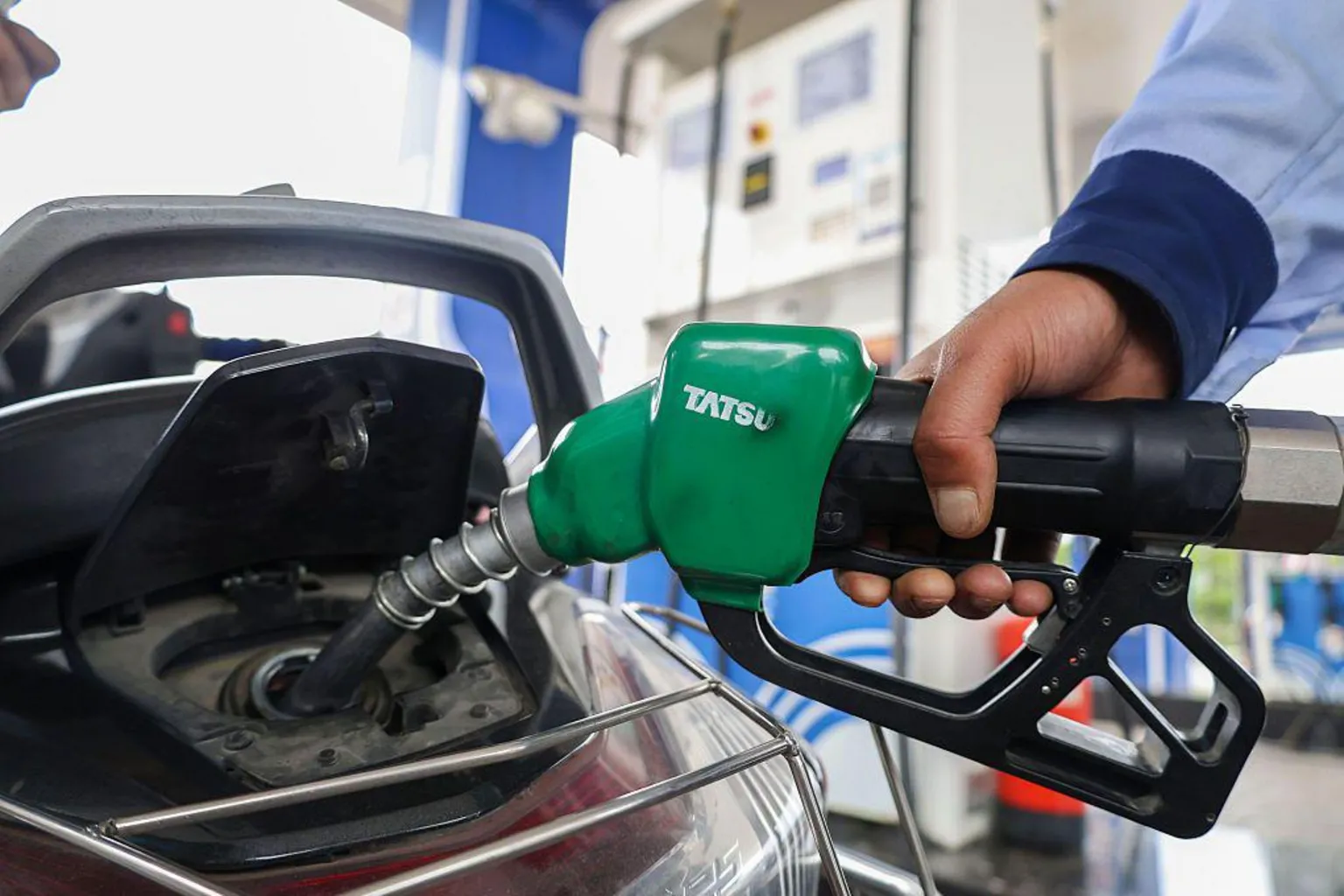
“We’ve just filled up the van and it’s cost us just short of £130. How is that doable? To just carry on filling up your van each time,” Naomi expresses her frustration. Since the conflict began on February 28, her family is spending approximately £30 extra a week on diesel. Government data indicates that the cost of diesel has soared by 35% in nearly two months, while petrol prices have increased by 19%. This translates to an additional £14 to fill a typical family car with petrol and about £27 more for a tank of diesel.
Historical data reveals the volatility of fuel prices. Starting below £1.40 per litre in late 2021, prices sharply increased in March 2022 following Russia’s invasion of Ukraine, reaching £1.65 for unleaded and £1.77 for diesel. They peaked in July 2022 at £1.91 for unleaded and £1.99 for diesel, before a general downward trend. However, by the end of February 2026, coinciding with reported actions by the US and Israel in relation to Iran, prices stood at £1.33 for unleaded and £1.42 for diesel. As of April 22, 2026, these have further climbed to £1.57 for unleaded and £1.90 for diesel.
Energy Bills Expected to Rise
Beyond travel expenses, Naomi is also concerned about the impending increase in home energy bills later this year, following substantial hikes in previous years. Riziah’s medical condition necessitates the use of devices that consume additional electricity, and the family home must be kept warm year-round for her well-being.
While millions of household energy bills in England, Wales, and Scotland are safeguarded by a price cap, which limits the cost per unit of gas and electricity, this cap, despite a recent drop, is projected to increase in the next quarter, starting in July. Energy consultancy Cornwall Insight forecasts the cap will rise to £1,843 annually for a typical household, representing an increase of over 12%, or approximately £200.
Impact of Strait of Hormuz Closure
A primary factor contributing to the surge in diesel and energy costs is the closure of the Strait of Hormuz, the crucial waterway separating Iran from Oman. This strait, deep enough for the world’s largest crude oil tankers, normally facilitates the transport of a fifth of global oil from Middle Eastern oilfields.
Early in the conflict, there were reports of actions by Iran impacting shipping in the strait, in response to reported strikes by the US and Israel. This development effectively restricted the global supply of oil and gas.
Despite a current ceasefire, an ongoing standoff between Iran and the US means the strait remains largely closed to traffic. Although the UK sources minimal gas directly from the region, the global supply squeeze has driven up international oil and gas prices. These elevated wholesale gas prices ultimately translate into higher gas and electricity bills for UK households. Furthermore, increased fuel and energy prices are anticipated to be followed by rising food costs later this year, as disruptions to shipping routes and global fuel flows ripple through the broader economy.
The Strategic Importance of the Strait of Hormuz
The Strait of Hormuz is a narrow, strategically vital waterway situated between Iran, the United Arab Emirates (UAE), and Oman. At its narrowest point, it spans approximately 21 miles (33 km), connecting the Persian Gulf to the Gulf of Oman.
This route is critical for global shipping, as it typically handles about 20% of the world’s oil and liquefied natural gas. The oil passing through originates not only from Iran but also from other Gulf states including Iraq, Kuwait, Qatar, Saudi Arabia, and the UAE. In 2025, the US Energy Information Administration (EIA) estimated that roughly 20 million barrels of oil traversed the waterway daily, representing nearly $600 billion (£447 billion) in annual energy trade. Since the conflict began, sea traffic has seen a significant reduction.
Vulnerable Households and Businesses Most Affected
Mohamed El-Erian, an economist and professor at the Wharton School of the University of Pennsylvania, warns that many households, already operating with limited budget capacity, are likely to face even tighter financial conditions. He expresses concern that the ongoing conflict could continue to impact families struggling to make ends meet.
“This is what worries me most. What’s happening now hits those that are most vulnerable, the lower income households that are already under significant pressure, and as a result, they are hardest hit,” El-Erian states. Businesses are also contending with higher transport and energy costs. While most are currently absorbing these costs, future increases, particularly in food production and transportation, are expected to be passed on to consumers.
Interest Rates and Inflation Outlook
The economic ripple effects extend to interest rates. While potentially favorable for savers, borrowers may face disappointment regarding the outlook. The Bank of England, which utilizes interest rates to control inflation, had been anticipated to cut rates this year. However, inflationary pressures linked to the Iran conflict, now felt across the economy, may prevent such a move.
UK inflation, measured by the Consumer Prices Index (CPI), increased to 3.3% in the year to March, up from 3% in the 12 months to February. This surge follows the largest jump in petrol and diesel prices in over three years, attributed to the Iran conflict. Economists predict inflation could peak between 3.5% and 4% this year. Although the Bank of England initially forecast inflation to fall below its 2% target in April, current rates remain significantly lower than the double-digit figures observed in 2022 during the early stages of the Ukraine conflict.
Mortgage Costs Soar for Homeowners
Leading economist Michael Saunders notes that mortgage interest rates are already rising sharply as markets anticipate further rate increases in the coming months. “That means households looking to re-fix their mortgage face substantially higher costs than they would have expected previously,” he explains. Financial information service Moneyfacts reports that the interest on an average five-year fixed-rate mortgage now stands at 5.7%, up from 4.95% before the conflict began.
Iona, living with her teenage daughter in Mansfield, Nottinghamshire, is one homeowner affected by this volatile mortgage market. Her five-year fixed-rate mortgage expires in September. While she expected a rise in payments, the onset of the Iran conflict exacerbated the situation. Her current monthly payment of £720 for her three-bedroom house will now jump to £1,020 – an increase of £300.
“I was gobsmacked. I always expected it would increase anyway but it was a massive shock,” Iona recounts. She has accepted another five-year fixed rate, viewing it as a gamble but necessary due to concerns about further rate hikes. Her increased monthly outgoings mean she is already seeking ways to save on groceries and cutting back on small luxuries with her daughter, such as music shows and dining out.
For Iona, the repercussions of the conflict involving Iran feel far closer to home than she ever imagined. “I didn’t think what was happening thousands of miles away would have a direct impact on my life and my family’s life.”
#UKEconomy #FuelPrices #EnergyBills #CostOfLivingCrisis #IranConflict #StraitOfHormuz #Inflation #MortgageRates #FamilyFinances #GlobalImpact






Leave a Reply