

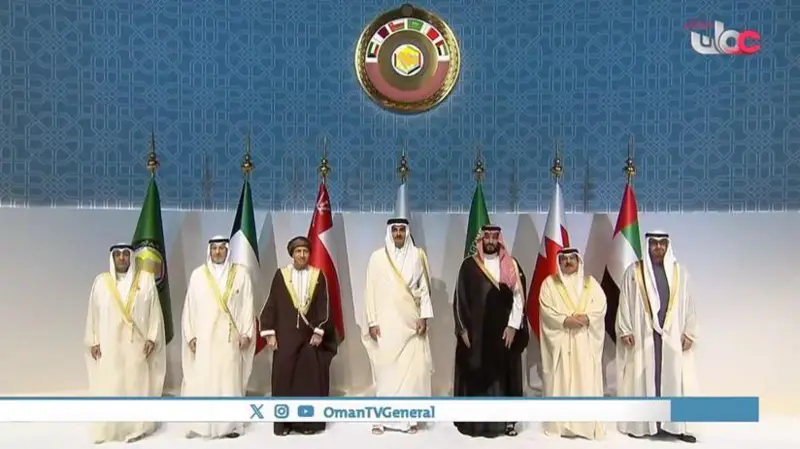
What do the Gulf states seek from US-Iran talks?
Tensions have begun to ease among the Gulf Cooperation Council (GCC) states following a two-week ceasefire agreement between the US and Iran on April 8. The announcement means Iran will cease attacks on civilian and military buildings in these countries.
The demand of the Gulf member states is to reach a lasting resolution that allows unimpeded passage of ships through the Strait of Hormuz.
However, the United Arab Emirates strongly condemned Tehran. Oman, on the other hand, directly criticized Washington without hesitation and invited Tehran for direct talks.
The question remains: will an agreement between the US and Iran yield the results desired by the Gulf States Authority?
Qatar
Qatar has focused on ways to de-escalate conflict, foster regional cooperation, and protect global energy transportation.
Majid Al-Ansari, spokesperson for Qatar’s Ministry of Foreign Affairs, told journalists on April 14 that Doha’s priority is to “turn the ceasefire into permanent peace.”
One of Qatar’s demands is to ensure robust maritime security. Mr. Ansari highlighted “the importance of trade through the Strait of Hormuz for international nations” and the need to abandon the use of the Strait of Hormuz for pressure and threats.
At a press conference on April 21, he stated that all countries have the right to use the Strait of Hormuz.
Qatar supported the mediation talks facilitated by Pakistan.
Saudi Arabia
Among Saudi Arabia’s Vision 2030 goals is the issue of oil, which is the backbone of the country’s economy.
Conflict could hinder Saudi Arabia’s aspirations.
Although the conflict revealed the limitations of a 2023 Saudi-Iran agreement brokered by China, diplomatic relations between the two countries remain intact.
Reports indicated that Prince Mohammed bin Salman supported Washington’s attacks on Iran.
In 2018, Prince Mohammed bin Salman warned that if Iran acquires nuclear weapons, Saudi Arabia would swiftly acquire its own.
One issue concerning Riyadh is Iran’s external support, particularly to the Houthi rebels in neighboring Yemen.
If the Houthis close the Bab al-Mandab Strait as they threaten, the Gulf country would undoubtedly lose a crucial oil export route.
Bahrain
Bahrain expressed satisfaction with the ceasefire in the Strait of Hormuz and called for an immediate halt to attacks.
On April 8, Bahrain’s Ministry of Foreign Affairs reiterated the need for appropriate measures to prevent Tehran from acquiring nuclear weapons and to halt its weapons development program.
Bahrain called on Tehran to promptly compensate for destroyed buildings and lost lives.
Kuwait
Kuwait also welcomed the ceasefire on April 8, supporting mediation that it believes could lead to a lasting agreement stabilizing regional security.
Kuwait called on Iran and its proxies to sheath their swords, respect national sovereignty, and avoid actions that could lead to regional insecurity.
Kuwait also condemned Iran’s use of long-range missiles and drones to attack buildings in the Gulf region.
United Arab Emirates
Among the Gulf states, the United Arab Emirates adopted a firm stance, openly criticizing Iran, accusing Tehran of instigating conflict, and dismissing Iran’s claims that it was merely responding to provocation.
Abu Dhabi called for an end to economic warfare tactics and ship seizures in the Strait of Hormuz.
Anwar Gargash, advisor to the UAE President, demanded Iran pay compensation in a statement he posted on his X account on March 29.
Abu Dhabi threatened to support the US in securing control of the Strait of Hormuz and confronting any government that poses a threat to the Gulf states.
Oman
Oman has a long history of mediating between Washington and Tehran, using diplomacy to resolve conflicts.
Muscat took a firm stance against the US among Gulf states, with Oman’s Foreign Minister Badr Busaidi expressing dissatisfaction to Washington after US and Israeli attacks on Iran, citing Washington’s breach of agreement.
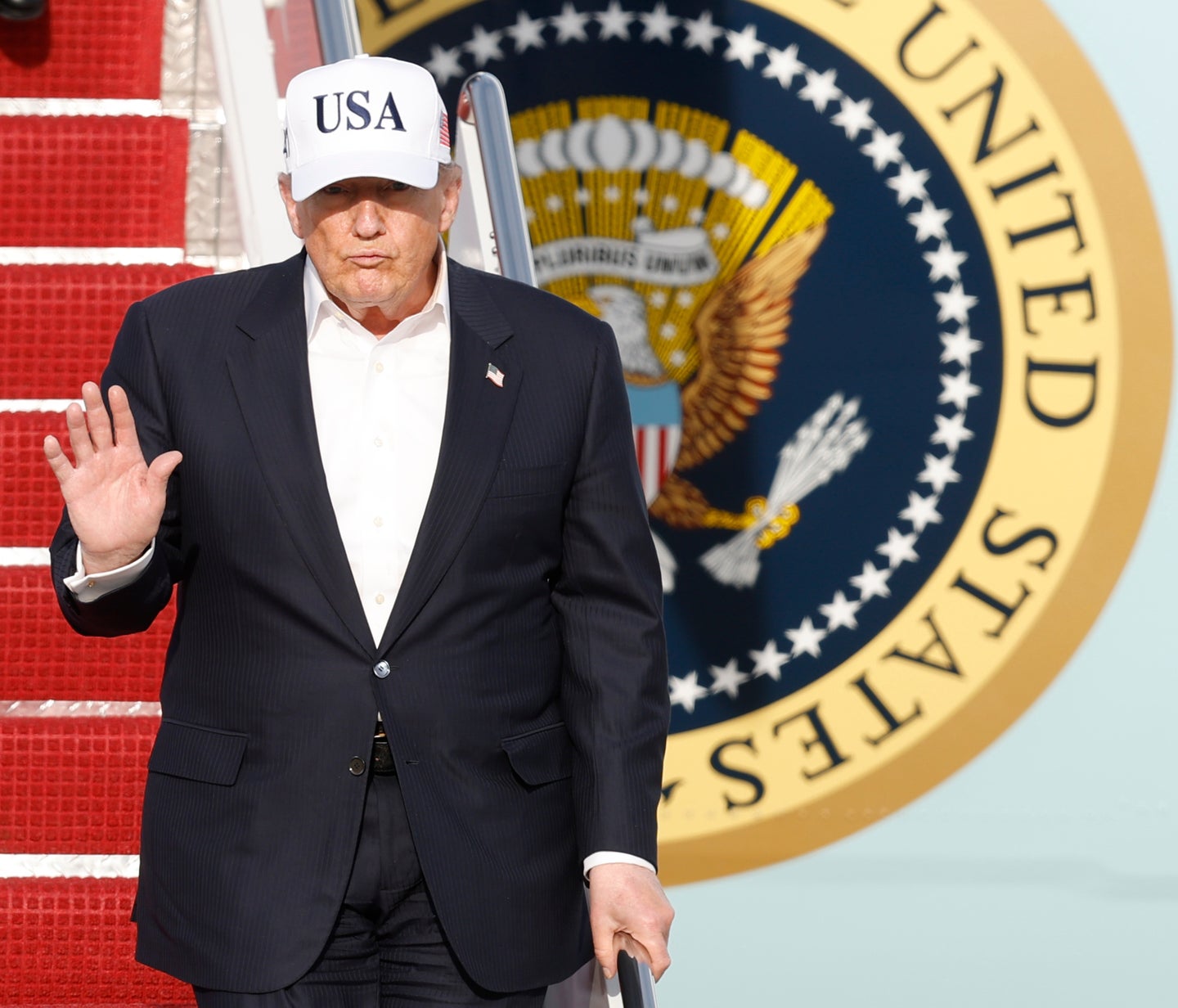
He told the US: “This is not your war.” He made this statement amidst speculation that Israel had prompted Donald Trump to attack Iran.
Oman welcomed the ceasefire but called for a complete “end to the war” in the region.
Media outlets reported that Oman and Iran are cooperatively monitoring ships traversing the Strait of Hormuz.
On April 4, senior Omani and Iranian officials discussed the possibility of resuming maritime traffic in the waterways.
#GulfStates #RegionalPeace #StraitOfHormuz #USIranTalks #GCC #MiddleEastDiplomacy #EnergySecurity #IranNuclearProgram #Ceasefire #MaritimeSecurity






Leave a Reply