

Iran has been actively engaging with Moscow, with its foreign minister meeting Russian President Vladimir Putin. This engagement underscores Iran’s efforts to secure international backing amidst stalled talks with the US and increasing complexities surrounding the Iran-Israel conflict.
High-Level Diplomatic Engagements
Iranian Foreign Minister Abbas Araghchi visited Russia on April 27 for a meeting with President Vladimir Putin. This significant diplomatic trip comes as discussions continue between the US and Iran regarding de-escalation of the conflict, which saw an escalation with attacks on Iran beginning February 28.
Iran has also been involved in mediation efforts with the US, collaborating with countries like Pakistan and Oman. Oman previously hosted talks in February concerning the strikes.
Russia’s Role and Support
Russia has maintained a long-standing relationship with Iran. Iran has provided Russia with drones, which Moscow has utilized in Ukraine. However, Russia’s capacity to directly support Iran during recent US strikes on the country was limited.
The last high-level meeting between President Putin and Iranian officials took place in January, when Putin met with Ali Larijani, then secretary of Iran’s Supreme National Security Council. Larijani was later killed in an airstrike during the ongoing conflict.
Strategic Dialogue and Statements
Reports from sources like the BBC and a Telegram channel indicate that Araghchi’s meetings in Russia included not only President Putin but also Russia’s Foreign Minister Sergei Lavrov, Kremlin aide Yuri Ushakov, and Igor Kostyukov, head of Russia’s GRU military intelligence agency.
Araghchi described the relationship between Iran and Russia as “strategic” to Russian state media. Russian Foreign Minister Sergei Lavrov also commented on the utility of these meetings, as reported by Russia’s state media TASS.
Mediation Offers and Geopolitical Implications
Kremlin spokesman Dmitry Peskov stated that Moscow is prepared to mediate in achieving a peace deal between the US and Iran. Earlier, Putin reportedly offered Russia’s support in ending the conflict. Araghchi affirmed Iran’s resolve in “standing up to the world’s greatest superpower [the US],” a stance that aligns with Moscow’s desire for a multi-polar world order and a perceived decline in US influence.
The resilience demonstrated by Iran in the face of the conflict has reportedly influenced Moscow’s strategic thinking and is also informing China’s assessments. Iran is seeking enhanced support from Russia.
The Iranian delegation meeting Putin also included Deputy Foreign Minister Kazem Gharibabadi and Iran’s ambassador to Moscow, Kazem Jalali, according to the BBC.
Peskov reiterated Russia’s offer of “goodwill or mediation services acceptable to both sides.” Russia may also see an opportunity to engage in new talks with the US concerning Ukraine, recognizing that some in Washington might be receptive to Moscow’s position in that conflict.
Historically, Russia has leveraged its role in US-Iran discussions, as seen during the Obama administration, where temporary detente with the US was used to further its interests in Ukraine.
US Perspectives and Internal Dynamics
Russia is closely monitoring the status of US-Iran talks. Reports indicate that Iran now seeks to discuss the Strait of Hormuz and the nuclear issue separately. The US reportedly assesses that Iran faces significant internal divisions among its officials.
A TASS report highlighted US Secretary of State Marco Rubio’s statement that he had “never had direct contact with Iranian Foreign Minister Abbas Araghchi,” indicating that communications have been largely indirect, with some direct exchanges occurring in recent weeks regarding meetings in Islamabad.
Middle East Eye reported that President Vladimir Putin received a message from Iran’s Supreme Leader, Mojtaba Khamenei. Reuters noted that Putin praised the Iranian people for their resistance to the US during talks with Araghchi.
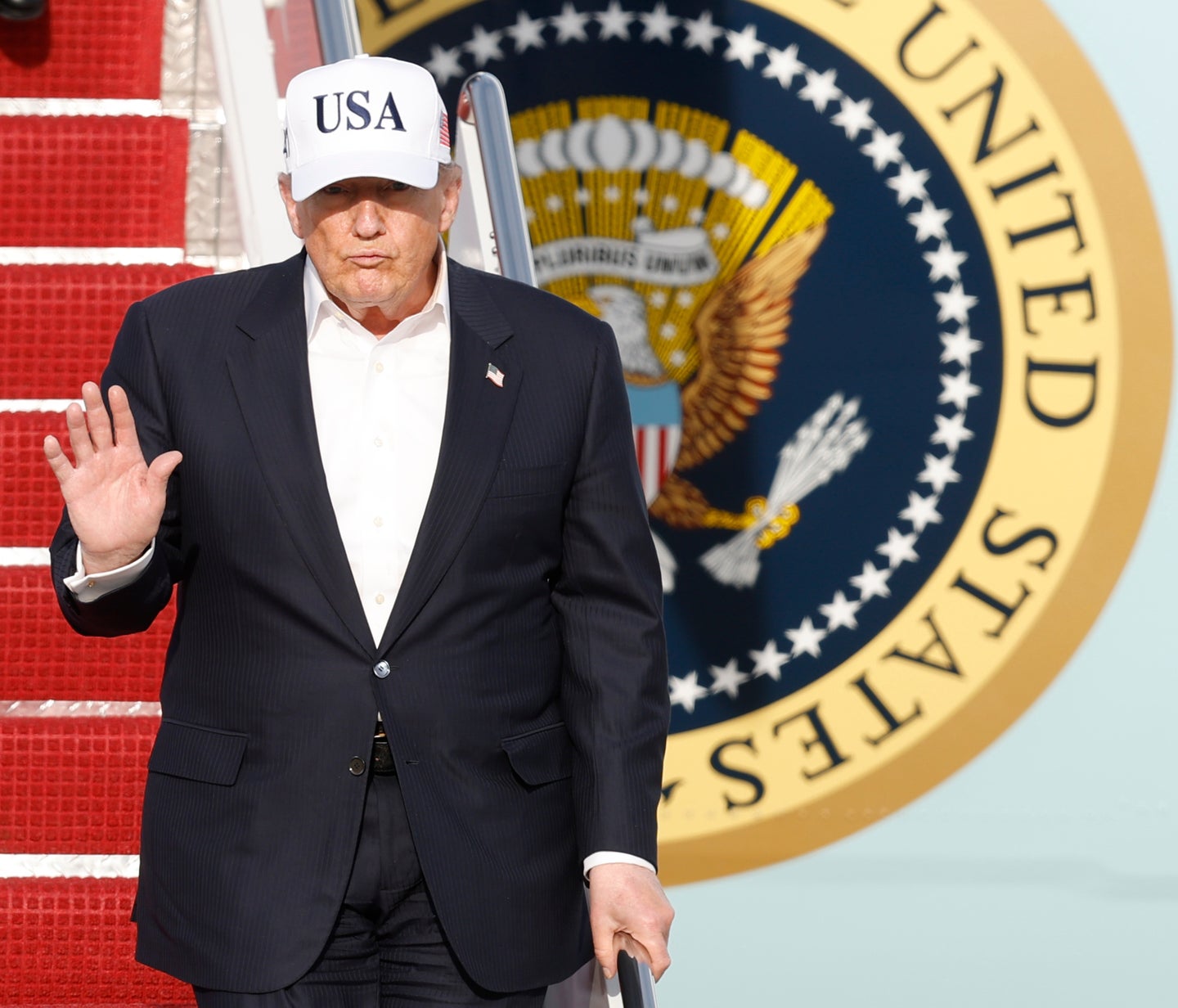
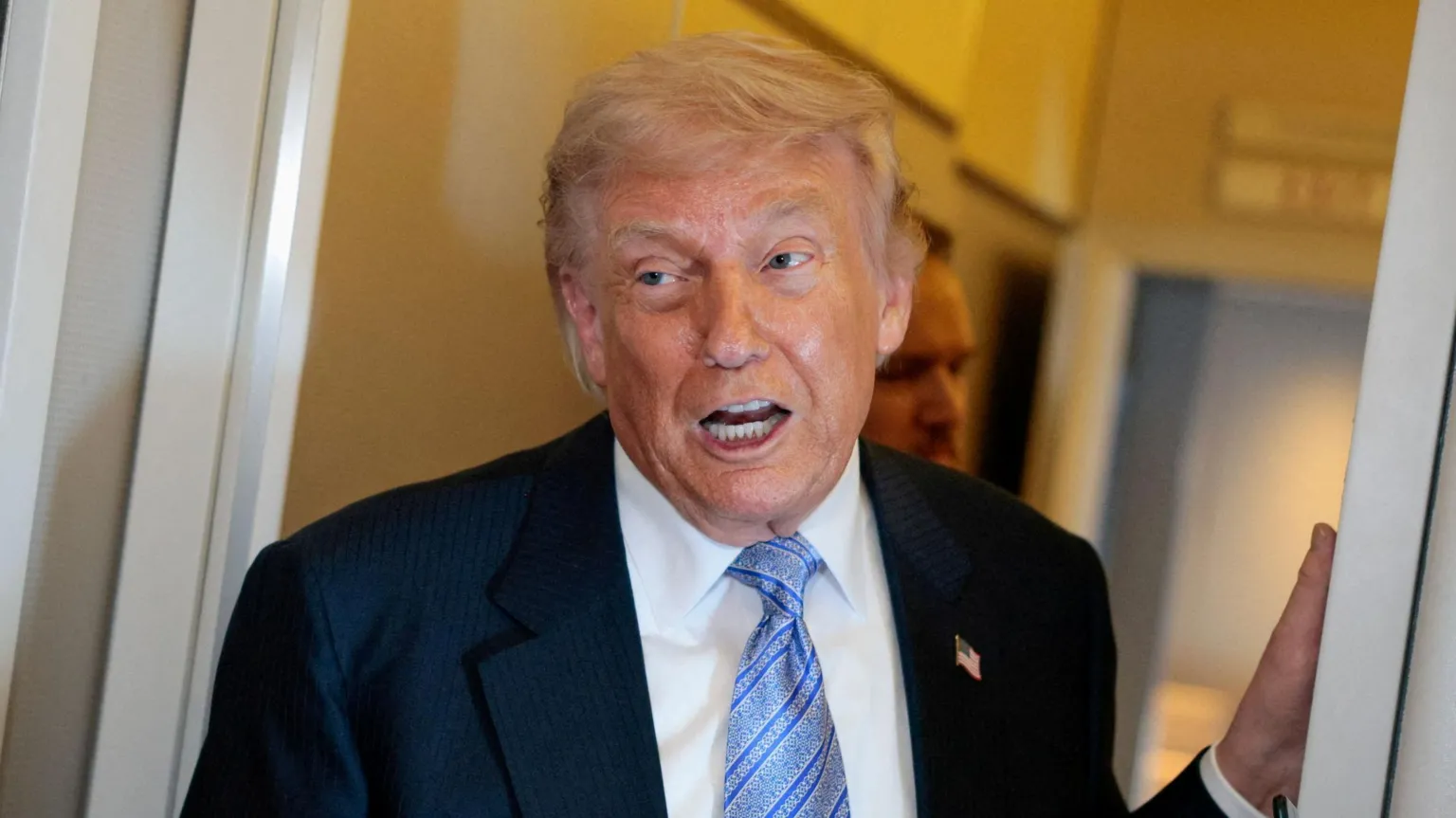
Meanwhile, Arab News reported that US President Donald Trump was “not happy with latest Iran proposal to end the war.”
Iran’s envoy to the UN, Amir Saeid Iravani, emphasized the need for “credible guarantees” against further US attacks to ensure Gulf stability. Saudi Arabia’s permanent representative to the UN, Abdulaziz Alwasil, warned of risks to global trade and energy security due to the situation in the Strait of Hormuz.
#IranRussiaRelations #Diplomacy #MiddleEastConflict #USIranTensions #Geopolitics #InternationalRelations #PeaceTalks #StraitOfHormuz #NuclearDeal #GlobalSecurity


Leave a Reply