

UAE’s Abrupt Departure from OPEC: A Significant Shift in Global Oil Dynamics
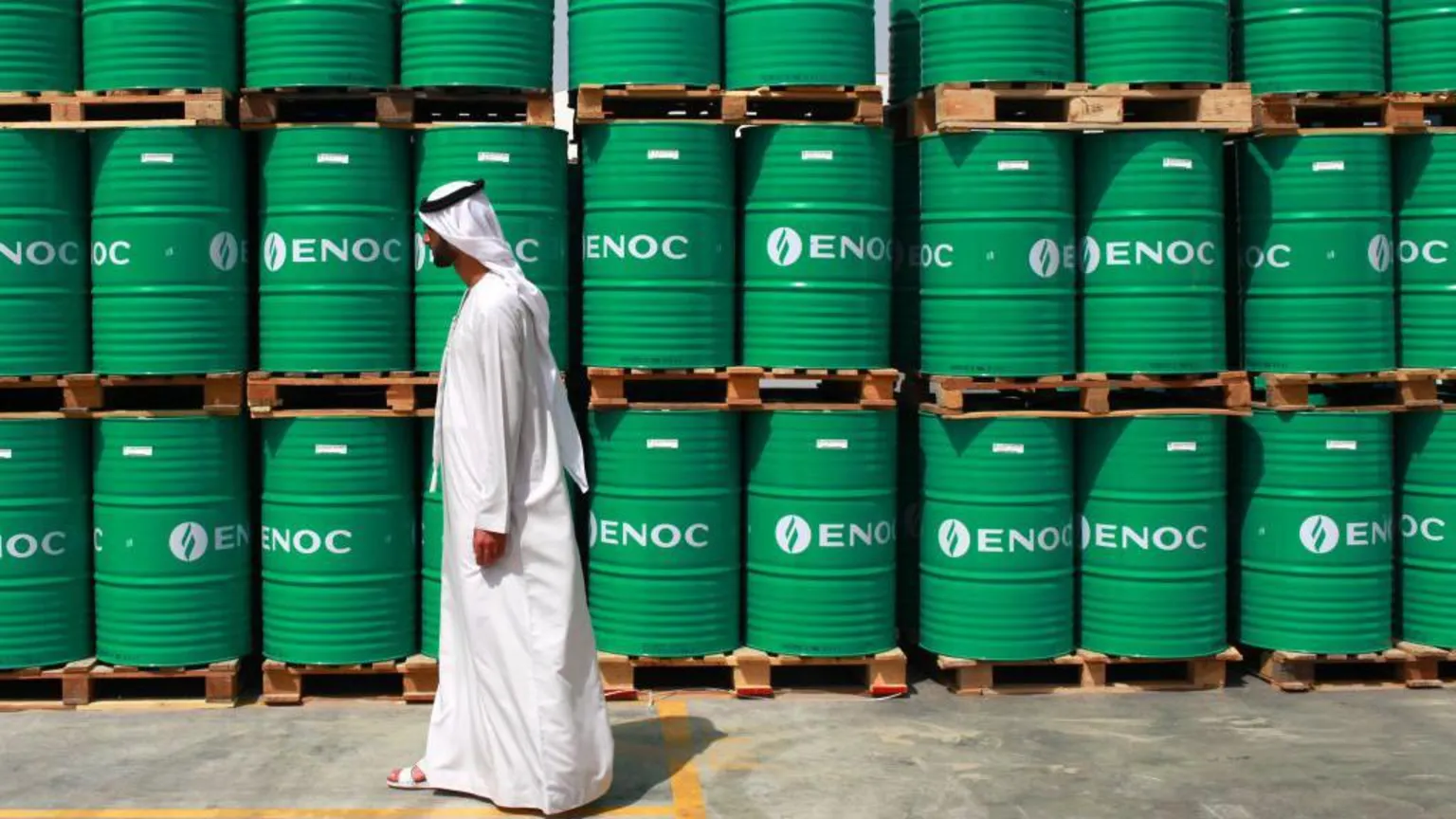
It is a very big deal that the United Arab Emirates (UAE) has announced its abrupt exit from OPEC, the Organisation of Petroleum Exporting Countries. The Emiratis were members even before they became a nation state in 1971.
OPEC is an organization primarily composed of Gulf oil exporters, which for many decades controlled the price of crude oil by decreasing or increasing production and allocating quotas across its membership. It played a vital role in the 1970s oil crises, which in turn transformed global energy policy.
While OPEC production is dominated by Saudi Arabia, the UAE had the second highest spare production capacity. In other words, it was the second most important swing producer, capable of increasing production to help ease prices.
Indeed, it is precisely this factor that led to long-term reconsiderations of the UAE’s position. Simply put, the UAE wanted to utilize the considerable capacity it has invested in. OPEC quotas limited its production to 3-3.5 million barrels per day, meaning the UAE was disproportionately making sacrifices in terms of lost revenues due to its OPEC membership.
Geopolitical Tensions and OPEC’s Future
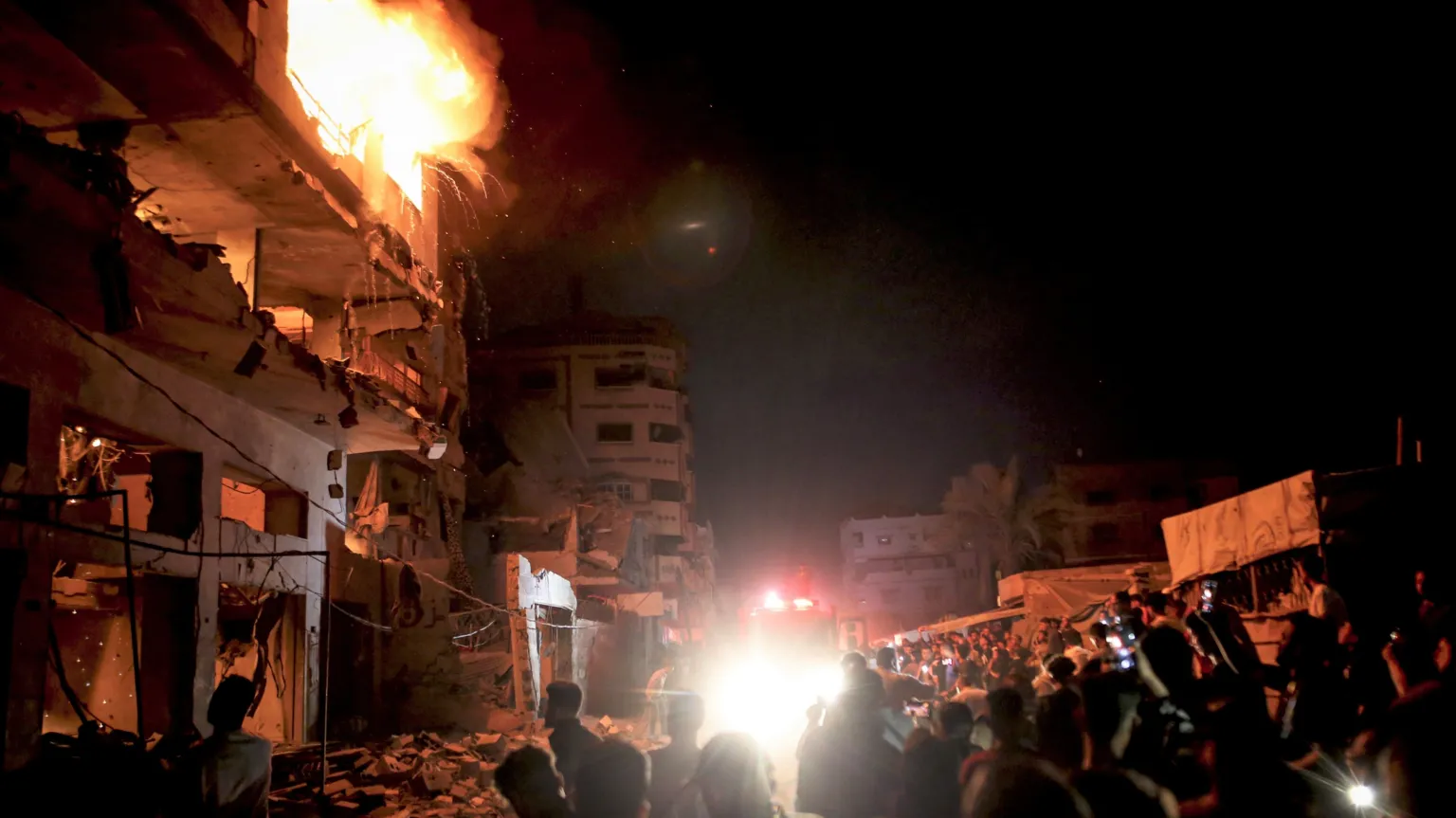
However, the timing of this move hints at consequences stemming from the Iran war. The ‘pressure cooker’ situation in the Gulf has impacted the UAE’s relationship with Iran and may affect its already strained relationship with Saudi Arabia.
For OPEC, this is a significant blow at a time when substantial questions are being raised about its long-term coherence. It’s not just that the UAE, once it can fully get its oil back on the market by sea or pipeline, is likely to target 5 million barrels per day production. Saudi Arabia might respond with an oil price war that the UAE’s more diversified economy could withstand, but other poorer OPEC members might not. Much depends on the Saudi response.
A horizontal bar chart titled “UAE is OPEC’s fourth biggest oil producer,” shows crude oil production in million barrels per day for OPEC member countries in 2024. Saudi Arabia is the largest producer at 8.96 million barrels per day, followed by Iraq at 3.86 million and Iran at 3.26 million. The United Arab Emirates ranks fourth with 2.92 million barrels per day. Next are Kuwait at 2.41 million, Nigeria at 1.35 million, Libya at 1.14 million, Venezuela at 0.92 million, and Algeria at 0.91 million. Smaller producers include Congo at 0.26 million, Gabon at 0.22 million, and Equatorial Guinea at 0.06 million barrels per day. Bars are shown in descending order from top to bottom. Source: OPEC Annual Statistical Bulletin 2025.
Leading Emirati officials are discussing new pipelines from the UAE’s oil fields in Abu Dhabi, bypassing the Strait of Hormuz and heading to the underused port of Fujairah. There is already one pipeline in heavy use today, but more capacity will be needed to cope with increased production and a permanent change to the fluidity and cost of tanker traffic in the Gulf.
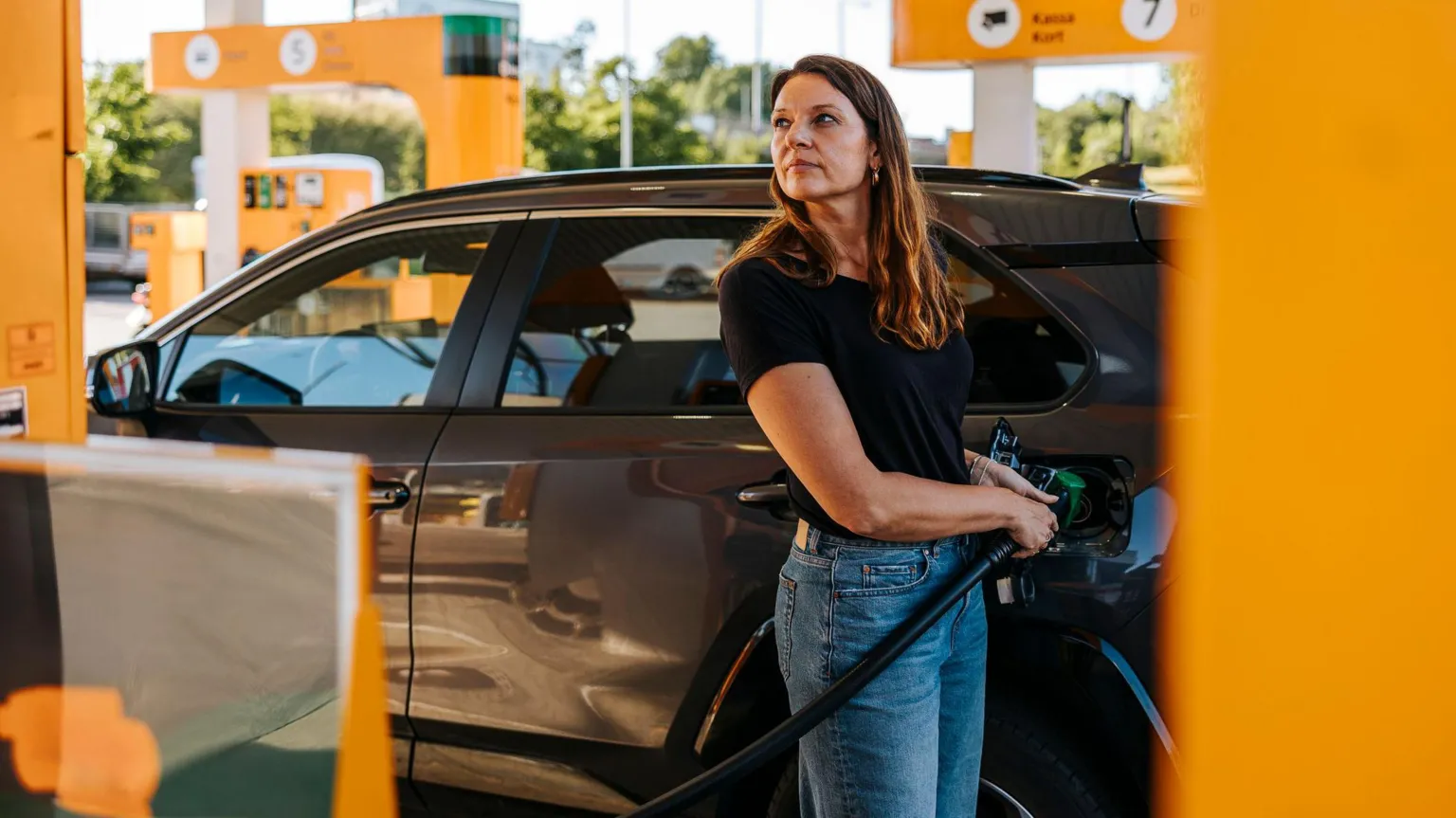
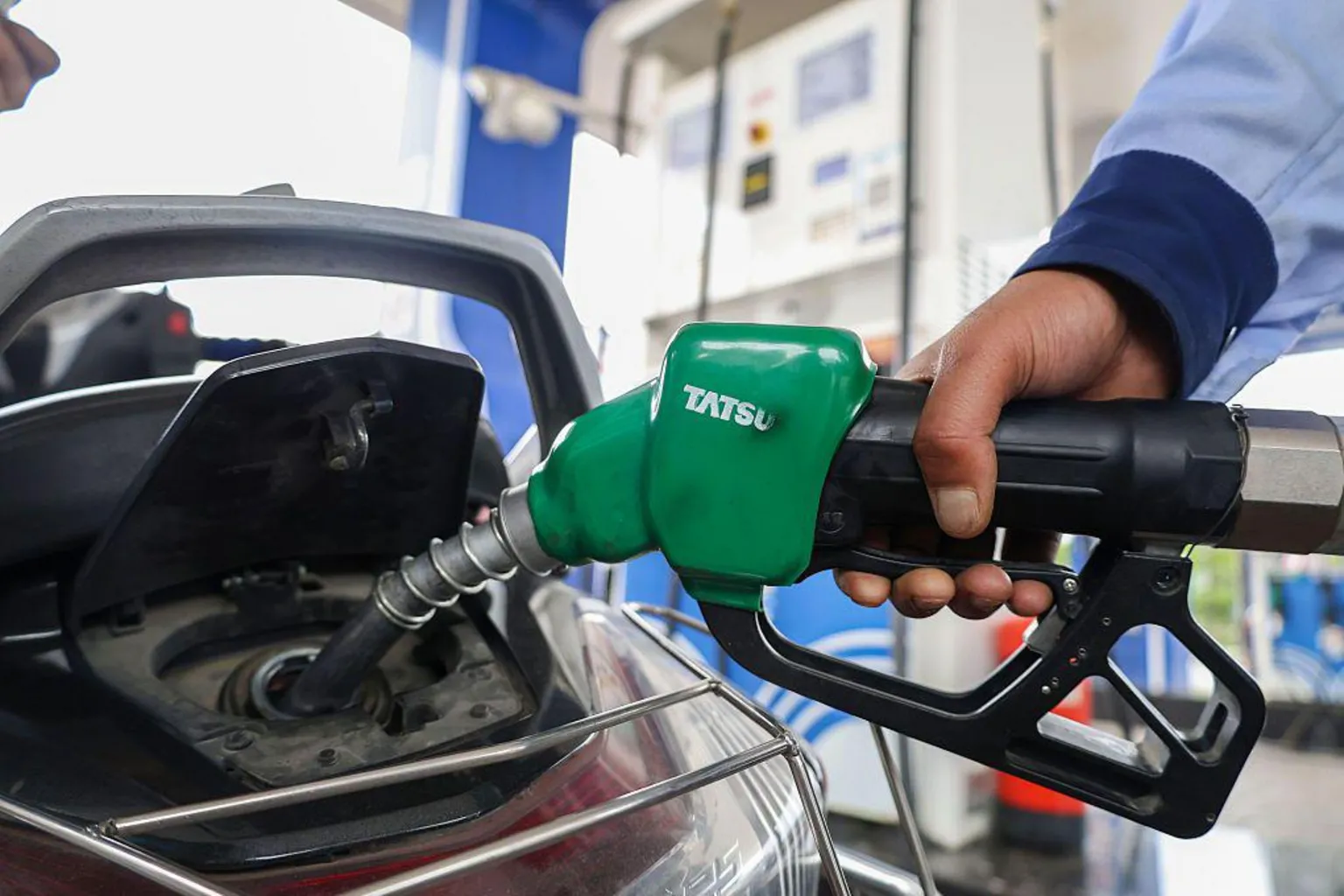
For now, of course, during a double blockade of sea traffic in the Strait of Hormuz, this is not the main event in oil markets, which affects the prices of oil, gas, petrol, plastics, and food. While the world understandably focuses on oil at $110 per barrel, this is, however, a reason not to discount the chance that it could be closer to $50 sometime next year – if the situation in the Strait is resolved, for example, in time for the US midterm elections later this year.
The Evolving Role of Oil and OPEC
OPEC is less important to world oil markets than it was in the 1970s. Its 85% share of internationally traded oil then is more like 50% today. Oil is also less critical to the world economy than it was in the 1970s. OPEC has leverage now, but not a monopoly. It can’t hold the world to ransom, as it were.
Former Saudi Oil Minister Sheikh Yamani, an OPEC figurehead, famously said: “The Stone Age did not end because the world ran out of stones. The Oil Age will not end because the world runs out of oil.” This foretells a world where hydrocarbons are substituted by other energy sources.
One way to interpret the UAE’s action is as a sign of this world of reduced oil reliance. Other clues in the current maelstrom include China’s investments in electrification, which have helped cushion the economic blow from rising oil and gas prices. By some calculations, the electrification of China’s cars, lorries, and trains has reduced oil demand in the world’s second biggest economy by 1 million barrels a day. Global oil demand could plateau as this trend accelerates around the world.
In this view, it makes sense to raise as much money from oil reserves as quickly as possible before demand craters. The UAE has significant financial firepower and a partly diversified economy, through financial services and tourism.
Much will depend on what the new normal becomes if and when hostilities in the Gulf cease. The UAE’s OPEC exit could spark further domino effects, placing considerable pressure on Saudi Arabia. When tankers flow through the Strait again, or if the UAE redoubles its attempts to build new pipelines, Emirati oil will flow like never before, unconstrained by OPEC commitments. It will have little effect on the current blockades but could change everything afterwards.
#UAE #OPEC #OilMarket #EnergyPolicy #StraitOfHormuz #SaudiArabia #IranWar #OilPrices #Geopolitics #EnergyTransition

Leave a Reply