


Oil prices have continued their ascent following reports that the US is preparing for an ‘extended’ blockade of Iran. Brent crude surged to approximately $117 (£86.71) a barrel on Wednesday afternoon, marking the highest price recorded this month. This follows its closing at just over $110 (£81) on Tuesday evening.
The increase comes after reports from the Wall Street Journal indicated that US President Donald Trump has instructed aides to prepare for an extension of the ongoing blockade of Iran’s ports. This measure is reportedly aimed at intensifying economic pressure on the country.
Strait of Hormuz Disruptions
Iran has stated its intention to continue disrupting traffic through the Strait of Hormuz in response to the US blockade. The price of oil has experienced significant fluctuations since the conflict began, as the crucial Strait of Hormuz has been largely inaccessible for weeks due to the ongoing situation.
Iran has severely restricted shipping through the strait, which typically handles about one-fifth of the world’s supply of oil and liquid natural gas. This action is in response to US and Israeli strikes that commenced on February 28. Earlier this month, Tehran warned that any vessel approaching the strait would be targeted. Subsequently, the US announced that its forces would intercept or turn back vessels traveling to or from Iranian ports.
Despite recent fluctuations, the price of oil remains significantly higher than its pre-conflict level. Brent crude had briefly dropped to $90 a barrel on April 17, following an announced ceasefire between Israel and Lebanon, and a US pause in attacks on Iran on April 8. However, the oil benchmark has been steadily rising over the last 12 days as the US continued its blockade.
Global Economic Impact
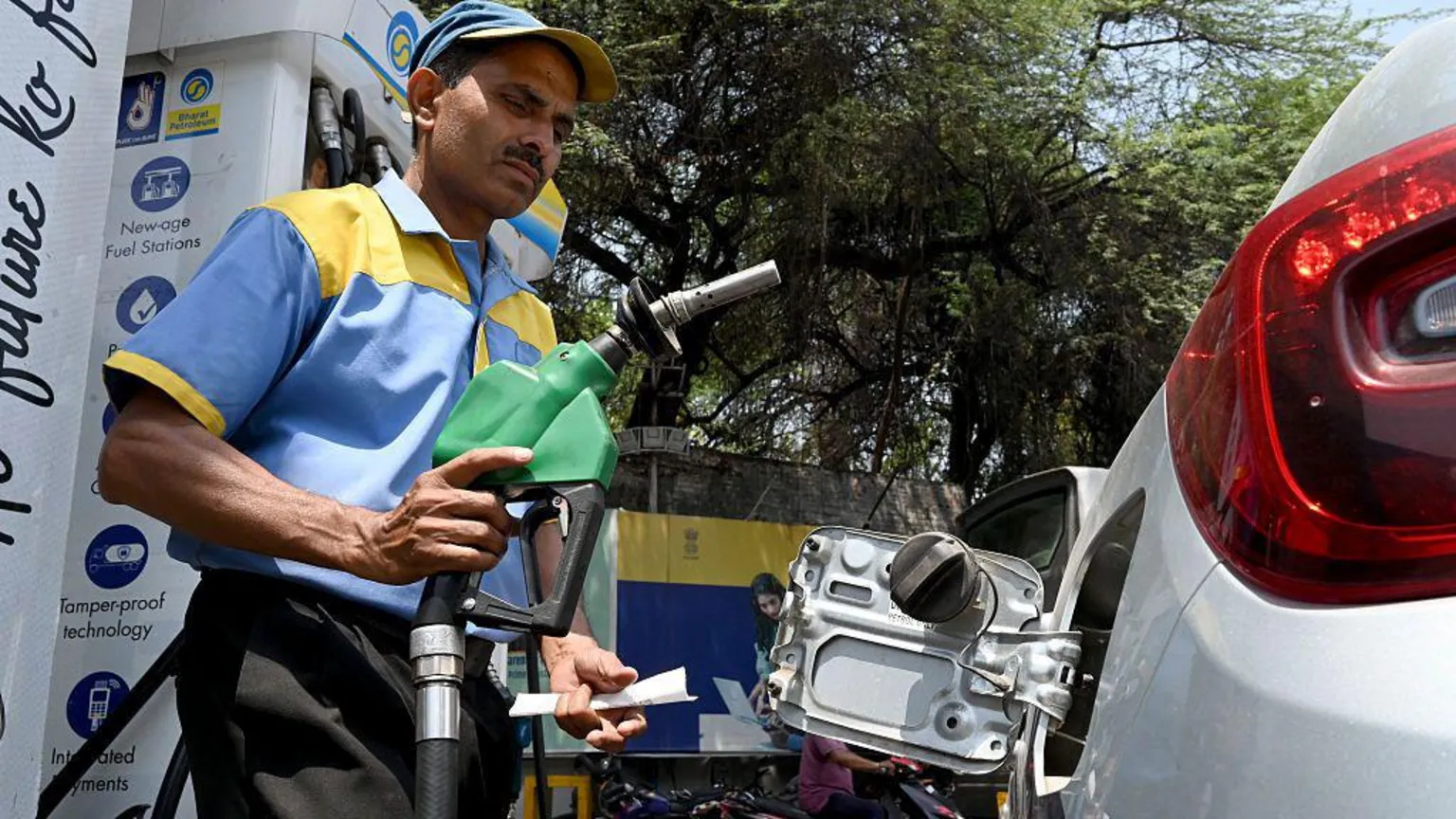
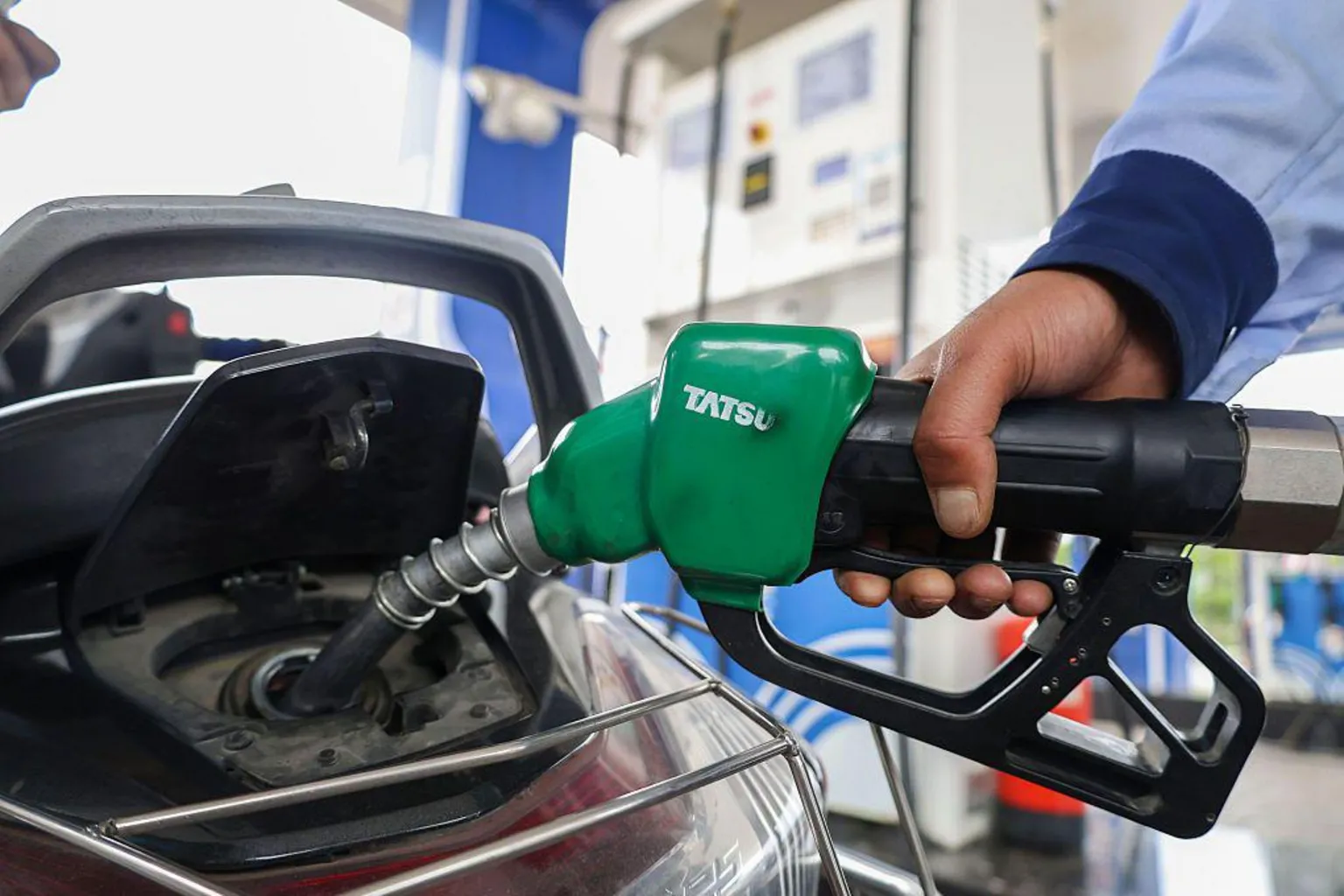
Lindsay James, an investment strategist at Quilter, noted that the war’s impact in the UK has so far been largely confined to higher petrol and diesel prices. However, she warned that “every day that passes without a resumption of supply sees the risk of physical shortages and steeper price rises on a range of goods increasing.”
Crude oil is a vital resource for the global economy, serving as a primary source for fuels like petrol, kerosene, and diesel, and as a base for numerous household goods, including plastics and clothing. Brent crude, based on a blend of North Sea oils, is one of the most widely used international benchmarks for crude prices globally, significantly influencing energy prices worldwide.
Iran’s Economic Situation
The Iranian economy is grappling with a deepening crisis, characterized by rapidly rising prices, a depreciating currency, and the prospect of oil exports grinding to a halt. According to the Statistical Center of Iran, the annual inflation rate has climbed to 53.7%, and the country’s currency, the rial, has fallen to a record low. The Iranian government reported last week that approximately two million Iranians have lost their jobs, directly or indirectly, as a result of the conflict.
On Wednesday, President Trump urged Iran to ‘get smart soon’ and sign a deal, following days of deadlock in efforts to resolve the conflict. In a post on Truth Social, Trump stated that the country ‘couldn’t get its act together.’ The Wall Street Journal cited US officials who indicated that the president instructed aides to prepare for an extended blockade of Iran’s ports to compel Tehran’s cooperation. Officials reportedly stated that Trump chose to continue squeezing Iran’s economy and oil exports via the blockade, as other options, such as resuming bombing or disengaging from the conflict, carried higher risks.
Iranian officials, however, stated on Tuesday that the country could withstand the blockade by utilizing alternative trade routes.
Market Reactions
The World Bank on Tuesday forecasted that energy prices could surge by 24% in 2026, reaching their highest level since Russia’s full-scale invasion of Ukraine four years ago, assuming the most acute disruptions from the Iran conflict conclude in May.
European stocks saw declines on Wednesday as investors processed a wave of corporate earnings and awaited the US Federal Reserve’s latest interest rate decision. The FTSE 100 fell 0.73%, while the pan-European Stoxx index was down 0.4% at midday. France’s Cac dropped 0.44%, and Germany’s Dax fell marginally. In the US, the Nasdaq opened marginally down 0.25%, and the S&P was 0.15% lower at opening. Asian stock markets mostly rose on Wednesday, continuing their recovery after being particularly hard hit by the initial shock from the conflict.
#OilPrices #BrentCrude #IranBlockade #StraitOfHormuz #GlobalEconomy #EnergyMarket #Geopolitics #MiddleEast #MarketWatch #CrudeOil







Leave a Reply