

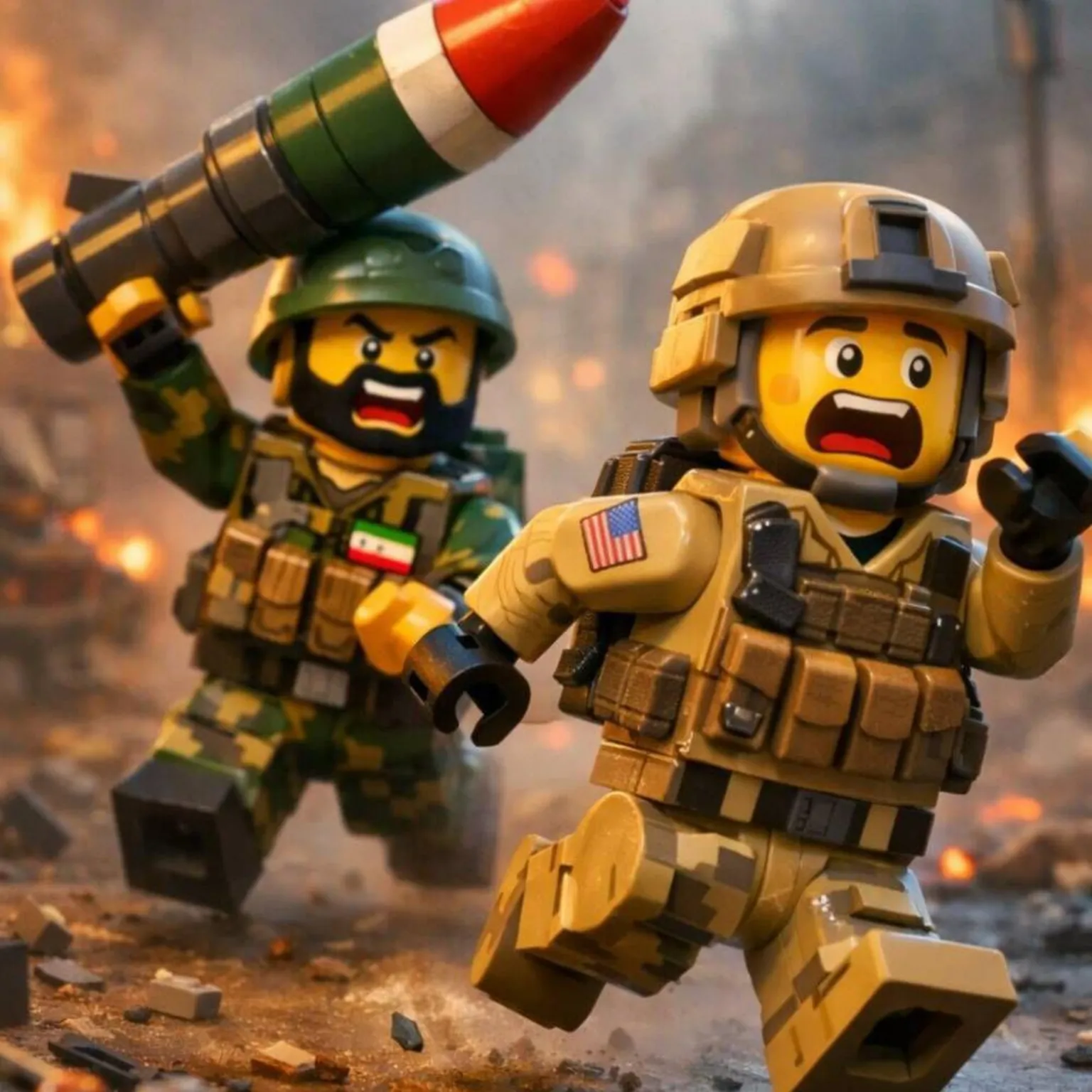
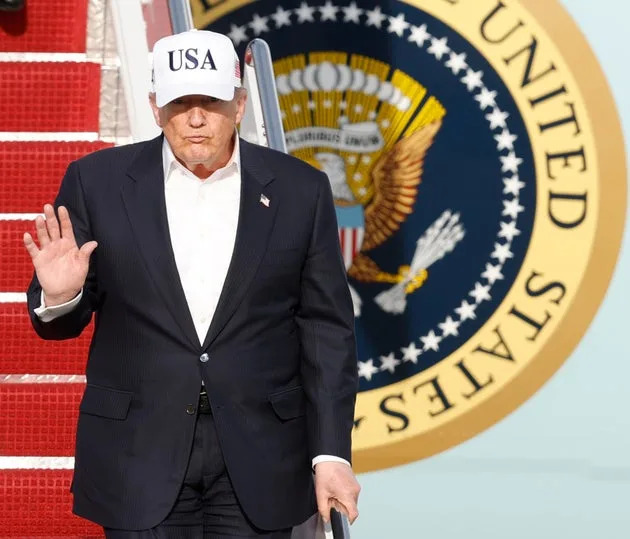
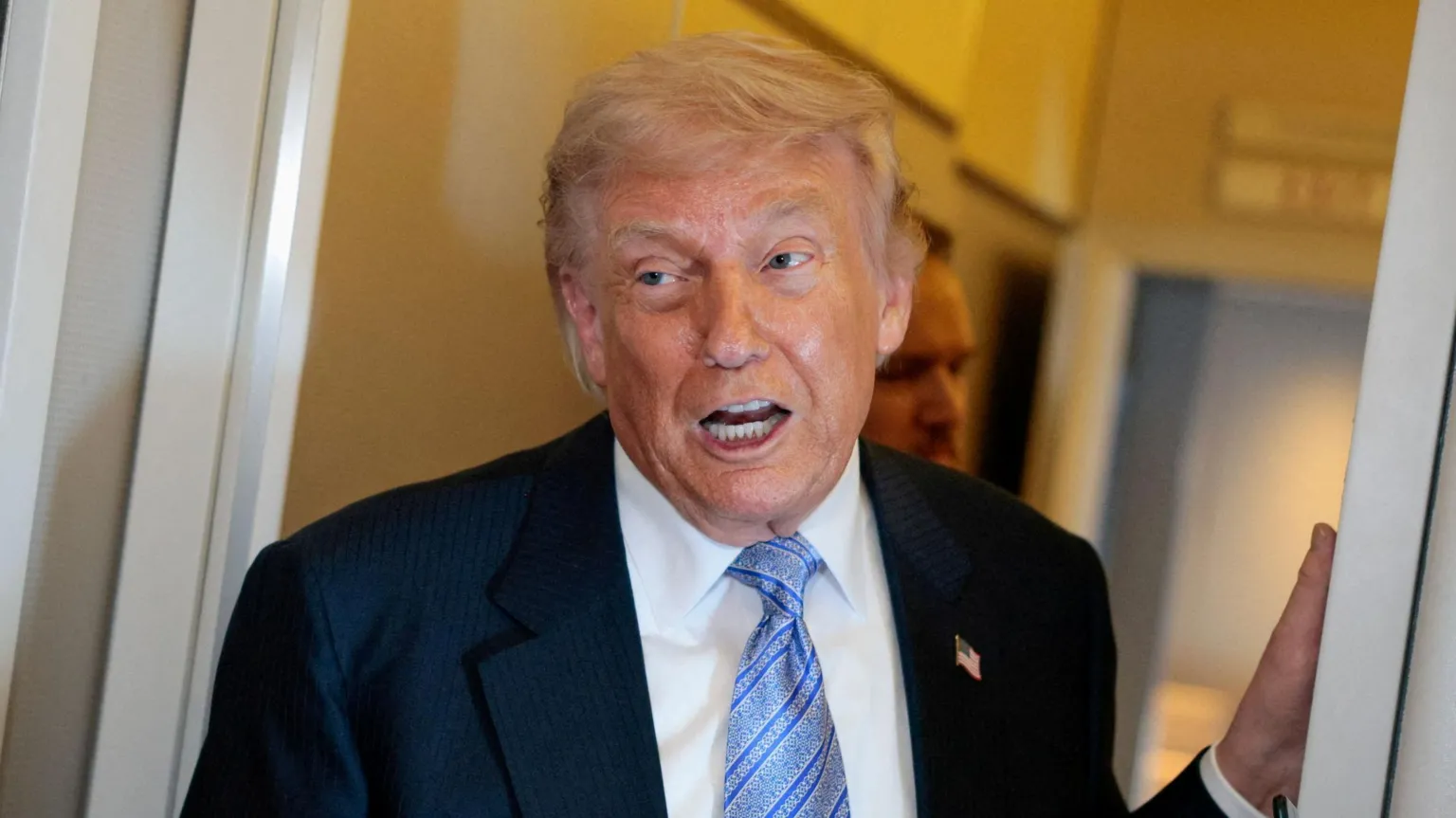
At first glance, they resemble scenes from a vibrant, fast-paced Lego movie. However, these viral AI-generated videos, inspired by the distinctive Lego aesthetic, depict scenes of dying children, fighter jets, and US President Donald Trump, serving as pro-Iran propaganda.
For a new BBC podcast, Top Comment, a representative from Explosive Media, a key creator of these clips, was interviewed. The individual, who wished to be identified as Mr. Explosive, initially denied working for the Iranian government, stating in previous interviews that the outlet was “totally independent.” However, under further questioning, Mr. Explosive admitted that the regime is a “customer,” a detail he had not previously confirmed publicly.
The core message conveyed by these videos is Iran’s resistance against what it perceives as an omnipotent global oppressor: the United States. The clips are described as garish and overtly unsubtle, yet they are vigorously shared and commented upon.
One video shows Donald Trump falling through a whirlwind of “Epstein file” documents, accompanied by rap lyrics suggesting “the secrets are leaking, the pressure is rising.” Another depicts George Floyd beneath a policeman’s boot, with a voiceover asserting Iran “is standing here for everyone your system ever wronged.” Dr. Emma Briant, a leading propaganda expert, argues that “slopaganda” – a term coined last year as a play on ‘AI slop’ – is insufficient to describe the power of this “highly sophisticated” content. AI-generated propaganda clips are estimated to have garnered hundreds of millions of views during the ongoing conflict.
During a video call, Mr. Explosive appeared silhouetted, flanked by red and green lights, the colors of the Iranian flag. A green-feathered helmet, associated with the warrior Husayn ibn Ali, was visible on his desk; Husayn ibn Ali features in several of their videos. Mr. Explosive stated that his team at Explosive Media comprises fewer than ten people who utilize Lego-style graphics because it is a “world language.” Iranian and Russian state media accounts on X frequently share these videos with millions of followers.
When questioned about the prominent inclusion of the Epstein files, Mr. Explosive explained it aims to illustrate the “kind of confrontation they are witnessing” between Iran, which is “seeking truth and freedom,” and “those who associate themselves with cannibals.” This refers to an unsubstantiated theory linking the Epstein files and the Trump administration to cannibalism.
The videos also contain numerous factual inaccuracies. For instance, one clip shows the Iranian military capturing a downed US fighter-jet pilot. US officials confirmed that the airman, stranded in a remote, mountainous region of Iran after his aircraft was shot down, was rescued by US special forces on April 4. Mr. Explosive disputed this, claiming: “Possibly there was no lost pilot, there was no rescue operation. Their main goal was to steal uranium from Iran.” When confronted with US officials’ statements that the airman was receiving treatment in Kuwait, he retorted: “Only 13% of what Mr Trump says is based on facts.” Explosive Media’s video about the airman successfully amplified this alternative narrative among English-speaking audiences, with one US-based TikTok influencer, @newswithsteph, telling viewers the Lego videos had been “shockingly accurate so far; they broke the story about the recent US pilot mission that wasn’t a rescue mission at all but a special ops mission for uranium.”
Dr. Briant notes that AI has enabled Iran and other actors to communicate directly with Western audiences more effectively than ever before. These tools, largely trained on Western data, are ideal for creating “culturally appropriate” content, a capability “authoritarian countries wanting to target the West have lacked in the past.” Dr. Tine Munk, a cyber warfare expert at Nottingham Trent University, characterizes Iran’s tactics as “defensive memetic warfare,” which creators view as essential to counter US rhetoric.
Explosive Media videos first emerged in early 2025, with their popularity significantly increasing following the US-Iran war. The Lego-style clips are becoming increasingly detailed, depicting highly specific Gulf locations, including power stations, airports, and industrial sites, being completely destroyed by Iranian missiles, though in reality, most have sustained only limited damage. The videos are often produced in “real time” and appear rapidly after major war developments; one video about a ceasefire agreement was published before any official announcements.
According to officials in Iran, Lebanon, and other Middle Eastern countries, thousands have been killed in the current conflict, which began in February after US and Israeli strikes on Iran. After some discussion, Mr. Explosive confirmed the Iranian government is indeed a “customer” of his company, having previously stated in Instagram messages that his operation was directly commissioned for multiple projects by Iranian officials.
Before the war this year, thousands of protesters were killed in a brutal crackdown by the regime, with the US-based Human Rights Activists News Agency (Hrana) reporting at least 7,000 civilian deaths. Mr. Explosive defended his team’s relationship with the government, calling it “honourable to work for the homeland,” and dismissed the recent mass protests as a “coup” funded by President Trump. Mr. Explosive also rejected allegations that his videos employ antisemitic tropes, stating: “Our videos are not antisemitic; our videos are anti-Zionist.” He defended the depiction of Israeli Prime Minister Benjamin Netanyahu drinking blood, asserting such imagery highlights the “atrocities committed by him.”
Most Iranians are unable to access the internet due to a nationwide internet shutdown. Mr. Explosive claimed he could contact the BBC using “journalist internet” granted by the Iranian government. Iran consistently ranks among the world’s most repressive countries for press freedom.
Social media platforms have been actively shutting down accounts featuring the Lego-style videos, but new ones appear just as quickly. Dr. Munk describes this as a form of agile, aggressive internet diplomacy that seems poised to endure. She emphasizes that it “cuts out the middlemen, cutting out the press, the mass media, and constantly circulating memes.” She concludes, “Traditional diplomacy doesn’t exist here. And it blurs our understanding of what is happening. But it also increases the risk of misinterpretation and escalation. So we are in a kind of limbo.”
Correction 12 April 2026: This story originally said Husayn ibn Ali was a Shia warrior. This reference has been removed to reflect that he is not categorised as Shia or Sunni in modern terms.
#AIPropaganda #Iran #LegoVideos #Disinformation #Geopolitics #SocialMediaWarfare #MiddleEastConflict #ExplosiveMedia #CyberWarfare #PressFreedom





Leave a Reply