

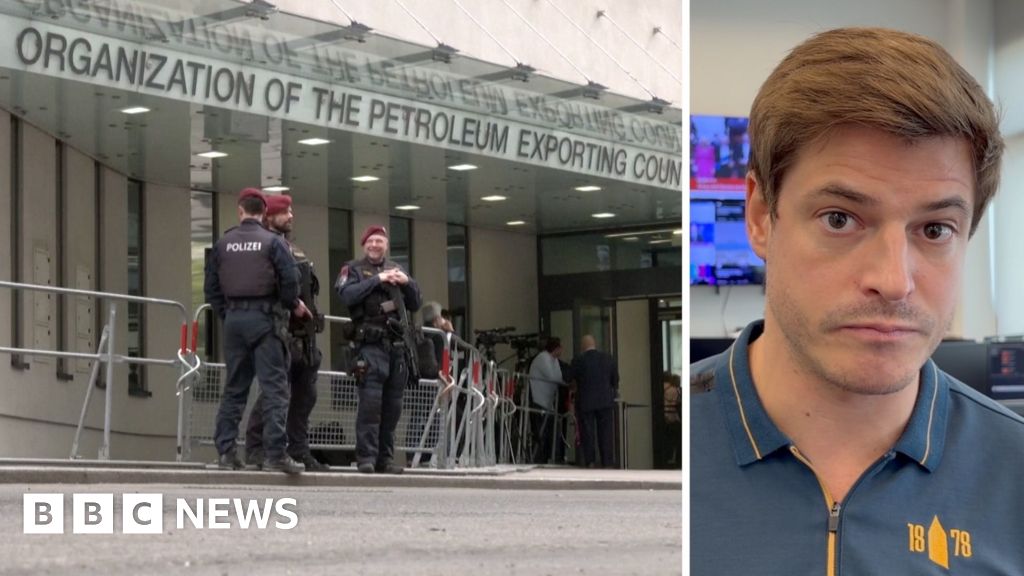
The United Arab Emirates (UAE) has made a significant announcement, declaring its withdrawal from the Organisation of Petroleum Exporting Countries (OPEC) after a membership spanning nearly six decades. This move marks a pivotal moment for both the UAE and the influential oil cartel.
OPEC’s Role in Global Oil Dynamics
OPEC, primarily composed of Gulf oil-exporting nations, plays a crucial role in the international energy landscape. The organization is responsible for overseeing a substantial portion of global oil production and wields considerable influence over international oil prices. Its decisions often have far-reaching effects on economies worldwide.
Implications of the UAE’s Departure
The UAE’s sudden decision to leave OPEC is widely perceived as a significant setback for the group. Analysts suggest that such a high-profile departure could potentially weaken OPEC’s collective bargaining power and its ability to dictate global oil supply and pricing strategies.
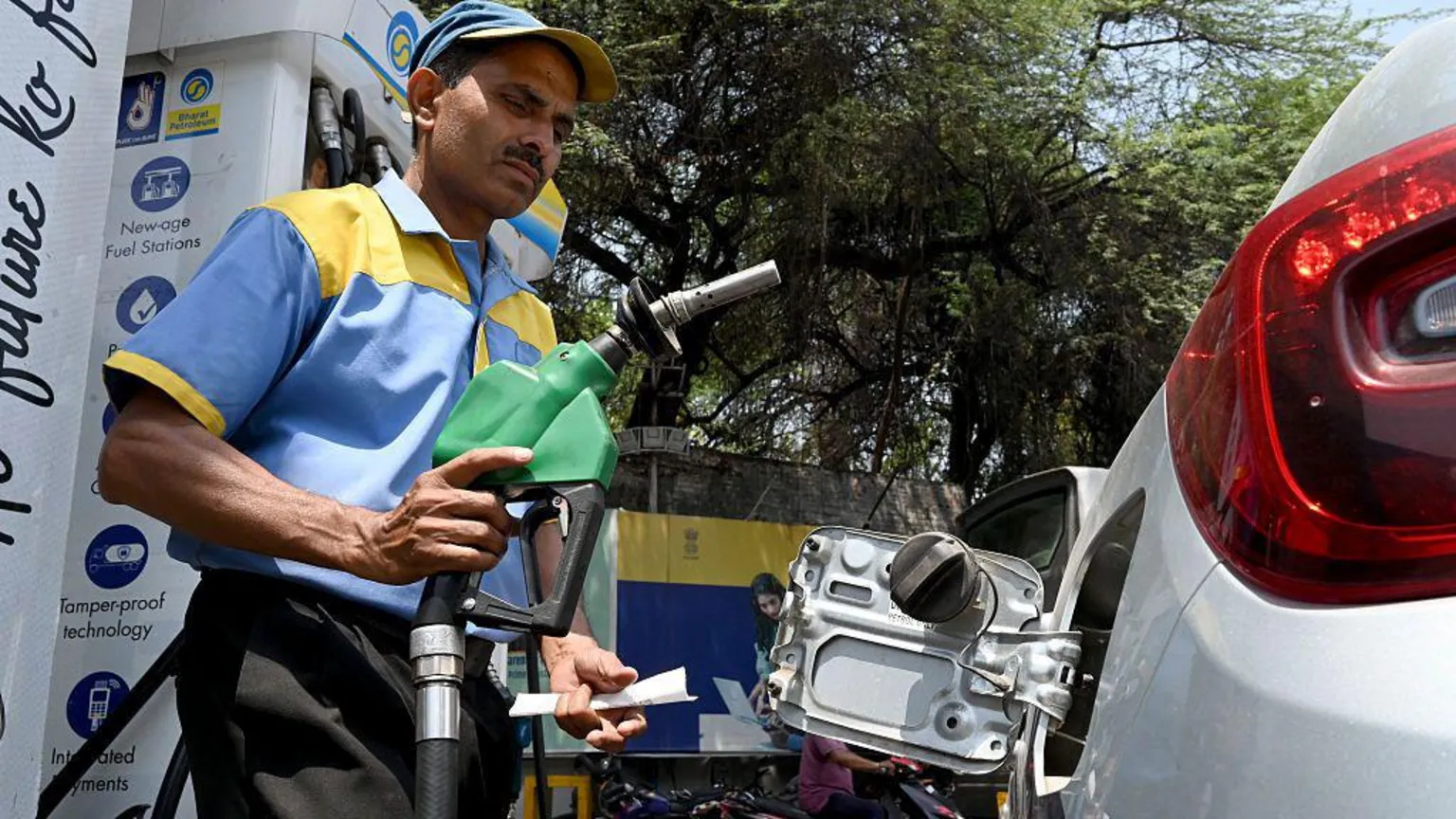
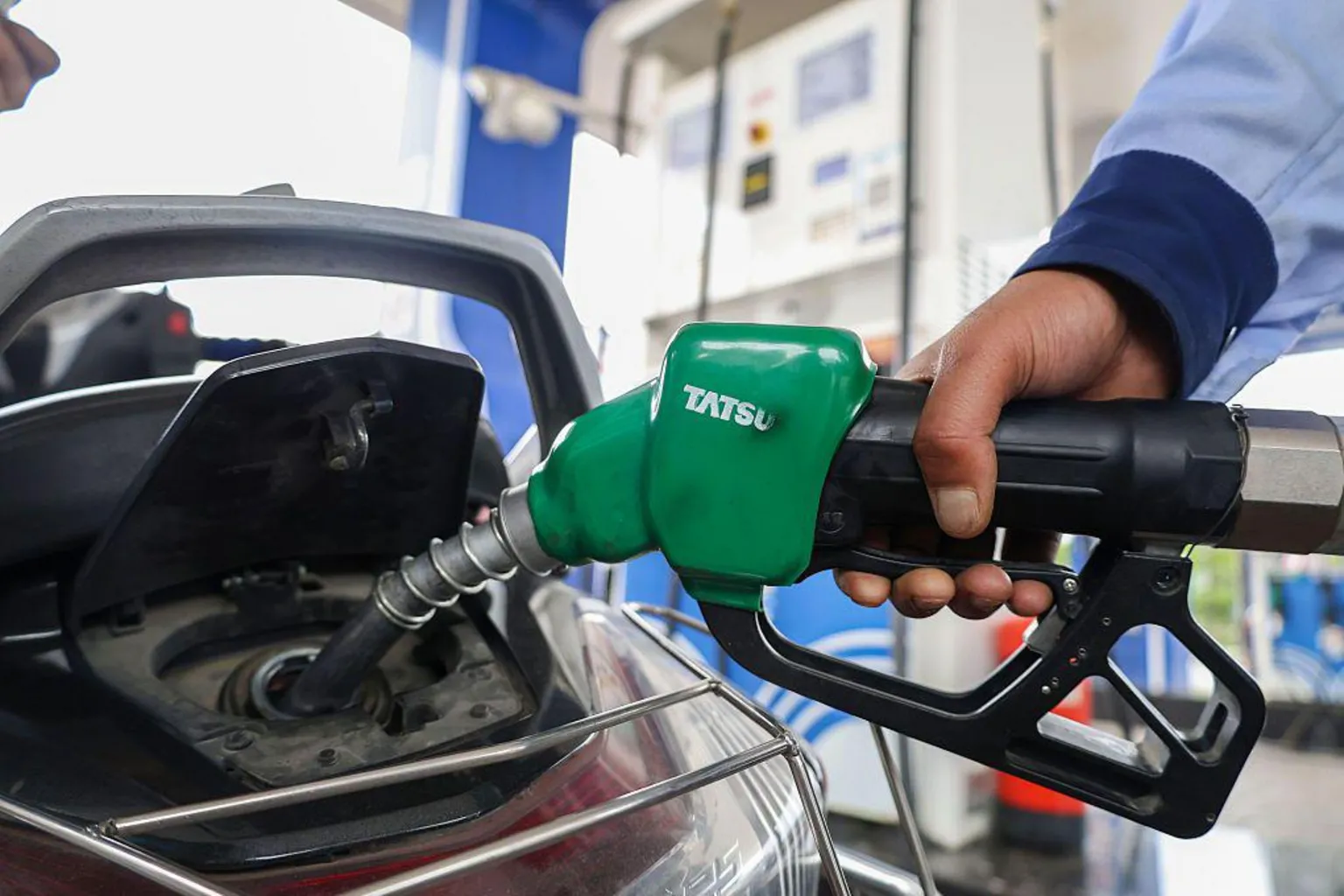
For consumers and the broader global economy, this exit could have various implications. Changes in supply dynamics or pricing strategies resulting from the UAE’s independent operations could potentially impact energy costs and market stability. Understanding these shifts will be crucial for stakeholders across the energy sector and beyond.
#UAE #OPEC #OilMarket #EnergyNews #GlobalEconomy #OilPrices #MiddleEast #EnergyPolicy #Petroleum #MarketImpact




Leave a Reply