

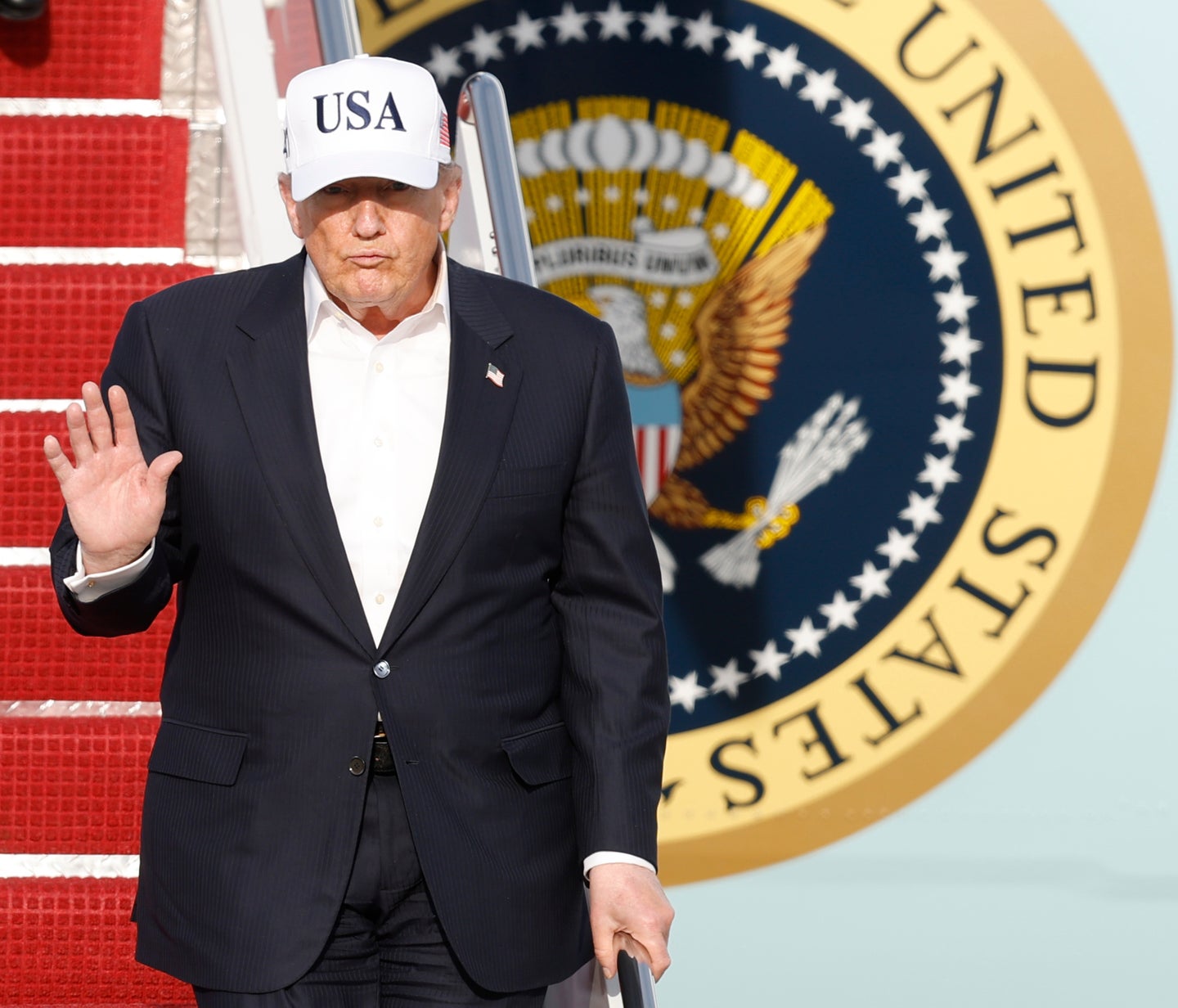
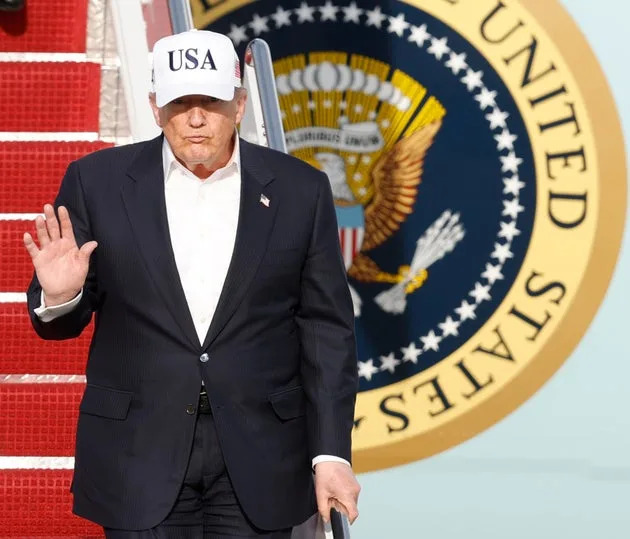
Oil prices jumped to their highest levels since 2022 following reports that the US military is set to brief President Donald Trump on new plans for potential action in the Iran war. Brent crude rose by almost 7% to more than $126 (£94) a barrel at one point, before falling back.
Potential Military Actions and Iran’s Response
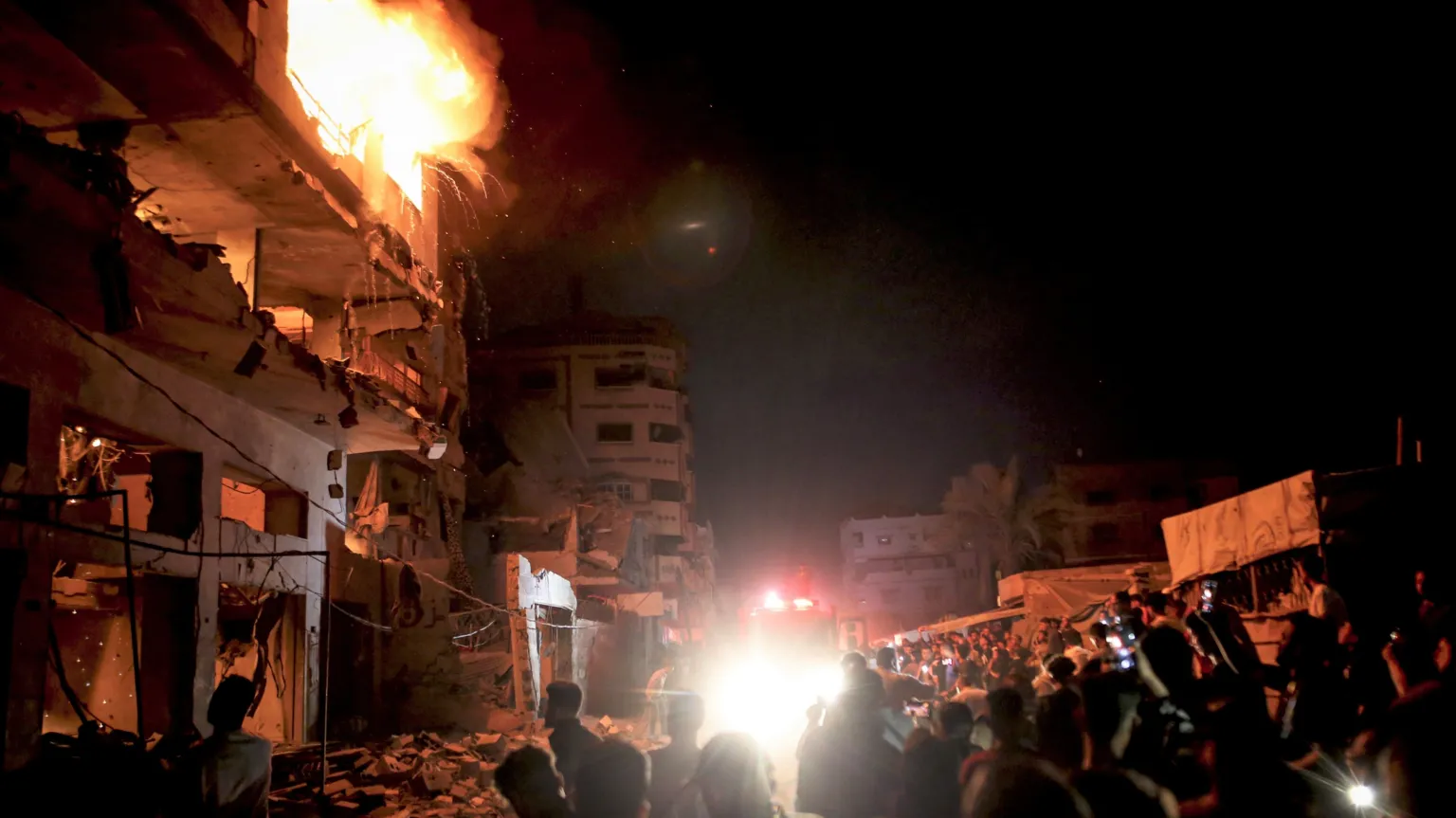
News site Axios reported that US Central Command has prepared a plan for a wave of “short and powerful” strikes on Iran, aiming to break the deadlock in negotiations with Tehran. The BBC has contacted US Central Command and the White House for comment. Another plan reportedly focused on taking over part of the Strait of Hormuz to reopen it for commercial shipping, potentially involving ground troops. Meanwhile, a statement attributed to Iran’s Supreme Leader Mojtaba Khamanei affirmed that Tehran would secure the Strait of Hormuz and eliminate “the enemy’s abuses of the waterway.” Khamanei’s statement also suggested a “new chapter” for the region had been taking shape since the start of the US-Israeli war with Iran on 28 February.
The US had previously stated it would blockade Iranian ports if Tehran continued to threaten vessels using the Strait of Hormuz, which could severely disrupt global energy shipments. Iran retaliated against US-Israeli airstrikes by threatening to attack ships in the waterway, through which about a fifth of the world’s energy usually passes.
Widespread Economic Impact
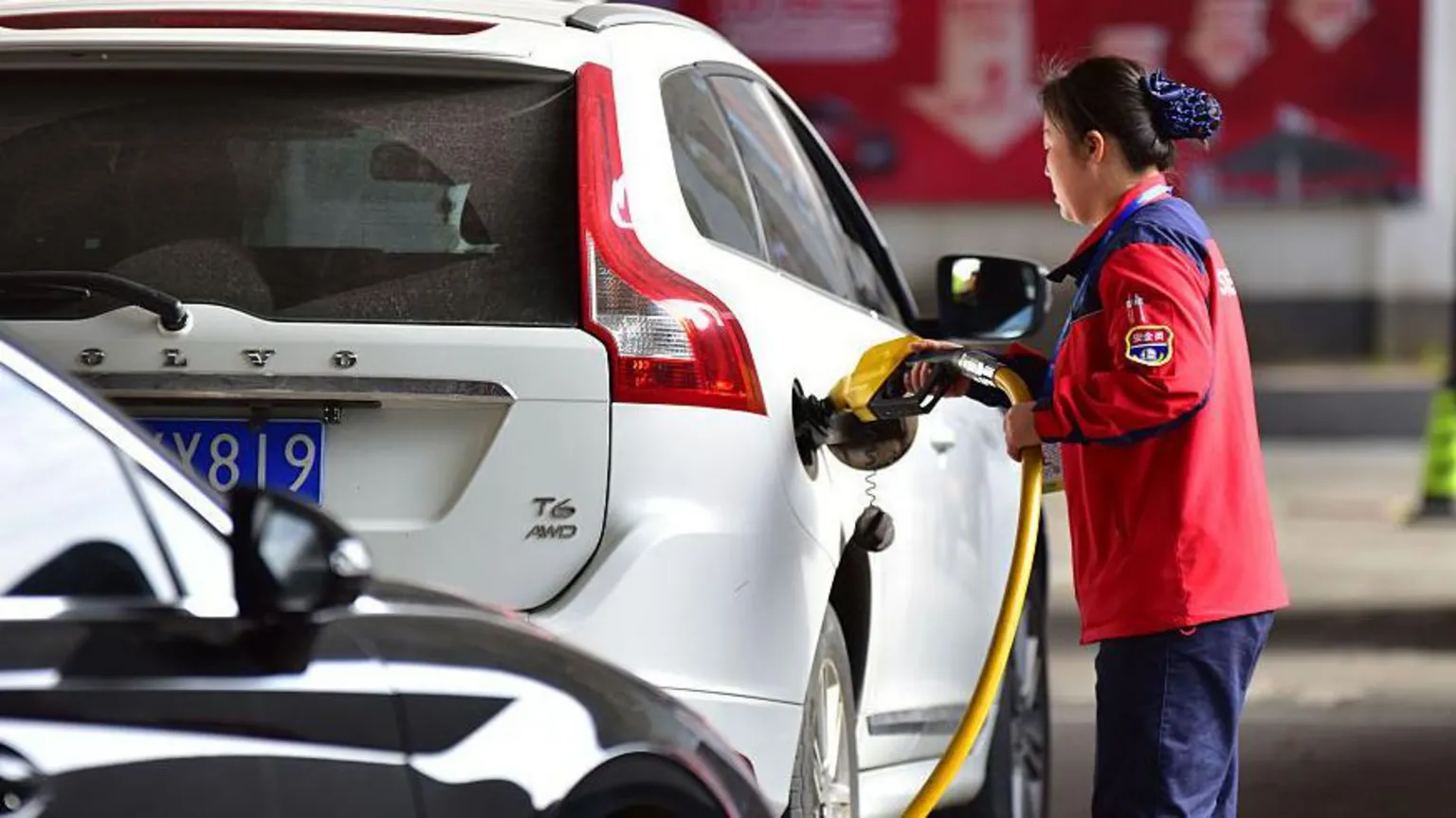
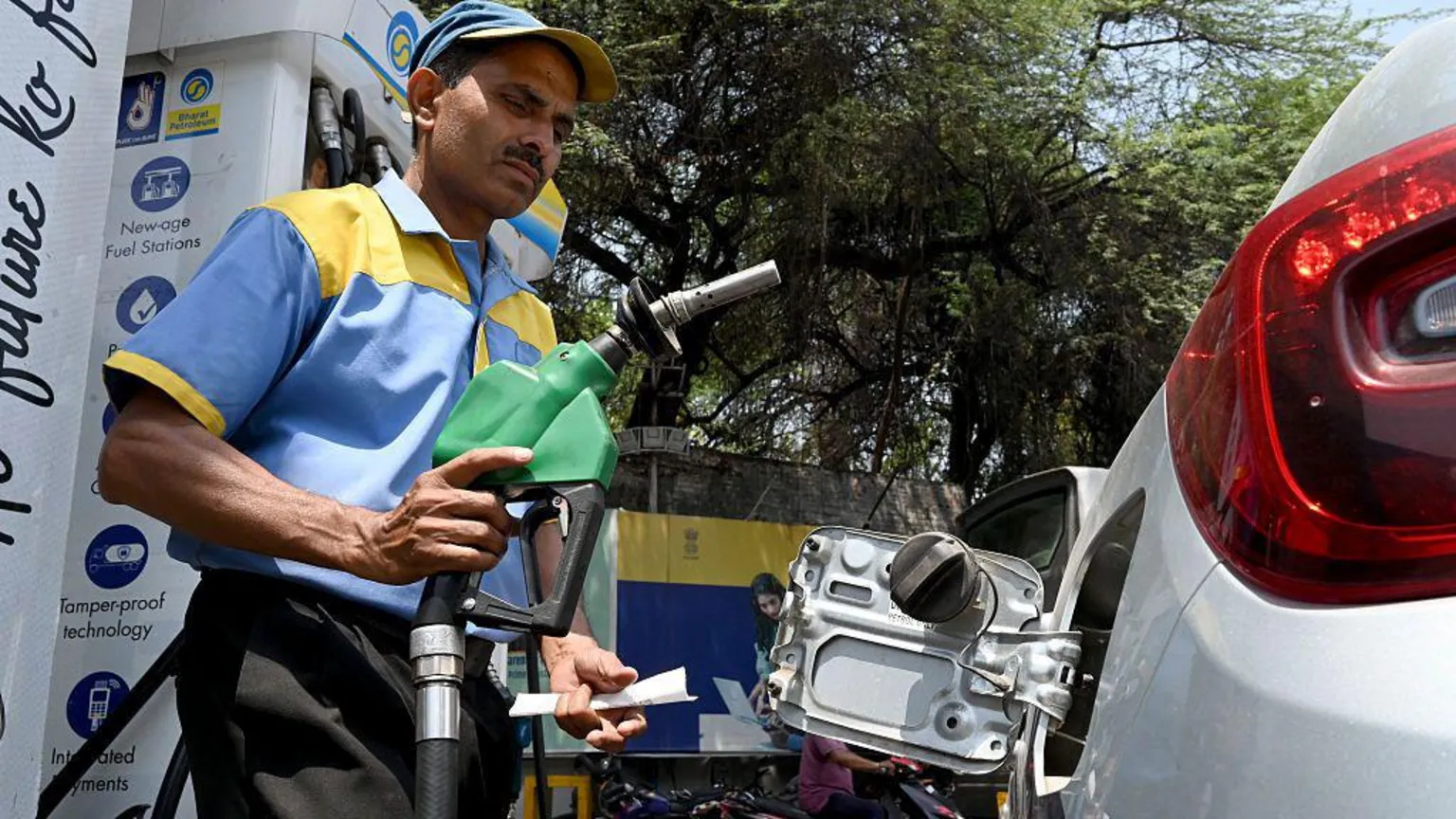
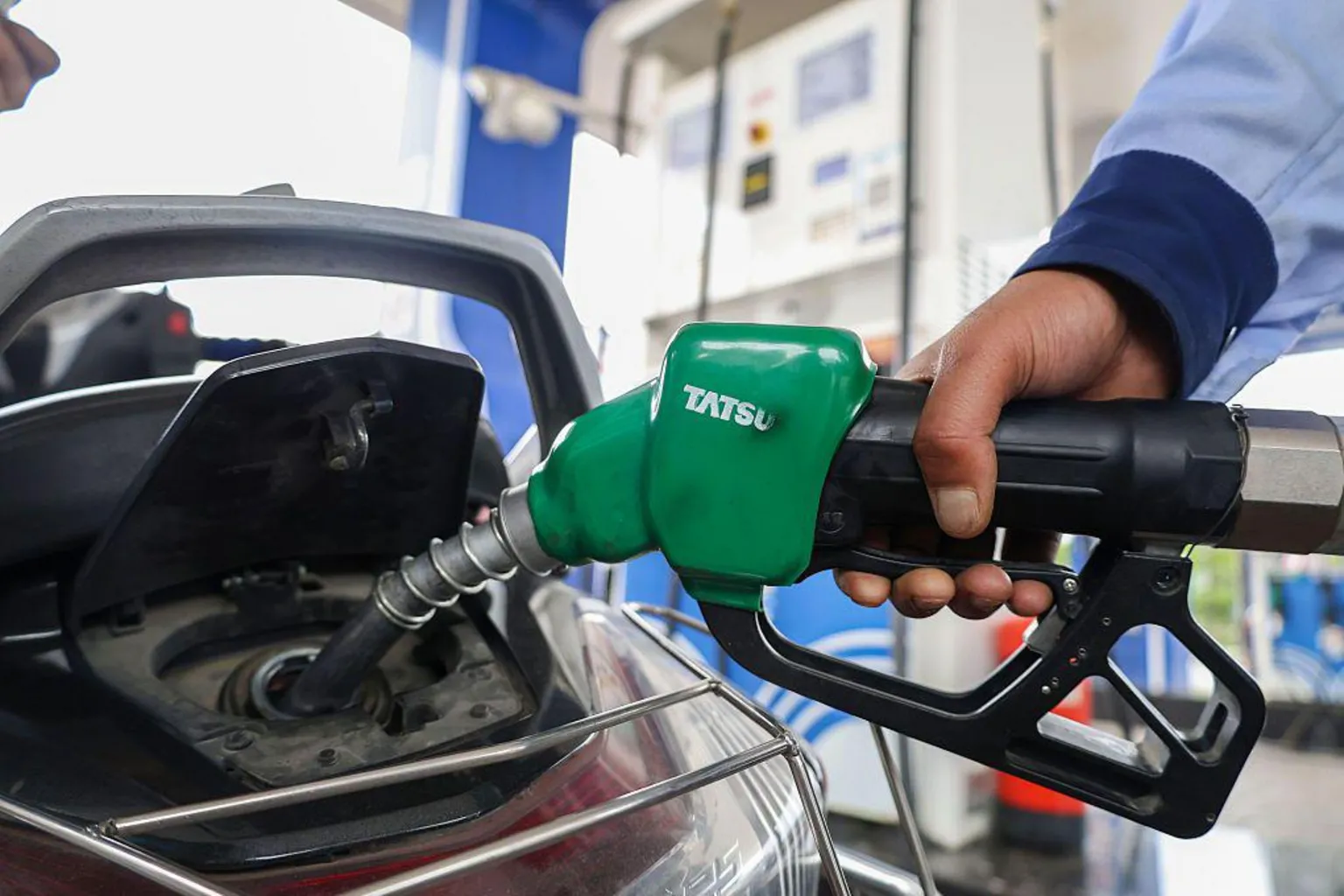
Energy prices have been rising this week as peace talks appear to have stalled, with the key Strait of Hormuz waterway still effectively closed. Approximately 20% of the world’s oil and liquefied natural gas (LNG) typically passes through this strait, and the ongoing conflict has sent global energy prices soaring. Crude oil is a vital ingredient in petrol and diesel, and the jump in costs since the start of the Iran war has pushed up pump prices for motorists.
In the UK, petrol currently costs an average of 157p a litre, according to motoring group RAC, which is 24p higher than before the start of the war. Diesel stands at 188.5p a litre, up 46p compared with its pre-war price. RAC head of policy Simon Williams noted that while petrol prices at the pumps have fallen, “our analysis of wholesale costs shows petrol is now more expensive for retailers to buy than at any time since the war began.” He added that diesel, having come down by 3p a litre, “is currently well below its highest wholesale price since the start of the conflict, so should fall further.”
However, the potential impact extends beyond just petrol and diesel prices. The UK government has warned that people could face higher energy, food, and flight ticket prices as a result of the war. Some airlines have already begun raising fares or reducing flights. Fertiliser prices have also started to increase, which could have a knock-on effect on food prices.
Market Fluctuations and Analyst Views
Brent crude touched $126.31 a barrel earlier on Thursday, marking its highest point since Russia’s full-scale invasion of Ukraine. However, the price then fell back sharply later in the day to around $114. The current Brent futures contract for June delivery was due to expire on Thursday, with the more active July contract trading at approximately $109 a barrel.
Naveen Das, senior oil analyst at Kpler, commented that “it does seem as though escalation in the war is back on the table,” whether through continued US blockade or potential Iranian strikes. He told the BBC’s Today programme that an oil price approaching $125 makes businesses and politicians “start to get a bit more jittery,” potentially leading to calls for de-escalation due to the widespread inflationary effects. Susannah Streeter, chief investment strategist at Wealth Club, warned that costs could remain high into next year, particularly impacting fertiliser shipments and subsequently food prices.
The Strategic Importance of the Strait of Hormuz
The Strait of Hormuz is a narrow stretch of water located between Iran, the United Arab Emirates (UAE), and Oman. This waterway, approximately 21 miles (33 km) at its tightest point, connects the Gulf to the Gulf of Oman, making it a vital global shipping route. About 20% of the world’s oil and liquefied natural gas usually passes through the Strait of Hormuz, originating from Iran and other Gulf states such as Iraq, Kuwait, Qatar, Saudi Arabia, and the UAE. In 2025, an estimated 20 million barrels of oil passed through the waterway per day, representing nearly $600bn (£447bn) worth of energy trade annually. Sea traffic has been significantly reduced since the war began.
US Administration and Market Concerns
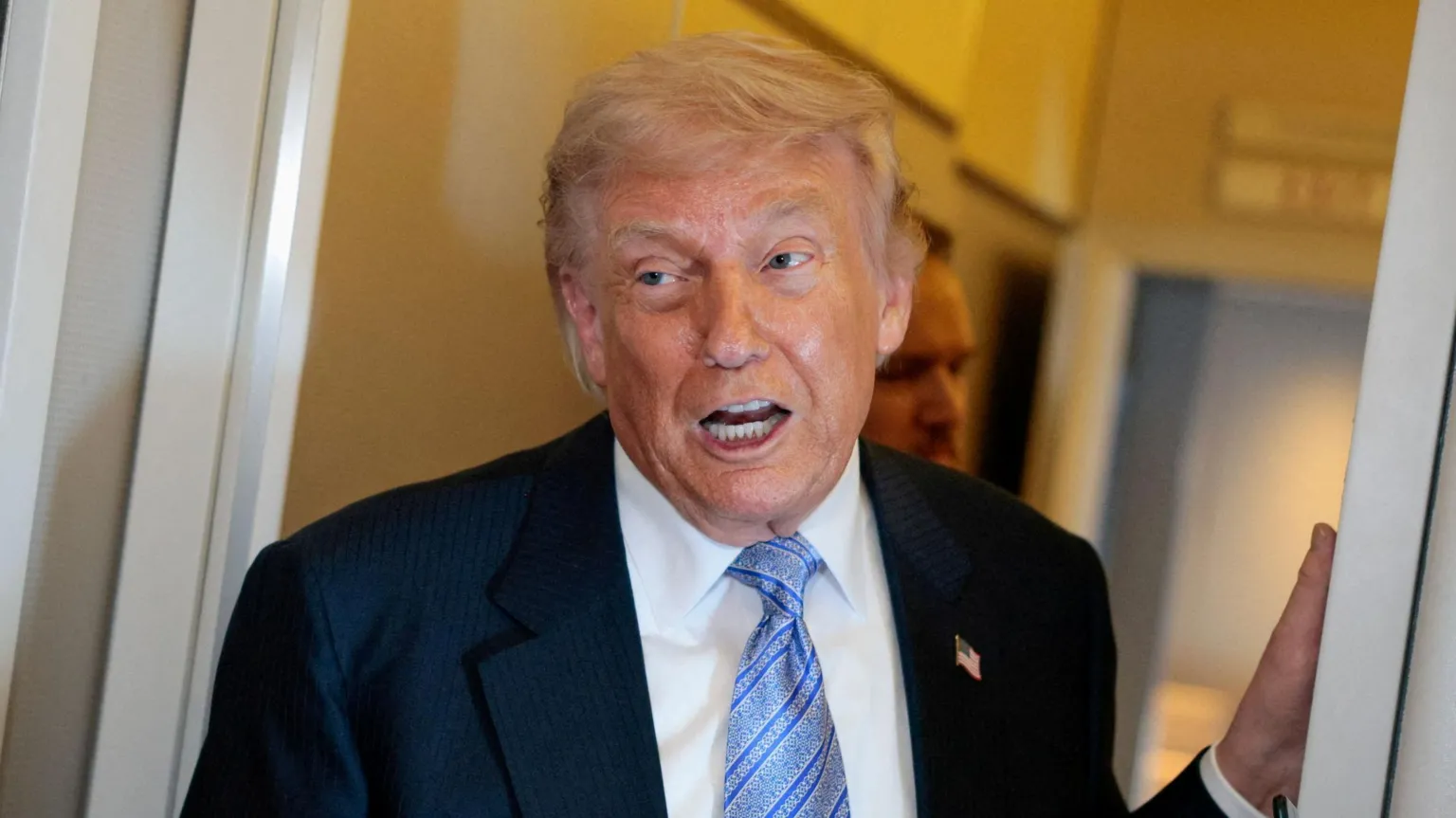
The BBC understands that energy executives met with Trump on Tuesday to discuss ways to limit the impact of the war on US consumers, fueling market concerns about an extended disruption to energy supplies. Will Walker-Arnott, investment manager at Raymond James, highlighted that “people are really beginning to worry about the inflationary impact coming through from the rise in the oil price.” Stock markets in Asia closed lower, with Japan’s Nikkei down 1.1% and South Korea’s Kospi closing 1.4% lower. However, markets in Europe showed gains, with London’s FTSE 100 rising 1.6%, Germany’s Dax climbing 1%, and France’s Cac 40 edging up 0.1%.
#OilPrices #BrentCrude #IranWar #StraitOfHormuz #EnergyMarket #GlobalEconomy #Inflation #TrumpBriefing #Geopolitics #SupplyChain



Leave a Reply