

On 15 September 2008, Bobby Seagull arrived at his office in Canary Wharf just before 6am. It was the last time he would need to be on time. He was a trader at Lehman Brothers, an American bank undergoing serious turbulence. “We had seen on the Sunday news from America, they’re filing for bankruptcy. We weren’t quite sure [what] the implication was [for] us in the UK. So we were just told to turn up as normal.”
Initially it was “chaos”, Bobby says. “There was no direct communication with our American colleagues. They weren’t picking up the phones. Some people were picking up items, like paintings on the wall and saying, ‘They owe me shares’.” Bobby had an inkling that disaster might strike and was well prepared, even buying a shopping trolley and emptying his vending machine card on chocolates.
Bobby, along with thousands of colleagues, carried his career out in a cardboard box. It was a defining image of the global financial crisis which saw thousands of businesses fail and millions lose their jobs, ushering in one of the longest and deepest recessions since World War Two.
Now, a number of warning lights are flashing on the world economic dashboard, leading some to wonder if we are in the foothills of another financial crisis. What could the next meltdown look like? And with international relations in 2026 in a more febrile state than they were in 2008, will policymakers even have the tools to solve it?
Early Warning Signals
Before the crisis that engulfed the world economy in 2008, there were early warning signals in some parts of the financial system. In 2007, investments in risky US mortgages went sour as homeowners struggled to pay. Funds run by Bear Stearns, BNP Paribas and other banks either had to freeze investors’ ability to withdraw money or liquidate funds completely. These problems were the canaries in what proved to be a very deep financial coal mine, eventually leading to a “credit crunch” and a global financial crisis.
Today, several funds which lend money have declared losses or restricted investors’ ability to take out their money. BlackRock, Blackstone, Apollo and Blue Owl have all faced demands for billions in withdrawals from private credit funds – institutions that provide an alternative to traditional banks. Bank regulators and financial veterans recognize the similarities.
Sarah Breeden, deputy governor of the Bank of England with responsibility for financial stability, notes that the new world of private credit has grown quickly, has yet to be tested by financial adversity, and is poorly understood. “There are echoes of the global financial crisis in what we’re seeing now,” she says. “Private credit has gone from nothing to two and a half trillion dollars in the last 15 to 20 years. There is leverage [borrowed money], there’s opacity, there’s complexity, there’s interconnections with the rest of the financial system. All of that rhymes with what we saw in the GFC.” She is also concerned about layers of debt, or leverage on leverage, amplifying losses.
Mohammed El-Erian, chief economic adviser to Allianz, agrees that the risk of another crisis is underestimated. He points to “clear fragilities in the financial system that are not properly appreciated.” He suggests that restrictions placed on banks after the 2008 crisis led to the rise of this new private credit market. However, Larry Fink, the boss of BlackRock, disagrees, stating he sees “zero” similarities with 2007-08, believing financial institutions are more secure today.
Surging Energy Prices
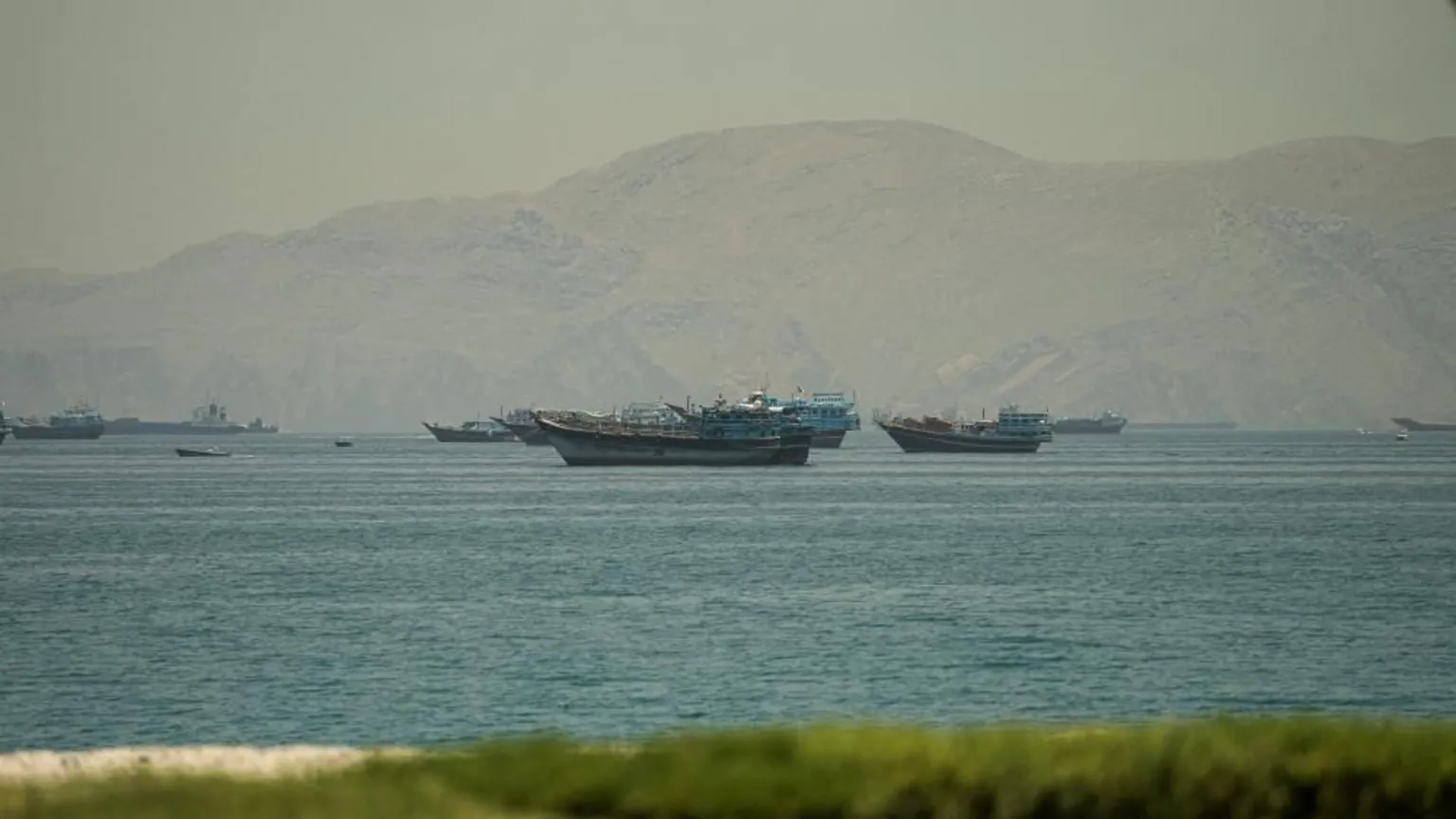
Another potential parallel with history is surging energy prices. This was a contributing factor to the 2008 crisis, with Brent crude oil peaking at $147 in July 2008. Today, oil prices have risen to over $100 a barrel, with warnings they could go higher if geopolitical tensions impacting the Strait of Hormuz, a critical energy artery, are not swiftly resolved.
Fatih Birol, chief executive of the International Energy Agency, has described the current energy security situation, particularly concerning the Strait of Hormuz, as “the greatest energy security crisis in history,” deeming it “more serious” than previous energy shocks in 1973, 1979, and 2022 combined. While current oil prices are not yet at the levels seen before the last financial crisis, and stock markets are near all-time highs, an energy shock remains a significant risk.
The AI Bubble
Over $2 trillion has poured into investments in AI, described by some as a bubble. This has propelled the valuations of a few mega-companies, with 37% of the value of the S&P 500 now concentrated in just seven companies (including Nvidia, Microsoft, Alphabet, and Amazon). A significant sell-off in these companies would impact savers and potentially rock business and consumer confidence, echoing the bursting of the dotcom bubble in 2000, which contributed to a recession.
Policymakers’ Limited Tools
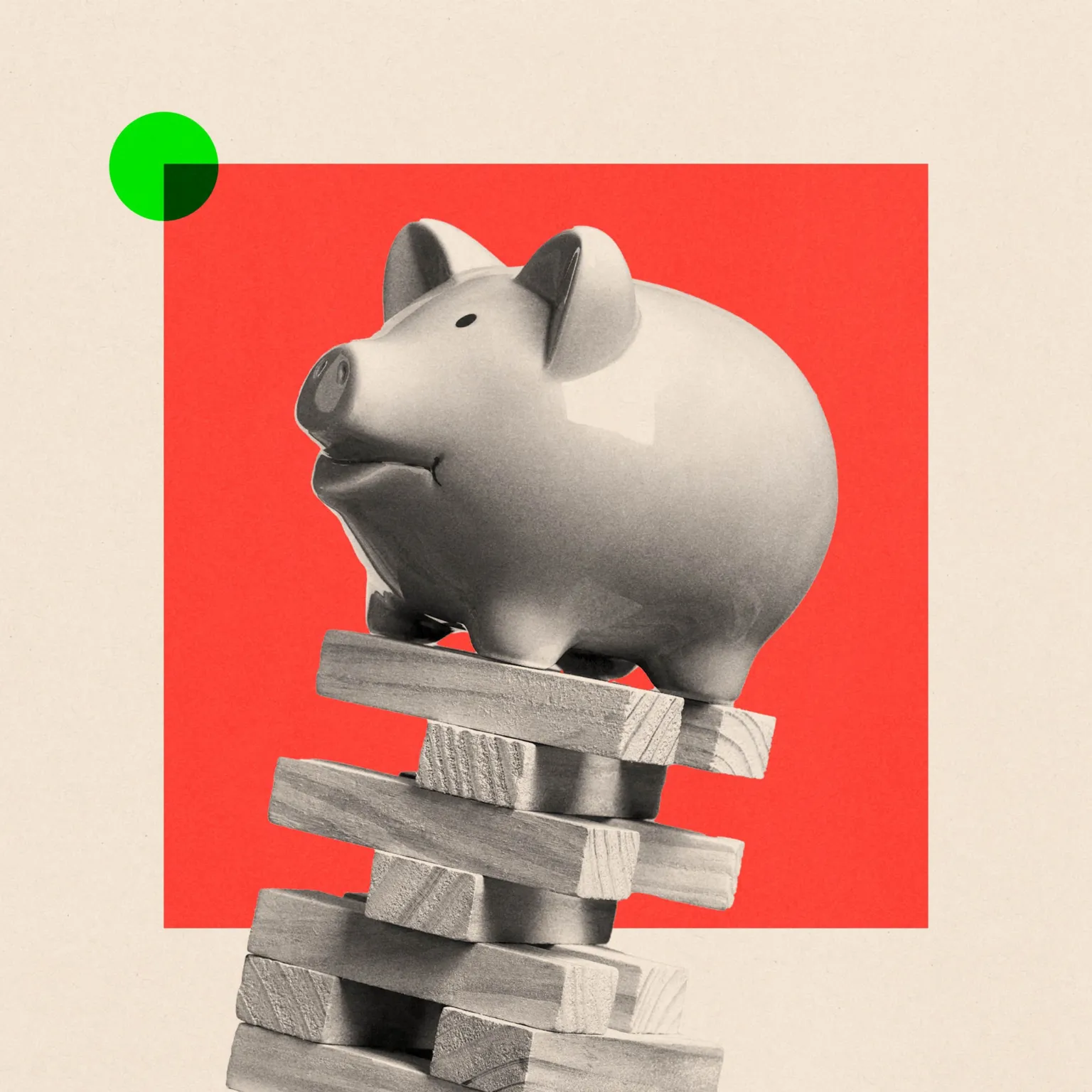
In 2008, governments responded by pumping billions into banks and central banks cut rates. However, some worry that those options may no longer be as effective. UK government debt, for instance, is now close to 100% of national income, limiting its ability to borrow. Mohammed El-Erian uses the analogy of a fire brigade that has run out of water, a sentiment echoed by the International Monetary Fund (IMF), which notes that “policy space has been eroded.”
Furthermore, the state of international relations is weaker. In 2008, strong international cooperation, led by figures like Gordon Brown, helped prevent a depression. Today, significant disagreements between rich countries, US-China trade wars, and “America First” policies could make such cooperation more difficult. The IMF warns that “international cooperation is weaker” now than in previous years.
Despite these concerns, Sarah Breeden offers a note of optimism, arguing that banks are “much more capitalised now,” with higher reserves of cash. Mohammed El-Erian agrees to an extent, believing the banking system itself is not at risk, but that the financial system could still “aggravate economic fragilities that tip us into recession.” He warns that if this happens, the most vulnerable segments of the population will suffer most.
Bobby Seagull, now a Maths teacher, highlights the increased complexity of financial markets, where “you’re sort of passing on financial instruments from one person to the other, not sure what’s inside it.” He cautions that if things go wrong, they can escalate very quickly, and “you don’t want to be the last person left holding that package.”
#FinancialCrisis #EconomicOutlook #PrivateCredit #EnergySecurity #AIBubble #GlobalEconomy #MarketWatch #RecessionRisk #CentralBanks #Geopolitics





Leave a Reply