


The Pentagon has reported that no ships successfully navigated past the United States military blockade in the Strait of Hormuz during its initial 24 hours, with six merchant vessels complying with orders to turn back.
This statement, issued Tuesday by the US military’s Central Command (CENTCOM), marks the first update since US President Donald Trump announced the blockade of the vital waterway. The announcement followed the failure of US-Iran talks in Pakistan over the weekend to reach an agreement on ending the conflict initiated by the US and Israel on February 28.
CENTCOM clarified that the blockade is specifically enforced against vessels “entering and exiting Iranian ports,” while other ships are still permitted to transit the waterway freely. It further stated, “US forces are supporting freedom of navigation for vessels transiting the Strait of Hormuz to and from non-Iranian ports.”
However, conflicting reports have emerged. Reuters, citing shipping data, indicated that at least three vessels, including two US-sanctioned tankers, did transit the strait within the first 24 hours of the blockade. These ships were reportedly not bound for Iranian ports. Conversely, AFP and several US media outlets, using data from maritime tracker Kpler, reported that two ships had transited the waterway after departing Iranian ports on Monday.
CENTCOM confirmed that 10,000 US sailors, Marines, and airmen are involved in the operation, supported by over a dozen US warships and numerous aircraft.
Military observers widely agree that US forces possess the capability to sustain the blockade indefinitely, but they caution that the ongoing pressure heightens the risk of Iranian attacks. Such attacks could potentially lead to the collapse of the two-week ceasefire that commenced on Wednesday.
Furthermore, any attempts to intercept vessels belonging to strategic adversaries, such as China, could trigger new escalations. This strategy is also anticipated to continue disrupting global oil markets.
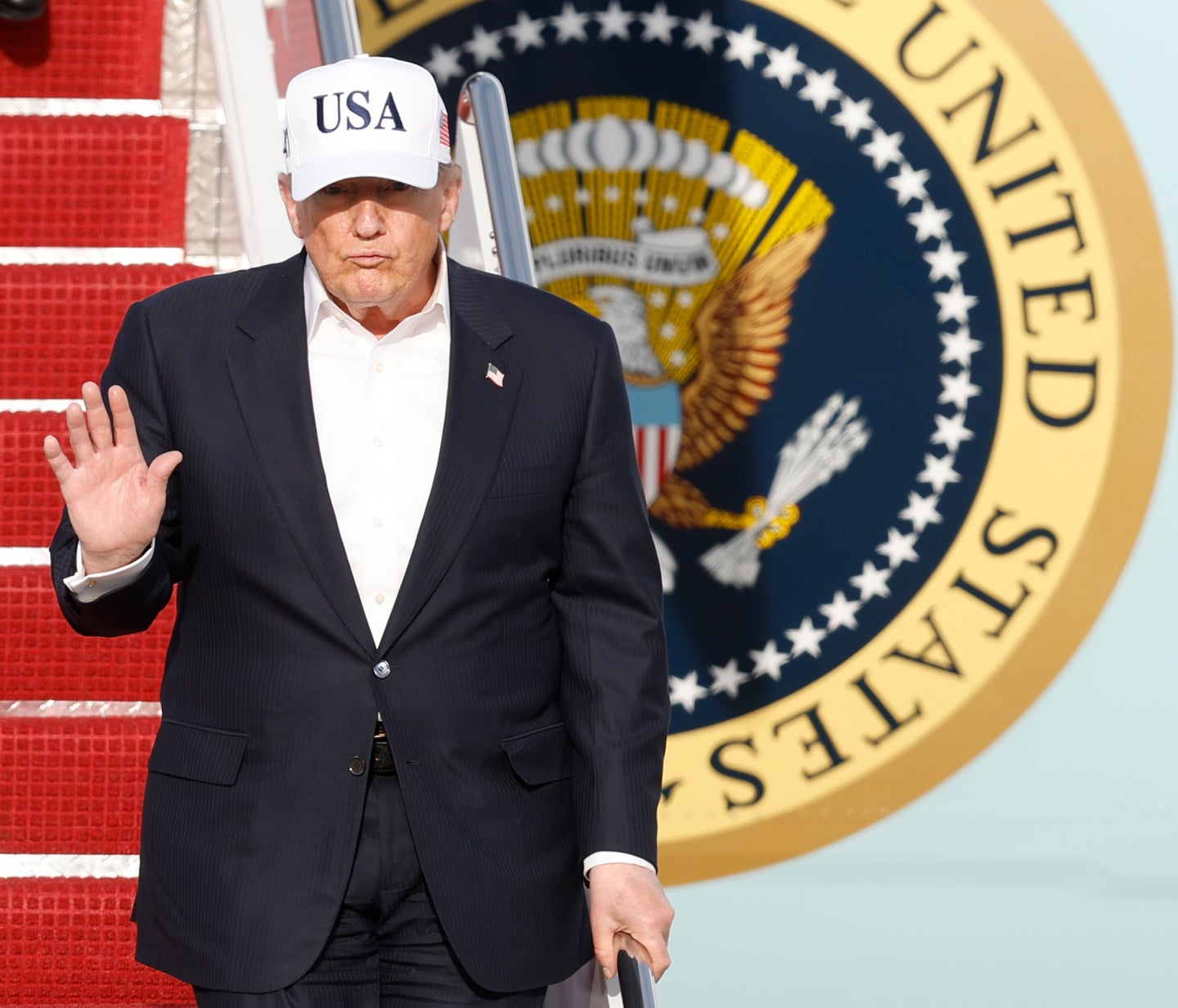
Iran has condemned the US action as “piracy,” while President Trump, on Monday, vowed to “eliminate” any Iranian ships attempting to breach the blockade.
This Tuesday update comes as both sides signaled openness to further discussions, despite failing to achieve a breakthrough during 21 hours of negotiations. The talks involved a US delegation led by Vice President JD Vance and an Iranian delegation headed by parliamentary Speaker Mohammad Bagher Ghalibaf.
These negotiations represented the highest-level face-to-face contact between the two nations since the 1979 Islamic revolution. Key unresolved issues include control of the Strait of Hormuz, the future of Iran’s nuclear program, and whether the ceasefire extends to Israel’s ongoing invasion and bombardment of Lebanon.
In an interview with the New York Post on Tuesday, Trump hinted that “something could be happening over the next two days” in Islamabad, praising Pakistani Field Marshal Asim Munir for his role in facilitating the negotiations.
Reporting from Tehran, Al Jazeera’s Ali Hashem stated that sources indicate messages are already being exchanged regarding what both sides consider “bridgeable issues.”
Hashem commented, “Iran is open to talks, and it showed that from last week when it went to Islamabad. The main hurdle always is the mistrust, distrust between both sides. For the Iranians, they’ve been repeating that they’re open. If the Americans want to fight, they’re going to fight. And if they want to talk, they can talk.”
#StraitOfHormuz #USIranTensions #MilitaryBlockade #MiddleEastCrisis #Geopolitics #OilMarkets #Diplomacy #Pentagon #CENTCOM #InternationalRelations




Leave a Reply