

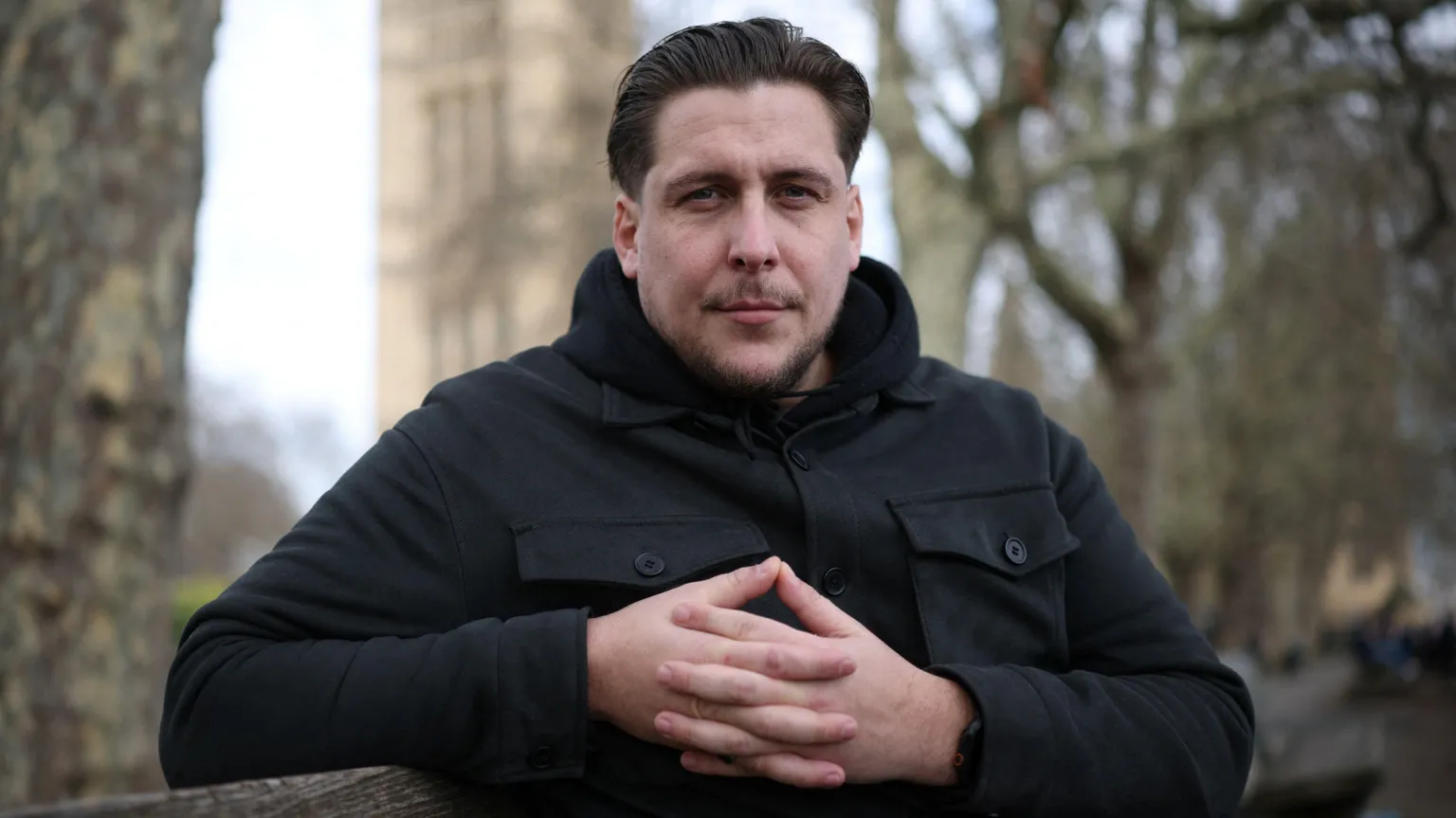
Lindsay Foreman finds solace in reading, exercising in the prison yard, and practicing yoga to maintain her mental well-being. She describes exercise as her “salvation,” but after 16 months in an Iranian prison, she admits to struggling.
“I’m dealing with the realisation that we’re likely to be here for a long time,” she shared during a phone call from Evin prison in Iran.
Lindsay, a 53-year-old life coach, and her husband Craig, 52, were on a global motorcycle journey when they were arrested in January 2025 on charges related to espionage, which they vehemently deny.
Life in Detention: A Decade-Long Sentence
Following a recent period of conflict in the region, the couple, from East Sussex, are now confronting the harsh reality of a 10-year prison sentence handed down in February.
“I just feel that we’re wasting our lives in here and rotting away,” Craig stated. “We are innocent people. We have committed no offence.”
He appealed to the government: “Just take action. Speak out. Get us out. It seems to me we’re sitting here like sitting ducks.”
The couple spoke to the media together, using separate phones, for the first time since their incarceration. They are held in different cells within the same prison. After months of limited communication, their son, Joe Bennett, now receives regular phone calls from his mother and step-father.
These calls are facilitated through payphones in Evin prison via the Foreign Office, which has described their detention as “appalling” and “unjustifiable.”
Conversations are challenging, with frequent disconnections and constant monitoring. Every few minutes, a recording in Farsi interrupts, announcing: “This call is from Evin prison and the caller is a prisoner.”
“It’s very frustrating, but these phone calls are a lifeline for them and for us,” said Joe, who arranged for us to speak with his parents during one of their calls.
The couple noted that prison life has returned to its usual routine after the intense fear experienced during the Israel-US conflict with Iran. A fragile ceasefire is currently in effect.
Lindsay is currently reading *The Road Less Travelled* by Scott Peck, a book focusing on personal growth during difficult times. She expressed concern about soon running out of books to borrow from the prison library.
Consular visits are currently suspended, as the British embassy temporarily closed when the conflict began and has not yet reopened.
Lindsay remains sensitive to sudden noises, particularly after recent bombings near the prison. “I was on the phone to Joe when there was one that came so close that the windows popped out,” she recounted.
While Craig is held with other foreign nationals – an Ecuadorian, a German, and a Romanian man – and finds a sense of camaraderie, Lindsay feels more isolated. She mentioned there are no English-speakers in her cell, where she sleeps on a metal bunk.
Days of Despair and Hope
Despite her doctorate in positive psychology, which she believes has equipped her with tools to manage the ongoing ordeal, there are moments of profound despair.
She broke down in tears, saying: “There are people who have been here for years, and it’s just so unfair.”
Craig, who could hear her on speakerphone from another of Joe’s devices, quickly offered comfort.
“We can do this,” he assured her. “We will do this. We’ll get through it together and, sometime, I hope soon, we will be on the other side of these walls. So stay strong, my love.”
The couple explained they were on a motorbike journey from Europe to Australia when they entered Iran from Armenia, intending to stay only for a few days. Lindsay was researching what constitutes a “good life” and planned to present her findings at a conference in Brisbane.
This line of inquiry appears to have led to their difficulties with Iranian authorities.
The couple was aware of Foreign Office advice cautioning British nationals against travel to Iran.
“Craig and I had assessed the risk and did not think that innocent tourists would end up in prison for this long with no evidence,” Lindsay stated. “I take responsibility for the choice I made to come here, and I have to live with the consequences.”
She added that it would be difficult for anyone who has not experienced detention in Iran to truly comprehend these consequences.
The Prospect of an End
Lindsay spent an initial 57 days in solitary confinement in Kerman. Craig was interrogated while blindfolded during his time in solitary confinement, which he described as “horrific.”
They were transferred to Tehran last July and initially told they would be freed, only to find themselves in Evin prison.
Evin prison is also where Nazanin Zaghari-Ratcliffe, the British-Iranian mother, was held during her six years of detention in Iran.
Lindsay and Craig acknowledge that conditions in Evin prison are better than solitary confinement but remain challenging.
“It’s not very hygienic. There’s limited access to healthcare and dental services,” Craig noted. “And there are instances of conflict among inmates. You have to try and stay clear because there are improvised weapons and things.”
Both expressed awareness that many Iranians are enduring greater hardships than they are.
One of Lindsay’s cellmates was sentenced to death following her involvement in nationwide protests in January, which authorities responded to with force. “It’s frightening,” she said. “When I look at my position, I think ‘well, thank God I didn’t grow up here’. There will be an end for us at some point. But for some of these people, there won’t be an end.”
Since his transfer to Evin prison last summer, Craig mentioned that four of his cellmates have been removed for execution.
“I know they’ve been executed because it’s reported on state television the next day,” he explained.
“We’re in a horrible position right now, but we have met some fabulous people along the way,” he concluded. “We have seen both sides of this country firsthand.”
#BritishPrisoners #IranDetention #EvinPrison #HumanRights #TravelAdvisory #EspionageCharges #ForeignOffice #GlobalJourney #PrisonLife #JusticeSeekers




Leave a Reply