

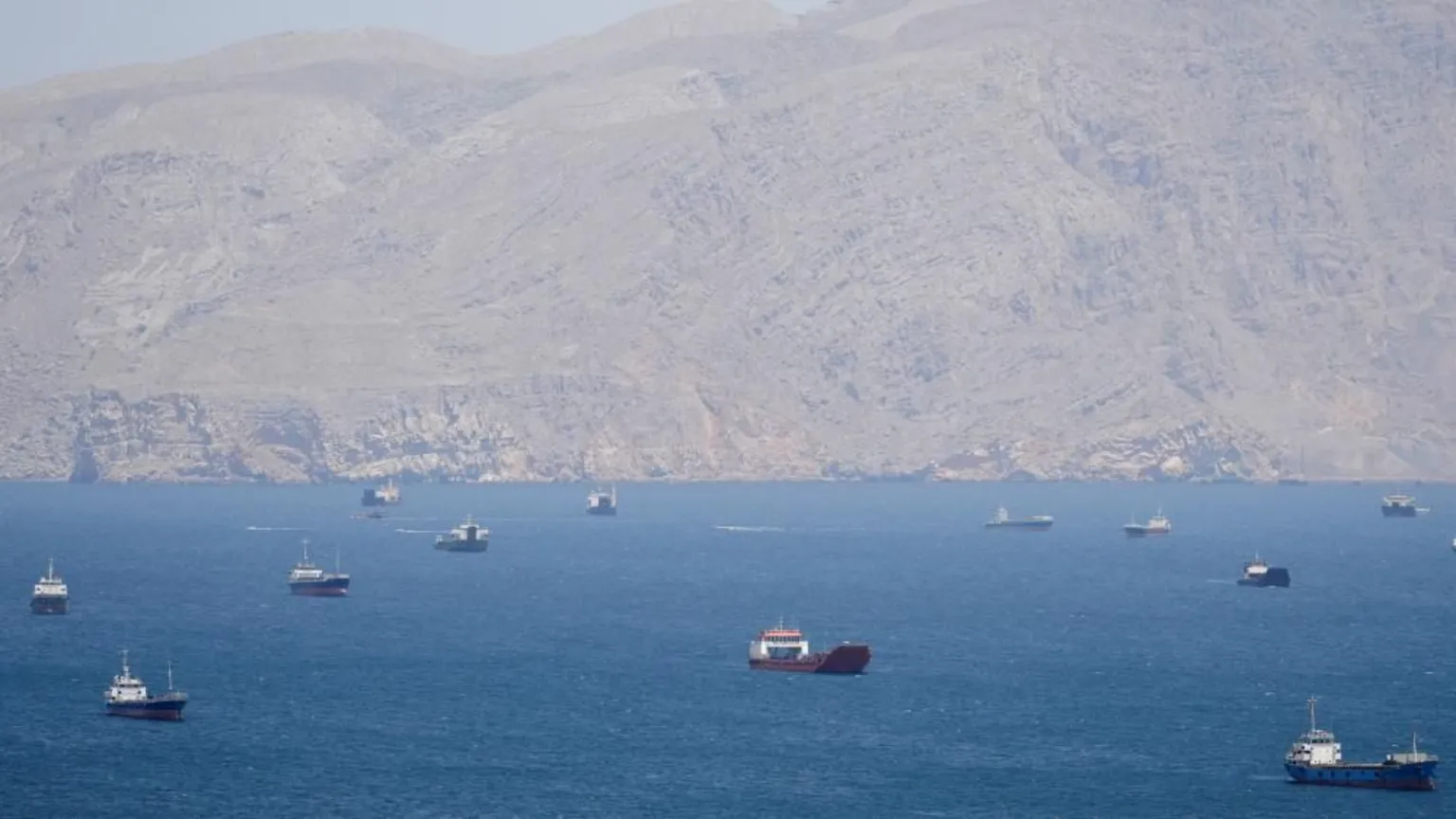
The United States has issued a stern warning to shipping companies, indicating they could face sanctions if they make payments to Iran for passage through the **Strait of Hormuz**. This development underscores the escalating tensions surrounding maritime activities in the region.
US Sanctions Threat and OFAC Alert
On Friday, the **US Office of Foreign Assets Control (OFAC)** released an alert clarifying that US persons and companies are generally prohibited from making payments to Iranian government entities. The alert further cautioned that non-US persons might also risk exposure to sanctions if they engage in such payments. OFAC emphasized that “Maritime industry participants involved with vessels calling at Iranian ports face significant sanctions risk under multiple sanctions authorities targeting Iran’s shipping sector and ports.” These payments, OFAC noted, could include cash, **digital assets, offsets, informal swaps, or other in-kind payments**, as well as charitable donations and transactions at Iranian embassies. The agency also warned that non-US persons making such payments could face civil and criminal liability if their actions lead US entities, such as insurers and financial institutions, to violate sanctions. OFAC reiterated its commitment to “aggressively target Iran’s main revenue-generating sectors, in particular its petroleum and petrochemical sectors.” In a related move, the **US Treasury** announced sanctions on three Iranian foreign currency exchange houses, citing their role in converting oil revenue into more liquid currencies. Treasury Secretary **Scott Bessent** stated his agency would “relentlessly target the regime’s ability to generate, move and repatriate funds, and pursue anyone enabling Tehran’s attempts to evade sanctions.”
Iran’s Stance and Regional Impact
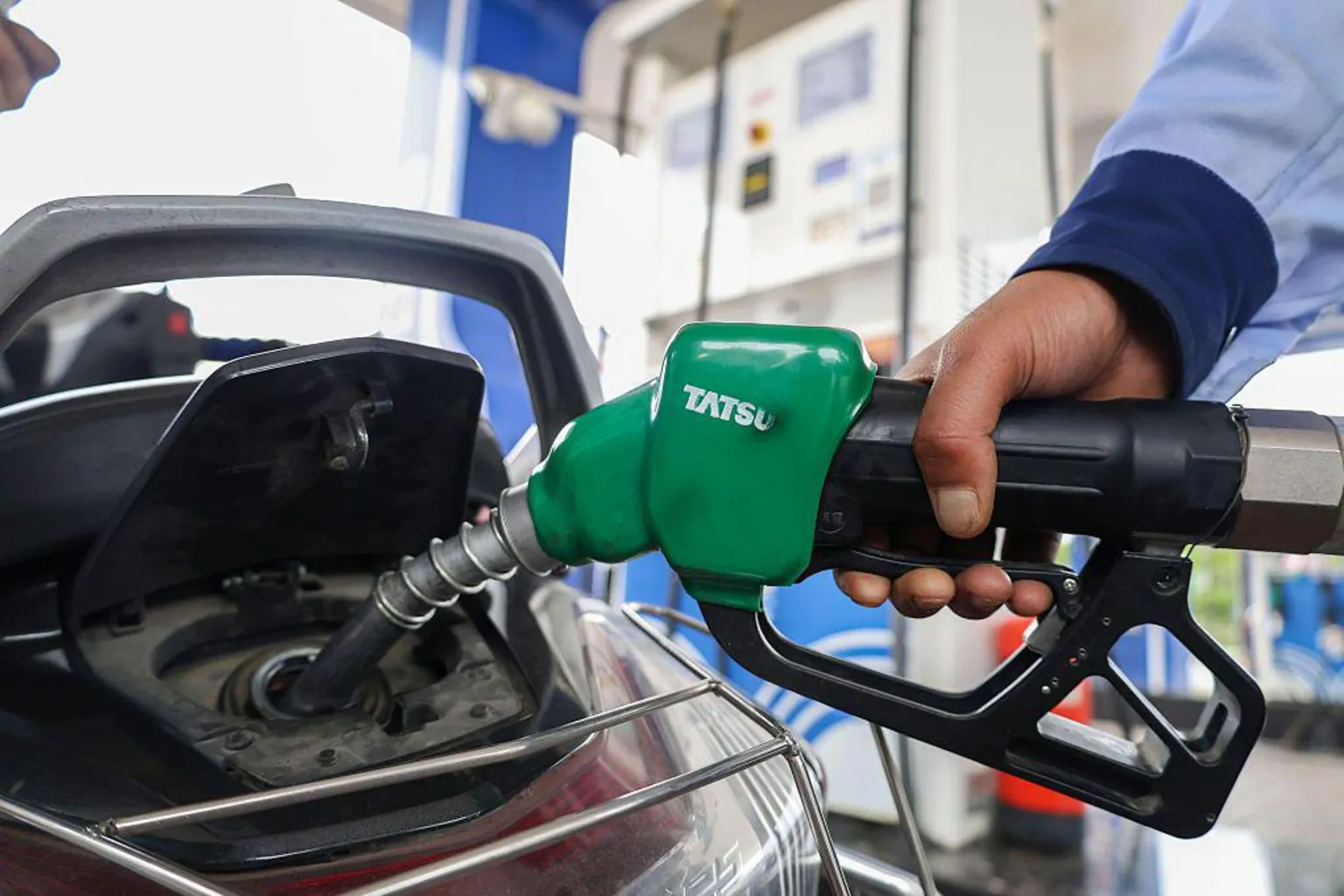
Since the conflict began in February, Iran has significantly restricted traffic through the Strait of Hormuz. Concurrently, the US has enforced a naval blockade on Iranian ports. Iran has characterized the US interception of ships entering and leaving its ports under the blockade as “piracy.” Tehran asserts that it collects tolls from ships to ensure free navigation through the strait. **Hamidreza Haji Bababei**, deputy speaker of Iran’s Parliament, recently claimed that the first toll revenue had been deposited with the country’s Central Bank, though no further details were provided, and the BBC could not independently verify this claim. The US naval blockade, in effect since April 13, has halted all ships traveling to or from Iranian ports. US Central Command (Centcom) reported that 45 commercial ships have been instructed to turn around since the blockade commenced. This has led to a drastic reduction in maritime traffic, with the number of ships passing through the strait dropping sharply from approximately 3,000 per month to just a handful daily. The Strait of Hormuz is a vital shipping channel for global trade, particularly for oil, food, medicines, and technological supplies. The resulting higher transport and fuel costs are disproportionately affecting humanitarian efforts, with aid delivery costs to regions like Sudan reportedly doubling.
Diplomatic Efforts Amidst Ongoing Tensions
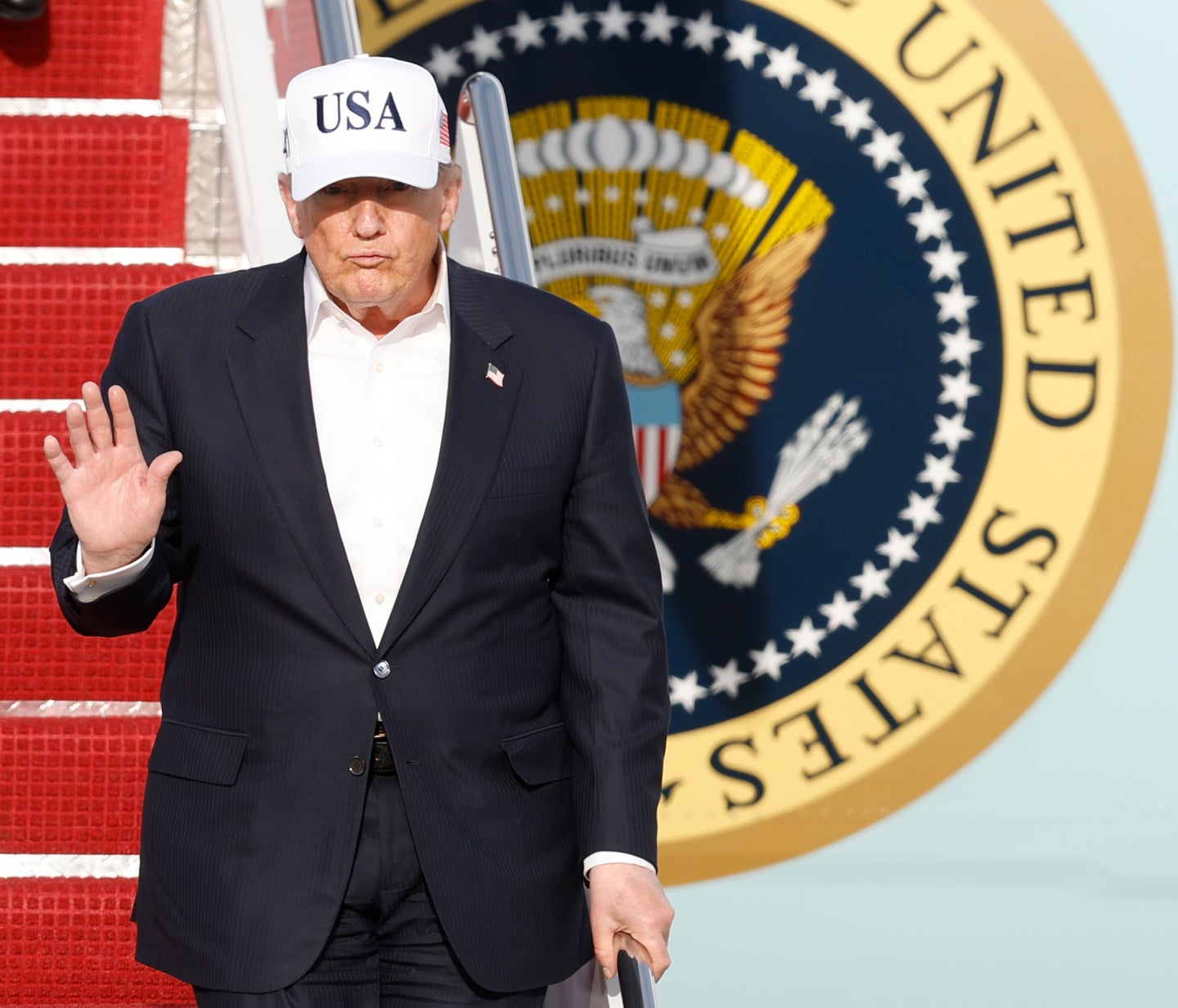
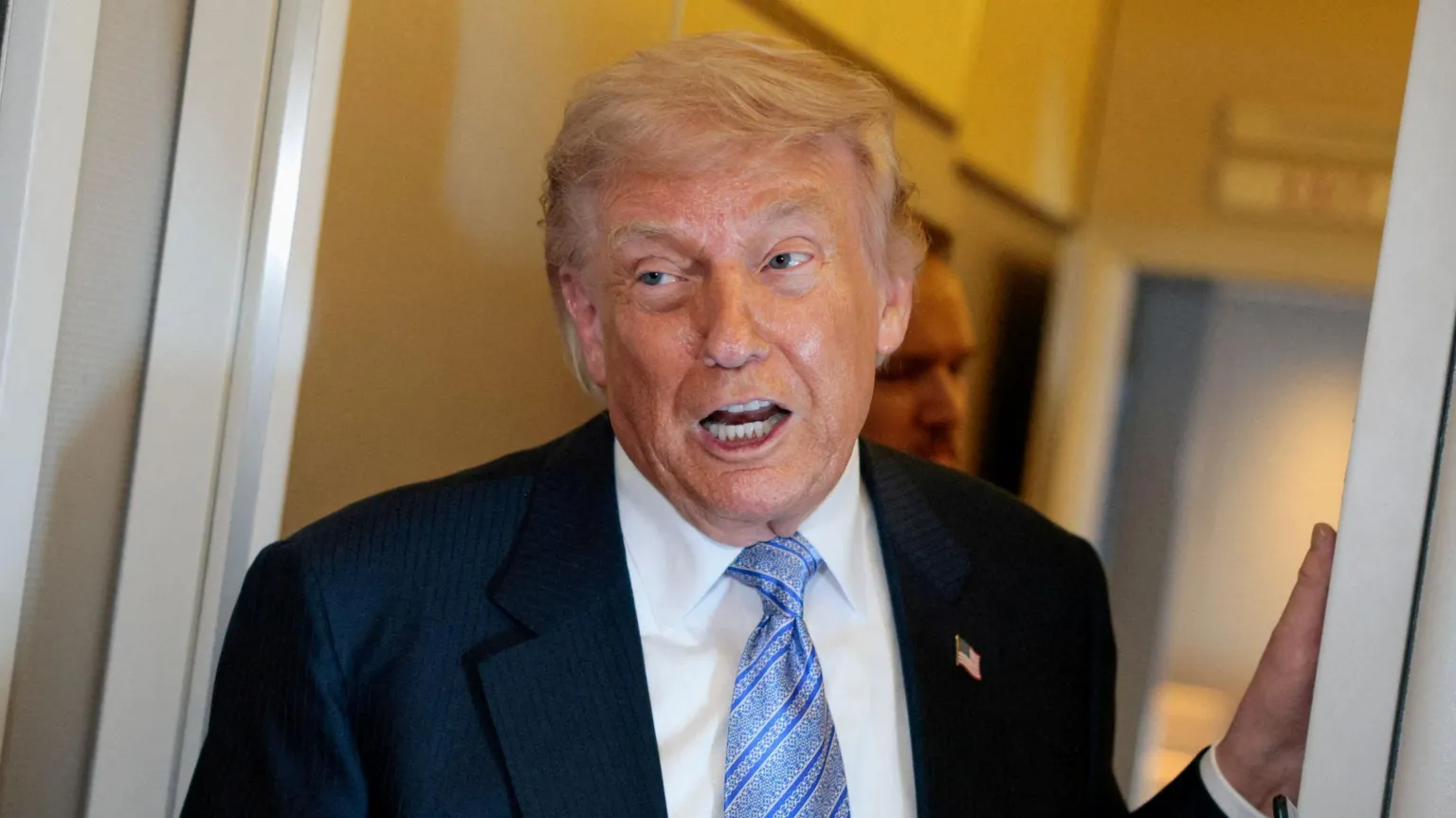
The current conflict initiated after the US and Israel conducted wide-ranging strikes on Iran in February, prompting retaliatory attacks from Iran on Israel and US-allied states in the Gulf. The US and Israel have accused Iran of attempting to develop a nuclear bomb, a claim Tehran vehemently denies. A fragile ceasefire between the US and Iran began on April 8, followed by ongoing talks, though a long-term agreement remains elusive. Iran presented a proposal to end the war to mediators in Pakistan, according to Iran’s state-run IRNA news agency. However, US President **Donald Trump** responded negatively to the proposal, stating, “They want to make a deal, I’m not excited, so we’ll see what happens.” He expressed frustration with Iran’s leadership, describing it as “very disjointed” following the succession of **Mojtaba Khamenei** after the death of Supreme Leader **Ali Khamenei** in earlier strikes. Trump indicated he had been briefed on various options for Iran, ranging from military action to a diplomatic resolution.
#StraitOfHormuz #USSanctions #IranTolls #MaritimeSecurity #OFAC #NavalBlockade #Geopolitics #MiddleEastConflict #ShippingIndustry #InternationalLaw





Leave a Reply