

As diplomatic efforts continue to revive ceasefire talks between the United States and Iran, Washington and Tehran have also been engaged in negotiations regarding Iran’s uranium enrichment program.
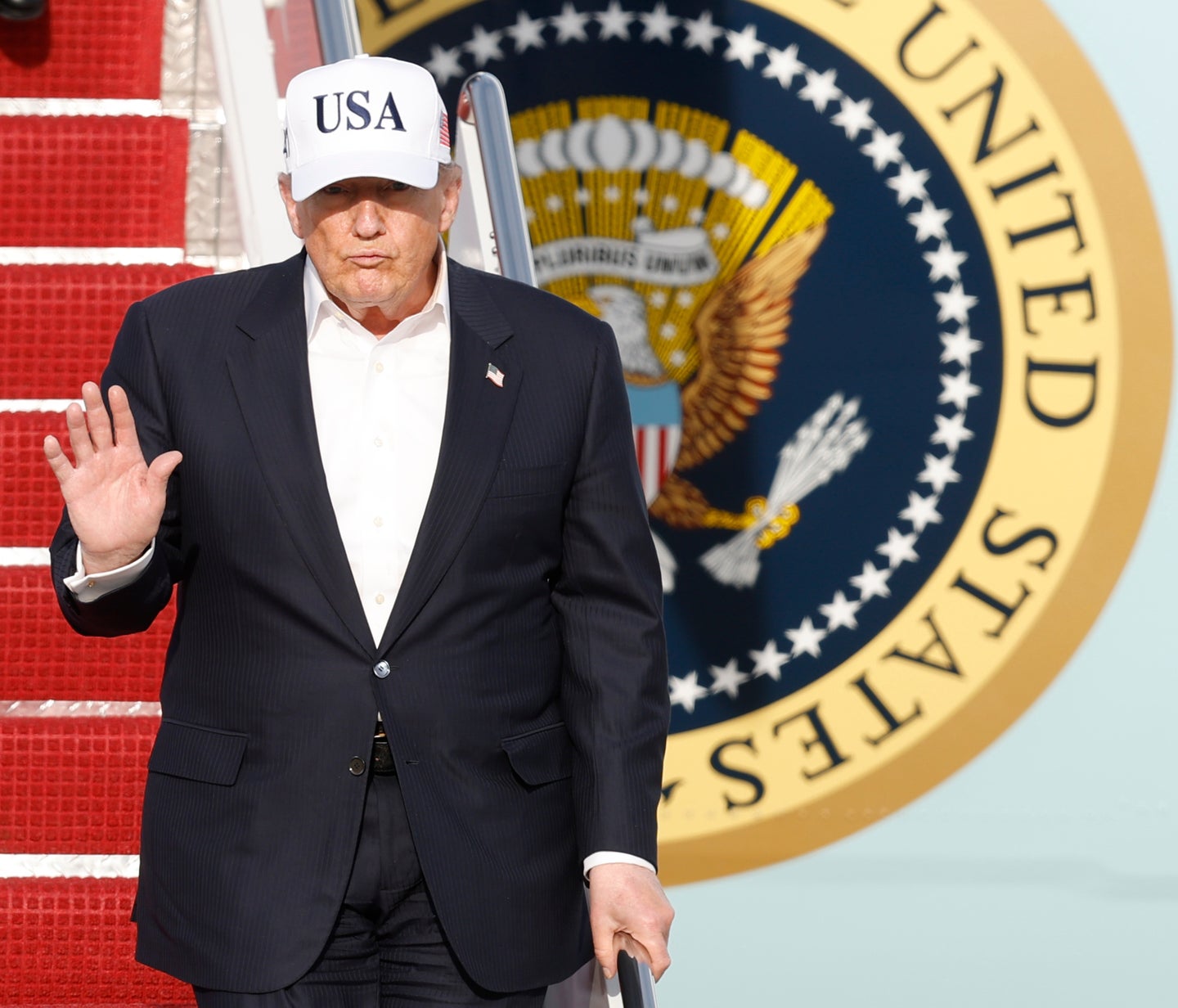
Iran’s current enriched uranium stockpile and its capacity for further enrichment have been central to the long-standing demand by the administration of US President Donald Trump. Trump has insisted that Tehran not only commit to refraining from building a nuclear weapon but also relinquish the capability to do so.
According to multiple US media reports, specific disagreements over Iran’s nuclear enrichment have emerged as a significant obstacle in the ongoing negotiations between the two countries, which aim to end their conflict.
High-level delegations from the US and Iran met in Islamabad, Pakistan, over the weekend but failed to reach an agreement. Pakistan is now working to facilitate a second round of talks.
The breakdown in discussions in Pakistan stemmed from a US demand that Iran suspend its uranium enrichment program for 20 years in exchange for sanctions relief. Tehran, however, refused to agree to a moratorium on enrichment extending beyond five years.
So, why are Iran and the US at odds over the duration of a uranium enrichment ban? And how might this impact ceasefire talks?
Here’s what we know:
What does uranium enrichment mean?
Uranium is a naturally occurring radioactive material found in rocks, soil, and water. When enriched, it serves as a fuel source for nuclear reactors.
It exists in three natural isotopes: uranium-234 (U-234), uranium-235 (U-235), and uranium-238 (U-238). U-235 is highly radioactive, while the other isotopes are not.
According to the International Atomic Energy Agency (IAEA), the United Nations’ atomic energy watchdog, uranium enrichment is “the process through which the isotopic proportion of U-235 is increased from 0.72 percent to up to 94 percent.”
The IAEA defines uranium as low-enriched if its U-235 isotopic proportion remains below 20 percent. This is typically used in civilian, commercial reactors to generate power for homes and industries. Uranium is considered highly enriched if its isotopic proportion exceeds 20 percent.
For uranium to be considered weapons-grade, its enrichment level must surpass 90 percent.
The enrichment process also requires uranium to be in gaseous form. Most countries, including Iran, use a method involving the spinning of uranium hexafluoride. This entails feeding the gas into fast-spinning centrifuges, which separate the lighter U-235 from the heavier U-238. The useful enriched uranium-235 is then collected for nuclear fuel.
How much enriched uranium does Iran have?
Iran is currently believed to possess approximately 440kg (970 pounds) of uranium enriched to 60 percent. This level significantly shortens the time required to reach the 90 percent threshold needed for a nuclear weapon.
This quantity is theoretically sufficient to produce more than 10 nuclear warheads, IAEA chief Rafael Grossi informed Al Jazeera in early March. He added that nearly half of the 60-percent-enriched uranium was likely still stored in an underground tunnel complex at Iran’s Isfahan nuclear facility.
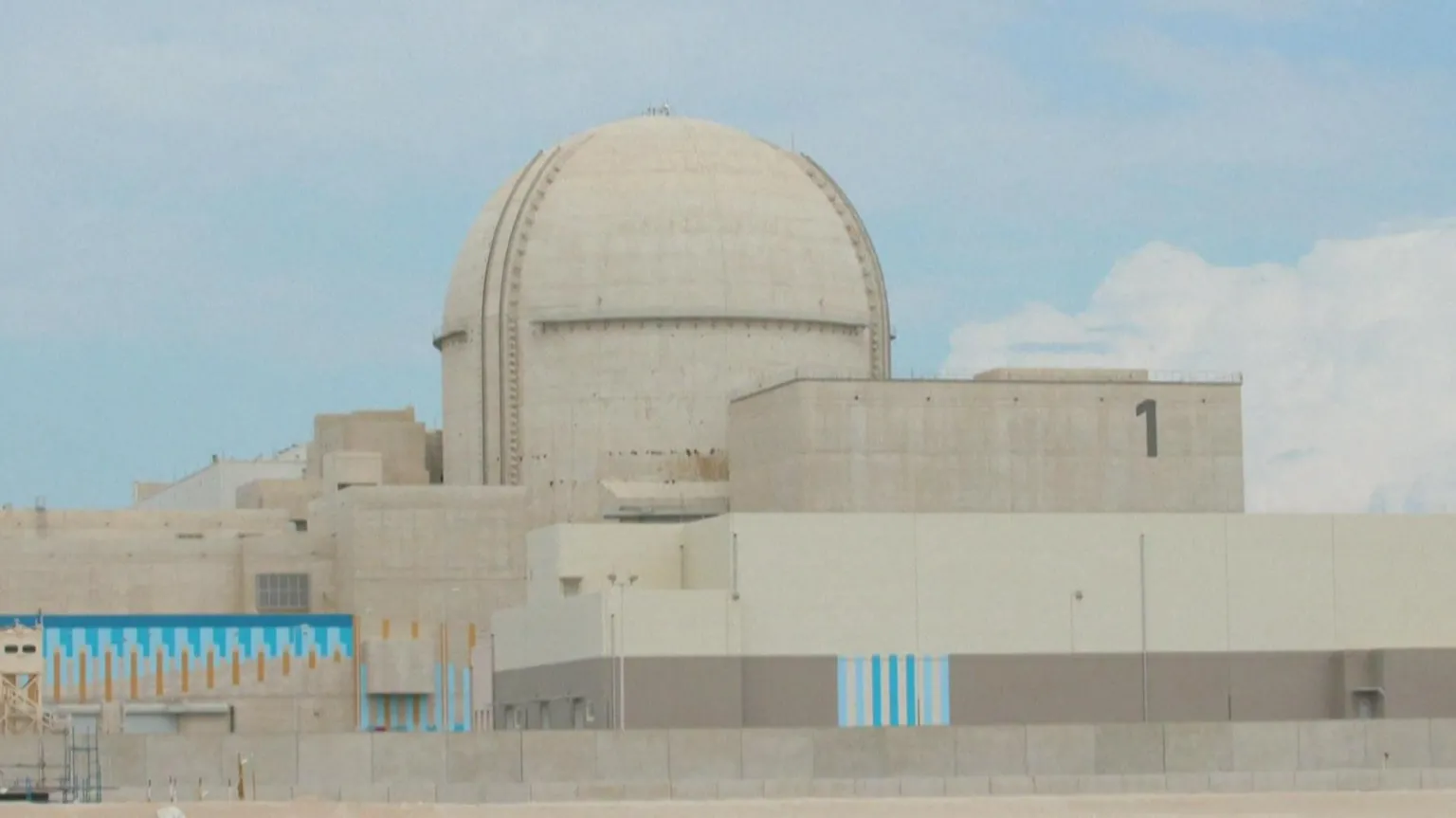
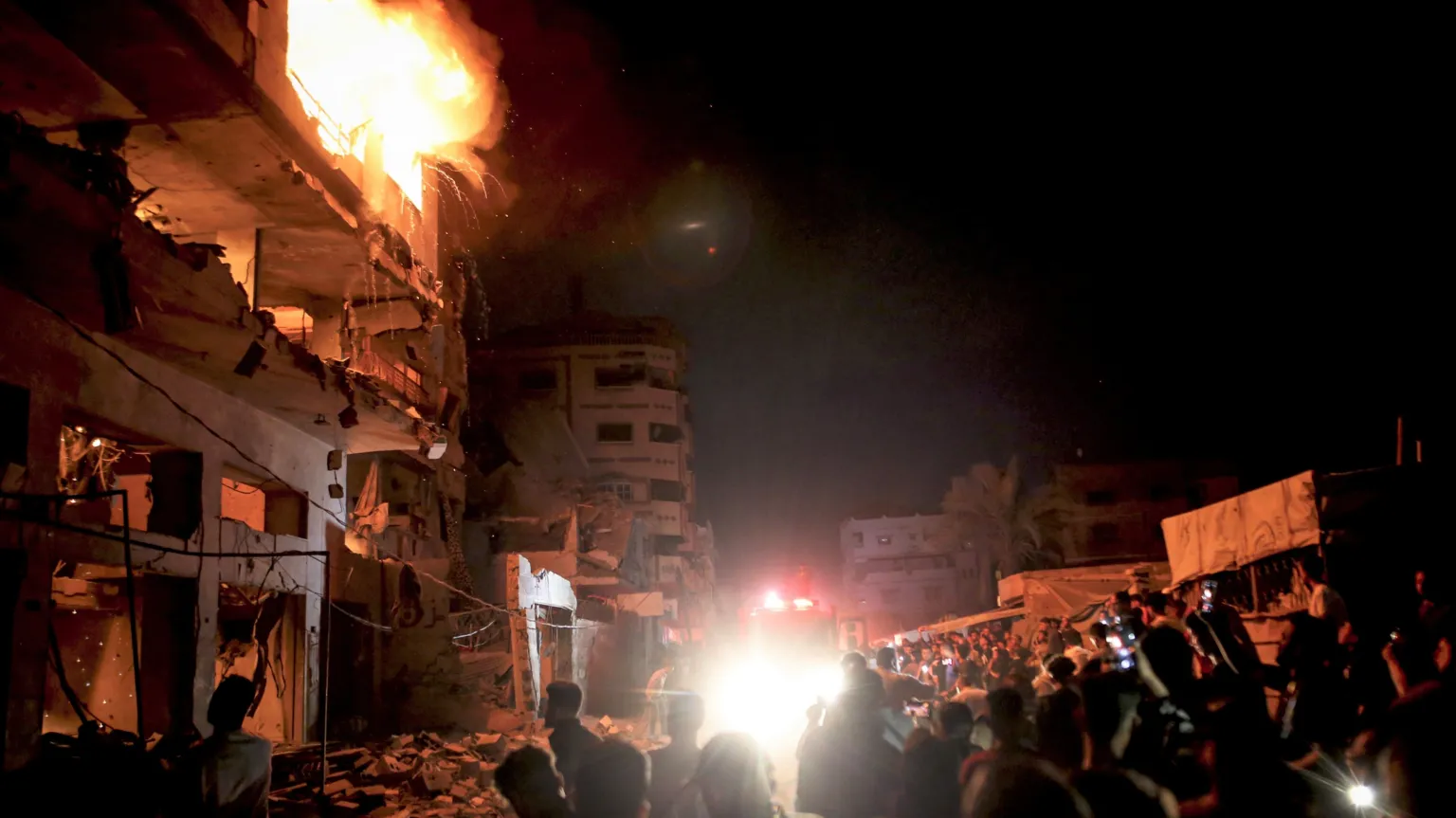
An undisclosed amount is also thought to be stored at the Natanz facility. These two underground nuclear sites, along with a third at Fordow, were reportedly destroyed or severely damaged in US-Israeli air strikes during the 12-day war in June 2025 and have been targeted again in the current conflict.
It remains uncertain whether these stockpiles are buried under rubble or what condition the enriched uranium is in.
What is the issue with Iran’s uranium enrichment program?
Iran has consistently maintained that its uranium enrichment program is solely for civilian energy purposes, despite having enriched uranium far beyond the levels required for such uses.
Israel and the US have repeatedly accused Iran of enriching uranium to develop nuclear weapons. In response, the US and its allies, particularly in Europe, have imposed multiple rounds of sanctions on the country.
In 2015, Iran entered into a pact with world powers, known as the Joint Comprehensive Plan of Action (JCPOA), negotiated by then-US President Barack Obama. Under this agreement, Tehran committed to scaling back its nuclear program in exchange for sanctions relief.
However, in 2018, during his first term as president, Trump unilaterally withdrew the US from the pact, labeling it “one-sided” and reimposing sanctions on Iran.
Since then, Trump has repeatedly asserted that Iran should not possess the capability to produce nuclear weapons. This has been one of Washington’s primary stated demands during talks with Iranian officials over the past year and served as the central justification for bombing Iranian nuclear facilities during last year’s 12-day war.
It was also one of the reasons cited by the US when it initiated the war on Iran in February of this year, despite being in active negotiations over uranium enrichment with the country at the time.
Trump has reportedly considered deploying US special forces to Iran to seize the country’s stockpile of highly enriched uranium.
Iranian officials have indicated their willingness to discuss reducing enrichment levels in past negotiations but have refused to completely dismantle Iran’s nuclear program.
Why does the duration of Iran’s uranium enrichment ban matter?
According to US media reports, the ceasefire talks in Islamabad, Pakistan, collapsed without a deal due to disagreements over Iran’s nuclear program. Washington pushed for a 20-year suspension, while Iran proposed a five-year one.
MV Ramana, a professor in Disarmament, Global and Human Security at the University of British Columbia, told Al Jazeera that the current debate over how long Iran should suspend uranium enrichment is primarily a bargaining process.
“Both the US and Iranian governments have staked a lot of political capital on Iran’s enrichment program. The dispute in recent years and months has been that Trump wanted Iran to completely abandon the program, and Iran refusing to ever do that,” he said.
“Now they have moved a little from that position and are trying to stake out positions that are somewhat closer to each other. Beyond that, I cannot discern any technical reasons for either 20 or five years,” he added.
Under the JCPOA, Iran agreed to cap its U-235 enrichment levels at 3.67 percent—sufficient for fueling civil nuclear plants like Bushehr but far below what is needed for weapons—for 15 years. It also agreed not to build new centrifuges for 10 years and to reduce the number of existing centrifuges over that decade. Enrichment up to 3.67 percent was only permitted at the Natanz facility, and Iran’s enriched uranium stockpile was to be kept under 300kg (660 pounds).
At the time Trump unilaterally withdrew from the JCPOA, Iran was fully compliant with its commitments, according to the IAEA and US intelligence agencies.
Eight years later, the terms of the JCPOA might be at least partly responsible for the current wrangling over the duration for which Iran agrees to cap its enrichment program, noted Ian Lesser, a distinguished fellow at the German Marshall Fund of the United States.
“At the time, he [Trump] and other critics felt the 10-year horizon was too short. So it is not surprising that both sides should pursue presenting a ‘better deal’ from their perspectives,” Lesser said.
In essence, Iran seeks to commit to a period shorter than 10 years, while the US aims for a period longer than a decade.
After the first round of ceasefire talks concluded without a deal over the weekend, US Vice President JD Vance, who led his country’s delegation, told journalists that “the ball is in the Iranian court.”
“It’s one thing for the Iranians to say that they’re not going to have a nuclear weapon. It’s another thing for us to put in place the mechanism to ensure that’s not going to happen,” he stated.
Chris Featherstone, a political scientist at the University of York, told Al Jazeera that Iran is understandably interested in offering the fewest concessions to the US in their negotiations.
“For the US, they have long held the view that Iran should be prevented from obtaining nuclear weapons. As such, they want to ensure Iran commits to not enriching uranium for as long as possible. Importantly, the longer that Iran goes without enriching uranium, the more difficult it is to restart the process,” Featherstone explained.
He added that for Trump, it’s also about justifying his claims of winning the war.
“Iran committing to not enriching uranium for as long as possible can be seen as a ‘success’,” Featherstone said. “And he can demonstrate that he has achieved something with this war.”
#USIranTalks #NuclearDeal #UraniumEnrichment #IranNuclearProgram #CeasefireNegotiations #JCPOA #InternationalDiplomacy #MiddleEast #NuclearNonProliferation #PakistanTalks
Why are the US, Iran arguing over duration of uranium enrichment ban?



Leave a Reply