

Tensions in the Gulf have reached a critical point this week, with the United States and Iran both asserting they have engaged and damaged each other’s vessels. These claims emerge despite a fragile ceasefire in the broader regional conflict.
Understanding Project Freedom and the Strait of Hormuz
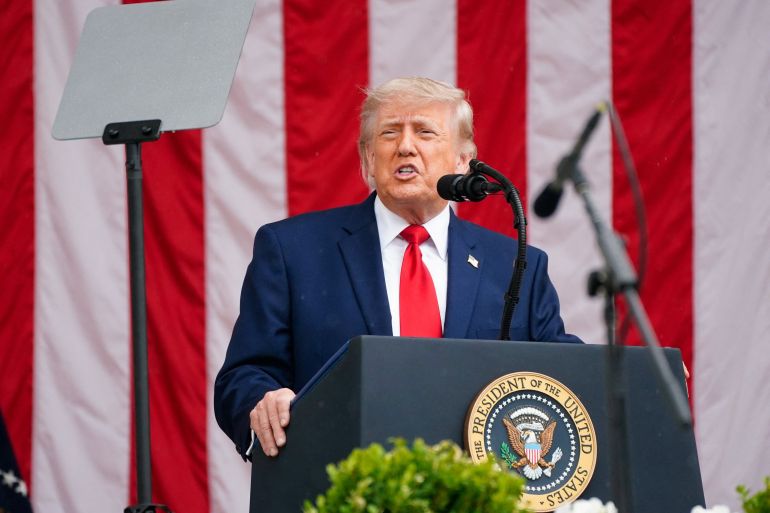
Following an announcement by US President Donald Trump regarding a plan dubbed Project Freedom, aimed at guiding stranded ships through the Strait of Hormuz, Iran issued a stern warning. Tehran stated that any vessels attempting to use the strait without authorization from the Islamic Revolutionary Guard Corps (IRGC) would face military action, reigniting fears of a wider conflict.
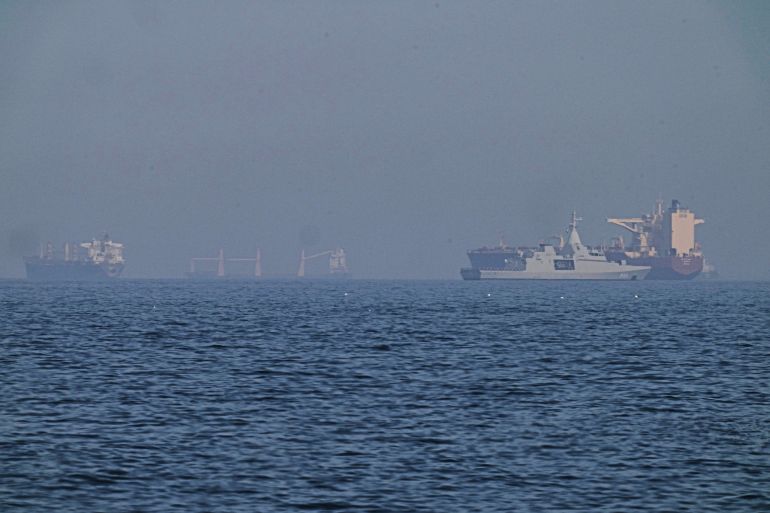
President Trump did not elaborate on the specific methods US forces would employ to ensure safe passage for commercial ships. Approximately 2,000 vessels are currently marooned on either side of the strait, which has been largely inaccessible since the conflict began on February 28. This closure of the vital maritime corridor has led to a global surge in oil and fertilizer prices, sparking concerns of a worldwide recession and a potential food crisis. In response, the US initiated its own naval blockade of Iranian ports on April 13.
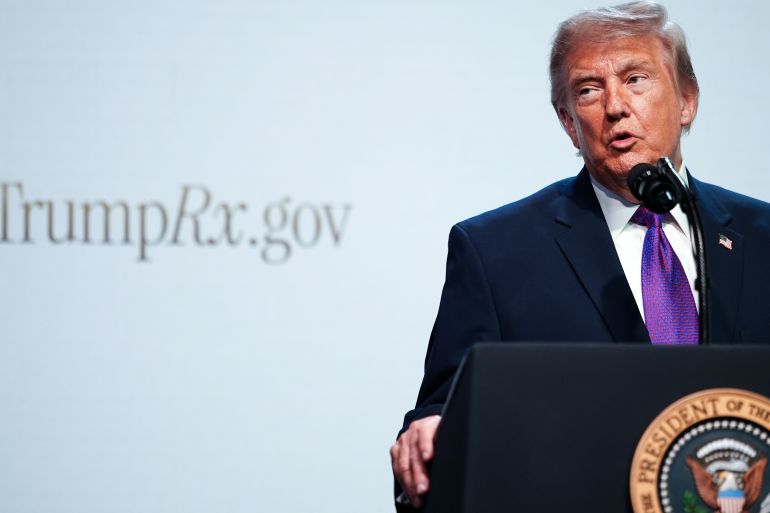
Trump described Project Freedom as a “humanitarian gesture,” mounted at the request of countries whose “neutral and innocent” ships are caught in the strait. He posted on his Truth Social platform, “The Ship movement is merely meant to free up people, companies, and Countries that have done absolutely nothing wrong – They are victims of circumstance.”
Conflicting Reports of Naval Engagements
On Monday, Iran’s Fars News Agency reported that a US warship, which allegedly refused to retreat from the Strait of Hormuz, was struck by two Iranian drones. However, the US military’s Central Command (CENTCOM) unequivocally denied any warship being hit. Conversely, CENTCOM claimed its forces had sunk several vessels belonging to the IRGC. Iran, in turn, denied any IRGC vessels were damaged and released a map showing new, expanded boundaries of its control in the strait, extending into the territorial waters of the United Arab Emirates, which further heightened regional tensions.
Shahram Akbarzadeh, a professor of Middle East and Central Asian politics at Australia’s Deakin University, suggested to Al Jazeera that “The Iranian leadership feel they need to match President Trump’s escalation with their own escalation.” He added, “If the Iranians cannot benefit from export revenue due to the US blockade, they want to inflict the same economic pain on the US and its regional allies.”
In a statement, US Admiral Brad Cooper asserted that CENTCOM forces sank six IRGC vessels that attempted to interfere with Project Freedom, a number later revised to seven by President Trump. On Tuesday, Iranian state broadcaster IRIB, citing an unnamed Iranian military commander, reported that Tehran had launched an investigation into the US allegations. IRIB denied any IRGC vessels were hit but claimed that US forces had attacked two small civilian boats carrying passengers from Khasab, Oman, to the Iranian coast, destroying the boats and killing five civilians. The commander demanded the US be held accountable for this “crime.” These claims have not been independently verified.
UAE Accusations and Iran’s Response
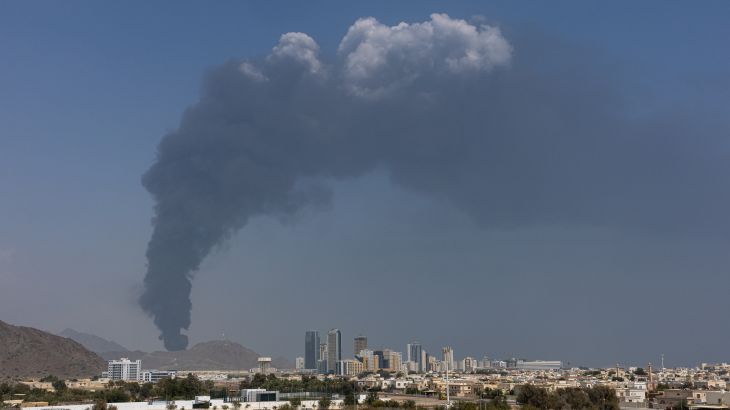
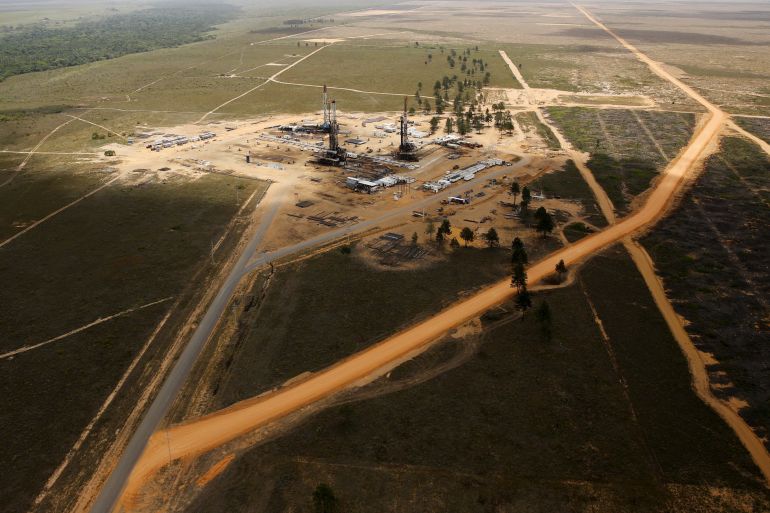
The UAE subsequently accused Iran of launching a barrage of missiles and drones at the eastern emirate of Fujairah, resulting in a fire at an oil refinery and injuring three Indian nationals. The UAE’s Ministry of Defence stated its air defenses engaged 12 ballistic missiles, three cruise missiles, and four drones. This claim also awaits independent verification.
On Tuesday, IRIB quoted a military official who denied any preplanned Iranian attack on the oil facilities, attributing the incident to “US military adventurism aimed at creating a passage for the illegal transit of ships through the restricted waterways of the Strait of Hormuz.” The official called for the US to end its “improper practice” of using force in diplomatic processes and to cease “military adventurism in this sensitive oil region.”
Akbarzadeh viewed the alleged attack on Fujairah as an instance of Iran “spreading the pain.” If confirmed to be carried out by Iran, this would mark the first such attack on the UAE since a ceasefire between Tehran and Washington came into effect on April 8. The UAE’s Ministry of Foreign Affairs condemned the “renewed terrorist, unprovoked Iranian attacks targeting civilian sites and facilities” in the strongest terms, asserting its full and legitimate right to respond to any threats to its security and sovereignty.
The Broader Geopolitical Stakes
Akbarzadeh highlighted that these recent developments pose a significant threat to any diplomatic efforts aimed at resolving the conflict. “We see escalation after escalation against the backdrop of shuttle diplomacy,” he noted, warning that “Such attacks, even if they are aimed to be contained, risk exploding into another major combat.”
He concluded that neither the Americans nor the Iranians desire war, yet neither is willing to display weakness. This dynamic, he explained, has locked them into a perpetual conflict, creating a desperate need for a “circuit breaker,” a role Pakistan is attempting to fulfill with limited success.
#StraitOfHormuz #GulfTensions #USIran #UAE #MiddleEastConflict #ProjectFreedom #NavalClash #RegionalSecurity #OilPrices #Diplomacy


Leave a Reply