

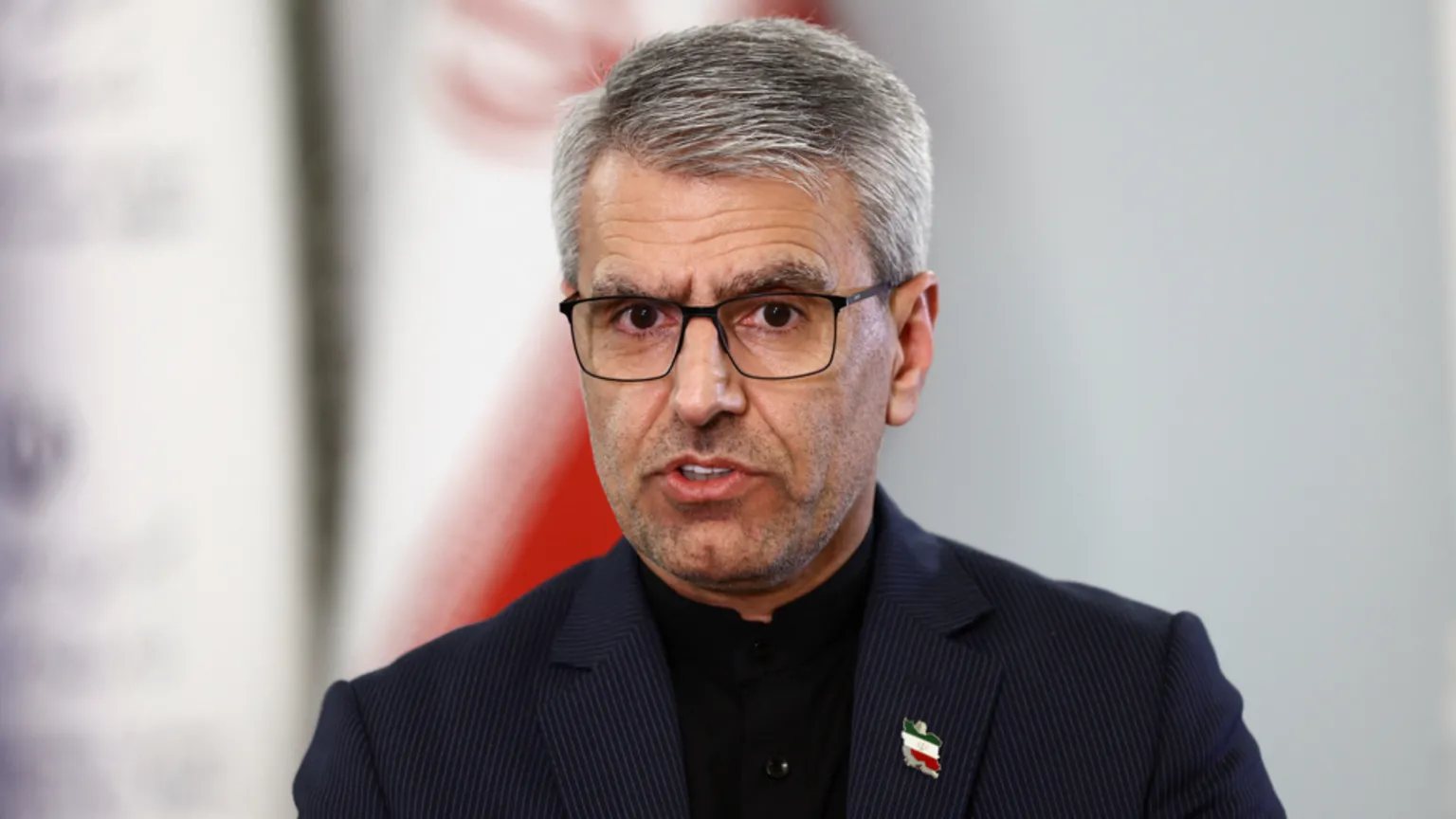
Iran states that a US proposal aimed at ending the ongoing conflict is “still being considered,” following reports suggesting the two sides might be nearing an agreement.
Reports of a Potential Agreement
US news outlet Axios reported on Wednesday that the White House believes it could be close to finalizing a 14-point memorandum of understanding with Iran. However, a senior member of Iran’s parliament dismissed this as a “wish list.” Meanwhile, a foreign ministry spokesman indicated that Tehran would convey its perspectives on the US proposal to Pakistani mediators.
Pakistan’s foreign minister affirmed his country’s commitment to “endeavouring to convert this ceasefire into a permanent end to this war.” President Donald Trump also stated that the US has had “very good talks with Iran in the last 24 hours” and that a deal is possible.
Axios described the memorandum as a one-page, 14-point document intended to establish a framework for more detailed nuclear negotiations. Key provisions reportedly include a suspension of Iranian nuclear enrichment, the lifting of sanctions, and the restoration of free transit through the Strait of Hormuz. The report cited unnamed US officials and other sources familiar with the discussions, who indicated that many terms would be contingent on a final agreement.
The Reuters news agency corroborated the information initially reported by Axios, citing two sources briefed on the US-Iran mediation. However, the proposal’s specifics have not been publicly disclosed.
“The American proposal is still being reviewed by Iran, and after concluding, it will inform the Pakistani side of its opinion,” Iranian foreign ministry spokesperson Ismail Baghaei told the Iranian Students’ News Agency (ISNA).
Iranian and US Statements
Responding to the Axios report, Ebrahim Rezaei, spokesperson for the Iranian Parliament’s national security and foreign policy commission, posted on X: “The Americans will not gain anything in a war they are losing that they have not gained in face-to-face negotiations.” He further stated that Iran “has its finger on the trigger and is ready,” warning that if the US did not “surrender and grant the necessary concessions,” Iran would “deliver a harsh and regret-inducing response.”
President Trump also issued warnings, writing on his Truth Social platform that if Iran did not agree to a deal, “the bombing starts, and it will be, sadly, at a much higher level and intensity than it was before.” He added that Operation Epic Fury—the initial US-Israeli offensive in Iran—would conclude “assuming Iran agrees to give what has been agreed to,” following US Secretary of State Marco Rubio’s announcement that the operation had achieved its objectives.
Trump reiterated his claim that Iran has agreed to never possess a nuclear weapon “among other things,” a statement not confirmed by Tehran. Iran’s nuclear program remains a central point of contention.
“They [Iran] want to make a deal. We’ve had very good talks over the last 24 hours and it’s very possible that we’ll make a deal up there,” Trump said, adding, “I think we won.”
Regional Developments and Strait of Hormuz
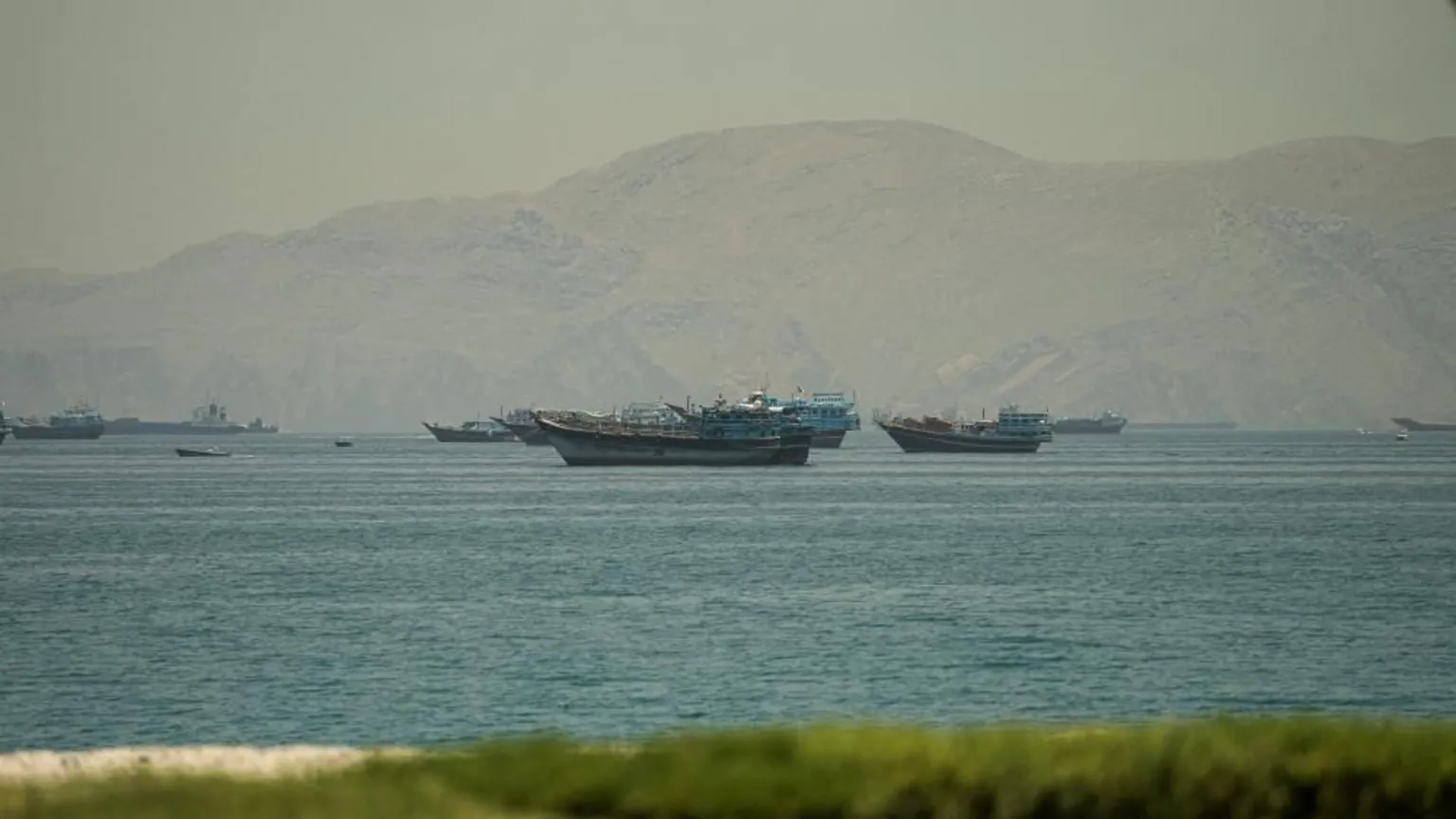
On Tuesday, Trump announced a pause in Project Freedom, an operation launched days prior, aimed at restoring oil flow and global economic normalcy by guiding stranded ships through the Strait of Hormuz. Iran has not publicly reacted to this pause, but the Iranian Revolutionary Guard Corps (IRGC) hinted at the strait reopening if there is an “end of the aggressors’ threats.”
The Strait of Hormuz, a vital waterway through which 20% of the world’s oil and liquefied natural gas typically passes, has been effectively blockaded by Iran since US and Israeli actions began in late February. In early April, a ceasefire was announced, under which Iran ceased drone and missile strikes on Gulf countries, including the UAE; however, few vessels have transited the strait since.
The US also imposed its own blockade on Iranian ports, reportedly stopping dozens of ships. US Central Command stated on Wednesday that it had fired upon and disabled an Iranian-flagged oil tanker in the Gulf of Oman attempting to breach the blockade.
Israeli Perspective
Israeli Prime Minister Benjamin Netanyahu stated on Wednesday that there was “full coordination” between himself and Trump regarding Iran. “There are no surprises. We share common goals, and the most important objective is the removal of all enriched material from Iran and the dismantling of Iran’s enrichment capabilities,” he said.
Netanyahu’s comments followed a strike on the Lebanese capital, Beirut, the first since a ceasefire was agreed in April. He posted on social media that forces had targeted a senior Hezbollah commander “responsible for firing at Israeli settlements and harming IDF [Israel Defense Forces] soldiers.”
Hezbollah, an Iranian-backed militia and political party, initiated strikes against Israel in early March in retaliation for its attacks on Iran. Despite the ceasefire agreement, both Israel and Hezbollah have continued their attacks, each accusing the other of violations. Most Israeli airstrikes have targeted southern Lebanon, while Hezbollah has launched rockets and drones at Israeli troops in Lebanon and northern Israel.
#IranUSNegotiations #MiddleEastPeace #StraitOfHormuz #NuclearDeal #Diplomacy #IranCrisis #USDiplomacy #RegionalSecurity #CeasefireTalks #InternationalRelations








Leave a Reply