

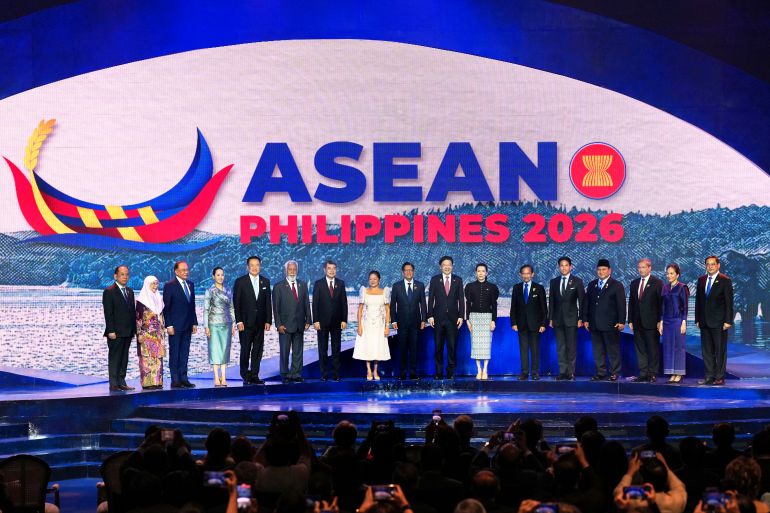
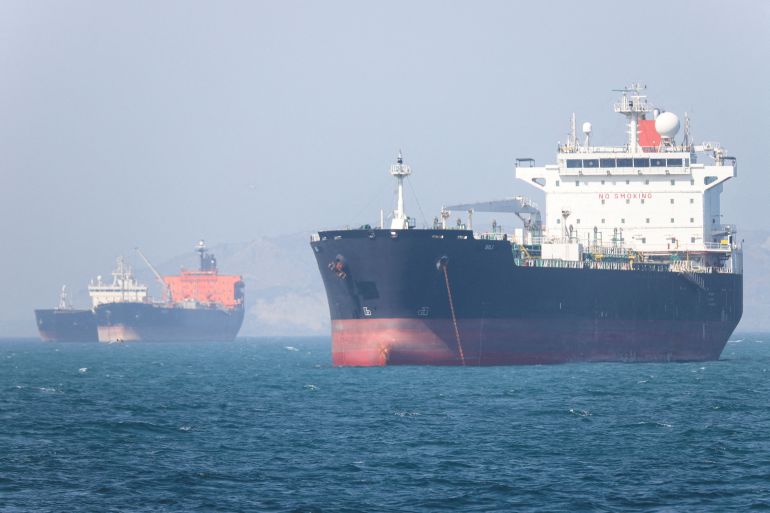
Leaders from Southeast Asian nations have endorsed a series of measures designed to lessen the economic repercussions of the conflict involving Iran. However, they acknowledged that the full implementation and impact of these initiatives would require significant time. The agreement came during an ASEAN summit held in the Philippines on Friday, where discussions were heavily focused on the implications of the Strait of Hormuz closure. A key outcome was the adoption of a regional fuel-sharing framework, intended to alleviate economic pressures stemming from the strategic waterway’s closure for over two months, a situation that has ignited a global energy crisis. Despite this, the operational specifics of the program, such as country prioritization during emergencies, are yet to be fully defined. Philippine President Ferdinand Marcos Jr., who chairs ASEAN, welcomed the consensus but admitted that the practicalities of the arrangements still required clarification. He posed questions regarding the mechanics: “How will the sharing work? Who receives what? How will payments be handled, or will it be an exchange? We lack prior experience with such a system.” This fuel-sharing plan was among several measures approved at the summit. Furthermore, leaders committed to establishing a regional power grid and a collective fuel stockpile, alongside efforts to decrease reliance on Middle Eastern energy imports. Data from the ASEAN Centre for Energy indicates that the bloc sources over half its crude oil and 17 percent of its natural gas from the Middle East. Notably, the Philippines declared a national emergency in late March due to diminishing energy reserves, the first country globally to do so. President Marcos cautioned that the economic fallout from the conflict in Iran is expected to endure for the foreseeable future. He stated, “Disruptions lasting just a few weeks will necessitate years of recovery.” Reporting from Cebu, Philippines, Al Jazeera’s Jamela Alindogan highlighted unity as the summit’s central theme, with ASEAN members vowing continued coordinated responses while protecting their respective national interests. Alindogan also noted that ASEAN is still grappling with the effects of tariffs imposed by former US President Donald Trump last year and is exploring strategies to diversify its international relationships to better withstand future crises.
#ASEANSummit #EconomicImpact #IranWar #EnergyCrisis #StraitOfHormuz #FuelSharing #RegionalCooperation #SoutheastAsia #EnergySecurity #GlobalEconomy
ASEAN Leaders Adopt Measures to Mitigate Economic Impact of Iran War


Leave a Reply