

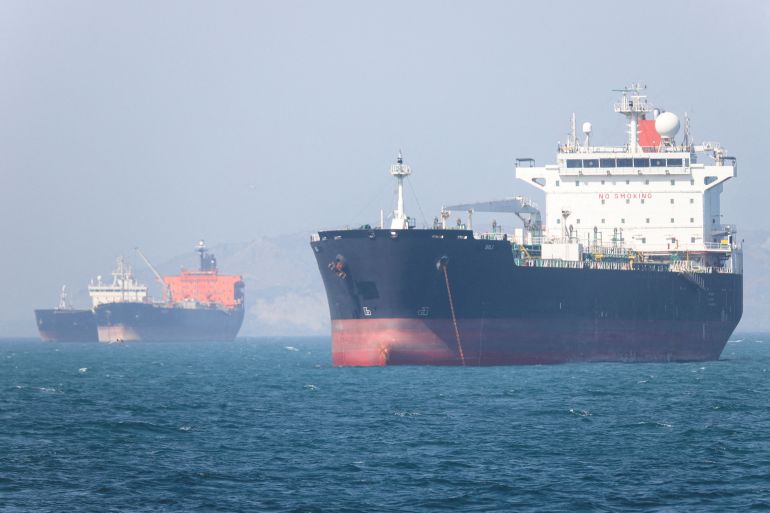
Iran has conveyed its response to a United States proposal aimed at ending the ongoing conflict, with Pakistan acting as the mediator, according to reports from the Iranian state news agency IRNA. The IRNA report on Sunday indicated that the initial phase of the proposed negotiations would concentrate on de-escalating hostilities and ensuring **maritime security** in the Gulf and the Strait of Hormuz. An official Iranian source, speaking to Al Jazeera, stated that Tehran’s reply emphasizes a comprehensive end to the conflict across the region, particularly in Lebanon, and aims to resolve disputes with Washington. The source further noted that Iran’s response encompasses discussions on the Strait of Hormuz, its nuclear program, and the removal of sanctions. Describing Tehran’s stance as ‘realistic and positive,’ the source added, ‘Washington’s positive response to our response will move the negotiations forward quickly. The choice now lies with Washington.’
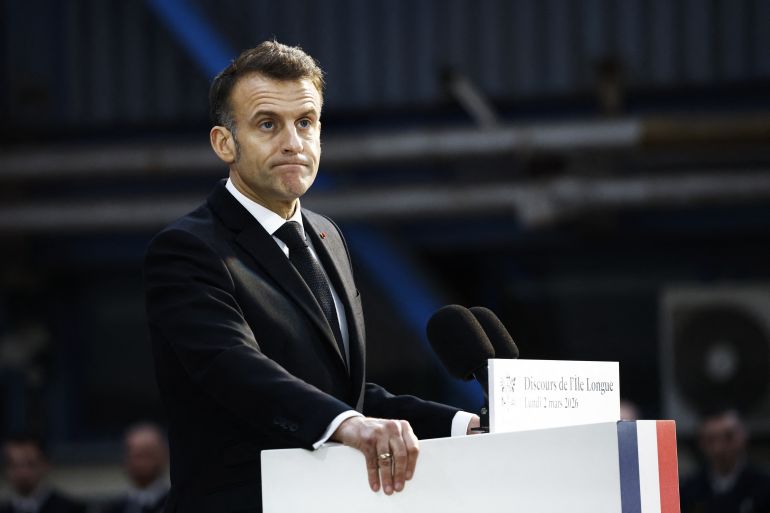
However, in his initial comments following this development, US President Donald Trump on Sunday evening accused Iran of ‘playing games.’ Writing on Truth Social, President Trump asserted that Iran ‘has been playing games with the United States, and the rest of the World, for 47 years,’ adding, ‘They will be laughing no longer!’ Hours later, he posted again on the platform, stating, ‘I have just read the response from Iran’s so-called ‘Representatives’. I don’t like it — **TOTALLY UNACCEPTABLE!**’
Earlier in the week, Washington had presented Tehran with a 14-point proposal. This plan stipulated that Iran would commit to not developing nuclear weapons and cease all uranium enrichment for a minimum of 12 years. It would also be required to surrender its estimated 440kg (970lb) stockpile of uranium enriched to 60 percent. In exchange, the United States would progressively lift sanctions, unfreeze billions of dollars in Iranian assets, and end its naval blockade of Iranian ports.
This diplomatic exchange occurs just a week before US President Donald Trump’s scheduled visit to China, a major importer of Iranian oil with significant strategic interests in the region.
Hormuz Blockade and Regional Tensions
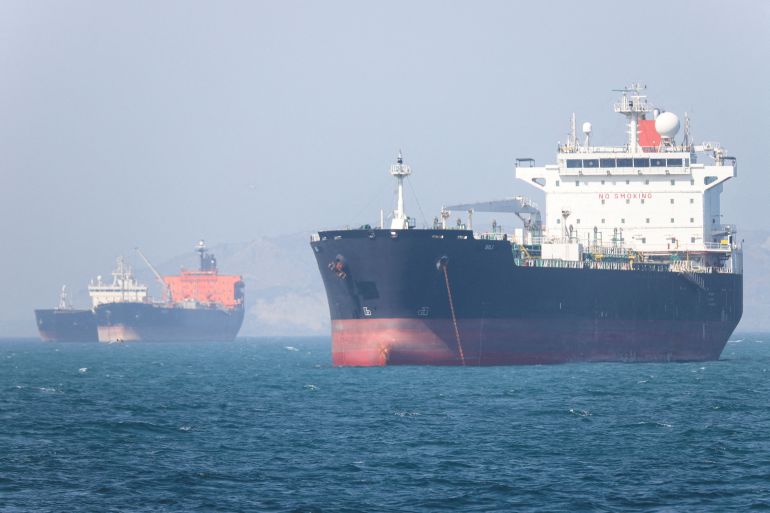
The past week has seen exchanges of fire between the US and Iran in the Strait of Hormuz, though neither nation has declared a collapse of the ceasefire established on April 8. President Trump maintains that Iran is ‘collapsing financially’ and incurring daily losses of millions due to Washington’s naval blockade of Iranian ports, which commenced on April 13. Despite the economic impact, analysts suggest that Iran possesses the economic and political resilience to withstand the blockade. Mohammad Bagher Ghalibaf, Iran’s parliamentary speaker and chief negotiator in ceasefire discussions, stated on Thursday that a comprehensive ceasefire is contingent upon the lifting of the US naval blockade. In retaliation for US measures, Iran has closed the Strait of Hormuz to all foreign shipping and seized several foreign-flagged vessels, having previously permitted passage for ‘friendly’ ships.
High Stakes in Diplomacy
Kamal Hyder of Al Jazeera, reporting from Islamabad, noted that Pakistan is actively encouraging Iran to seek a ‘middle ground’ in the ongoing negotiations. Hyder emphasized the sensitive nature of the diplomacy, stating that the specific details of Iran’s proposal remain undisclosed. He also mentioned that several other nations, including Qatar, Saudi Arabia, Turkiye, and China, have been in close communication with Iranian officials and its foreign minister regarding mediation efforts. Hyder highlighted the urgency for a deal, as the prolonged blockade of Hormuz is significantly impacting the global economy, with Pakistan facing particularly severe consequences like soaring fuel prices. He added, ‘Pakistan has good relations with Iran, and it is in a favourable position with the Trump administration, so the likelihood of some sort of breakthrough is possible. The next few days will be critical and will depend on how favourably the US responds to whatever the Iranian response is.’
Abbas Aslani, a senior research fellow at the Center for Middle East Strategic Studies, clarified that Iran’s recent reply to the US proposal is not a definitive ‘yes or no’ but rather a clarification of Iran’s perspectives on the US text. Aslani suggested to Al Jazeera that ‘If they can reach a kind of peace agreement at the initial stage, that could create a positive atmosphere and a trust-building measure somehow.’ However, he cautioned that ‘if the US wants to continue its demands, like Iran exporting its highly enriched uranium to the US or suspending enrichment for a long time, I think this could make any agreement impossible.’
#IranUSRelations #PeaceProposal #StraitOfHormuz #NuclearDeal #Sanctions #Diplomacy #MiddleEastConflict #DonaldTrump #PakistanMediation #GlobalSecurity

Leave a Reply