

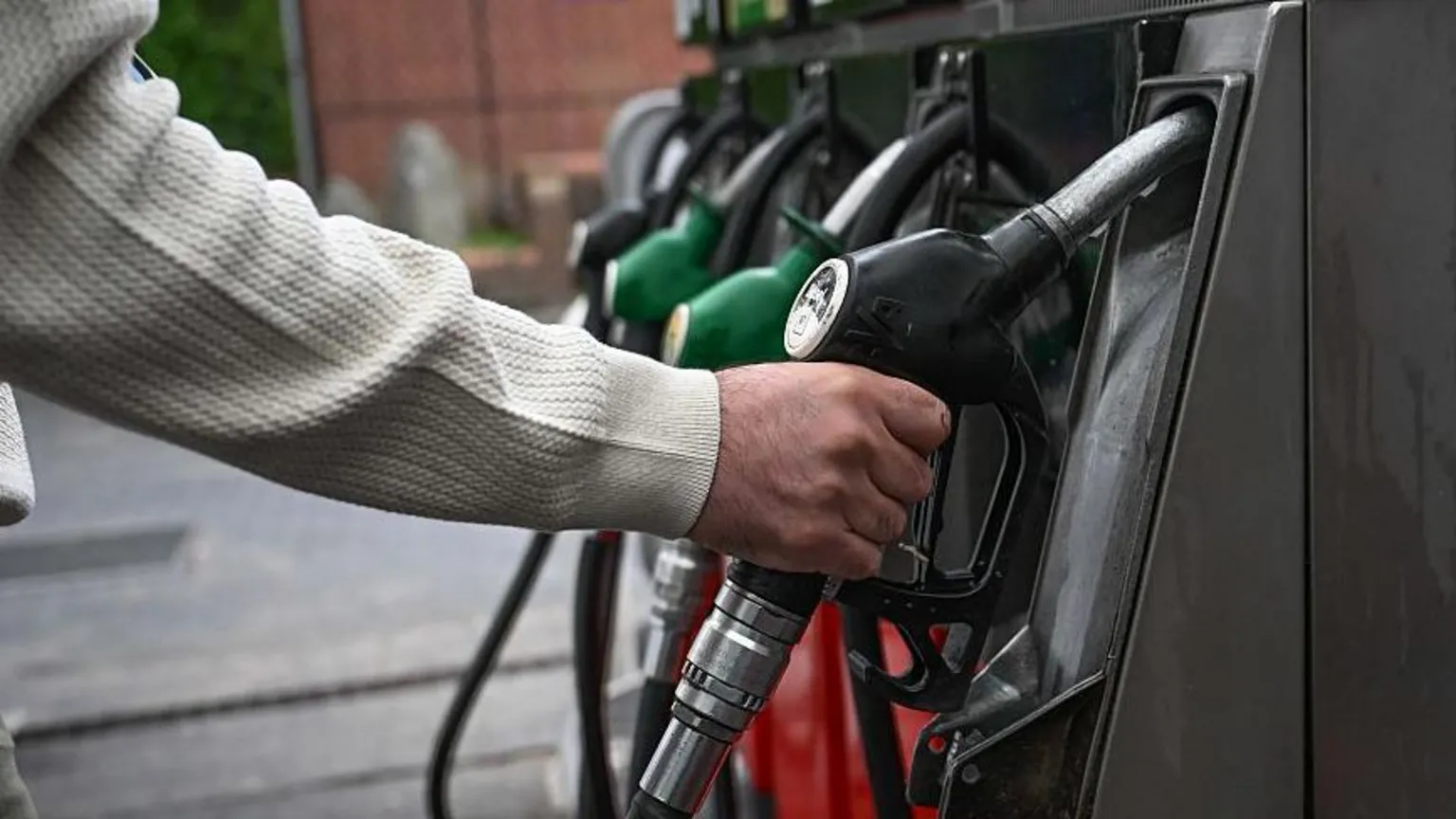
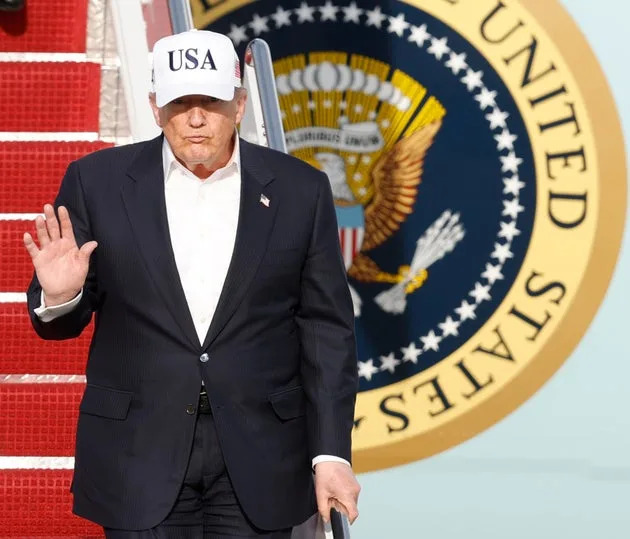
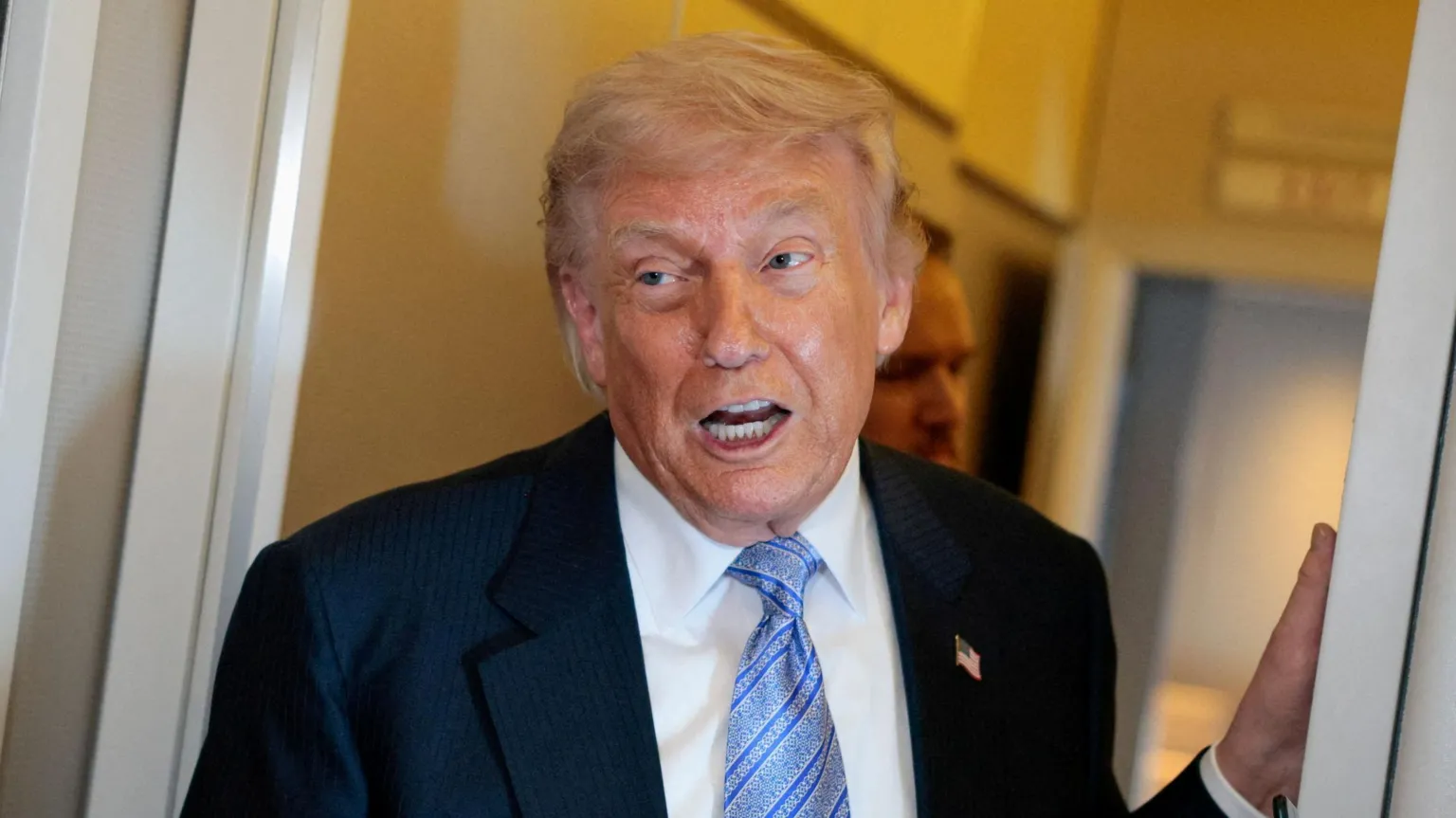
Oil prices rose on Friday after the US and Iran exchanged fire in the key Strait of Hormuz waterway. The US stated it conducted self-defense strikes in response to “unprovoked” Iranian attacks as US ships were exiting the Gulf through the strait, located south of Iran. Iran, through its state media, reported that the US had violated the ceasefire agreed upon in April. The global Brent oil benchmark price surged almost 3% to nearly $103 (£75) a barrel at one point, before stabilizing around $100. Despite the exchanges, US President Donald Trump stated on Friday that the US-Iran ceasefire remains in effect. Iranian state media reported that the situation “is back to normal now”. More than a fifth of the world’s oil and gas typically transits through the Strait of Hormuz, a waterway that has seen significant disruptions since the onset of the US-Israel conflict with Iran. Prior to the conflict, oil was trading at approximately $70 a barrel. Trump informed reporters that three US destroyers participated in the recent exchange of fire. He stated on social media that several Iranian small boats had been “completely destroyed” and missiles targeting US ships were “easily knocked down”. However, he also described the actions against Iran to ABC News as “just a love tap”. Trump mentioned that negotiations with Iran were ongoing, reiterating Washington’s demand that Tehran must not possess a nuclear weapon. “The talks are progressing well, but they must understand that if an agreement is not signed, they will face significant difficulties,” he told reporters. “I believe they desire the deal more than I do.”
The Strait of Hormuz: A Vital Waterway
The Strait of Hormuz is a narrow waterway situated between Iran, the United Arab Emirates (UAE), and Oman. This waterway, approximately 21 miles (33 km) at its narrowest point, connects the Gulf to the Gulf of Oman, establishing it as a vital global shipping route. Approximately 20% of the world’s oil and liquefied natural gas typically passes through the Strait of Hormuz. This oil originates not only from Iran but also from Gulf states including Iraq, Kuwait, Qatar, Saudi Arabia, and the UAE. In 2025, an estimated 20 million barrels of oil traversed the waterway daily, according to the US Energy Information Administration (EIA), representing nearly $600 billion (£447 billion) worth of energy trade annually. Sea traffic has been significantly reduced since the conflict began.
Escalation and Accusations
Iran’s military initially accused the US of violating the ceasefire by targeting its ships, including an oil tanker, that were moving towards the Strait of Hormuz, as reported by Islamic Republic of Iran Broadcasting. It further stated that “aerial attacks” were conducted along the coastline near the strait, leading Iranian forces to respond by engaging US military vessels and inflicting “significant damage.” The US military denied that its ships had been hit. US Central Command also affirmed it was not seeking to escalate the conflict. Traders perceive the ceasefire as “fragile” and have reacted accordingly, even as both the US and Iran attempt to de-escalate tensions, noted Huifeng Chang, an economics researcher at the National University of Singapore. This week, Trump stated that the conflict, which began on February 28 with attacks on Iran by the US and Israel, would be “over quickly” as Washington seeks a framework for more detailed negotiations with Tehran.
Economic Impact
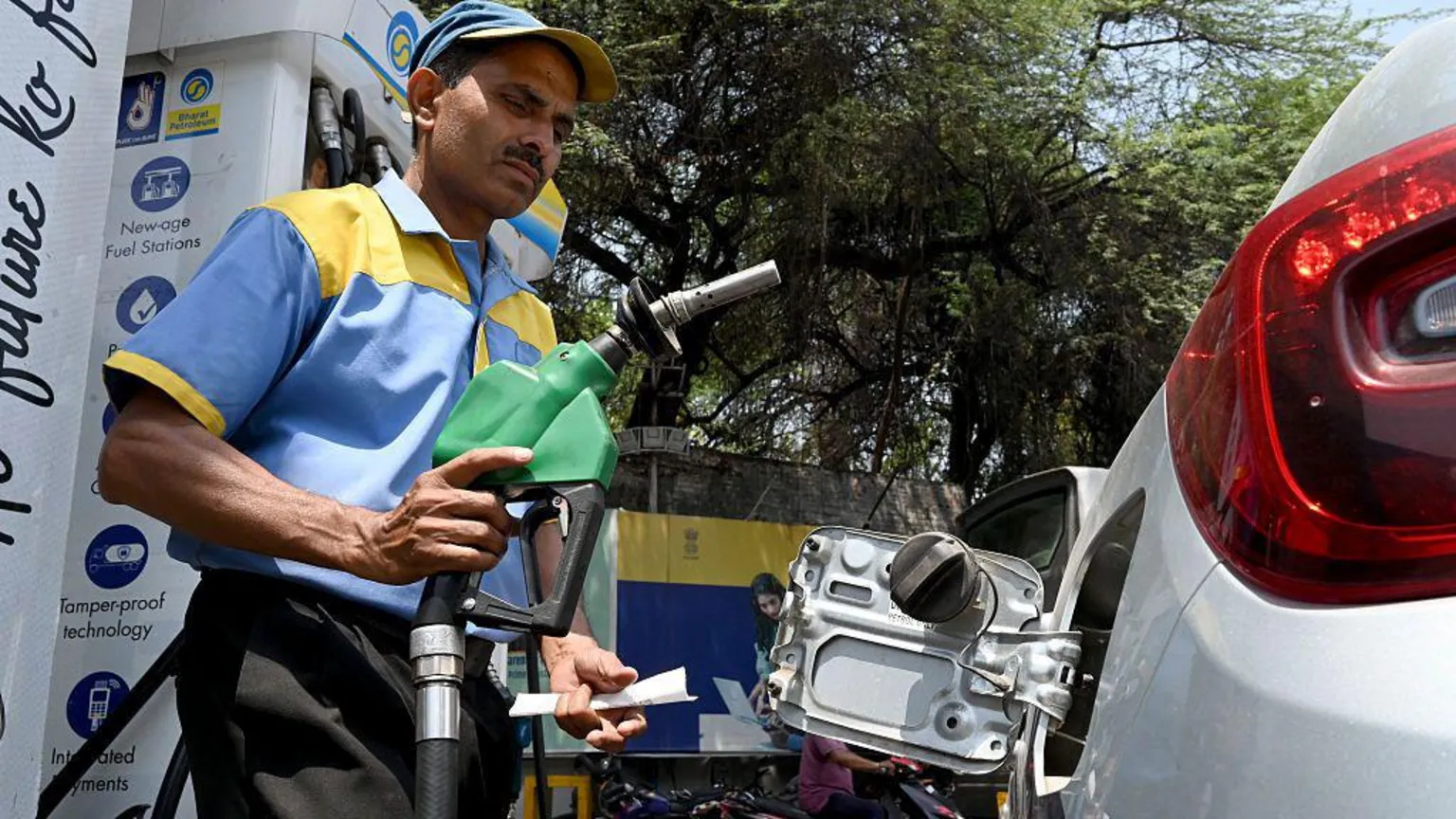
Beyond the oil price surge, the conflict has also driven up prices for products like jet fuel, which has seen approximately a 50% increase. IAG, owner of British Airways, announced on Friday that it anticipates its fuel costs to reach €9 billion (£7.8 billion) this year, an increase of about €2 billion compared to last year. IAG stated it had agreed on the price for approximately 70% of its fuel for the remainder of the year and currently observed “no issues with fuel availability” in its primary markets. Shares in the airline group declined by over 5% in early trading in London. Chris Beauchamp, chief market analyst at investing platform IG, commented: “The limited recovery in its shares since April indicates limited market confidence in the potential for a full recovery, at least until the conflict is fully resolved.” “But as recent clashes demonstrate, even the initiation of negotiations appears distant.”#OilPrices #StraitOfHormuz #USIranTensions #GlobalEnergy #Geopolitics #MiddleEast #BrentOil #Ceasefire #ShippingRoutes #EconomicImpact



Leave a Reply