


The Iran Conflict: Who Won?
The conflict between the United States, Israel, and Iran is nearing its end – at least according to Washington.
On Tuesday, May 5, after weeks of ceasefire, U.S. Secretary of State Marco Rubio announced that the military operation dubbed ‘Operation Epic Fury’ had concluded.
So, the question remains: who emerged victorious?
The answer to this question largely depends on who is telling the story.
Conflicting Claims of Victory
In Iran, state media portrays the conflict as proof that Iran stood toe-to-toe with the world’s most powerful military coalition and emerged victorious.
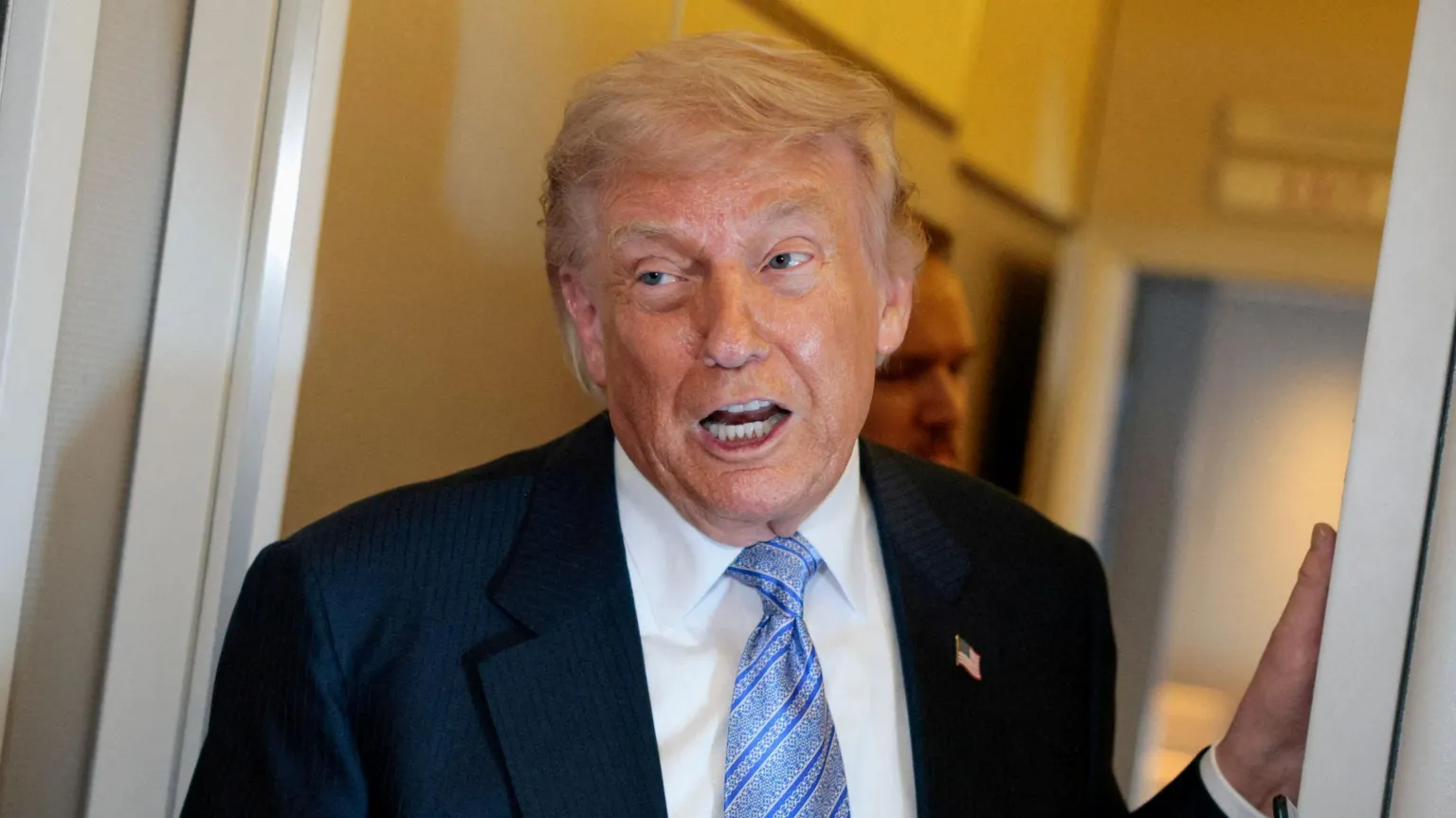
In Washington, President Donald Trump and his administration claim victory, repeatedly asserting that they achieved their objectives.
Beyond these claims, however, the ongoing negotiations are now seen as more crucial than the actual conflict in determining the ultimate victor.
The Proposed 14-Point Agreement
According to reports from Axios, Reuters, and other U.S. media outlets, the White House believes it is close to reaching a 14-point agreement with Iran.
The agreement would allow for expanded discussions on Iran’s nuclear program, the Strait of Hormuz issue, and other regional problems.
A spokesperson for Iran’s Foreign Ministry stated that the country is reviewing the resolution and will respond through Pakistan, which is mediating. However, some senior Iranian politicians have already rejected it.
‘Americans will gain nothing from a war they are losing,’ said a spokesperson for the National Security Committee of Iran’s Parliament, dismissing U.S. demands.
According to published details so far, Iran would be required to halt a significant portion of its 20-year nuclear program, surrender its stockpile of enriched uranium, and allow thorough inspections of its nuclear activities.
Reports also indicate that the demands include Iran providing assurances for the complete reopening of the Strait of Hormuz.
In return, if Iran agrees, the U.S. would gradually lift sanctions, release frozen Iranian assets, and allow Iran to continue enriching small amounts of uranium after the agreed-upon deadline expires.
Iran’s Perspective on the Conflict
However, for many in Iran, this is seen as tantamount to surrender.
And they have reasons for this belief.
They believe the U.S. halted ‘Operation Epic Fury’ because it failed to achieve its desired results, and ‘Operation Freedom’ – launched by the U.S. to reopen the Strait of Hormuz, which ended quickly – threatened to further plunge the Gulf region into conflict.
Although Iran attacked U.S. bases and energy facilities in the region, none of these led to a direct war.
The most significant point is that the country’s Islamic government did not collapse, despite the assassination of its leader, some senior military commanders, and high-ranking security officials.
Political and security operations continued in the country, and replacements for those who died were swiftly made.
Before the conflict began, some Western officials and commentators believed that military attacks, coupled with the assassination of key leaders and commanders, would intensify anti-government protests, potentially leading to the overthrow of the government.
However, this did not happen.
The protests that shook Iran in the months leading up to the conflict subsided.
Security forces intensified their measures, arrests increased, and some individuals were executed.
Throughout this period, state media consistently showcased pro-government demonstrations.
Iran’s Parliament Speaker and chief mediator, Mohammed Bagher Ghalibaf, recently wrote that ‘We know that the U.S. is not happy with the current situation, but we haven’t even started anything yet.’
For Iran’s leadership, the failure to overthrow the government is a sign of victory, in addition to Tehran’s attacks on U.S. bases and infrastructure in the region, and against Israel.
This is why Tehran shows no signs of being eager to avoid further confrontation.
Iranian authorities believe the country can better withstand economic pressure, military attacks, and prolonged conflict than its adversaries.
They also see the closure of the Strait of Hormuz as demonstrating Iran’s continued influence over the global economy.
This highlights the extreme importance of the waterway.
The closure of the strait affects shipping, food supply, and international trade.
Iran now views the reopening of the Strait of Hormuz as a bargaining chip.
This could also have a regional impact.
At the end of the conflict, Iran could emerge stronger, especially in relation to neighboring countries that host U.S. bases or implicitly supported the U.S. and Israel.
The Unresolved Outcome
However, none of this indicates that Iran has achieved all its objectives.
Many places in the country have been damaged, senior security officials have died, critical infrastructure has been destroyed, and it faces economic pressure that could potentially spark further protests.
The U.S. and Israel have also demonstrated their capability to strike deep inside the country using advanced weaponry and intelligence gathering.
However, victory is not always determined solely on the battlefield.
When judging who won, it may not be based on the war itself, but rather on the outcome of the agreement to end the conflict.
If the U.S. forces Iran to abandon its nuclear program, the U.S. will claim victory.
And if Iran maintains its regional influence and refuses to halt its nuclear program, it will claim victory.
Currently, both sides are claiming victory.
However, the true victor will only be known once the ongoing negotiations conclude, assuming both parties sit at the negotiating table and see it through to the end.
#IranConflict #USIran #MiddleEastPolitics #NuclearDeal #StraitOfHormuz #Geopolitics #OperationEpicFury #Diplomacy #RegionalSecurity #IranNuclearProgram





Leave a Reply