


A former World Bank president has urged China to address its stockpiles of food and fertilizer, suggesting this could help alleviate a global supply crisis exacerbated by ongoing geopolitical events and disruptions in key shipping routes.
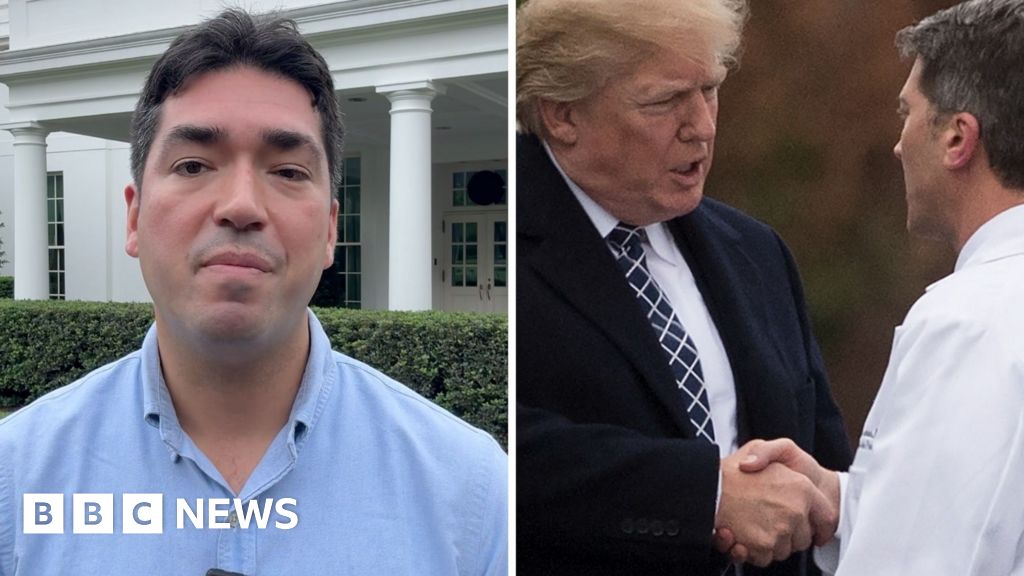
David Malpass, who served as Treasury Under Secretary for International Affairs under US President Donald Trump from 2017 to 2019, shared his views with the World Service’s World Business Report. He stated, “They have the biggest world stockpile of foodstuffs and of fertiliser. They can stop building their stockpiles.”
Global Fertilizer Crisis and Shipping Disruptions
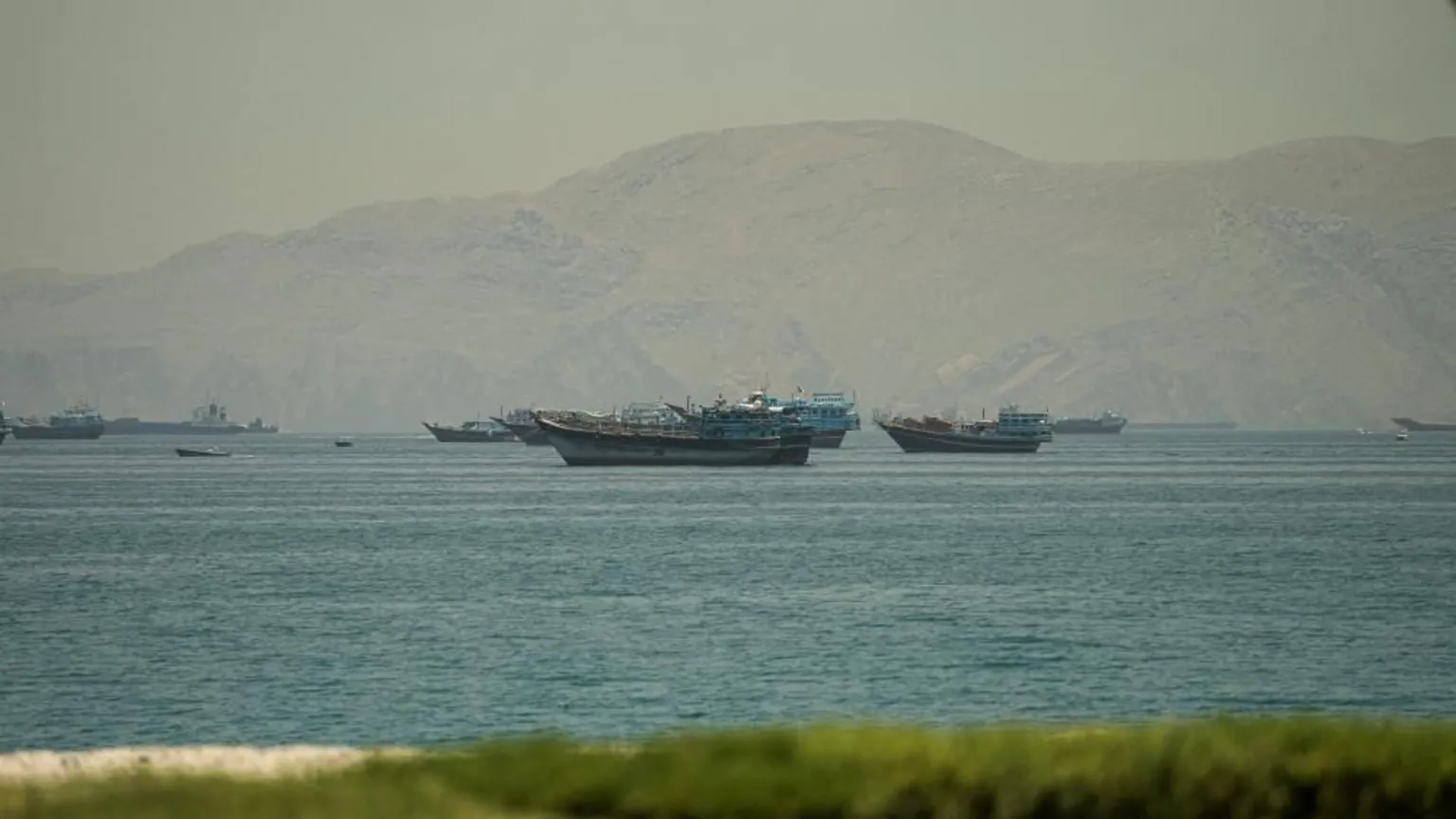
These remarks come amidst global efforts by nations to secure fertilizer supplies for spring planting, particularly as disruptions in the Strait of Hormuz have significantly impacted shipments. Earlier this month, Svein Tore Holsether, chief executive of Yara, one of the world’s largest fertilizer producers, warned that interruptions to supplies could lead to a loss equivalent to 10 billion meals a week globally, disproportionately affecting the poorest countries. He cautioned that reduced crop yields due to lower fertilizer use could trigger a bidding war for food.
Data indicates that fertilizer-related outbound shipments through the Strait of Hormuz experienced fluctuations. Following reported military actions in the region at the end of February, shipments saw a significant reduction, with only sporadic movements recorded in March and April, operating at approximately half of the previous year’s average daily volume. These figures are based on vessels providing transponder signals.
China has halted exports of several types of fertilizer since March, citing the need to protect domestic supplies, building on restrictions steadily implemented since 2021. Last year, China accounted for approximately 25% of global fertilizer output, with exports exceeding $13 billion (£9.6 billion).
China’s Developing Nation Status Questioned
Malpass, who led the World Bank from 2019 to 2023, also commented on China’s status as a developing nation, stating it was no longer credible. He observed, “They present themselves as a developing country when they’re the second biggest economy in the world and in many ways rich. And yet they still have the pretence of being a developing country in the WTO and in the World Bank, and they could suspend that.”
In response, Liu Pengyu, spokesperson for the Chinese embassy in Washington DC, told the BBC in an emailed statement: “China is committed to maintaining the stability of global food and fertilizer markets. The root causes behind the current disruptions in global food and fertilizer supply chains are crystal clear; this blame cannot be shifted onto China.” Regarding China’s developing country status, Liu asserted, “China is universally recognized as the largest developing country – a designation grounded in ample factual evidence. Upholding its status as a developing country is a legitimate right of China.”
The Strategic Importance of the Strait of Hormuz
The Strait of Hormuz, a narrow waterway between Iran, the United Arab Emirates (UAE), and Oman, is approximately 21 miles (33 km) at its narrowest point. It connects the Gulf to the Gulf of Oman, making it a vital global shipping route. Roughly 20% of the world’s oil and liquefied natural gas typically transits through the Strait, originating from Iran and other Gulf states such as Iraq, Kuwait, Qatar, Saudi Arabia, and the UAE. In 2025, an estimated 20 million barrels of oil passed through daily, representing nearly $600 billion (£447 billion) in annual energy trade.
Reports indicate a significant reduction in sea traffic through the Strait since the onset of regional conflicts.
Geopolitical Stability and Economic Outlook
Regarding the situation described by Donald Trump as an ‘Iran ceasefire’ on ‘massive life support,’ Malpass urged global unity to seek a resolution. He emphasized the importance of preventing any state from developing certain nuclear capabilities and ensuring the free flow of navigation through the Strait of Hormuz.
Malpass expressed hope that China would contribute to resolving the challenges in the Strait, highlighting that unimpeded maritime movement serves China’s economic interests. He noted that China, with its extensive shipping operations and global trade, would face significant adverse impacts if the Strait of Hormuz were to experience sustained disruptions to free navigation.
On the economic outlook for ordinary Americans, ahead of Tuesday’s US inflation data for April, Malpass predicted higher prices for many products but also noted the resilience of the US economy, supported by robust jobs data.
Additional reporting by Peter Hoskins in Singapore.
#GlobalFoodSecurity #FertilizerCrisis #ChinaStockpiles #StraitOfHormuz #SupplyChainDisruption #WorldBank #Geopolitics #EconomicOutlook #DevelopingNations #MaritimeTrade








Leave a Reply