


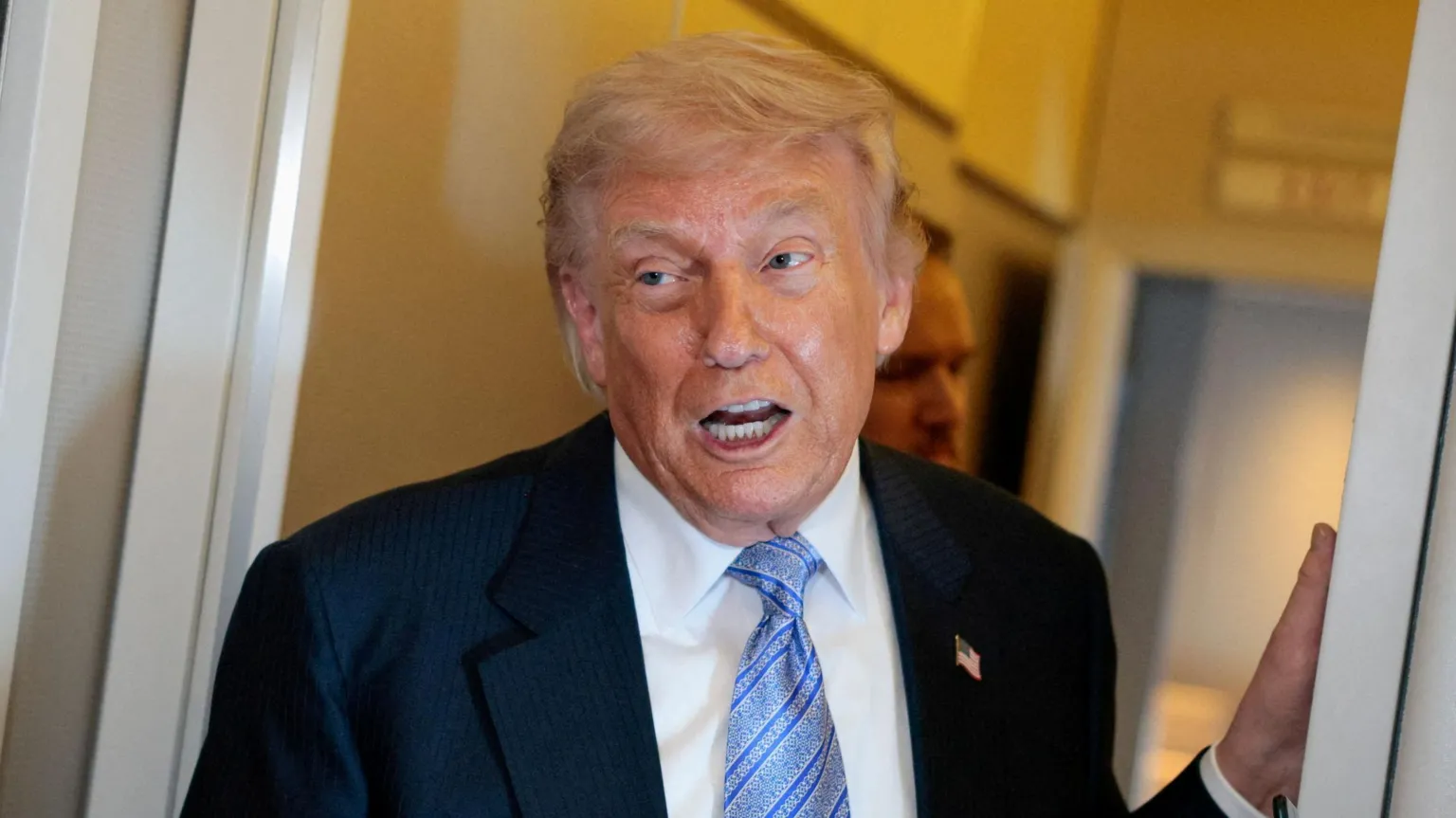
Security has been significantly increased around Beijing’s historic Tiananmen Square for days, amidst social media speculation about a special parade or a major, choreographed event. Preparations for this significant occasion began subtly, but China seems poised to stage an impressive display for US President Donald Trump. The visit’s agenda includes discussions, a banquet, and a tour of the Temple of Heaven, an ancient complex where emperors traditionally prayed for bountiful harvests. Both President Trump and Chinese President Xi Jinping are undoubtedly hoping for productive outcomes from this visit. This summit, bringing together the leaders of the world’s two most powerful nations, is anticipated to be one of the most impactful encounters in years.
For several months, US-China relations had taken a backseat for President Trump, whose attention was primarily on the conflict in Iran, military activities in the Western Hemisphere, and domestic issues. However, this week marks a shift in focus. The summit will address critical matters such as the future of global trade, escalating tensions regarding Taiwan, and competition in advanced technologies. Economically, the ongoing trade dynamics with the US and the situation in Iran might present challenges for President Xi. However, from an ideological and political standpoint, these circumstances could be perceived as advantageous, potentially strengthening his negotiating position. This visit has the potential to lay the foundation for either enhanced cooperation or increased friction between the two nations in the coming years.
The Iran Whisperer?
Speaking to reporters at the White House before his departure for China on Tuesday, President Trump indicated he would engage in a “long talk” about Iran with the Chinese leader. China is reportedly seeking to quietly assume a peacemaking role in the ongoing conflict, now in its third month. Beijing has reportedly joined Pakistan in mediating efforts related to the US-Israel-Iran situation. In March, officials from Beijing and Islamabad put forth a five-point plan aimed at achieving a ceasefire and facilitating the reopening of the Strait of Hormuz. Behind the scenes, Chinese officials have reportedly been encouraging their Iranian counterparts towards diplomatic discussions. Despite its consistent demonstration of strength, there is little doubt that China is keen for a resolution to this conflict.
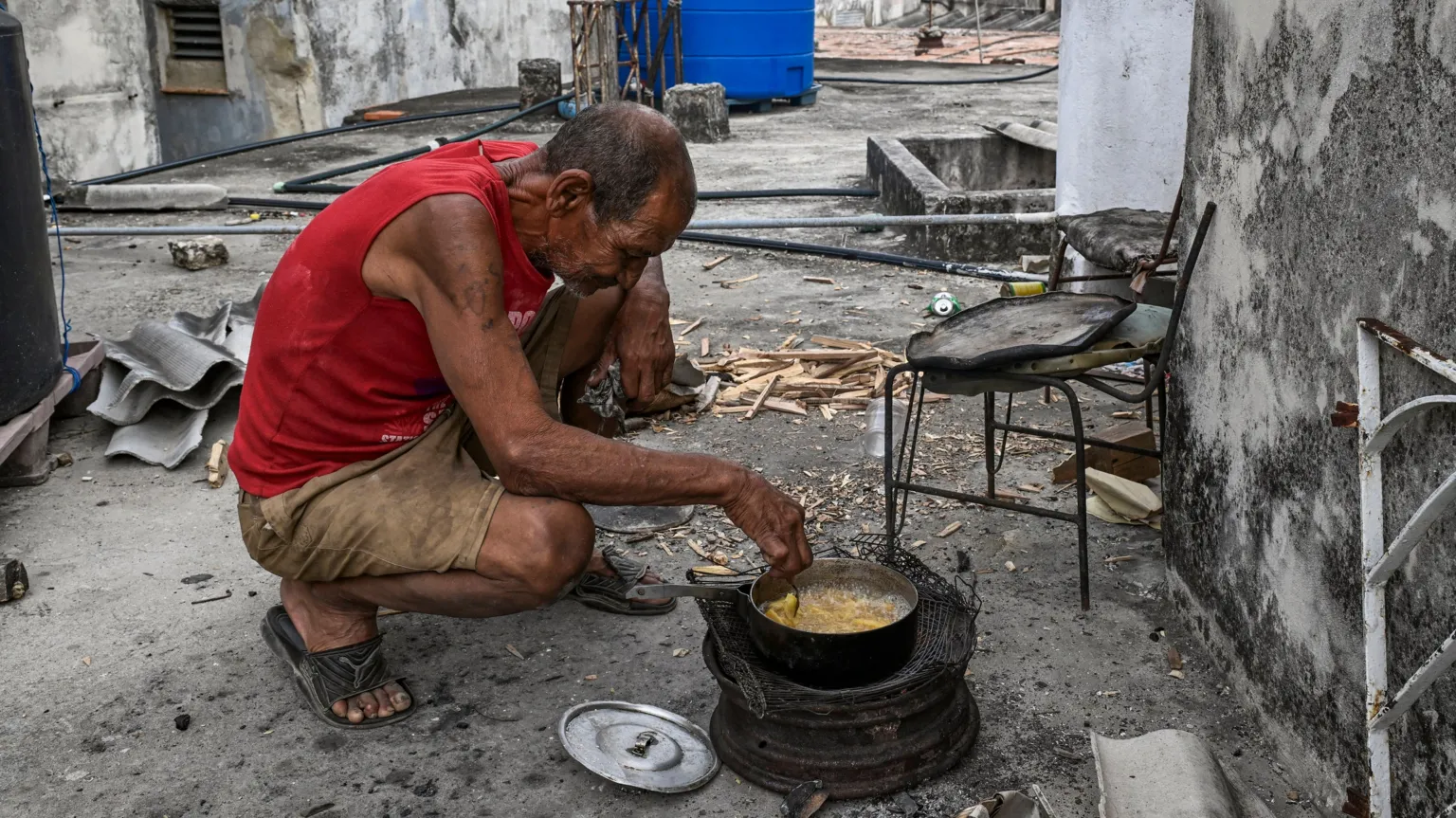
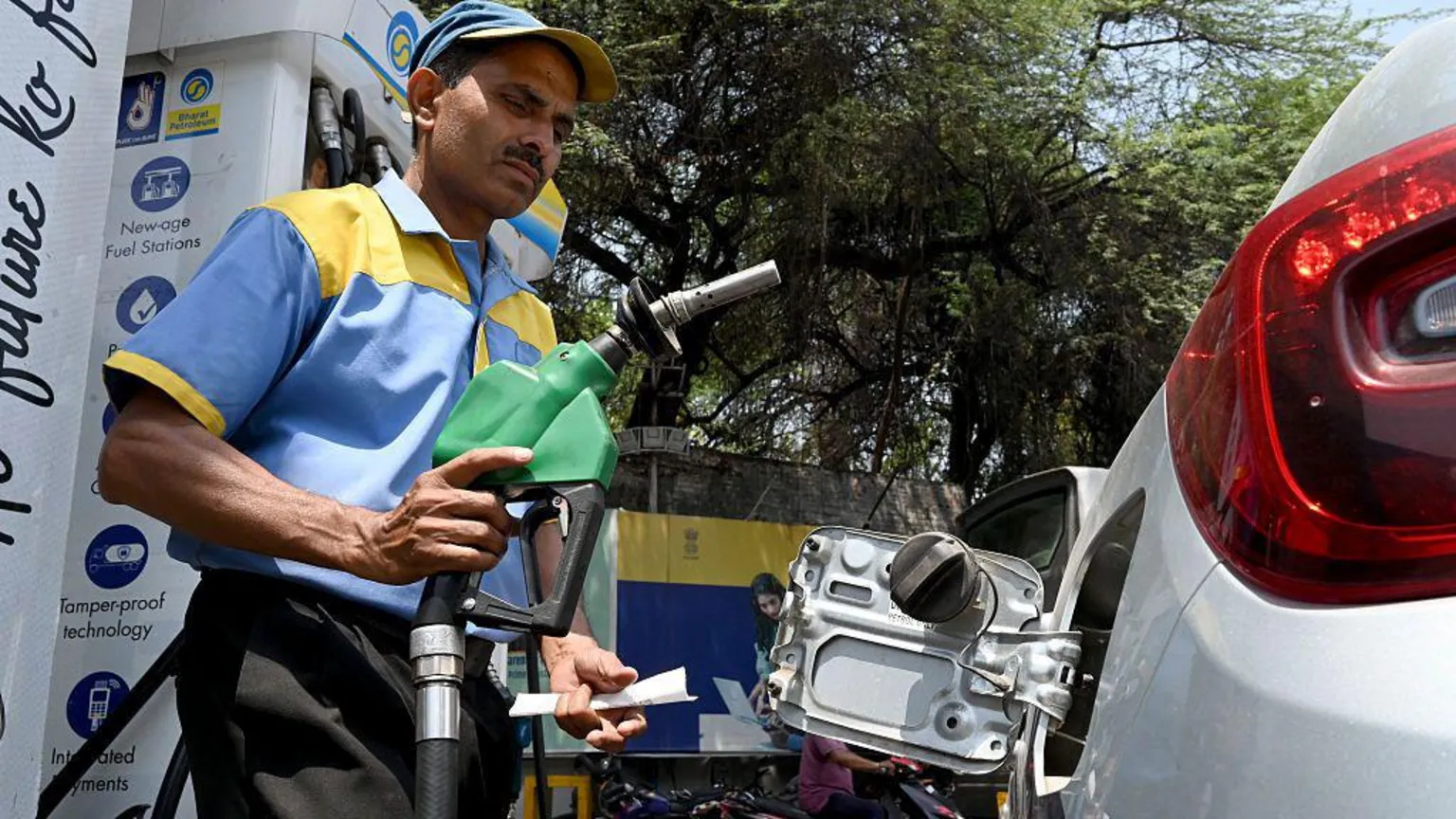
China’s economy is already contending with slower growth and elevated unemployment rates. Rising oil prices have led to increased costs for petrochemical-derived products, ranging from textiles to plastics. Some Chinese producers have seen their costs surge by 20%. While China possesses significant oil reserves and its leadership in renewables and electric vehicles has somewhat shielded it from the most severe impacts of the fuel situation, the conflict is adding pressure to a Chinese economy that relies heavily on exports. Should China decide to assist the US, it would likely seek reciprocal concessions. The visit of Iranian Foreign Minister Abbas Araghchi to Beijing last week appeared to underscore China’s significant influence and diplomatic reach in the Middle East.
The US observed these developments closely. Secretary of State Marco Rubio commented, “I hope the Chinese convey what needs to be said,” adding, “What is being done in the Strait is leading to global isolation. This situation positions [them] as a challenging actor.” The US has also sought to persuade China not to obstruct a new UN Security Council resolution addressing incidents involving ships attempting to transit Hormuz, following China and Russia’s veto of a previous proposal. Ali Wyne, Senior Research and Advocacy Advisor for US-China relations at International Crisis Group, stated, “I believe that if we are to bring Iran back to the negotiating table in a lasting manner, the United States recognizes that China will play a role.” President Trump, for his part, has seemingly remained unconcerned by China’s close ties with Tehran. Although the US recently imposed sanctions on a China-based refinery for its involvement in transporting Iranian oil, the president last week minimized the significance of any Chinese support for Iran during the conflict. “It is what it is, right?” he reportedly told a US journalist, adding, “We also take actions that affect them.”
Taiwan’s Future
The Trump administration has conveyed mixed signals regarding Taiwan. Last December, the US announced an $11 billion (£8 billion) arms deal with Taiwan, a move that angered the Chinese government. President Trump, however, has subsequently downplayed the US’s readiness to defend Taiwan, which China considers its own territory. “He considers it to be a part of China,” President Trump said, referring to President Xi, “and that’s up to him, what he’s going to be doing.” He has also stated that Taiwan does not adequately compensate the US for its security assurances, asserting that it “doesn’t give us anything.” Last year, he imposed a 15% tariff on Taiwan and accused it of appropriating semiconductor manufacturing technology from the US.
Last week, Rubio confirmed that Taiwan would be a discussion point during the visit, with the objective of preventing the issue from generating new tensions between the two superpowers. “We don’t need any destabilizing events to occur with regards to Taiwan or anywhere in the Indo-Pacific,” he stated, adding, “And I think that’s to the mutual benefit of both the United States and the Chinese.” China, for its part, has indicated that Taiwan is a priority in these discussions. Foreign Minister Wang Yi stated last week, during a call with Rubio, that he hoped the US would make the “right choices.” Beijing has been intensifying its military presence by deploying warplanes and naval vessels around Taiwan on an almost daily basis.
Some analysts suggest that Chinese officials might advocate for a modification of the language concerning Taiwan, which was meticulously formulated in 1982. Washington’s most recent declared policy states that it currently does not support Taiwan independence. The question arises whether Beijing might push for stronger wording, such as “the US opposes Taiwan independence.” John Delury, a senior fellow from the Centre on US-China Relations at the Asia Society, commented, “I just don’t think that President Xi is going to go for that. Even if Trump says something unexpected that might seem like a concession on Taiwan, because he’s not always precise with his language, the Chinese are aware not to place too much reliance on it, as he could reverse it with a social media post a week later.”
Critical Trade Talks
For much of 2025, the US and China seemed to be on the brink of a new trade conflict, one with the potential to significantly impact the global economy. President Trump repeatedly adjusted tariffs on America’s largest trading partner, sometimes imposing rates exceeding 100%. China retaliated by reducing exports of rare earth minerals to the US and scaling back its purchases of American agricultural products, affecting farmers in crucial states that supported Trump. Tensions have significantly eased since Presidents Trump and Xi met in person in South Korea last October. A February Supreme Court decision, which limited the president’s unilateral tariff authority, also contributed to moderating Trump’s more unpredictable trade impulses.
Nevertheless, Presidents Trump and Xi will have extensive topics to discuss during their Beijing summit. The American leader is expected to advocate for increased Chinese purchases of US agricultural products. China, in turn, is likely to pressure the US to discontinue a recently announced trade investigation into unfair business practices, which could empower Trump to re-impose higher tariffs on Chinese goods. This presents a challenge for the American delegation. Michael O’Hanlan, Phil Knight Chair in Defense and Strategy at the Brookings Institute, a Washington DC-based think tank, noted, “It could be tough for the US to abandon investigations of all unfair Chinese trade practices given how widespread and distorting the latter still are.”
According to Reuters, the Trump administration is also inviting CEOs from major companies such as Nvidia, Apple, Exxon, and Boeing to accompany him on this visit. Although China is not as dependent on the US for trade as it was during Trump’s first presidential term, President Xi will desire a successful meeting, as China seeks stability in the global economy. China now serves as the primary trade partner for over 120 countries, but President Xi will understand the importance of not appearing overly confident during President Trump’s visit. Ryan Hass, Director of the John L Thornton China Centre at the Brookings Institute, explained, “As long as the visit proceeds smoothly and Trump feels he was treated respectfully, the uneasy calm in the bilateral relationship will persist. However, if Trump departs feeling disrespected or undervalued, his perspective could shift.”
China is actively competing to shape the future, investing substantially in AI and humanoid robots. These initiatives are part of what President Xi terms “new productive forces,” which he hopes will drive China’s economic advancement. Many US policymakers, however, believe that official Chinese policy involves co-opting or directly acquiring US technology to bolster their domestic industries. This perception has led to restrictions on the export of the latest microprocessors, for example, despite objections from American manufacturers. The successful resolution of the complex issue surrounding Chinese ownership and operation of the popular social media app TikTok represented a rare positive outcome for US-China technology interactions, which are often marked by accusations and suspicion.
This dynamic is evident in the race to develop AI systems, arguably the most crucial new technological advancement of modern times. The issue is further complicated by US allegations that Chinese companies, such as DeepSeek, are acquiring American AI technology illicitly. Yingyi Ma, from the John L Thornton China Centre at the Brookings Institute, stated, “An opening chapter of an AI cold war is emerging. The White House has accused China of ‘industrial scale’ theft of American AI models, while Beijing reportedly acted to prevent Meta from acquiring Manus, a Chinese-founded AI start-up now based in Singapore. The deeper contest is not over who copies whose model, but over the talent capable of building the next generation of frontier AI.”
China’s robots are capable of impressive displays, performing Kung Fu dance moves and outperforming humans in a Beijing marathon. However, while Chinese companies appear skilled at constructing the physical forms of these robots, many are still developing the advanced programming for their new creations. To achieve optimal performance, Chinese companies require high-end computer chips, which are sourced from the US. This is where Beijing could potentially leverage its control over **rare earths**, a critical sector that President Trump has shown significant interest in. China processes approximately 90% of the world’s rare earth minerals, which are vital for all modern technology, from smartphones to wind farms and jet engines.
Thus, a potential deal could emerge: the US could receive Chinese rare earths in exchange for high-end chips. This situation presents China with its own strategic leverage, akin to the Strait of Hormuz, enabling it to control supply at will. Despite the extensive policy agenda to be covered by both sides, President Trump’s visit is set to be a rapid tour, with meetings and events scheduled for Thursday and Friday. While there might be limited time for the two leaders to finalize substantive agreements, even a brief encounter could significantly influence the future trajectory of negotiations and overall relations between the two superpowers for years ahead.
#TrumpXiSummit #USChinaRelations #GlobalTrade #TaiwanTensions #AICompetition #RareEarths #Diplomacy #SuperpowerDynamics #Geopolitics #InternationalRelations


Leave a Reply