


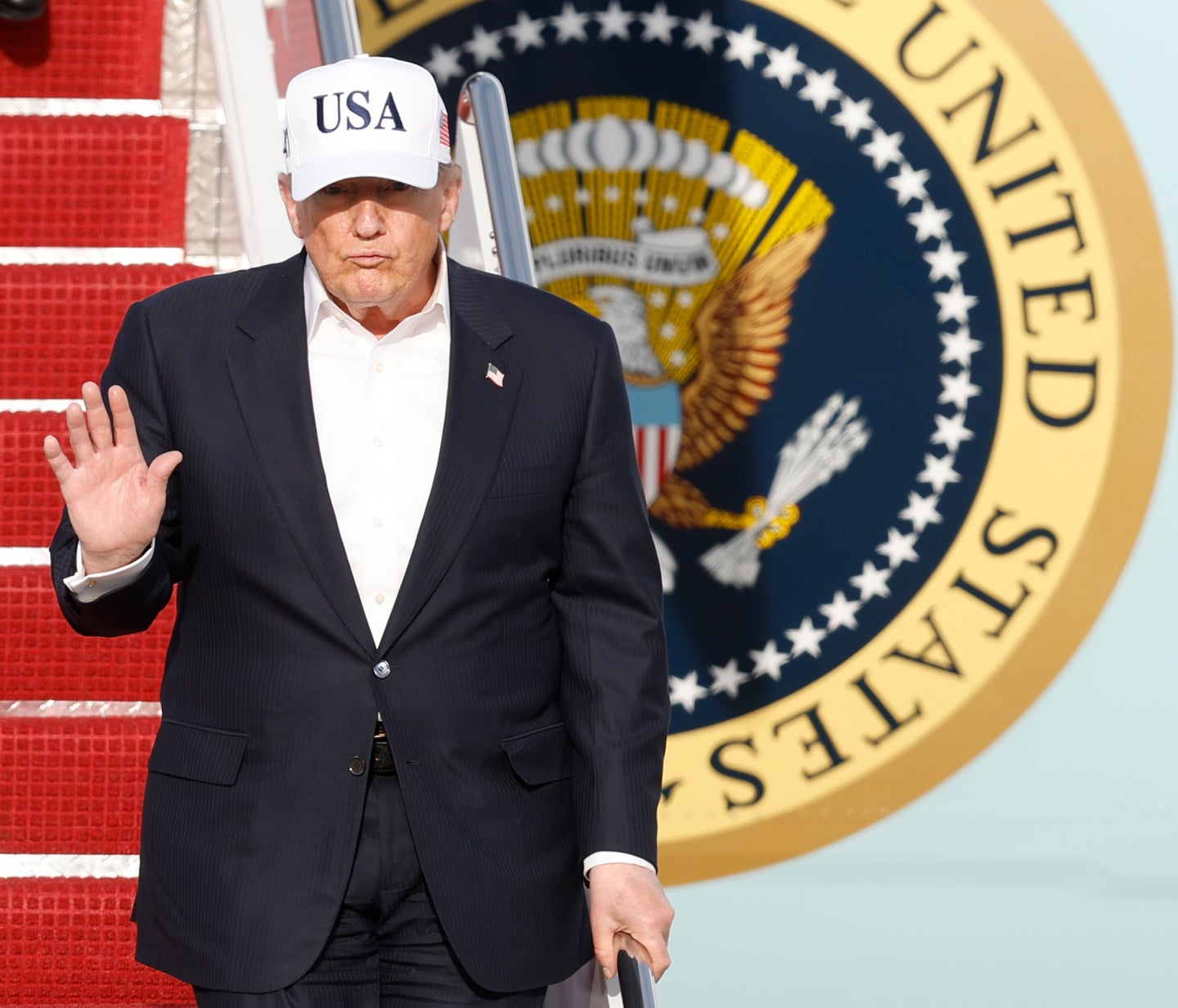
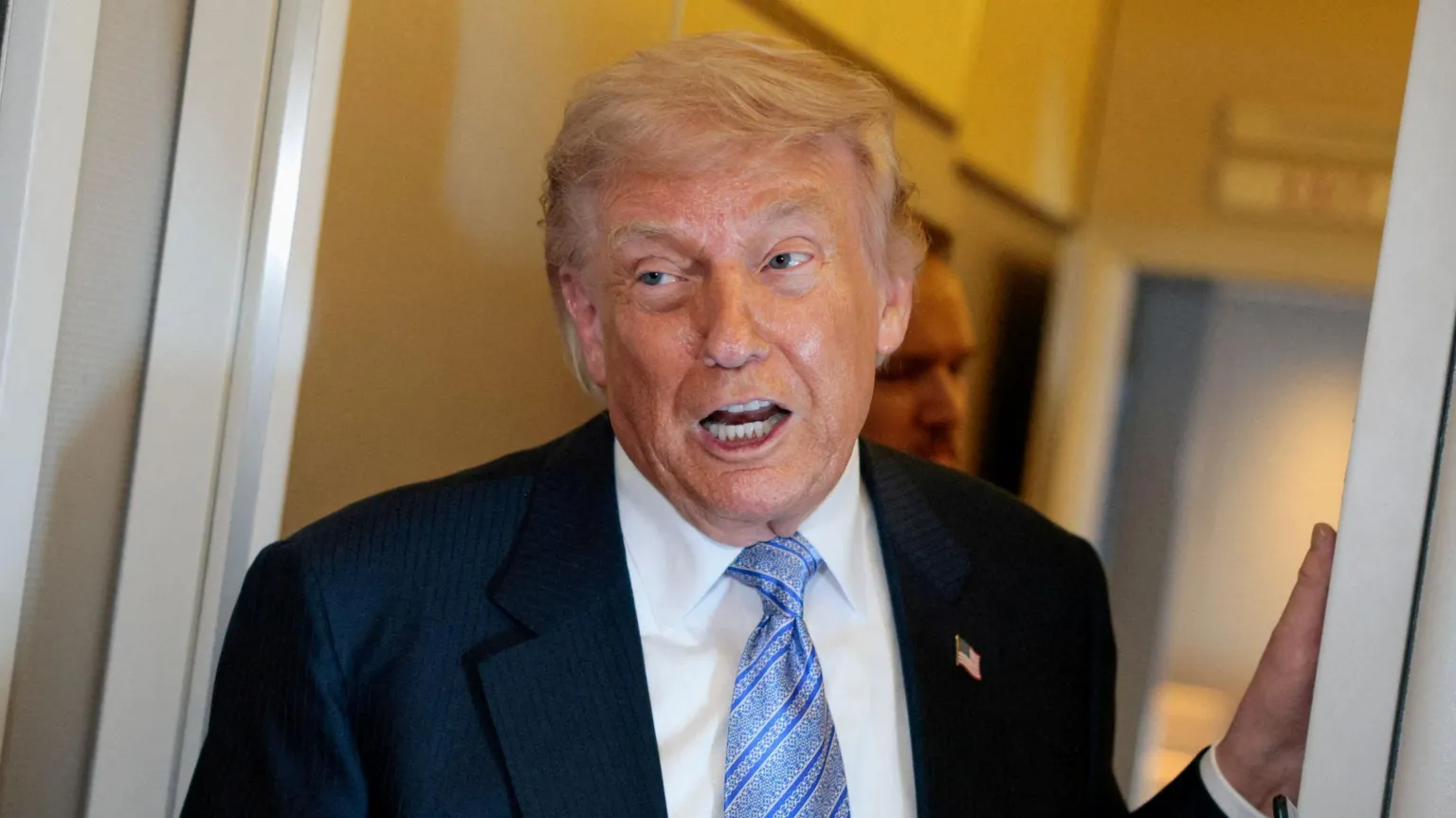
When China’s leader Xi Jinping hosts his American counterpart in Beijing this week, Donald Trump will be reminded of his last visit in 2017 – a time when he was extensively courted, including a dinner inside the Forbidden City, an honor no previous U.S. president had received. This week’s reception promises to be equally grand, featuring a stop inside Zhongnanhai, the exclusive compound where China’s top leadership resides and works. The agenda, however, will be just as complex, with regional tensions in the Middle East emerging as a new source of friction, alongside existing issues of trade, technology, and Taiwan.
China’s Transformation: A Decade of Growth and Assertiveness
But much has changed as Trump returns to a China that is both stronger and far more assertive. Now well into an unprecedented third term, an ambitious Xi has been vigorously pursuing plans for “new productive forces,” backed by heavy investments in renewable energy, robotics, and artificial intelligence. If the American president and his administration seek a glimpse of the future Beijing has been striving for over the last decade, they must look beyond the imposing heart of the capital where they will spend much of their time.
In the remote, rugged north, solar and wind power installations now dominate vast landscapes. In the industrious south, automation is reshaping factories and supply chains, and megacities like Chongqing have become prominent features in influencers’ feeds. Billions in state funding have transformed Chongqing, once a gritty manufacturing hub deep in the southwest, into a powerhouse symbolizing a changing China that embraces new tech, new trade, and a new adjective – trendy – as it endeavors to present a friendlier face to the world.
Shifting Power Dynamics: China as a ‘Near-Peer’
Back in 2017, China was actively trying to prove it was on an equal footing with the U.S., according to Ali Wyne, senior research and advocacy adviser for U.S.-China relations at the International Crisis Group. “I think that the Chinese delegation understandably expended an enormous amount of diplomatic effort trying to convey the impression that President Xi was President Trump’s geopolitical equal,” Wyne observes. “What I find striking is that this time around that assertion isn’t necessary on the part of Chinese.”
Washington now acknowledges China as a “near-peer,” says Wyne, who describes Beijing as “arguably the most powerful competitor that the United States has confronted in its history.”
‘America First’ vs. China’s Long Game
Trump, in turn, may well be the most unpredictable foreign leader China has ever encountered. He even has a nickname here – Chuan Jianguo, which translates to “Trump the nation builder.” Online, many Chinese believe that his divisive policies and trade wars have inadvertently aided China’s rise by weakening America’s global standing.
“He doesn’t care about the consequences at all,” says a middle-aged man on holiday in Chongqing, who preferred not to share his name. “He should know that we share the same world. It is a global village. He should not always put America first.” He adds, as the world’s “cyberpunk capital” lights up behind him at dusk, “China has been making forward-looking strategies for decades.”
Chongqing: A Window into China’s Ambitions
Chongqing, carved out of mountains, necessitated builders to construct upwards. Roads climb and twist around steep hillsides, while the subway trundles underneath and then through layers of buildings. Everything overlaps to create what travel journalists have dubbed China’s “8D” city. Just like the tourists perched above, visitors in boats below strive to capture the ultimate photograph: the vertical landscape looming over the Yangtze River in shades of electric blue, magenta, and red.
This city offers a multifaceted window into Beijing’s bid to rival American power. China has been sharpening its soft power and offering visa-free entry to overseas tourists. Around two million visitors included Chongqing on their must-see list last year, alongside Beijing and Shanghai.
However, Chongqing’s spectacular growth comes with a price. Its construction involved one of the largest sustained urban development efforts in modern history. The local government, overseeing a population of over 30 million, is now heavily in debt. A sluggish economy and a struggling property sector are not helping. Beyond the city’s futuristic skyline are older neighborhoods where workers sort packages or sell fruit and vegetables, hoping to earn a few dollars a day.
Economic Pressures and Public Sentiment
Trump’s tariffs and the ongoing crisis in the Middle East are exerting pressure on the Chinese economy as house prices fall, unemployment rises, and low consumption persists. Throughout these challenges, the Chinese Communist Party’s authoritarian grip has remained firm. Many Chinese people are hesitant to discuss politics, and although they have messages for Trump, they often prefer not to share their names.
“I want to tell Donald Trump to stop stirring things up,” says one nail technician whose investments have suffered due to the downturn in the global economy following the Middle East crisis. Yet, some young people still view the U.S. as a beacon of freedom and opportunity. “When I think about the U.S., I think about its liberty and people there can find their personality and discover their potential,” says a fashion student on holiday with her friend. “It’s a country full of creativity and wisdom, and many Chinese young people would like to receive an education there.” This dream has become more uncertain due to strained ties between the two superpowers in recent years, but it has also spurred Chinese engineers to fuel innovation at home.
The Race: From Robots to EVs
In a two-story flagship laboratory in one of Chongqing’s many new business hubs, a group of kindergarten children giggle with delight as they watch a robot fish swim around a tank. Other humanoid robots come to life, showcasing kung-fu moves or funky dances. China already boasts the largest number of industrial robots in its factories, and the state plans to invest around $400 billion in robotics this year alone.
Chongqing, positioned at the heart of this investment, aims to become the Silicon Valley of western China. However, here and across the country, Chinese robotics may still require American assistance. Robots need fast-working brains, which is why China is keen to purchase more high-end AI chips from the U.S. firm Nvidia. This could be a significant sticking point in this week’s meeting.
In 2022, the Biden administration attempted to curb Chinese AI and robotics advancements by restricting access to cutting-edge semiconductors. President Trump has since relaxed that policy. Last year, he cleared the way for Nvidia to sell some of its advanced chips to China, though not the most advanced ones. As China and the U.S. vie for technological supremacy, analysts believe there is a larger concern at hand with the rise of AI. Some fear that a single malicious actor with a laptop in a bunker could hack health services or find nuclear launch codes, arguing that this moment calls for both leaders to prioritize the greater good over great power competition.
Trade Dynamics and Summit Goals
Competition will undoubtedly shape the agenda. China has already taken extensive measures to reduce its reliance on the U.S. as its primary trade partner. China’s exports to the U.S. have fallen by approximately 20% in the last few years, and America is now China’s third-largest trade partner, trailing Southeast Asia and the European Union. The pageantry of Trump’s last visit did not prevent the U.S. from imposing substantial tariffs on Chinese goods, a lesson Beijing appears to have learned.
When Trump became the presidential frontrunner in 2024, Chinese officials began preparations. They attended think tank meetings in Washington, once again hearing his warnings about reining in what he perceived as unfair Chinese trade practices. When the tariffs were implemented last year, China was the only country that did not back down. Whether the fragile trade truce will hold, or lead to a more substantive deal, remains the big question for this week. However, the past year has certainly emboldened Beijing.
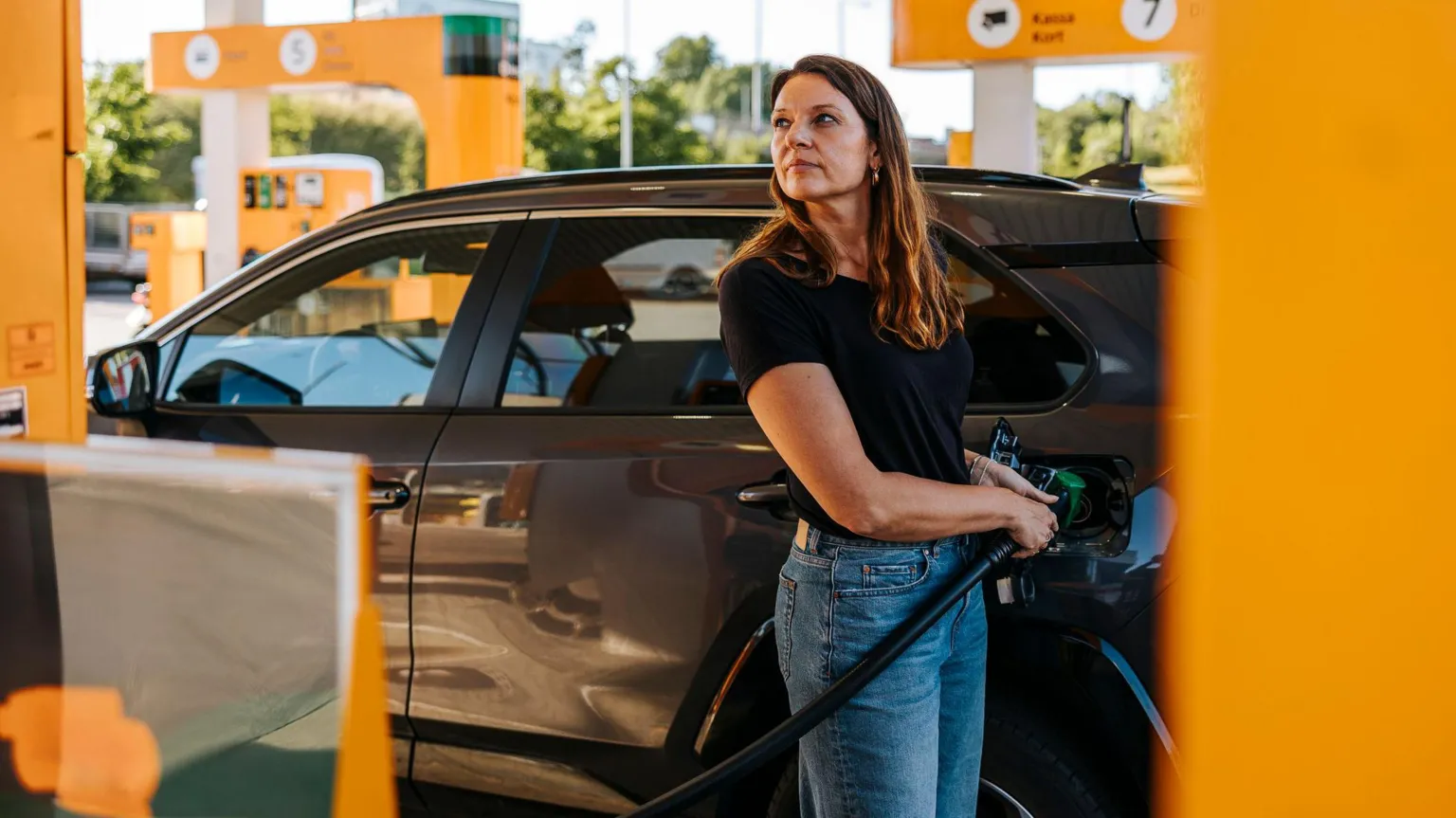
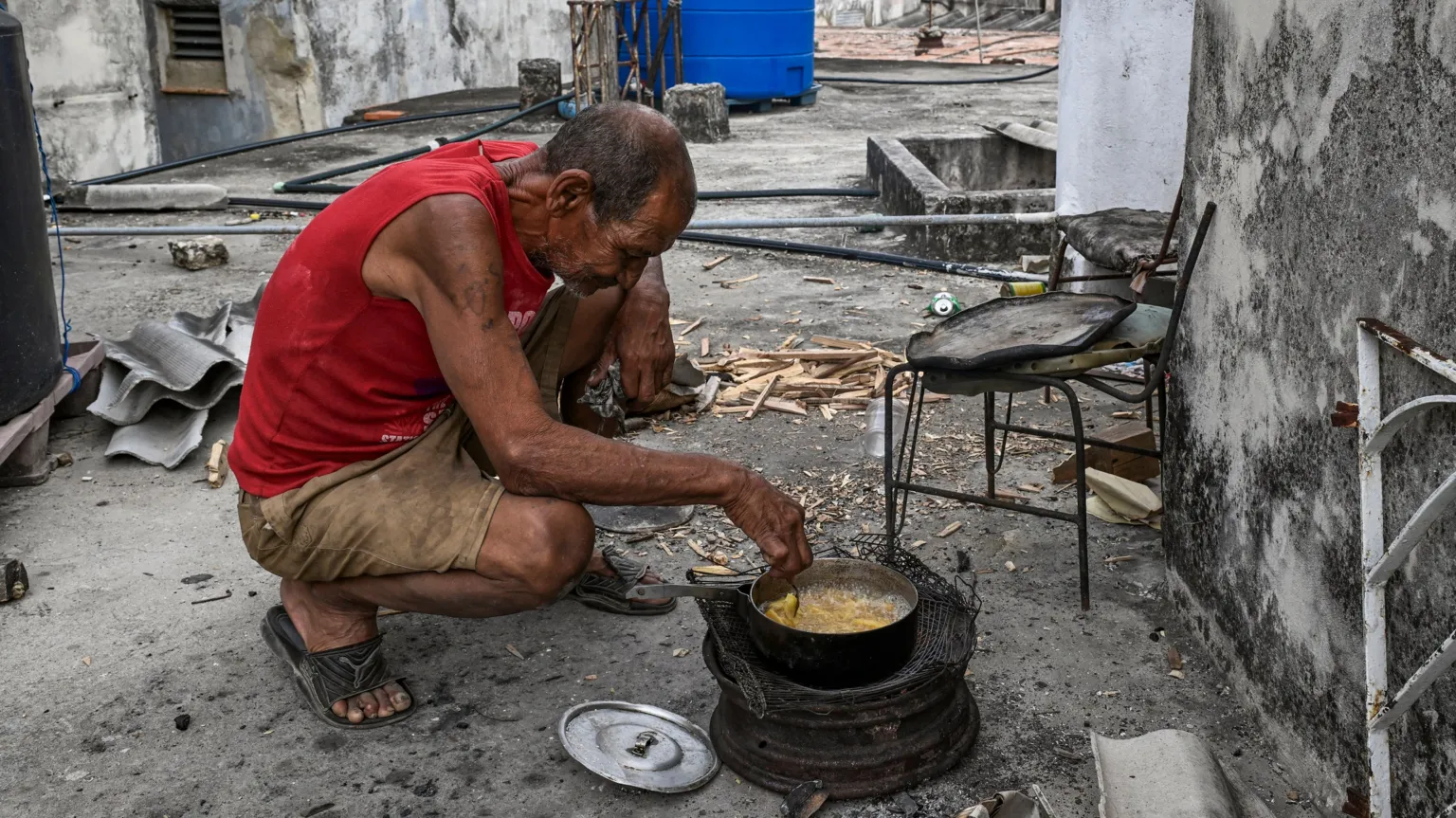
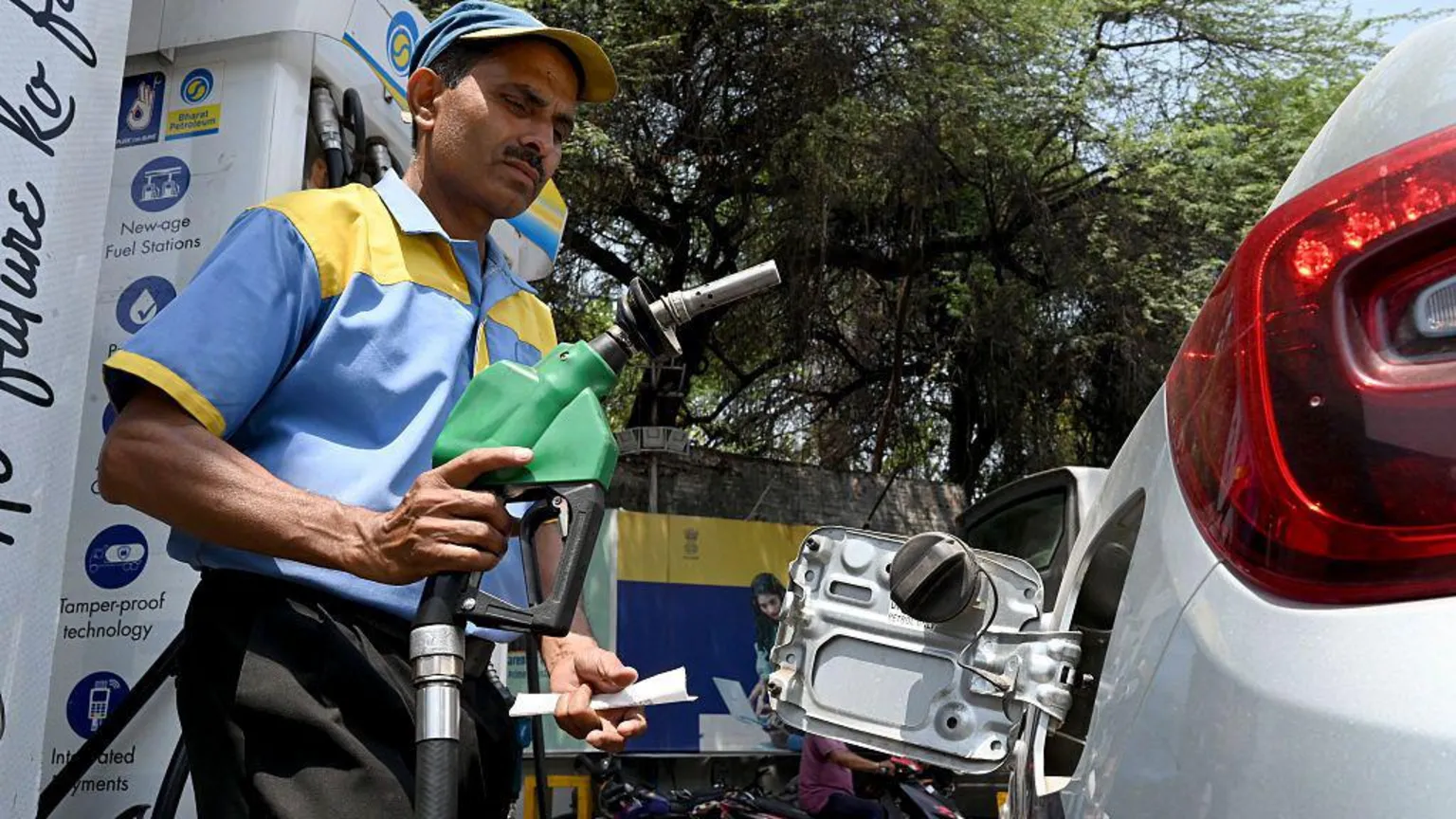
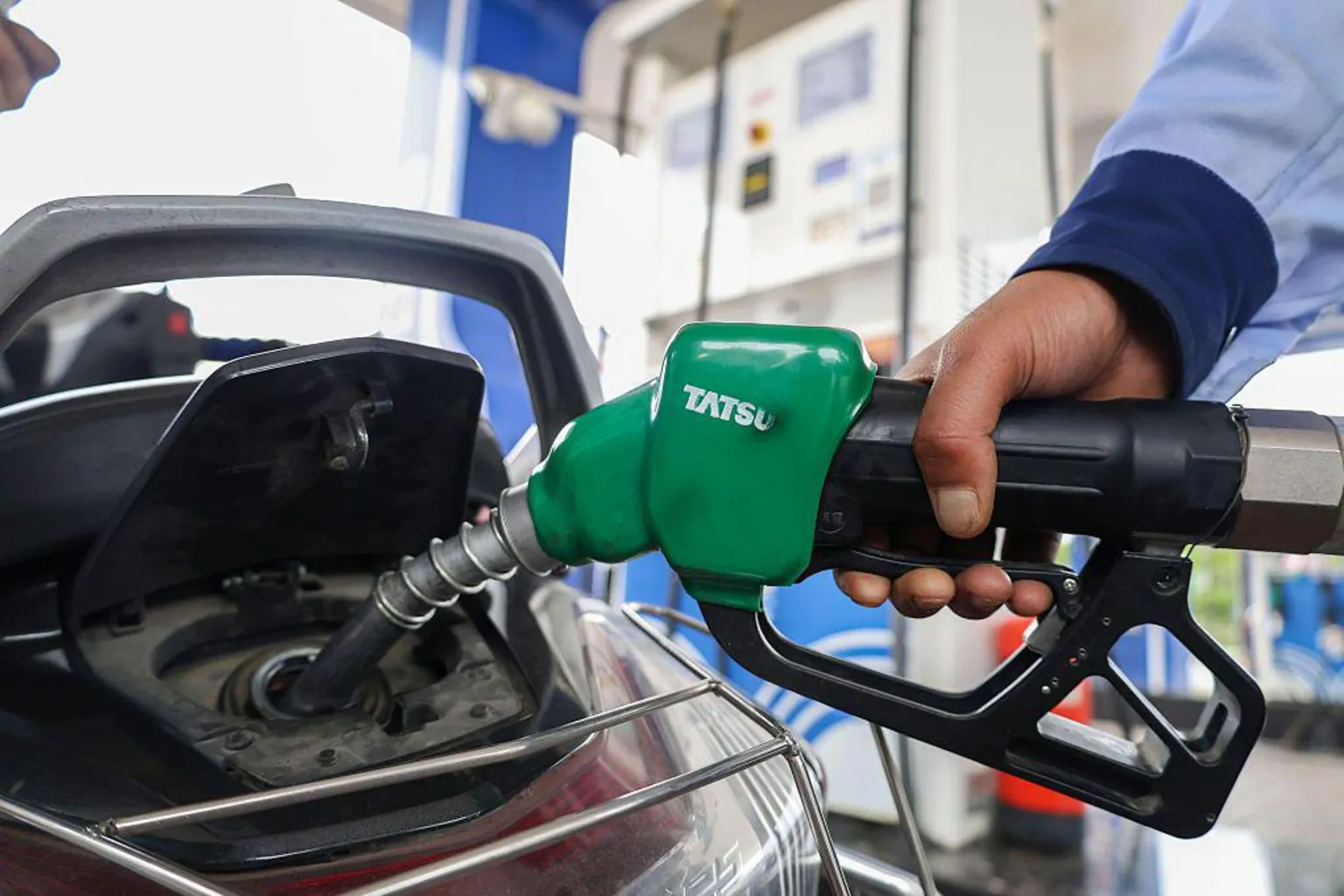
“We don’t rely on the U.S. market,” says Lucia Chen, who sells electric cars for Sahiyoo, a firm in Chongqing, a key city in China’s push for self-reliance. Chongqing leads the country in car manufacturing, underpinning China’s position as the world’s largest car-maker. Xi called for direct rail links from here through Central Asia to Europe, costing around $5 billion, which Chen finds useful for selling more goods to clients. “I’m quite optimistic about the future development of Chongqing’s EV industry,” she says during a factory tour. “My family and friends have all made the switch from fuel cars to EV. Due to the ongoing crisis in the Middle East, petrol prices have risen significantly, leading many buyers to consider an EV for the first time.”
Even as the crisis in the Middle East persists, Trump is visiting China partly to seek a resolution to the regional conflict. He will likely hope for China’s assistance in brokering a deal with Tehran, underscoring Beijing’s increasingly pivotal role on the world stage. The U.S. president often boasts of his good relationship with Xi and may feel he can negotiate effectively with China’s leader. He will also seek something tangible from this summit, and if he can leave Beijing stating that he convinced the Chinese to buy more American goods, he may perceive that as a win.
A Glimpse of the Future?
For China, the win may lie in a smooth, well-choreographed state visit. A trade deal would be a huge relief, but even without one, a U.S. presidential visit after nearly a decade burnishes Xi’s message – that China is open for business and to the world. “I feel China is getting more and more connected to the world, more integrated with the international community,” says a photographer in Chongqing. “It was very difficult for me to see people with blonde hair like you in the past – but now I meet lots of foreigners. We are all like one family.”
He is one of many catering to a unique local economy that has emerged here. On the side of the river, across from where a local train enters one of the residential towers, a row of visitors stand with their mouths open. One woman shouts instructions to her husband to get the shot right as the train approaches – she chews as if she has just finished a delicious meal. It seems a peculiar trend, but “Chongqing train eating” has gone viral. A man, well over 70, jokes that participating in this social media spectacle helps him “become younger at heart.”
This is the China Xi wants the world to see more of, as he tries to portray himself as a beacon of stability in contrast to an unpredictable Trump. Already in the year or so since Trump has come to power, the world order has shifted remarkably, strengthening Beijing’s hand. His “America First” approach has seen allies and rivals reeling from on-again, off-again tariffs, while Beijing rolled out the red carpet for a parade of political leaders from the West, including the UK, Canada, and Germany.
Of course, this is far from the complete picture. There is also pervasive surveillance, strict state control over all media, and any form of dissent or criticism against the government or the country’s leaders is not tolerated. But in Chongqing, many visitors witness what might appear to be a cinematic scene from the future. The city’s transformation can be interpreted as either a success story or a warning sign. Either way, it offers the world – and Donald Trump – a preview of what China hopes lies ahead.
#TrumpChinaSummit #USChinaRelations #XiJinping #Chongqing #GlobalEconomy #TradeWar #AI #EVIndustry #MiddleEastCrisis #Geopolitics


Leave a Reply