

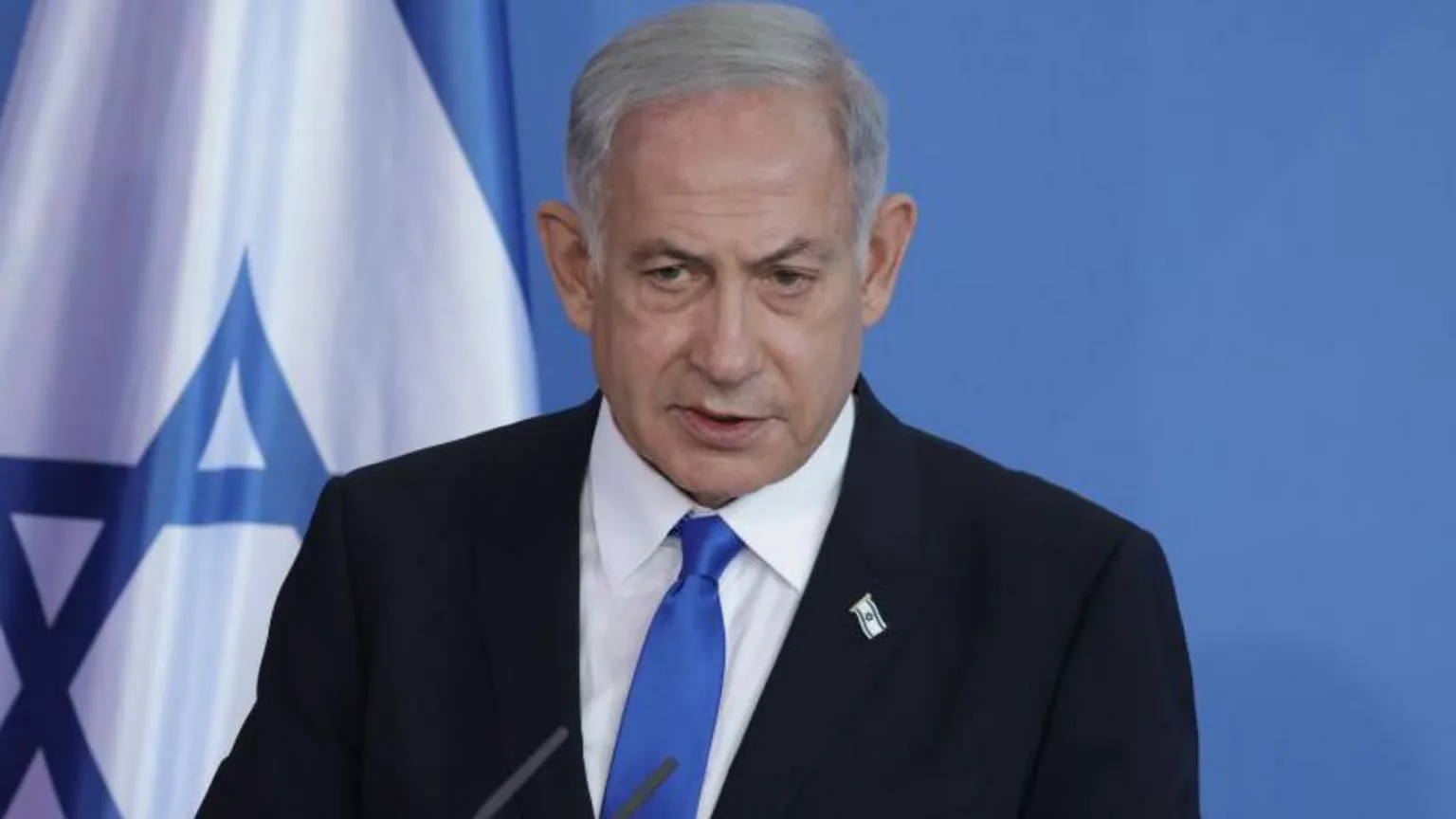
Netanyahu’s Controversial Claim
Former Israeli Prime Minister Benjamin Netanyahu recently stated that he “secretly visited” the United Arab Emirates and met its president during the ongoing conflict with Iran. According to Netanyahu’s office, this meeting with President Sheikh Mohammed bin Zayed led to a “historic breakthrough.”
UAE’s Firm Denial
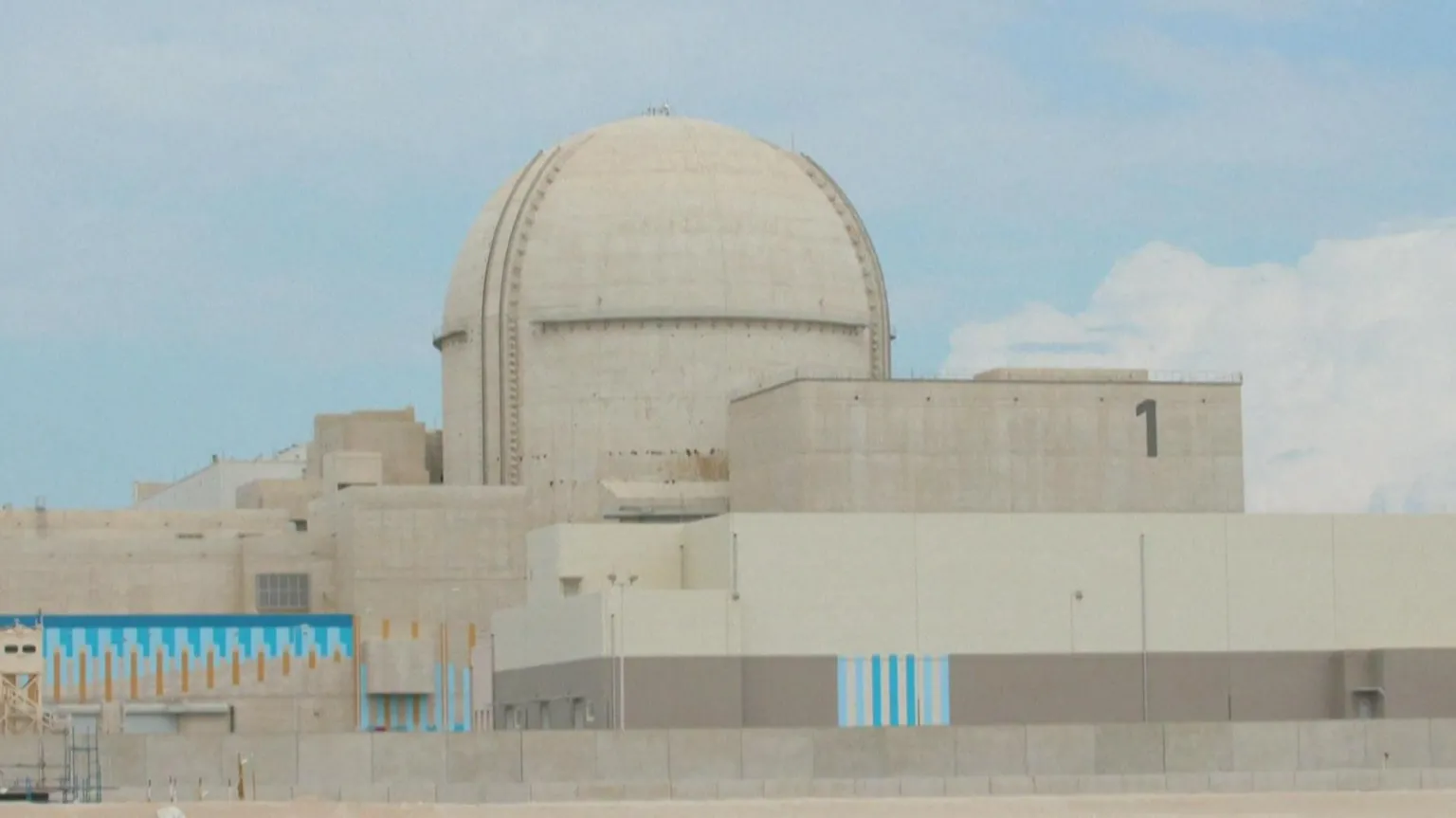
However, the UAE foreign ministry swiftly denied these claims, asserting that reports of the visit were “entirely unfounded.” The ministry emphasized that relations between the two nations are public and conducted within the framework of the Abraham Accords, not through “non-transparent or unofficial arrangements.”
Iran’s Reaction and Regional Tensions
The alleged visit comes amidst heightened tensions in the region. Iran has previously targeted several locations in the Emirates during the conflict and has repeatedly criticized the UAE for what it perceives as closer ties with the US and Israel. Iran’s Foreign Minister, Abbas Araghchi, commented that Netanyahu had “publicly revealed what Iran’s security services long ago” informed the country’s leadership. He further stated that any collusion with Israel would be “unforgivable” and those involved “will be held to account.”
Abraham Accords and Deepening Alliances
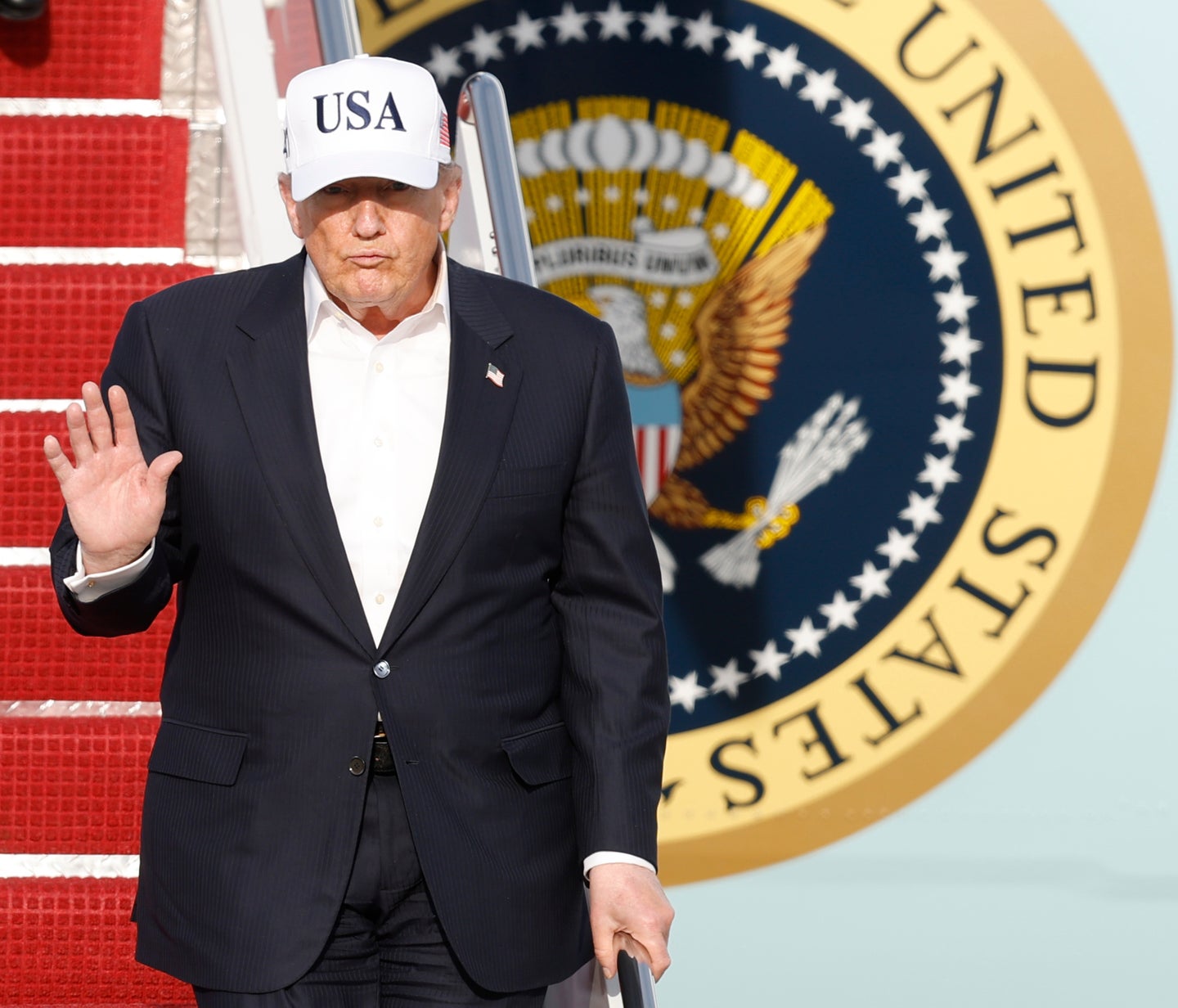
The Abraham Accords, established during President Trump’s first term, normalized relations between Israel and several Arab countries. A Reuters source indicated that the meeting between Netanyahu and the Emirati president, if it occurred, took place in Al-Ain, an oasis city near the border with Oman, and lasted several hours.
The US Ambassador to Israel, Mike Huckabee, confirmed that Israel had sent Iron Dome anti-missile batteries to assist the UAE in combating Iranian attacks. Huckabee highlighted this deployment as a result of an “extraordinary relationship between the UAE and Israel,” further solidified by the Abraham Accords. The ongoing conflict involving Israel, the US, and Iran appears to have deepened these relations, fostering military cooperation.
Conflict Escalation and UAE’s Defense
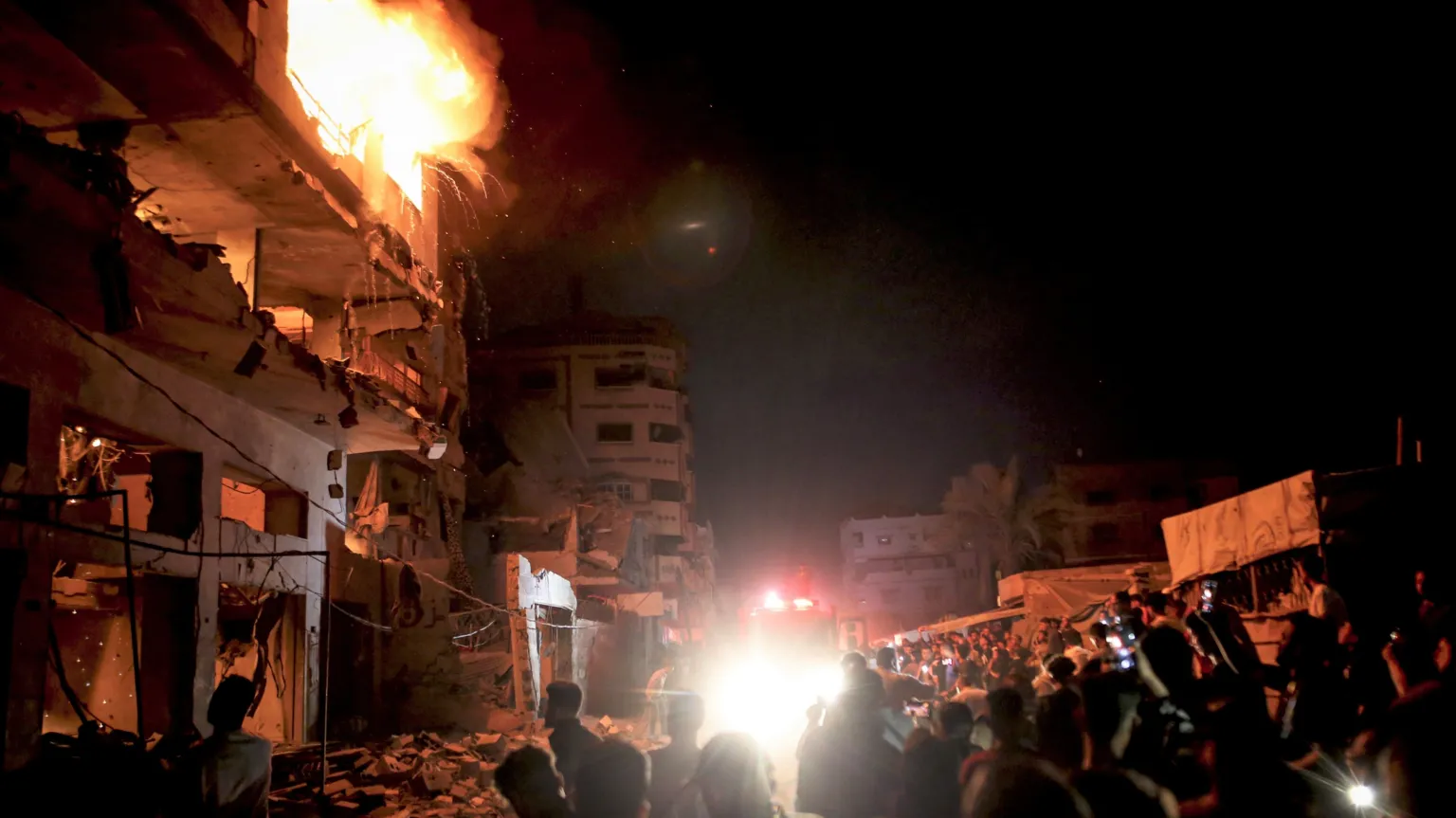
During the war, Iran launched numerous missiles and drones towards the UAE. The UAE’s Ministry of Defence reported engaging a significant number of ballistic missiles, cruise missiles, and drones since the conflict began in late February, following attacks on Iran by the US and Israel. The Wall Street Journal also reported unacknowledged strikes by the UAE on Iran, including an attack on a refinery on Iran’s Lavan Island in early April.
Emirati presidential adviser Anwar Gargash reiterated the UAE’s commitment to diplomacy while asserting its right to self-defense. He stressed that the UAE did not seek the war and worked to avoid it, stating that “Arab-Iranian relations in the Gulf cannot be built on confrontations and conflicts.”
Ceasefire and Strait of Hormuz Blockade
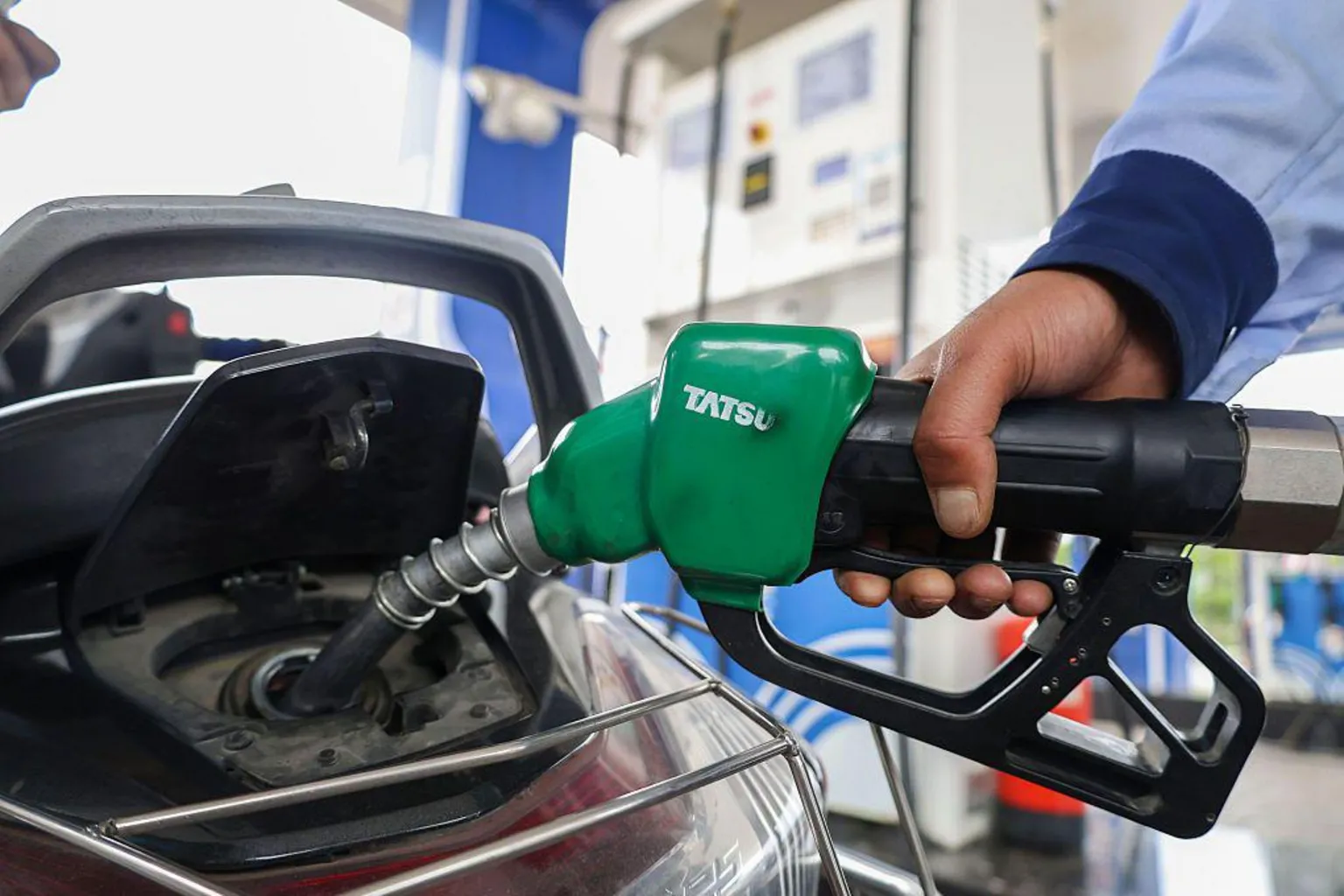
A ceasefire between the US and Iran has been in effect for approximately a month. However, Iran has continued to block the Strait of Hormuz in response to US-Israel strikes, leading to a rise in global oil prices. This strait is a crucial waterway, through which about 20% of the world’s oil and liquefied natural gas typically passes. The US, in turn, has been enforcing a blockade of Iranian ports to pressure Tehran into accepting its terms.
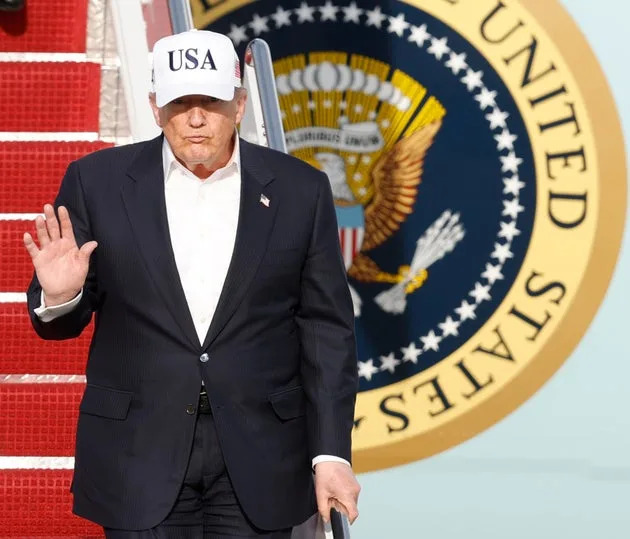
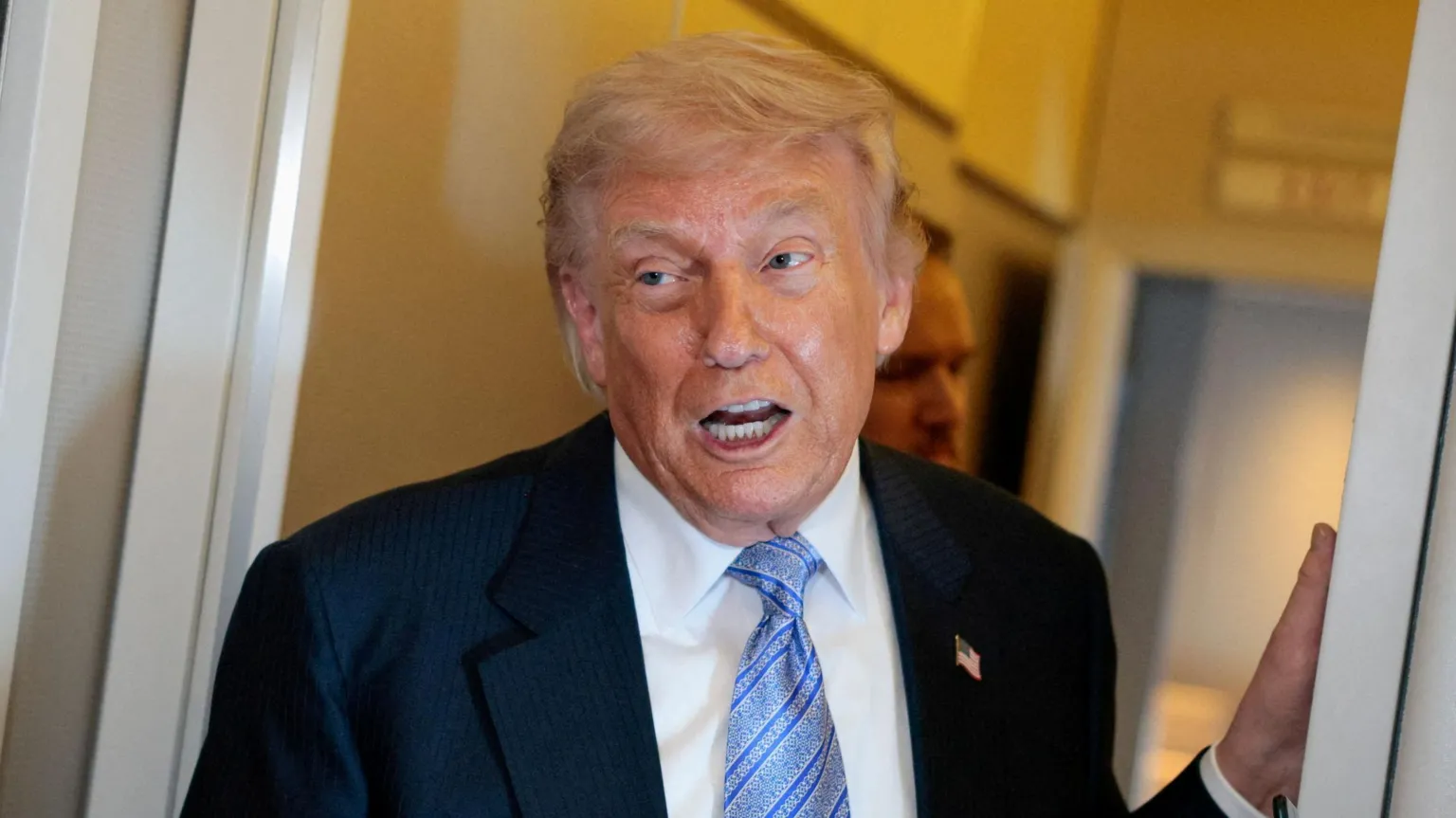
Iran presented its demands to end the war and reopen the Strait of Hormuz in a counter-offer to the US, which President Trump rejected as “totally unacceptable” and a “piece of garbage,” subsequently declaring the ceasefire “on massive life support.” In response, Iranian parliamentary speaker Mohammad Ghalibaf stated on X that Iran’s armed forces were “ready to respond and to teach a lesson for any aggression.”
#Netanyahu #UAE #IranWar #AbrahamAccords #MiddleEast #Diplomacy #IronDome #StraitOfHormuz #Geopolitics #InternationalRelations




Leave a Reply