


Expecting U.S. Vice President JD Vance to forge a peace agreement with representatives of the Islamic Republic of Iran after their first direct meeting in over a decade might have been an ambitious ask. However, it is not unreasonable to expect the warring parties to uphold the ceasefire and for negotiators to reconvene for further discussions.
A ceasefire is currently in place. The crucial question now is: Can America truly “win” this ceasefire?
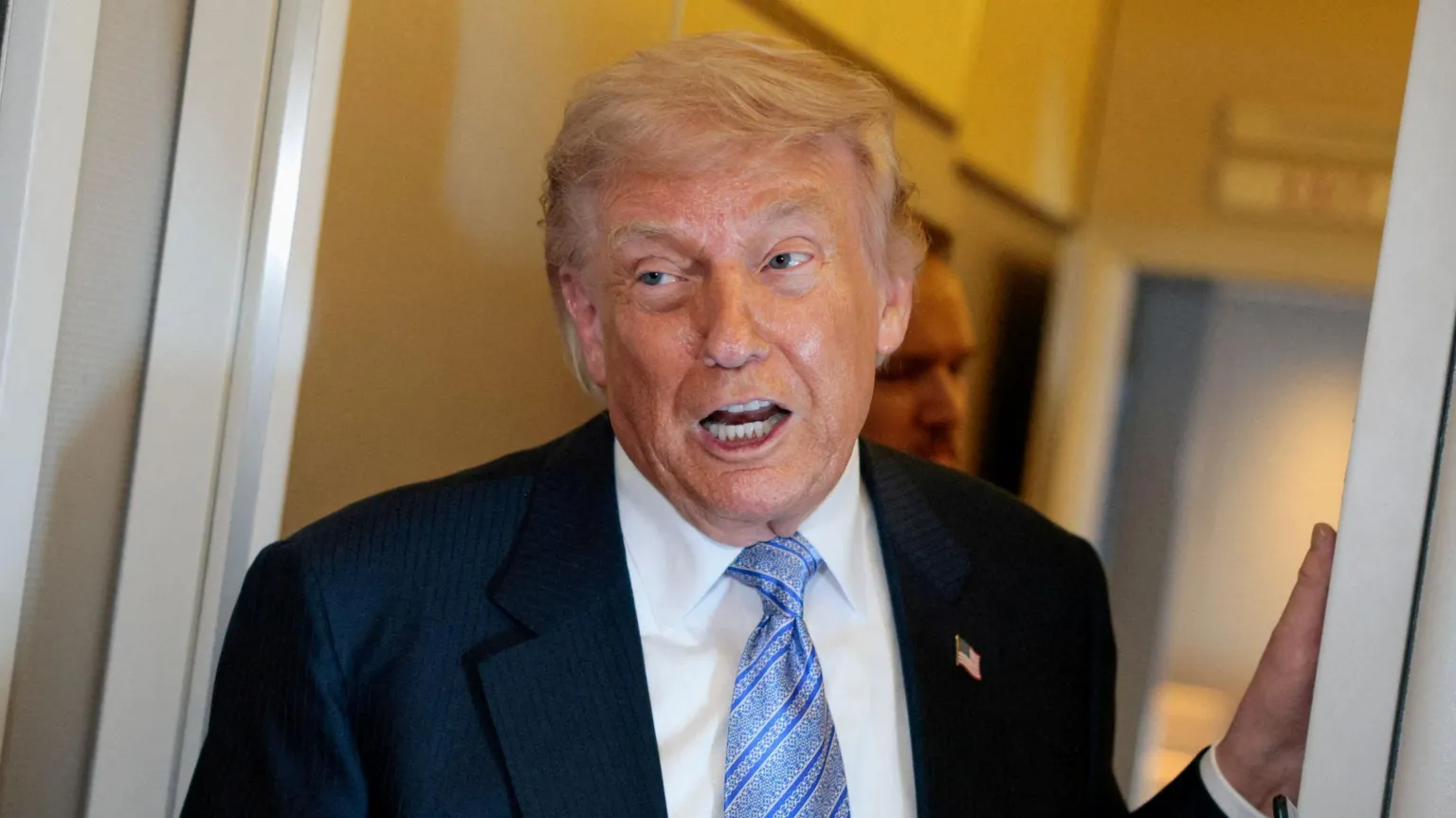
For President Donald Trump, this issue carries existential weight. Should voters believe the U.S. lost the conflict with Iran, Republicans risk losing control of Congress, and the president would face significant political pressure during his final two years in office. Conversely, if the public views the conflict with Iran as justified and normalcy returns by summer, Republicans stand a better chance of performing adequately in November’s midterm elections.
What steps are necessary for the U.S. to secure a successful ceasefire and ultimately achieve a peace agreement?
Firstly, the Strait of Hormuz must remain open to all maritime traffic. This should be the Trump administration’s primary objective, given its profound impact on the global economy and, crucially for a domestic audience, on oil prices. White House policy planners initially underestimated Iran’s potential to control this vital international shipping lane, but that understanding has now changed.
Secondly, the U.S. must intensify internal pressure on the Iranian regime. Halting the bombing campaigns is an effective strategy for this. The Islamic Revolutionary Guard Corps has been considerably weakened by joint U.S.-Israeli strikes. Our intelligence agencies should exert every effort to bolster the Iranian protest movement, providing them with weapons and resources. Bombing critical infrastructure like bridges and oil refineries would have been a major misstep by the Americans, as it would have severely hindered any opposition efforts by insurgents within the country.
Thirdly, the U.S. needs to repair its relationships with traditional allies. This extends beyond the Iran situation. Russia and China observe the internal tensions within NATO with satisfaction. A more unified Western world, particularly concerning the free passage through the Strait of Hormuz, is paramount.
Fourthly, the Trump administration must refine its communication strategy. Currently, the U.S. is deeply fractured regarding this conflict. Even segments of Trump’s political base harbor significant skepticism about the campaign. While the president’s maximalist rhetoric might be understood, attempting to portray oneself as a “madman” potentially willing to use extreme measures carries considerable risks. Allies were alarmed, the American public was worried, and the Pope expressed dismay. Even some of the president’s staunchest political supporters suggested his removal via the 25th Amendment of the U.S. Constitution, which addresses presidential incapacity. Secretary of War Pete Hegseth’s messaging has not been an improvement; labeling this conflict as another “Christian crusade” does not serve long-term regional objectives.
Fifthly, the president should articulate a vision of what peace would entail for the Iranian people and the broader region, and then effectively communicate this vision. The situation in Venezuela offers a clear parallel to what could unfold in Iran. While the head of government was removed there, the underlying political structure largely persisted. A complete regime change is not necessarily required; rather, a fundamental shift in the current regime’s approach is needed.
Sixthly, the president must clearly define expectations for a lasting peace agreement and what is required from the Iranian regime. The foremost demand is genuine peace: an end to funding terrorism, supporting terrorist proxies, and perpetual conflict against Israel. Peace must truly mean peace. Furthermore, Iran’s nuclear program must never be weaponized.
Seventhly, the president must ensure that Israel’s objectives align with those of the U.S. This would necessitate candid discussions between Trump and Israeli Prime Prime Minister Benjamin Netanyahu. It appears the Israeli prime minister misled Trump, suggesting a swift, low-cost war to overthrow the Iranian regime, an outcome that has not materialized. While acknowledging Israel’s understandable frustration with Hezbollah’s missile attacks, a perpetual conflict appears to be a central element of Netanyahu’s political agenda, which is no longer acceptable to the American public.
Both the U.S. and Israel must achieve a shared understanding of their objectives during this current lull in hostilities. This alignment is crucial for successfully navigating the ceasefire. The views expressed in this article are solely those of the author and do not necessarily reflect Al Jazeera’s editorial position.
#USIran #Ceasefire #MiddleEastPeace #TrumpAdministration #IranConflict #StraitOfHormuz #Diplomacy #ForeignPolicy #Geopolitics #IsraelUSRelations





Leave a Reply