


Geopolitical tensions in the Middle East are impacting global supply chains, leading to a noticeable change on Japan’s supermarket shelves. Major snack manufacturers are now opting for monochrome packaging instead of their usual vibrant designs, a direct consequence of a growing ink shortage.
Calbee, a prominent Tokyo-based snack brand, has announced a temporary shift to black-and-white packaging for 14 of its products, including its popular Calbee Potato Chips.
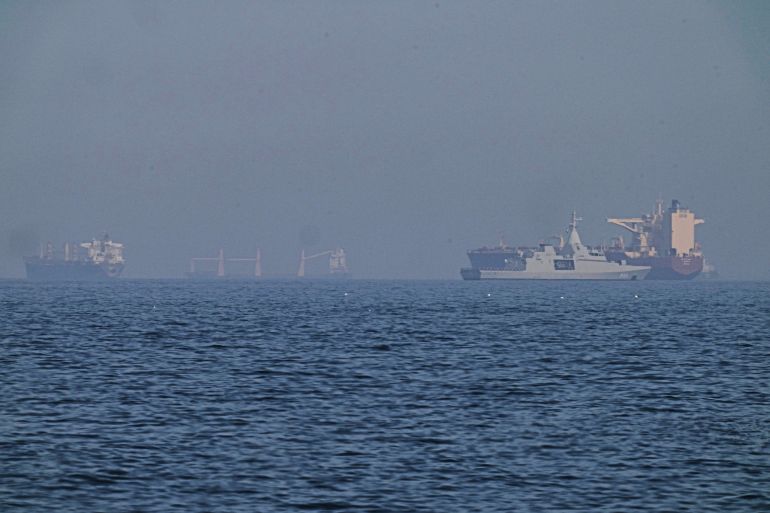
Calbee’s decision reflects a broader trend among Japanese companies striving to mitigate the effects of global supply chain disruptions stemming from events in the Middle East. Since late February, the Strait of Hormuz, a crucial waterway for one-fifth of the world’s oil shipments, has experienced significant disruptions.
These disruptions have particularly impacted Japan, a nation that relies on the Middle East for 40 percent of its naphtha imports – a vital oil derivative used in the production of printing ink.
Why Are Ink Prices Rising?
When Will Colors Return to Packaging?
What Japanese Companies Are Saying
In a recent statement, Calbee attributed its move to black-and-white packaging to “supply instability affecting certain raw materials amid ongoing tensions in the Middle East.” The company clarified that this measure aims to “help maintain a stable supply of products,” with the new packaging expected to appear on shelves by May 25.
Responding to inquiries about Calbee’s material conservation efforts, a government spokesperson stated that Japan is actively working to address supply gaps. They noted that imports from regions outside the Middle East have tripled this month compared to pre-disruption levels in late February.
Deputy Chief Cabinet Secretary Kei Sato affirmed, “We have not received any reports of immediate supply disruption for printing ink or naphtha and recognize that Japan as a whole has secured the quantities required.” Sato added that “Relevant ministries are working together and making efforts to communicate closely with impacted companies to grasp the situation,” with a fact-finding hearing scheduled for Tuesday.
Despite these assurances, major ink and chemical producers globally have indeed increased their prices, citing volatility in oil and gas supplies originating from the Middle East.
Sun Chemical, a leading US-based global producer of ink, has indicated that escalating raw-material, logistics, and energy costs are necessitating widespread price increases across its product lines. Similarly, Germany’s Hubergroup, another prominent printing ink specialist, has announced price hikes, attributing them to “substantial cost increases” for key components due to ongoing supply constraints. They stated that “The scale and persistence of the current cost pressures make price adjustments unavoidable.”
Understanding the Ink Supply Shortage
The current shortages and price increases, influenced by regional conflicts, have directly impacted the availability of crucial ingredients for colored inks. This has led companies like Calbee to adopt simpler packaging to conserve materials, with ripple effects extending beyond the snack industry.
Printing inks are heavily dependent on petrochemical feedstocks, such as solvents and resins, which are derived from naphtha, a by-product of crude oil. Beyond inks, naphtha is also essential for producing plastics, synthetic rubber, high-octane gasoline, and serves as a critical industrial solvent in paints and adhesives.
Geopolitical developments have severely disrupted shipping and energy flows through the Strait of Hormuz, a conduit for one-fifth of the world’s oil and gas. This disruption has significantly constrained the supply of oil-derived materials vital for manufacturing, including naphtha.
Given Japan’s substantial reliance on naphtha imports from the Middle East, its manufacturers are particularly susceptible to the evolving security situation in the region. Following recent escalations, the waterway experienced significant blockages. Despite a fragile ceasefire agreed upon on April 8, the Strait has continued to face access challenges.
Since April 13, efforts to manage the situation have included naval actions aimed at influencing port access, following the collapse of diplomatic discussions. These measures have involved directives to stop or divert vessels accessing certain ports.
Other Factors Influencing Ink Prices
Another critical component in printing inks and coatings is nitrocellulose. However, nitrocellulose also finds extensive use in military propellants and explosives, meaning that increased defense sector demand can directly impact its availability for commercial manufacturing.
Demand for nitrocellulose has surged, particularly in Europe, driven by increased defense spending and geopolitical events in Eastern Europe. This has further constrained its availability for civilian sectors like printing inks and packaging.
#SupplyChain #GlobalEconomy #InkShortage #JapaneseSnacks #Calbee #MiddleEastTensions #Naphtha #PrintingIndustry #PackagingDesign #Geopolitics






Leave a Reply