


UAE Accelerates Strategic Oil Pipeline to Bypass Strait of Hormuz
The United Arab Emirates is significantly advancing the construction of a new oil pipeline, a move set to double its export capacity through Fujairah, a crucial port city on the nation’s eastern coast. This initiative is part of a broader strategy by Gulf nations to reduce reliance on the Strait of Hormuz.
Crown Prince Sheikh Khaled bin Mohamed bin Zayed announced the expedited progress of the West-East Pipeline project during an executive meeting of the Abu Dhabi National Oil Company (ADNOC) on Friday. The acceleration aims to “meet global demands” for energy. The Abu Dhabi Media Office confirmed that the pipeline is expected to be fully operational by 2027.
Sheikh Zayed emphasized ADNOC’s strong position as a “responsible and reliable global energy producer,” highlighting its “operational flexibility to responsibly increase production to meet market needs when export constraints allow.”
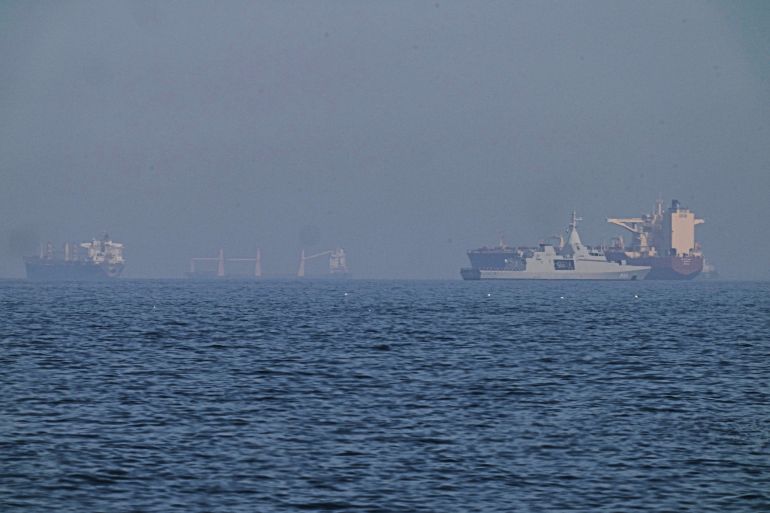
The decision to accelerate this project comes amidst regional geopolitical dynamics that have impacted global energy supply chains. With the Strait of Hormuz – historically a conduit for approximately one-fifth of the world’s oil – facing various challenges, including new maritime protocols and attacks on energy infrastructure, Gulf nations are compelled to secure alternative trade routes for their vital oil and gas exports.
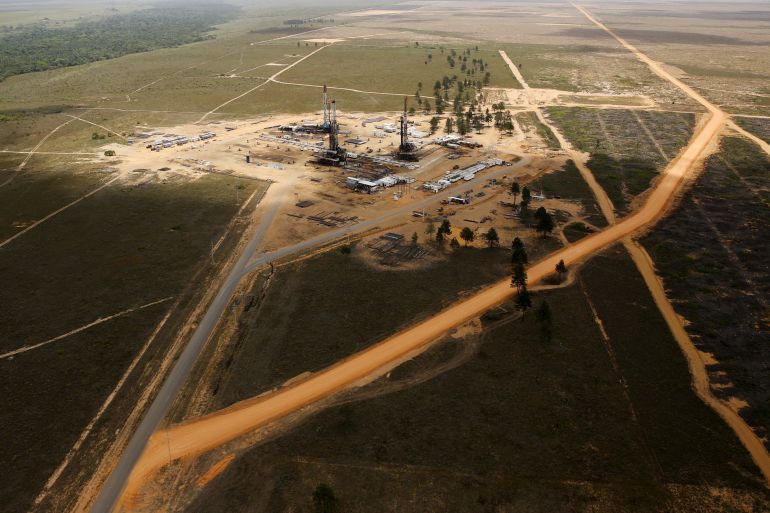
Currently, the UAE operates the Abu Dhabi Crude Oil Pipeline (ADCOP), a 380km (235-mile) artery running from Habshan, an oil and gasfield in southwestern Abu Dhabi, to the port of Fujairah. This pipeline, operational since 2012, boasts a capacity of about 1.5 million barrels of oil per day (bpd) and represents a key energy route in the Middle East. It has, however, recently come under attack.
Neighboring Saudi Arabia also utilizes a similar strategy with its 1,200km (745-mile) East-West pipeline. This critical infrastructure transports the kingdom’s eastern oil reserves to the Yanbu port on the Red Sea, offering a route less susceptible to regional tensions. Amin Nasser, CEO of state oil giant Aramco, has referred to it as a “critical lifeline.”
While Oman benefits from an extensive coastline outside the Strait of Hormuz, other nations like Kuwait, Iraq, Qatar, and Bahrain remain almost entirely dependent on the waterway for their trade shipments.
In a related strategic development last month, the UAE announced its departure from the Organization of the Petroleum Exporting Countries (OPEC). This decision was made to focus on “national interests” and aligns with the UAE’s “long-term strategic and economic vision and evolving energy profile.”
#UAEOil #EnergySecurity #StraitOfHormuz #OilPipeline #Fujairah #ADNOC #MiddleEastEnergy #GlobalEnergy #StrategicInfrastructure #OilExports





Leave a Reply