


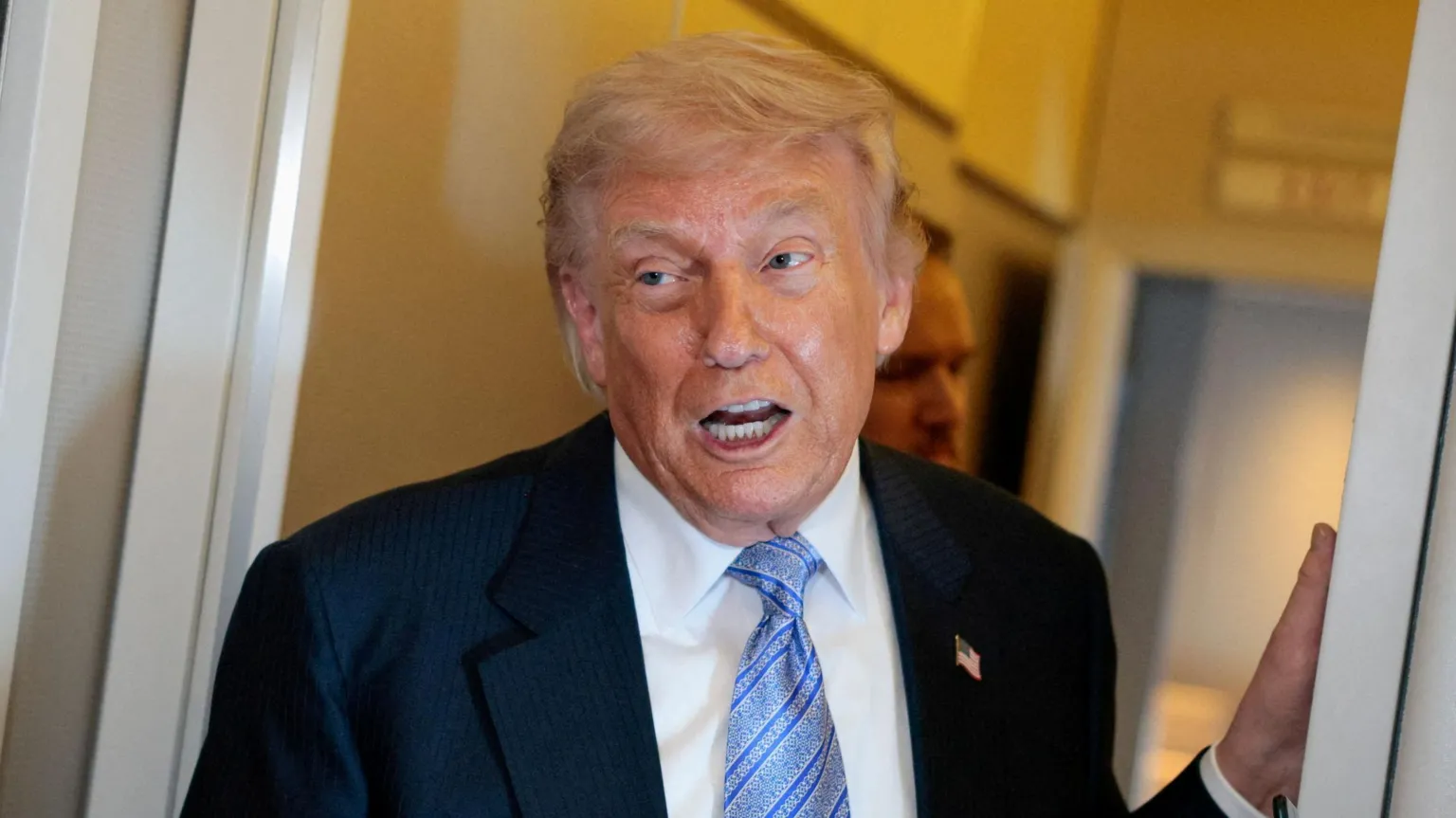
Oil prices saw an increase on Monday in Asia following a stern warning from US President Donald Trump to Iran, stating that the “clock is ticking” as efforts to conclude the ongoing conflict have reached an impasse.
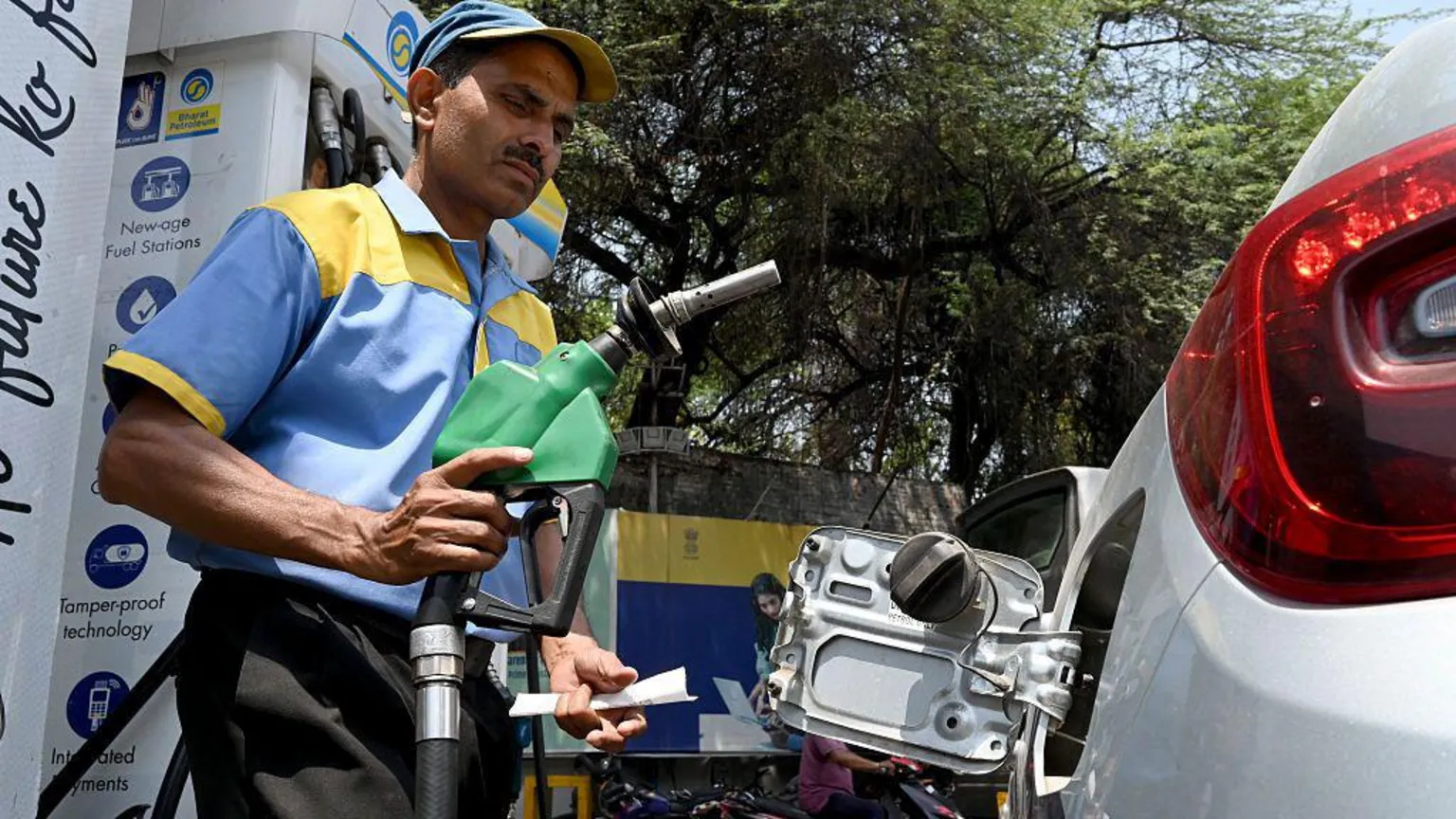
Global benchmark Brent crude climbed by 1.7% to $111.13 (£83.44), while US-traded oil rose by 2.1% to $107.62.
Energy markets have experienced significant volatility since Iran effectively closed the crucial Strait of Hormuz waterway. This action was reportedly in retaliation for US and Israeli strikes on the country, which commenced on February 28.
Approximately one-fifth of the world’s oil and liquefied natural gas (LNG) typically transits through this vital narrow shipping route.
“They better get moving, FAST, or there won’t be anything left of them,” Trump conveyed on social media. “TIME IS OF THE ESSENCE!”
Meanwhile, Iranian media outlets reported that Washington had failed to offer any concrete concessions in response to Tehran’s latest proposals aimed at resolving the conflict.
The semi-official Mehr news agency indicated that a lack of compromise from the US would inevitably lead to an “impasse in the negotiations.”
Trump’s recent message echoed an earlier threat where he warned that a “whole civilisation” would perish unless Tehran agreed to a peace deal, a statement made shortly before a ceasefire was announced in early April.
Last week, the president had also cautioned that the truce was on “massive life support” after rejecting Iran’s demands, which he labeled as “totally unacceptable.”
According to news platform Axios, President Trump is scheduled to hold a meeting on Tuesday with his top national security advisers to discuss potential options for military action concerning Iran.
The Strategic Importance of the Strait of Hormuz
The Strait of Hormuz is a narrow body of water situated between Iran, the United Arab Emirates (UAE), and Oman.
This waterway, which measures about 21 miles (33 km) at its narrowest point, connects the Gulf to the Gulf of Oman, establishing it as a critically important global shipping route.
Roughly 20% of the world’s oil and liquefied natural gas typically passes through the Strait of Hormuz.
This oil originates not only from Iran but also from other Gulf states including Iraq, Kuwait, Qatar, Saudi Arabia, and the UAE.
According to estimates from the US Energy Information Administration (EIA), approximately 20 million barrels of oil typically pass through the waterway per day, representing nearly $600 billion (£447 billion) worth of energy trade annually.
Since the onset of the conflict, sea traffic through the Strait has been significantly reduced.
Recent Regional Tensions and Drone Strike
During the conflict, Iran has reportedly launched attacks on neighboring countries, including Israel, Bahrain, and the United Arab Emirates (UAE).
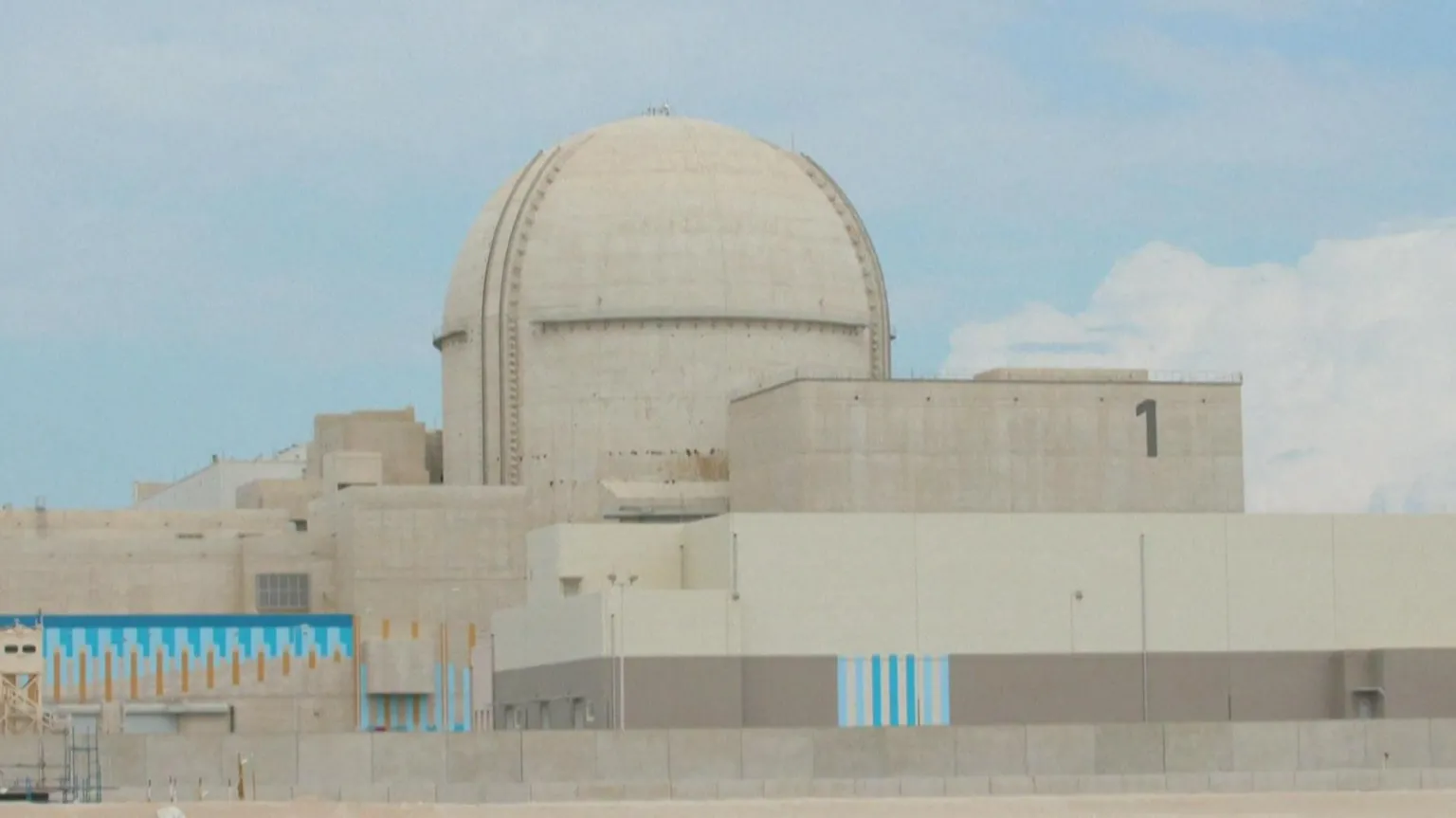
On Sunday, the UAE reported that a drone strike had ignited a fire near its nuclear power station, describing the incident as a “dangerous escalation.”
Officials are currently investigating the source of the strike. The UAE’s defense ministry stated that three drones had entered the country from the “western border direction.”
While two of the drones were successfully intercepted, the third drone struck an electrical generator “outside the inner perimeter” of the Barakah Nuclear Power Plant in Abu Dhabi, leading to a fire.
Local authorities confirmed that no injuries were reported, and there was no impact on radiological safety levels.
#OilPrices #Iran #Trump #StraitOfHormuz #MiddleEastConflict #EnergyMarkets #Geopolitics #BrentCrude #USForeignPolicy #UAE






Leave a Reply