


Global oil prices experienced a significant rise on Monday, alongside an increase in government bond yields across major economies, following a stern warning from US President Donald Trump to Iran regarding stalled peace negotiations. Trump asserted that the “clock is ticking” for Iran to reach a resolution to the ongoing conflict.
Oil Market Volatility
The global benchmark Brent crude saw a 1.7% increase, reaching $111.13, while US-traded oil climbed by 2.1% to $107.62. This surge comes after Iran reportedly closed the crucial Strait of Hormuz waterway, a move seen as retaliation for US and Israeli strikes that commenced on February 28. Approximately one-fifth of the world’s oil and liquefied natural gas (LNG) typically transits through this narrow shipping route.
President Trump conveyed his urgency via social media, stating, “They better get moving, FAST, or there won’t be anything left of them. TIME IS OF THE ESSENCE!” Meanwhile, Iranian media outlets reported that Washington had failed to offer concrete concessions in response to Tehran’s latest proposals for ending the conflict, suggesting a potential “impasse in the negotiations,” according to the semi-official Mehr news agency.
Rising Bond Yields and Inflation Concerns
Government borrowing costs in the US, Japan, and Europe also escalated as fears of persistent inflation continue to mount. Investors are increasingly anticipating central banks to implement interest rate hikes to curb inflationary pressures.
On Monday, the benchmark 10-year US Treasury yield, which reflects the interest rate for a 10-year loan to the US government, hit 4.63% – its highest level in over a year. Similarly, Japanese bond yields jumped after reports indicated the government might issue new debt to fund an extra budget aimed at mitigating the economic impact of the war. The 30-year Japanese government bond yield reached a record high of 4.2%, and the 10-year yield rose to 2.8%, a level not seen since October 1996. Eurozone bond yields also recorded increases.
The latest market movements coincide with a meeting of G7 finance ministers in Paris. When questioned about concerns over a global bond market sell-off, European Central Bank head Christine Lagarde responded, “I always worry, that’s my job.”
Impact on Businesses: A ‘Summer of Pain’
As oil prices surpassed $111, Claudio Galimberti, chief economist at Rystad Energy, warned the BBC of a “very dire situation” that could worsen unless the Strait of Hormuz reopens, predicting a potential “summer of pain.”
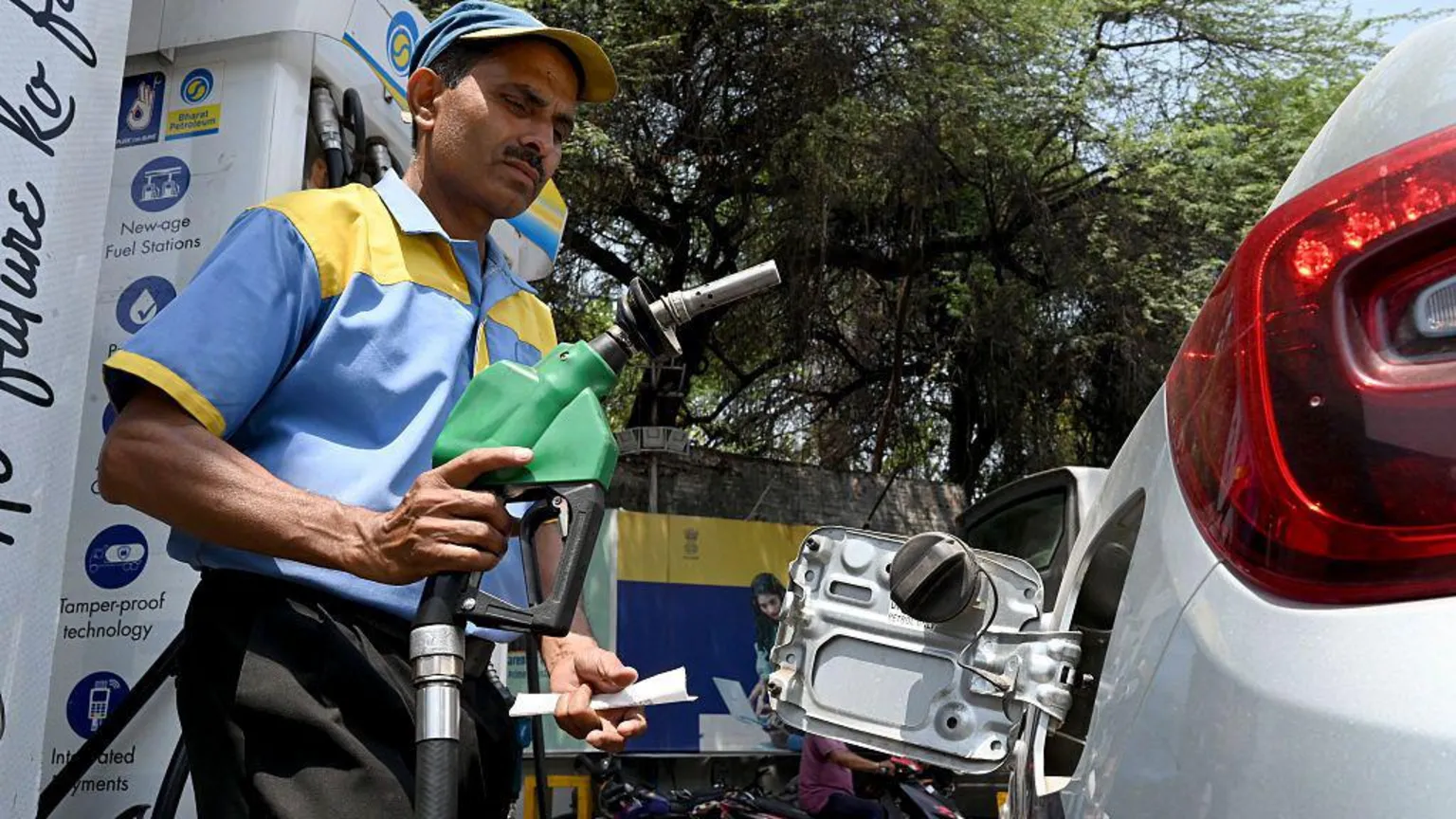
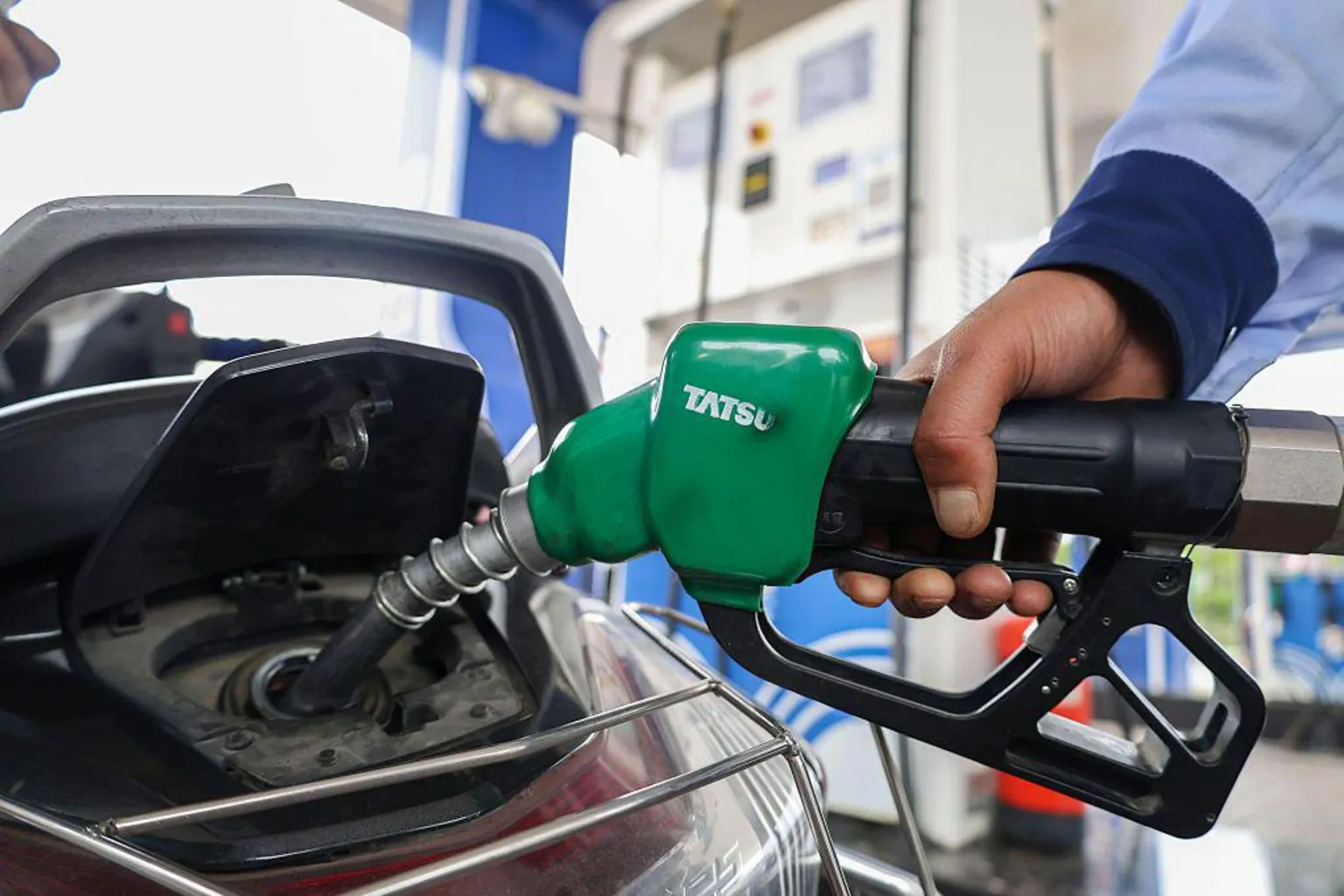
Higher oil prices are directly impacting fuel costs for businesses, particularly airlines, as they approach the peak holiday season. Irish airline Ryanair, in its full-year results on Monday, acknowledged the “economic uncertainty” created by the Middle East conflict and the unknown timeline for the Strait of Hormuz’s reopening. While Ryanair had secured fixed-price contracts for 80% of its jet fuel, the price for the remaining 20% “has spiked due to the Middle East conflict.” Despite reporting increased profits of €2.26bn, up from €1.6bn last year, Ryanair noted that the business outlook remains difficult to predict due to the Iran war and the ongoing conflict in Ukraine.
The Strategic Strait of Hormuz
The Strait of Hormuz is a narrow waterway situated between Iran, the United Arab Emirates (UAE), and Oman. At its narrowest point, it spans approximately 21 miles (33 km), connecting the Gulf to the Gulf of Oman. This makes it a critical global shipping route, through which about 20% of the world’s oil and LNG typically passes. This includes oil from Gulf states such as Iraq, Kuwait, Qatar, Saudi Arabia, and the UAE, in addition to Iran. In 2025, an estimated 20 million barrels of oil per day passed through the waterway, representing nearly $600bn worth of energy trade annually, according to the US Energy Information Administration (EIA). Sea traffic has been significantly reduced since the war began.
Regional Escalation
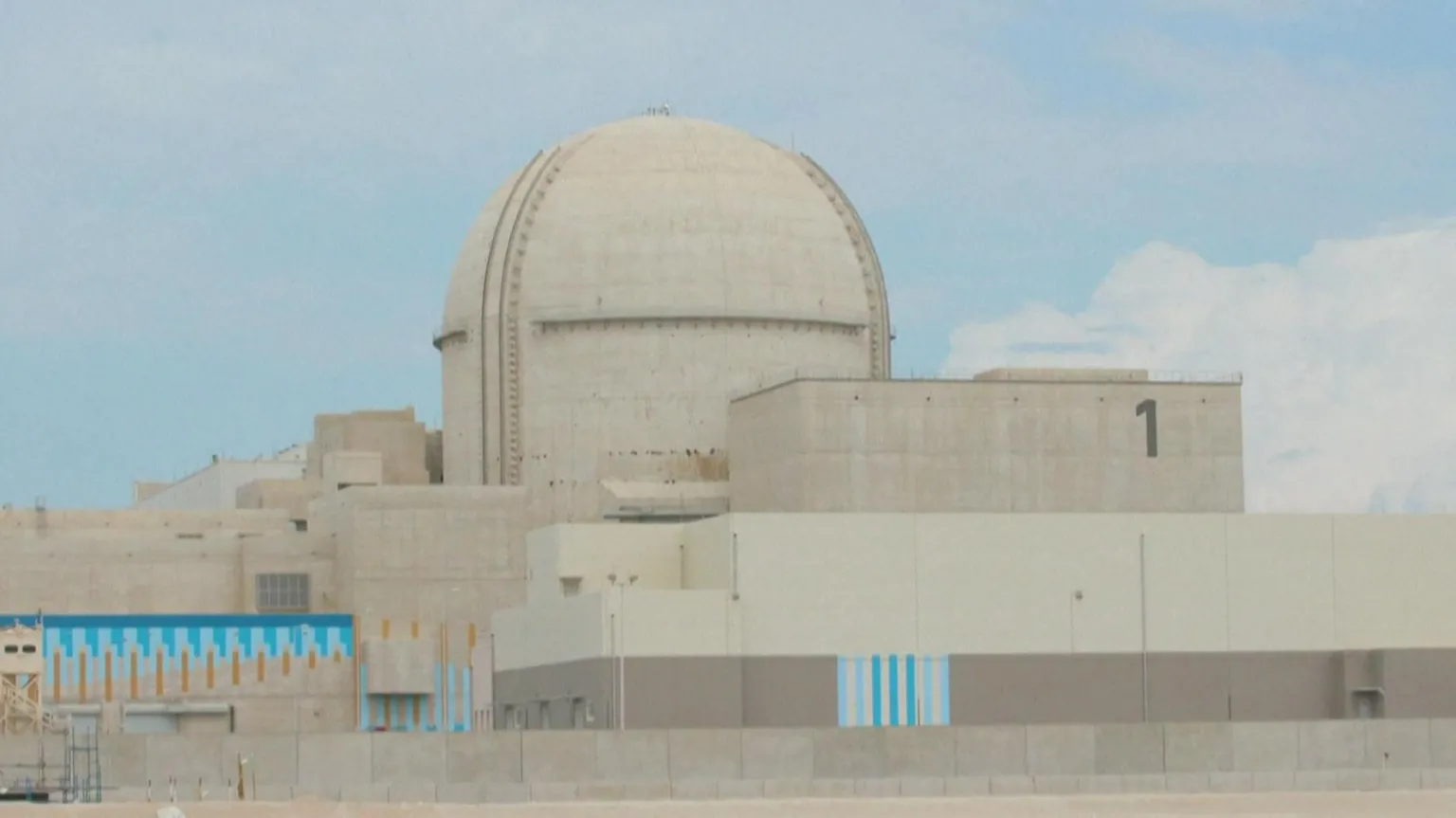
Amidst the Middle East conflict, Iran has reportedly launched attacks on neighboring countries, including Israel, Bahrain, and the UAE. On Sunday, the UAE reported a drone strike that caused a fire near its nuclear power station, labeling the incident a “dangerous escalation.” Officials are investigating the source of the strike, with the UAE’s defense ministry stating that three drones entered from the “western border direction.” While two were intercepted, the third drone struck an electrical generator “outside the inner perimeter” of the Barakah Nuclear Power Plant in Abu Dhabi, igniting a fire. No injuries were reported, and local authorities confirmed no impact on radiological safety levels.
#OilPrices #BondYields #GlobalEconomy #StraitOfHormuz #IranTensions #Inflation #MarketUpdate #MiddleEastConflict #Geopolitics #EnergyMarkets







Leave a Reply