


The International Monetary Fund (IMF) has **upgraded its growth forecast for the United Kingdom this year**, acknowledging the economy’s resilience but also issuing warnings about potential headwinds. The influential body now projects a 1% growth for the UK economy, an increase from its previous estimate of 0.8% for the current year.
However, the IMF cautioned that **geopolitical tensions, particularly a prolonged conflict in the Middle East, and “domestic uncertainty”** could impede economic progress. Such factors risk leading to “higher energy and food prices” and could deter “consumption and investment decisions.”
Reasons Behind the Upgrade
The revised forecast follows recent data indicating that the UK economy expanded by 0.6% in the first three months of the year. This growth was primarily driven by a resurgence in sectors such as retailing and construction. The IMF noted that the UK economy entered the latest global economic challenges with “more momentum than expected.”
Regarding inflation, the IMF anticipates a “temporary” increase due to elevated energy prices. As a significant energy importer, the UK is particularly susceptible to rapid fluctuations in global energy costs. Despite this, the IMF suggested that the Bank of England might not need to raise interest rates further this year, currently at 3.75%. The report indicates that **”holding rates for the remainder of the year should be sufficient to bring inflation back to target (2%) by end-2027.”**
Political Landscape and Fiscal Policy
While the IMF’s report did not directly address specific political developments, it highlighted that any “domestic uncertainty” could compound the impact of external conflicts on growth.
Chancellor Rachel Reeves welcomed the upgraded forecast, interpreting it as **”proof” of the government’s “right economic plan.”** She stated that the government’s economic choices have positioned the economy more strongly to manage the costs associated with global conflicts. Previously, Reeves had cautioned fellow Labour MPs against jeopardizing economic stability when “signs of progress are emerging.”
The IMF also underscored the importance of the government’s commitment to its borrowing rules and deficit reduction, stating that these measures would help safeguard its “financial credibility.” Luc Eyraud, the IMF’s mission chief to the UK, emphasized that markets and investors value predictable government policy, especially in a volatile global environment marked by frequent shocks, rising public debt interest, and persistent weak productivity growth.
Long-Term Challenges and Choices
The government has prioritized economic growth as a means to enhance living standards. However, the IMF pointed to **”difficult choices” ahead.** It noted that the “long term scope” for further tax increases is “becoming limited unless fundamental tax reforms are envisaged.” Simultaneously, there are growing pressures from spending on an ageing population, defence, and the climate transition over the next two decades.
The report suggested that the “scale of rising spending pressures and limited tax space” implies a need for **”spending restraint” in the longer term**, potentially including reforms to state pension provisions. Nevertheless, the IMF assessed the government’s medium-term plan to reduce borrowing costs as continuing to strike a “good balance.”
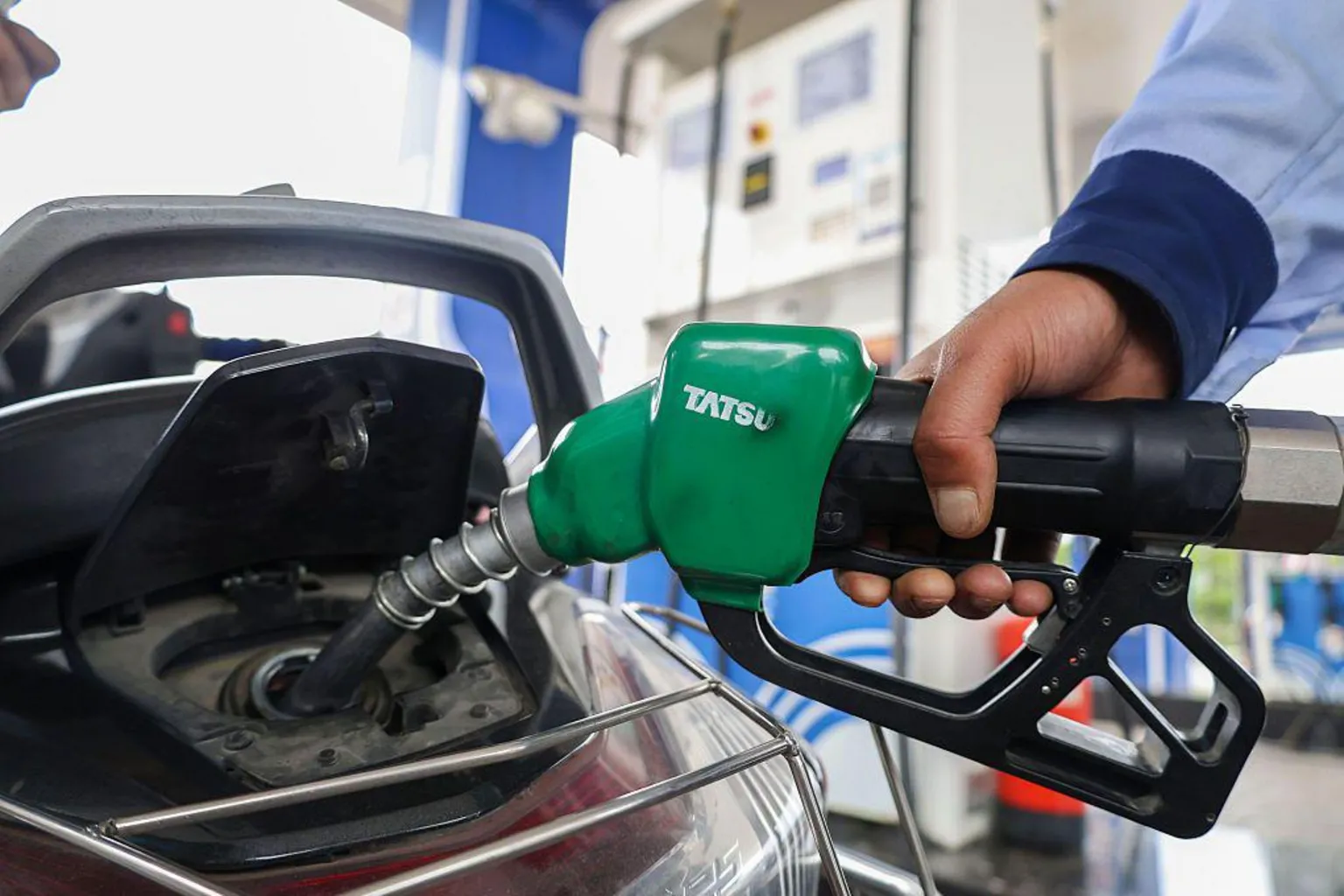
The IMF also recommended that any future household support packages designed to mitigate the impact of higher energy prices should be targeted and time-limited. The Chancellor is expected to announce some cost-of-living support measures this week, possibly including the cancellation of a planned 5p increase in fuel duty.
It is important to remember that IMF forecasts are predictions and can be influenced by unforeseen global events.
#UKEconomy #IMFForecast #EconomicGrowth #InflationUK #BankOfEngland #FiscalPolicy #GeopoliticalRisks #CostOfLiving #RachelReeves #EconomicOutlook




Leave a Reply